
Food Safety

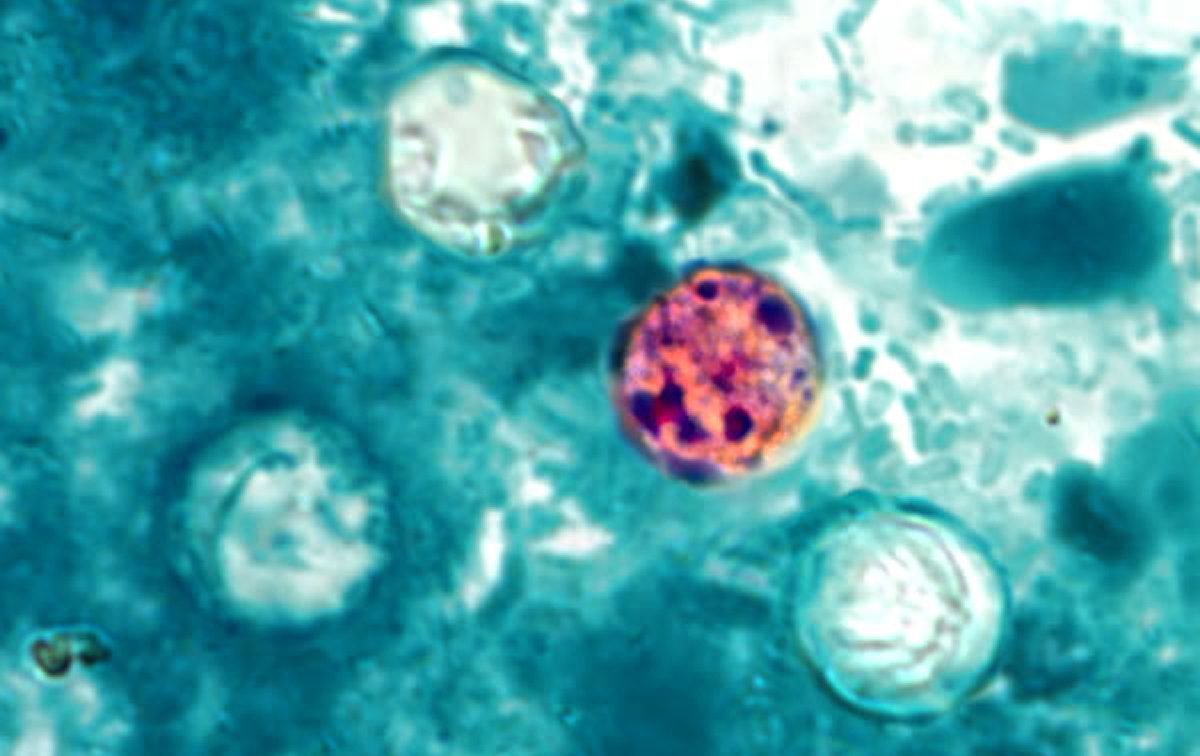
This summer, US health officials have reported an increase in the number of domestic cyclosporiasis cases—an illness caused by the microscopic parasite, Cyclospora (Cyclospora cayetanensis). According to the Centers for Disease Control and Prevention (CDC), there have been more than 1,500 confirmed cases since May 1, with additional illnesses currently being investigated.
Cyclospora infect the small intestine after people consume food or water that is contaminated with the parasite. Unlike many foodborne pathogens, Cyclospora is not commonly spread from person to person, because the parasite must spend time in the environment, such as water, before becoming infectious. In the United States, cyclosporiasis has historically been associated with certain fresh produce—including leafy greens, herbs, berries, and other fruits and vegetables that are typically consumed raw. As of July 16, shredded iceberg lettuce from Mexico was identified as the source of the current outbreak. Even with an identified source, consumers should take steps to reduce their risk of foodborne illness by practicing good hygiene, following safe food-handling practices, and staying informed as the investigation continues.
Cyclosporiasis Symptoms
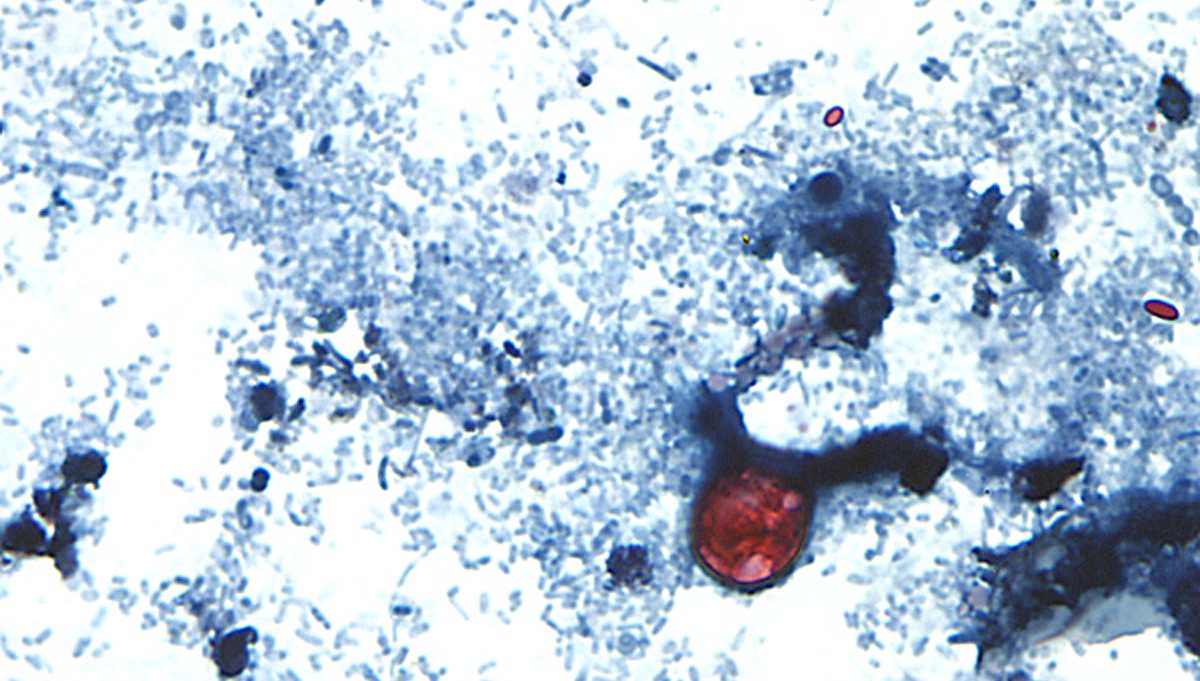
Cyclospora cayetanensis oocysts
Photo credit: Melanie Moser, CDC
Symptoms typically develop about 1 week after exposure but can appear anywhere from 2 days to 2 weeks after consuming contaminated food or water. Common symptoms include the following:
- Frequent watery diarrhea
- Abdominal cramps
- Bloating and increased gas
- Nausea
- Loss of appetite
- Fatigue
- Weight loss
- Low-grade fever (in some cases)
Some people experience symptoms that improve and then return later. Without treatment, illness can last several days to several weeks. Individuals with persistent and watery diarrhea, significant fatigue, weight loss, or signs of dehydration should contact a health-care provider. Diagnosing cyclosporiasis can be challenging because the parasite is difficult to detect—often requiring specialized laboratory testing that is not part of routine screening.
Why are cases increasing?
Cyclospora infections are reported more frequently during spring and summer, when fresh produce consumption increases and environmental conditions may favor the survival and spread of the parasite. Also, the number of reported Cyclospora cases has risen in part because health-care providers and laboratories are using more advanced diagnostic tools—such as specialized laboratory tests—that can detect infections that previously may have gone undiagnosed.
What can consumers do?
Although it is not possible to eliminate the risk of foodborne illness completely, consumers can help reduce their risk by following recommended food-safety practices:
- Wash hands with soap and water before handling food.
- Rinse fruits and vegetables thoroughly under running water before eating, cutting, or cooking.
- Refrigerate cut fruits and vegetables promptly.
- Stay informed about food recalls and public health advisories.
- Seek medical attention if persistent diarrhea develops.
It is important to note that washing produce may reduce contamination but may not completely remove Cyclospora or other foodborne pathogens. Therefore, food-safety practices throughout production, harvesting, packing, transportation, and retail distribution remain essential for protecting public health.
For more information about Cyclospora and cyclosporiasis, visit the CDC website at www.cdc.gov/cyclosporiasis. For information on food-safety practices, visit aces.edu/blog/category/food-safety.