
Food Safety

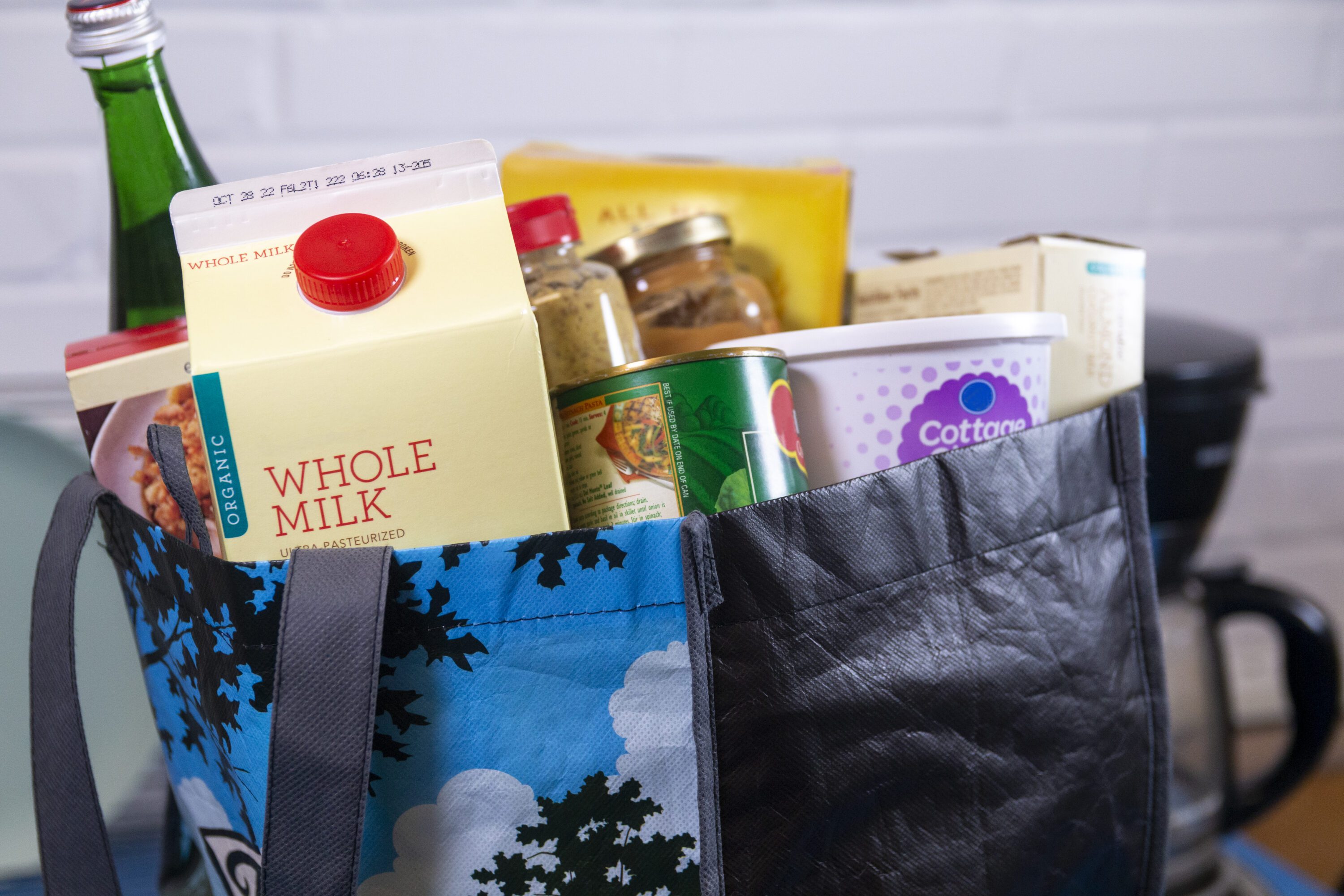
In 2010, the US Department of Agriculture (USDA) estimated that about 133 billion pounds of food, roughly 30 to 40 percent of the food supply, is wasted annually. This loss has an estimated $166 billion in retail value, which equates to 219 pounds of waste per person. The goal by 2030 is to reduce this waste by 50 percent. One way to help is by understanding the date labeling on packages to avoid food waste.
Date Labeling on Packages
Unfortunately, there is no uniform system used for food dating in the United States. Some of the dates typically seen include the following:
- A sell-by date tells the store how long to display the product for sale. For best quality, the product should be purchased before this date.
- A best by date is recommended for best flavor or quality. It is not a safety date.
- A use-by or expiration date is the last date recommended for the use of the product while at peak quality. The date has been determined by the manufacturer of the product and is not a safety date.
These dates cannot be relied upon as an indicator of food safety because there are too many variations in transportation and storage conditions. If food is mishandled, foodborne bacteria can grow and cause foodborne illness before or after the date on the package. For example, if hot dogs are taken to a picnic and left out for several hours, they will not be safe to use later, even if the date hasn’t expired.
Egg cartons with the USDA grade shield on them must display the pack date (the day that the eggs were washed, graded, and placed in the carton). Many eggs reach stores only a few days after the hen lays them. When a sell-by date appears on a carton bearing the USDA grade shield, the code date may not exceed 45 days from the date of pack. Always purchase eggs before the sell-by or expiration date on the carton. For best quality, use eggs within 3 to 5 weeks of the date you purchase them. The sell-by date will usually expire during that length of time, but the eggs are perfectly safe to use.
Infant formula is the exception to the rule. Federal regulations require a use-by or expiration date on the product label of infant formula under inspection by the US Food and Drug Administration (FDA). If consumed by that date, the formula must contain not less than the quantity of each nutrient as described on the label. Also, if stored too long, liquid formula can separate and clog the bottle nipple.
Because of the confusion over code dates, use by dates, and expiration dates, some food manufacturers use a closed dating system such as a Julian date. A Julian date usually indicates the day of processing using a three-digit number corresponding to the day of the year. Most consumers are unaware this three-digit number corresponds to a date and thus pay no attention to the package.
Helpful Tips
Since product dates are not a guide for safe use of a product, the following tips can help consumers understand how long they can store the food and still use it at top quality.
- Purchase the product before the best-by or use-by dates.
- If perishable, take the food home immediately after purchase and refrigerate promptly. Freeze it if it will not be used within the recommended timeframe.
- Once a perishable product is frozen, it doesn’t matter if the date expires because foods kept frozen at 0 degrees F or lower continuously are safe indefinitely, but there can be quality issues.
- Follow handling recommendations on the product.
- Consult the Alabama Extension publication, “Better-Safe-Than-Sorry Food Storage Chart,” for a detailed list of recommended food storage times.
For more information, contact your local Food Safety and Quality Extension agent or visit aces.edu.