
Food Safety

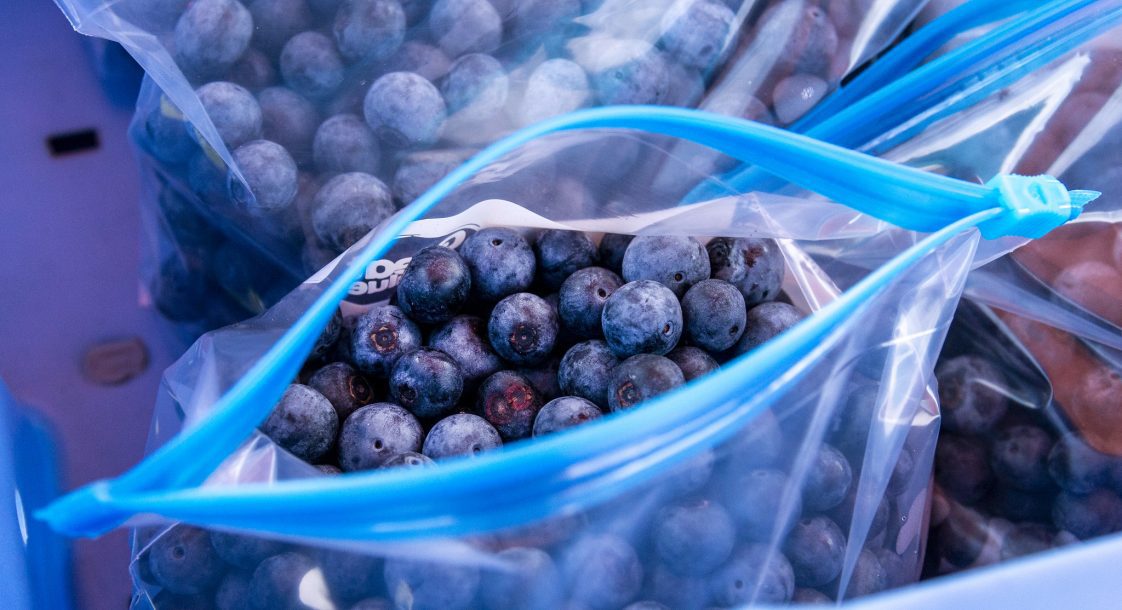
Blueberry season is here! Throughout June and July, fresh blueberries are in abundance, making it the perfect time to enjoy them at their peak flavor and stock up for later. Blueberries are delicious, versatile, and provide important nutrients, including fiber, vitamin C, and plant compounds that support overall health. Whether you enjoy them fresh, frozen, baked into muffins, blended into smoothies, or preserved as jam, blueberries are a nutritious addition to meals and snacks.
Did You Know?
- July is recognized as National Blueberry Month in the United States.
- Blueberry muffins remain one of America’s favorite muffin varieties.
- A mature blueberry bush can produce several thousand berries each year.
- Blueberries is one of the few fruits that are native to North America, along with cranberries and Concord grapes.
Fresh Blueberries
Blueberries are best enjoyed when they are fully ripe. Like other fruits such as apples, cherries, grapes, oranges, strawberries, and watermelons—blueberries do not continue to ripen once they are harvested. So, it is important to harvest them at peak times.
After harvest, one of the best things about fresh blueberries is how easy they are to prepare. There is no peeling, pitting, coring, or slicing required; simply rinse and enjoy. Blueberries are also less perishable than many other berries. For the best quality, store them unwashed in the refrigerator and rinse them just before eating or using in recipes. Properly refrigerated blueberries can often maintain their quality for up to 2 weeks.
Preserving Blueberries
Fresh blueberries can be stored and preserved in a variety of ways, including freezing and canning.
Freezing blueberries is an excellent way to preserve their flavor and quality for months. Frozen blueberries are perfect for smoothies, baked goods, pancakes, oatmeal, yogurt, jams, syrups, and sauces. You can freeze both washed and unwashed blueberries. For washed berries, rinse thoroughly, dry completely, and then freeze. For unwashed berries, freeze them directly but be sure to rinse them before use. For best results, spread the berries out in a single layer on a baking sheet and freeze until firm. Then, transfer the frozen berries to freezer bags or airtight containers. This prevents the berries from clumping together, making it easy to remove only what you need.
When preserving blueberries by canning or other home preservation methods, always use current, research-tested recipes from reliable sources. Following tested recipes and proper processing methods helps ensure both the quality and safety of your home-preserved foods. Safe recipes, up-to-date food preservation recommendations, and other related resources are available online through the following websites:
- Alabama Extension—www.aces.edu/blog/category/food-safety
- National Center for Home Food Preservation—nchfp.uga.edu
- Ball Mason Jars—www.ballmasonjars.com
Summary
Blueberry season may only last a short time, but with proper storage and preservation methods, you can enjoy the taste of summer throughout the year. Whether eaten fresh, frozen, or preserved, blueberries are a delicious and nutritious addition to a healthy diet.