
About Us

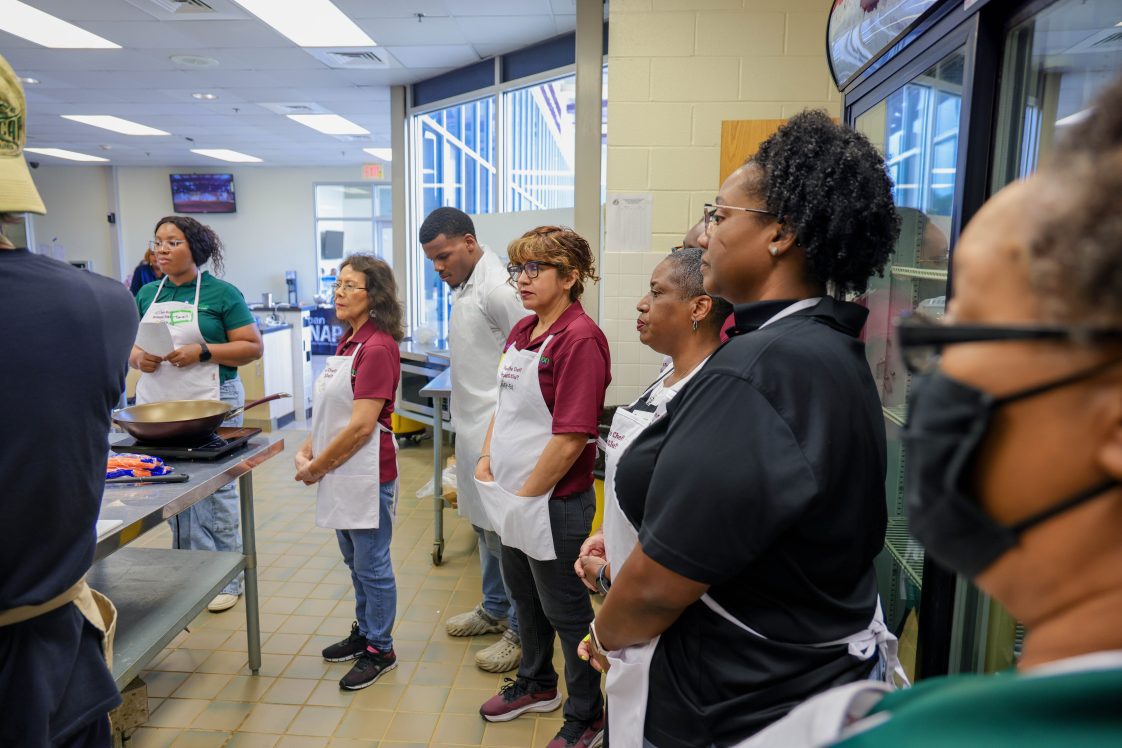
Human nutrition, diet, and health programs help to prevent diseases, promote healthy lifestyles, and improve the overall well-being of individuals. Alabama Extension’s health programs foster health literacy by equipping people with the knowledge and skills needed to make informed food choices, engage in physical activity, and adopt a healthy lifestyle.
CHAMPION
The CHAMPION: Community Health Aerobic Motivational Program Initiating Optimal Nutrition program targets adults aged 18 or older. The program provides interactive education to improve eating habits, increase physical activity, and decrease chronic disease risk factors through health literacy.
CHAMPION Youth
CHAMPION Youth targets young people aged 12-17. The program educated youths on the importance of healthy eating and physical activity to reduce chronic disease risk factors.
Urban EFNEP
Urban EFNEP: Expanded Nutrition Education Program is geared toward limited-resource mothers with children under the age of five. The program teaches them how to consume healthy foods on a limited budget and encourages daily physical activity for the whole family.
Urban SNAP-Ed
Urban SNAP-Ed: Supplemental Nutrition Assistance Program-Education makes nutrition easy, tasty, and affordable! Using evidence-based teaching methods, families & individuals are encouraged to select nutritious food, be physically active, maximize food budgets with smart shopping tips, utilize healthy cooking techniques, and keep food safe during purchase, preparation & storage.
2024 Program Impacts
- 7,384 participants engaged in health and wellness programs in 2024.
CHAMPION
- 55 percent (169) of 307 participants exercised 1–3 days per week.
- 66 percent (203) of participants developed a daily individualized physical activity plan and continue to follow and update their plan.
- 49 percent (148) of 303 participants and 51 percent (155) consumed vegetables more than three times
per week. - 36 percent (109) of 303 participants reduced their intake of high‐fat foods, and 32 percent (97) limited high-sugar foods to 1–2 times per week.
CHAMPION YOUTH
Among the 388 youth who completed evaluations:
- 39 percent (151) of youths reported consuming vegetables all the time.
- 68 percent (264) of youths reported consuming fruits all the time.
- 59 percent (229) reduced their intake of high-sugar foods.
- 53 percent (206) reduced their intake of high-fat foods.
- 87 percent (338) enjoyed participating in fitness bootcamps, involving more than 10,000 steps, and burning an average of 350 calories per session.
Urban EFNEP
Among 9 adults, there was improvement in one or more practices:
- 73 percent (6.6) improved in diet quality; 87 percent (7.8) improved in physical activity; 67 percent (6) improved in food safety; and 67 percent (6) improved in food resource management.
Among 437 youth, there was improvement in one or more practices:
- 30 percent (131) improved diet quality; 18 percent (79) improved physical activity; 20 percent (87) improved in food safety; and 30 percent (131) improved in food resource management.
Urban SNAP-Ed
- 1,536 adults completed a pre- and post-assessment, indicating a 14 percent increase in consuming fruit daily and a 13 percent increase in eating vegetables daily.
- 15 percent increase (from 60 to 75 percent) among 1,536 adults who learned to choose healthy food on a budget.
- 2,641 youth completed a pre- and post-assessment, indicating a 16 percent decrease (from 23 to 7 percent) among youth who decreased their intake of sugary drinks.
- 28 percent increase (from 40 to 68 percent) among youth who ate more fruits daily.
Engaging in health and wellness programs enables individuals to improve their physical and mental health, which can lead to reduced healthcare costs.
For More Information
For more information about human nutrition, diet, and health programs, contact Tamara Warren at (256) 372-4981.