
Food Safety

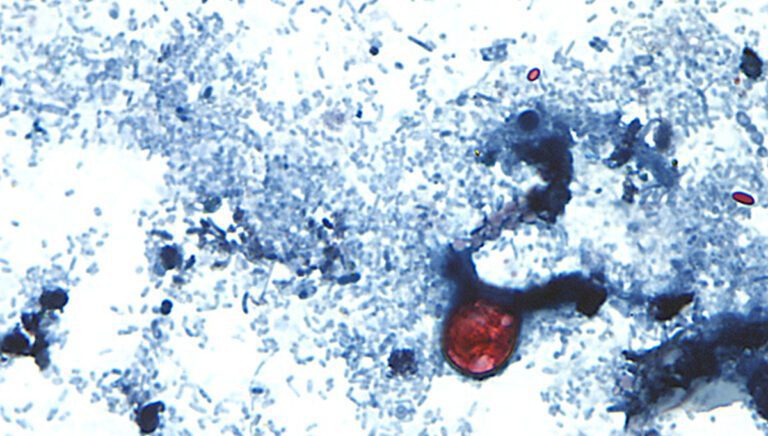
AUBURN UNIVERSITY, Ala. — This summer, the U.S. saw a large uptick in reported cases of cyclosporiasis, a foodborne illness caused by the microscopic parasite Cyclospora. The U.S. Food and Drug Administration recently connected this year’s outbreak with iceberg lettuce and issued a recall. The investigation is still ongoing, with the Centers for Disease Control and Prevention looking into other outbreaks and illnesses from other sources.
This situation has brought the importance of proper food safety practices to the national spotlight. Experts like Camila Rodrigues, an Alabama Extension food safety and quality specialist at Auburn University, are helping consumers understand the current outbreak and guard against future issues.
Cyclosporiasis Symptoms
Symptoms of cyclosporiasis include frequent and watery diarrhea, abdominal cramps, bloating and increased gas, nausea, loss of appetite, fatigue, weight loss and a low-grade fever in some cases. In some instances, Rodrigues said these symptoms can start to improve but then return later.
“The major difference with cyclosporiasis is that other foodborne illnesses caused by bacteria and viruses tend to resolve within a few days,” Rodrigues said. “Cyclosporiasis can take several days and sometimes weeks, so it lingers longer and requires specialized treatment.”
Cyclosporiasis requires specialized laboratory testing and a specific antibiotic to diagnose and kill the parasite. Individuals with persistent symptoms or signs of dehydration should contact their healthcare provider.
Food Safety Best Practices
Each year, the summer months create an ideal environment where bacteria and parasites are more prone to appear in foods. Paying careful attention to recalls and handling produce correctly are always important food safety practices to follow.
For future food safety, Rodrigues said consumers should not be afraid to purchase fresh produce. There are simple steps that people can take to make produce safer for consumption. These include washing hands before handling food, discarding outer layers of produce, rinsing produce thoroughly, being cautious with prewashed or precut produce and refrigerating cut produce promptly.
“Consumers can cook most produce if they are afraid of eating it,” Rodrigues said. “For example, blueberries can be made into jams and jellies. So, something like that is an alternative for consumers to feel a little safer.”
According to the CDC, cooking produce to at least 158 degrees Fahrenheit will kill bacteria and parasites.
More Information
For more information about Cyclospora and cyclosporiasis, visit the Centers for Disease Control and Prevention website at www.cdc.gov/cyclosporiasis. For information on food-safety practices, visit aces.edu/blog/category/food-safety.
Featured photo by Melanie Moser, CDC