
Food Safety

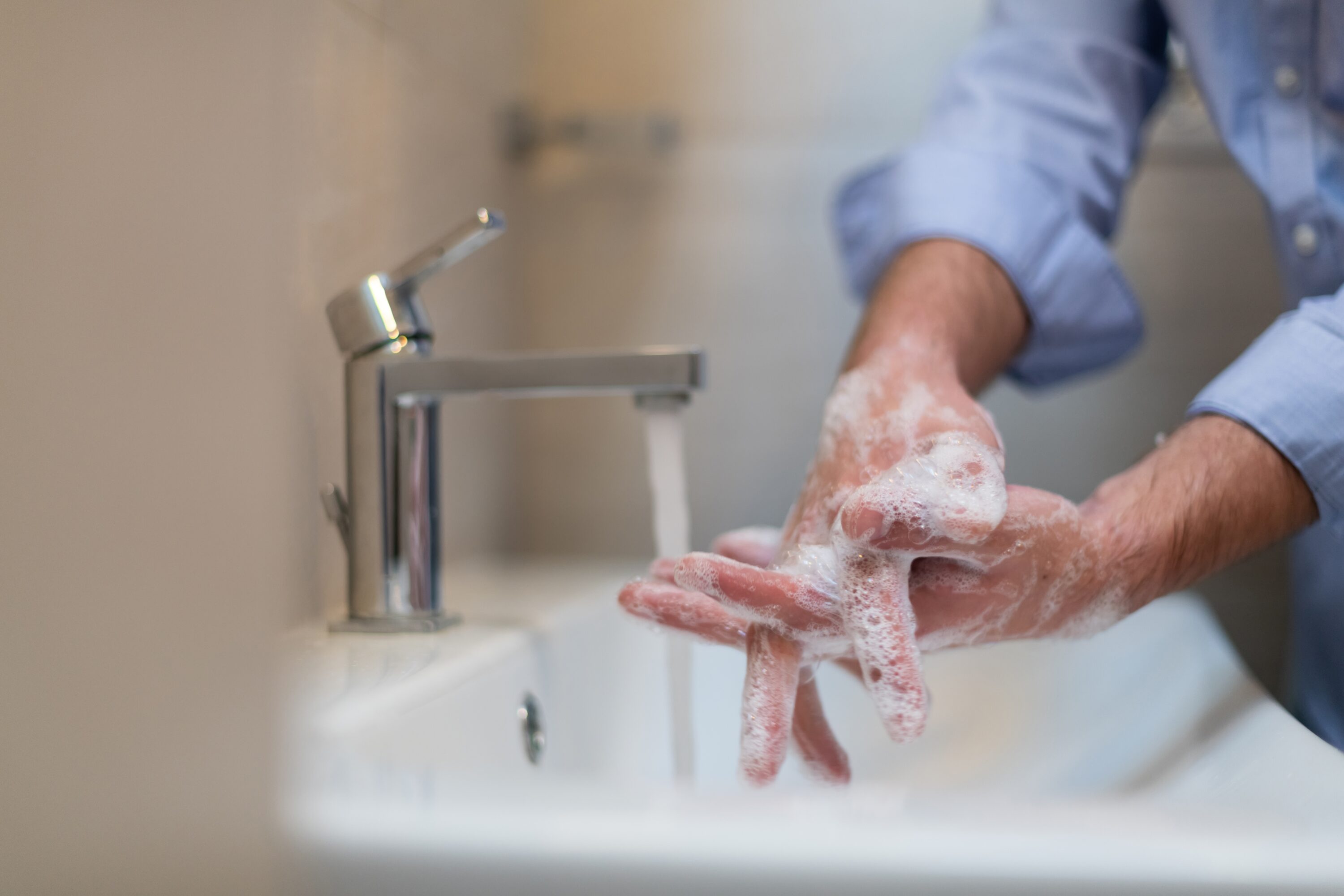
Handwashing is one of the simplest and most effective ways to protect yourself and others from germs and illness. It takes only a little time, requires just soap and clean, running water, and can make a big difference in preventing the spread of germs in homes, schools, workplaces, and communities.
October is a great time to put handwashing in the spotlight. Global Handwashing Day is observed each year on October 15 and serves as a reminder of the important role handwashing plays in preventing illness. According to the Centers for Disease Control and Prevention (CDC), keeping hands clean can help prevent diarrheal illnesses and respiratory infections, including colds and flu.
Five Steps to Clean Hands
Effective handwashing involves five simple steps: wet, lather, scrub, rinse, and dry. Begin by wetting your hands with clean, running water, either warm or cold, and apply soap. Rub your hands together to create a good lather. Make sure to clean the backs of your hands, between your fingers, and underneath your fingernails. Scrub your hands for at least 20 seconds. An easy way to keep track of the time is to sing the “Happy Birthday” song from beginning to end twice.
Next, rinse your hands thoroughly under clean, running water. Finally, dry your hands using a clean towel or an air dryer. Drying your hands is an important final step because germs can be transferred more easily from wet hands.
Make Clean Hands a Healthy Habit
Good handwashing is a small habit that can have a big impact. Parents can teach children proper handwashing techniques, food handlers can help prevent foodborne illness, and everyone can help reduce spreading germs by making clean hands part of their daily routine.
Handwashing habits are important, especially during times when germs are most likely to spread. Be sure to wash your hands:
- Before, during, and after preparing food
- Before eating or feeding others
- After touching raw meat, poultry, seafood, or eggs
- After using the bathroom or helping someone use the bathroom
- After changing diapers
- After coughing, sneezing, or blowing your nose
- After caring for someone who is sick
- After touching garbage
- After handling pets or other animals
- Whenever your hands are visibly dirty
This October, take a few extra seconds to wet, lather, scrub, rinse, and dry. Clean hands help protect you, your family, and your community.
More Information
For more information about proper handwashing and additional photos demonstrating handwashing techniques, see the Alabama Extension publication “Food Safety: It’s in Your Hands.” For additional information and educational resources, visit aces.edu or contact your local county Extension office.