
Crop Production

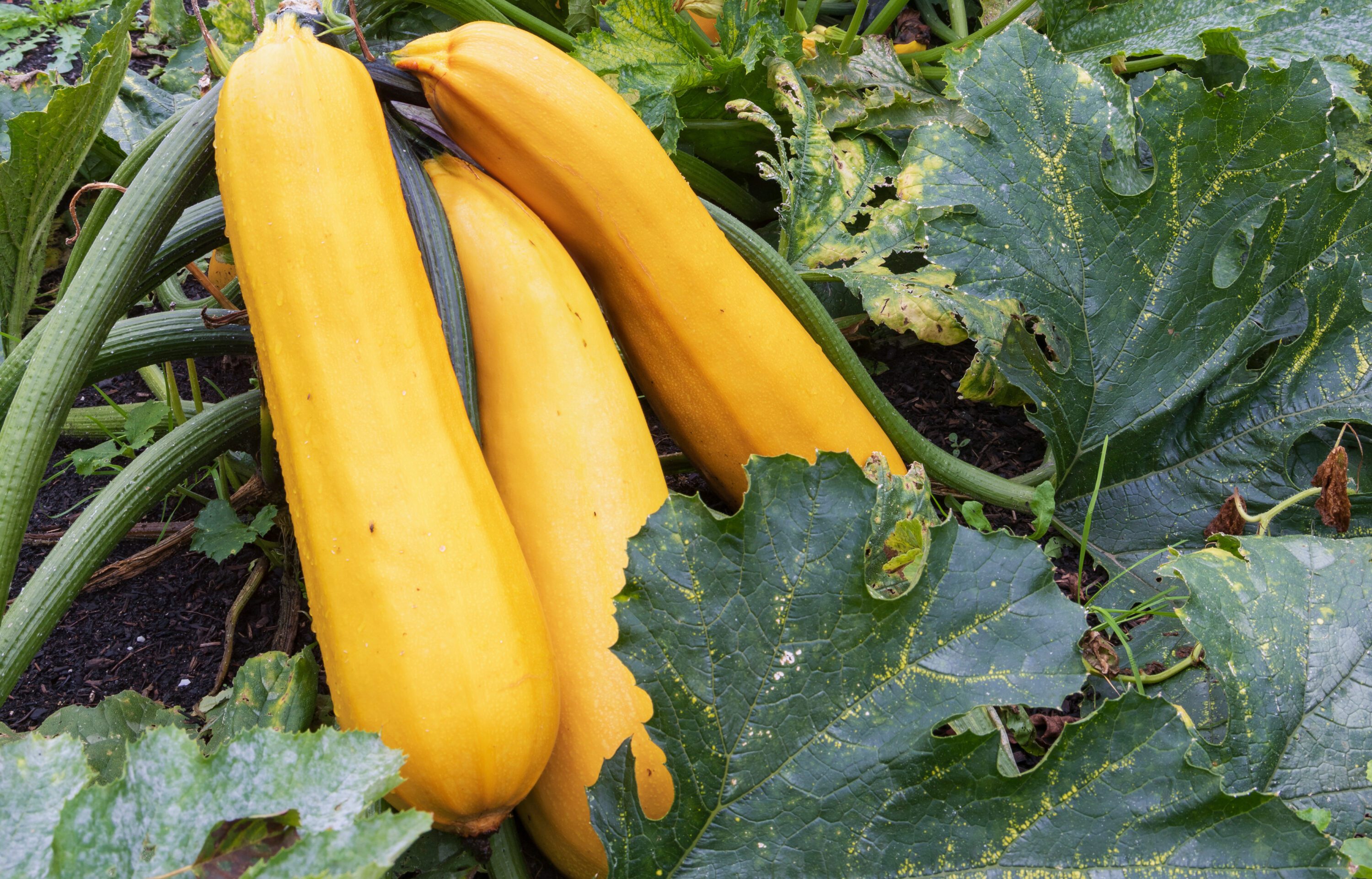
Summer squash (Cucurbita pepo L.) is a vegetable crop grown throughout Alabama. This guide offers producers research-based information on growing summer squash, including varieties, planting dates, irrigation, and the control of weeds, insects, diseases, and other pests.
The name squash comes from the Massachusetts Indian word askutasquash, meaning “eaten raw or uncooked.” Summer squash is a member of the Cucurbitaceae family (commonly referred to as the Gourd family), which also includes pumpkins, watermelons, cantaloupes, and gourds. Collectively, these crops are referred to as cucurbits.
Summer squash can be found from the southern temperate zone of north America to the northern subtropical area of south America. Worldwide, summer squash is considered a high-value vegetable crop and is separated into four groups: straightneck (yellow cylindrical or bottle-shaped fruit with a straight neck); crookneck (elongated yellow fruit with a narrow, long curved neck); scallop (white, green, or striped flattened fruit with scalloped or ridged edges); and zucchini and cocozelle (green or yellow cylindrical fruit, referred to as vegetable marrows). Similar to the straightneck, zucchini is uniformly cylindrical and green.
Planting Recommendations
Planting Dates and Method
Summer squash is a warm-season vegetable crop. Most cultivars require 40 to 50 days from planting to fruit maturity; however, they require multiple harvests, as plants can continue to flower. This may extend the summer squash growing season up to 80 days. In general, summer squash has a relatively short growing season compared to other vegetable crops, allowing growers to produce it continuously for two growing seasons. In some parts of Alabama, there are three growing seasons during the year.
In Alabama, summer squash can be planted in the spring and fall growing seasons. In south Alabama, summer squash can be planted as early as March 1 but no later than April 30 for the spring season, while planting dates should range between July 1 and September 15 for the fall season. In north Alabama, summer squash can be planted as early as April 15 for the spring season, and planting dates can extend until August 30 for the fall season. Successive planting dates, every 10 to 14 days, will ensure a steady supply of fruit. Still, it is important to remember that high summer temperatures may affect plant growth and fruit quality. In contrast, late fall planting dates will allow cold temperatures to inhibit flowering.
Summer squash can be planted through direct seed or seedlings transplanted in the field. Seedling transplants are the most common planting method for large-scale summer squash production. Seedlings enhance the earliness and uniformity of plant stands, but great care must be taken when transplanting squash, as the roots of young plants are easily damaged. Growers should always use containerized seedlings (never bare root transplants), and seedlings must be at most 3 weeks old. Direct summer squash seeds are preferred for small growers or growers with mechanical planting equipment. If using direct seeding, planting dates must ensure that soil temperatures range between 70 and 90 degrees F for optimal seed germination.
Soil and Fertility
Summer squash can be successfully grown on most soils in Alabama. Summer squash will grow better in well-drained sandy loam soil with high levels of organic matter and a pH of 6.0 to 6.5. Crop rotation is important to maintain good soil health; growers should avoid potential soilborne diseases and nematode problems by planting summer squash in soils that have not grown watermelons, cantaloupes, pumpkins, or any other member of the cucumber family in the past 2 or 3 years.
Timely and appropriate fertilizer applications can significantly improve the quality and quantity of fruit. Soil samples before field preparation will help with the fertilizer program, while lime application several months before planting can adjust soil pH. Contact your county Extension agent for information on collecting and submitting a soil sample.
The recommended total seasonal nitrogen (N) rate for summer squash is 100 to 130 lb/acre. Phosphorus (P2O5) and potassium (K2O) applications should be based on soil test results. When soil phosphorus or potassium levels are rated low, medium, high, or very high, the corresponding general recommendation is 150, 100, 50, or 0 pounds per acre of P2O5 or K2O, respectively. These general recommendations should be adjusted according to local soil test interpretations, soil type, previous crop management, and field conditions.
For production systems using broadcast and sidedress fertilizer applications, apply 25 to 50 lb N/acre before planting and incorporate the soil test–recommended phosphorus and potassium. Apply approximately 50 lb N/acre as a sidedress when the vines begin to run. An additional 25 to 30 lb N/acre may be supplied through the irrigation system, depending on crop growth and field conditions.
For plasticulture production systems with drip irrigation, apply approximately 24 lb/acre each of nitrogen and potassium before laying the plastic mulch. Apply the remaining nitrogen and potassium through the drip irrigation system in small, frequent applications according to crop development. A suggested fertigation schedule is 0.9 lb N/acre and 1.8 lb K2O/acre per day from 0 to 14 days after planting, 1.3 lb N/acre and 2.6 lb K2O/acre per day from 15 to 28 days after planting, and 1.5 lb N/acre and 3.0 lb K2O/acre per day from 29 to 63 days after planting. This schedule supplies approximately 107 lb N/acre and 191 lb K2O/acre over the production season. In most situations, approximately 50 percent of the nitrogen should be supplied in nitrate form. Adjust fertigation rates based on soil test results, tissue analysis, crop growth, rainfall, soil texture, and irrigation management.
Seeding Rate and Spacing
Summer squash may be established by direct seeding or by transplanting young, container-grown seedlings. Direct-seeded production generally requires 4 to 6 lb/acre of seed. Plant seeds ¾ to 1½ inches deep, placing two to three seeds per hill. After emergence, thin each hill to one healthy seedling. Summer squash contains about 3,500 seeds/lb (220 seeds/ounce). Transplants should not be held in containers for extended periods because restricted root growth can result in stunted plants after transplanting.
In flat-ground production, space rows approximately 36 inches apart and plants 10 to 15 inches apart within the row. For raised-bed production, beds are typically 36 to 40 inches wide, 6 to 8 inches high, and spaced 6 feet apart from center to center. Raised beds are recommended to ensure soil drainage. Plastic mulching is also recommended, as it helps with weed control, increases soil temperature, enhances crop development, and minimizes water loss through evaporation. Use table 1 to determine the number of plants per acre required at various spacings.
Table 1. Spacing and Number of Plants per Acre
| Between Row Spacing | 18" | 20" | 22" | 24" |
|---|---|---|---|---|
| 36" | 9,680 | 8,712 | 7,920 | 7,260 |
| 42" | 8,297 | 7,467 | 6,788 | 6,222 |
| 48" | 7,260 | 6,534 | 5,940 | 5,445 |
Successful Pollination of Squash
Cucurbit crops heavily depend on active pollination. Using domesticated honey bees is the most effective means to pollinate cucurbit crops. However, wild bees or feral honey bees can be essential as pollinators. Wild bees include several species of native, ground-nesting bees that prefer pollen and nectar from squash and other cucurbits. The abundance of wild bees varies significantly by location and year to year, making them less dependable than domesticated bees. For this reason, it is strongly recommended that managed honey bee colonies supplement any wild bee activity.
Fruit size and seed set of cucurbits are strongly related to bee activity, as insect movement of pollen to female flowers is essential for fruit production. Cucurbit flowers are open for only 1 day, and squash is usually open only in the morning. Because of the large size of flowers and pollen, the small honey bees do not pollinate squash as efficiently as the larger native bees. The pollination requirements for squash and pumpkin are similar to those of cantaloupe; one bee per ten “female” flowers is considered the minimum activity level to maximize production. A minimum of one honey beehive per acre is usually recommended for small growers and is necessary to achieve this activity level. Large-scale growers typically require up to three hives per acre to ensure potential yields since several factors can affect pollination.
Among these factors, the weather is one of the most important. Bees are less likely to forage for nectar and pollen during bad weather (i.e., extremely high temperatures or severe storms). If poor pollinating conditions exist during the flowering period, additional beehives must be supplied to the crop above the recommended level to compensate.
A second factor in managing bees for pollination is the presence of competing blooms during the flowering period of summer squash. Most cucurbit flowers are poor sources of nectar and pollen. They may be less attractive to bees than adjacent flowering weeds or other crops. In such cases, crops that may attract bees away from summer squash during the blooming period should not be planted nearby (at least a ½ mile buffer is desirable). Similarly, destroy weeds adjacent to the crop, which may serve as competing blooms before the crop begins to bloom.
Irrigation
Whether you are using overhead or drip irrigation, providing sufficient water to the crop will ensure the production of high yields of quality fruit. With summer squash, irrigation is most critical when the fruit is sizing and has very little tolerance to any degree of moisture stress. Water stress during fruit sizing will result in pointed, misshapen, unmarketable fruit. In short, irrigation can significantly increase yields.
Mulching and Drip Irrigation
Using polyethylene (black plastic) mulch offers several advantages to growers. Black plastic mulch increases soil temperature earlier in the growing season and conserves soil moisture in the root zone. It also reduces several common problems: soil compaction and crusting, ground rot of fruit, fertilizer leaching, crop drowning, evaporation, and competition from weeds. These benefits promote increased quality and quantity of fruit yields and earlier production, especially when combined with transplants. Transplants with plastic mulch generally result in harvests that begin 7 to 14 days earlier than bare-ground production. In general, using a plastic mulching system will increase production costs; however, plastic mulching can boost growers’ profits by increasing yields and allowing earlier fruit harvest.
Drip irrigation systems must be used with plastic mulch. In addition, growers can plant multiple crops (double cropping) into the same plastic mulch. Be sure to place drip tape down the middle of the bed, buried 2 to 3 inches deep. Contact your county Extension agent for more information about using plastic mulch and drip irrigation.
Controlling Weeds, Insects, Diseases, and Other Pests
Weed Control
Chemical weed control options for summer squash are very limited. Most herbicides registered for use provide annual grass and small-seeded broadleaf weed control (pigweed). Still, they do not control large-seeded broadleaf weeds such as sicklepod, yearly morningglory, or common cocklebur. Refer to the latest edition of the Southeastern U.S. Vegetable Crop Handbook for a list of herbicides currently registered for summer squash. The handbook is updated annually and can be found at https://www.aces.edu/blog/topics/vegetable-crops/southeastern-us-vegetable-crop-handbook/.
For better weed control, select locations with low weed populations and no perennial weed problems, such as nutsedge, use mechanical cultivation between rows, and use production practices that encourage rapid squash development. When using mechanical cultivation, cultivate the soil only to a 1- to 2-inch depth, as summer squash are shallow rooted and sensitive to root pruning. Some hand weeding may be needed.
Insect Management
A variety of insects can affect cucurbit (squash, cucumber, melon) production in Alabama. Often, they occur as pests, but the benefits from some insects, like bees, are essential for the successful production of cucurbit crops (refer to section on pollination). Therefore, preserve populations of beneficial insects when developing a pest management program. Refer to the latest edition of the Southeastern U.S. Vegetable Crop Handbook available at https://www.aces.edu/blog/topics/vegetable-crops/southeastern-us-vegetable-crop-handbook/ for a list of insecticides currently labeled for use in summer squash.
Insect Scouting Methods
Depending on the location in the state and when the crop is planted, insect problems in squash may vary from nonexistent to severe. Identifying the pest and understanding its potential for damage are necessary when selecting appropriate control methods. Not all pests respond the same way to a given control method. Monitor fields at least once per week. Walk a V or W pattern through the area and select plants from ten random locations along the way. When plants are still small (up to ten leaves), examine five adjacent plants per location for insect and disease pests. As plants get larger, sample two leaves per plant on five adjacent plants per location (total of one hundred leaves). Using a hand lens helps detect small pests such as aphids and spider mites.
Soil Insects
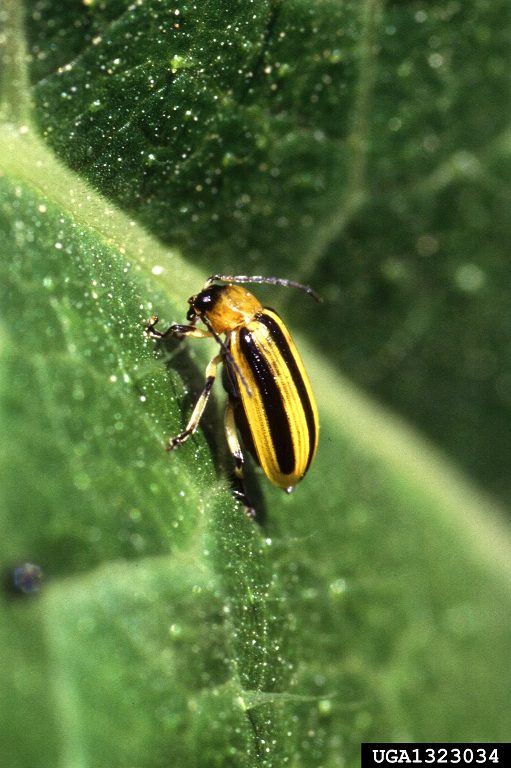
Figure 1. Striped cucumber beetle. (Photo credit: Scott Bauer, USDA Agricultural Research Service. Bugwood.org)
Feeding damage by soil insects is usually detected early in the season when plants are young and not fully established and can result in poor stands. Soil insects may also destroy seedlings as they begin to germinate. Feeding on young roots by soil insects such as white-fringed beetle grubs, white grubs (larvae of May beetles), wireworms, and cucumber beetle larvae reduces nutrient and water uptake, causing plants to wilt and die. Cutworms also feed on roots or cut young stems above the soil line. White grubs and wireworms are most abundant in “new land,” fields previously in the pasture, planted to a grass crop, or left fallow with large weed populations.
Treat soil insects based on field cropping history and the field’s potential for pest problems. A pre-planting soil insecticide application is recommended if summer squash is planted in an area that was previously pasture or infested with weeds. If cutworm damage is suspected, check the soil around the plants for dark caterpillars that roll into a C shape when disturbed. Control cutworms after planting using a recommended insecticide spray directed toward the base of the plants.
Cucumber Beetles
Spotted and striped cucumber beetles (figure 1) can attack young seedlings as soon as they emerge, preferring to feed on cotyledons and stems. The beetles pick up the bacteria from adjacent weeds and carry it into cucurbit fields. Infected plants exhibit wilting symptoms. Younger plants, before bloom, are most susceptible to the disease and die rapidly after infection. Older plants are not affected as adversely as younger ones.
The critical period for cucumber beetle control is within the first 2 to 3 weeks after plant emergence. Apply a recommended insecticide if beetles are detected on plants during this period, particularly if the field has a history of bacterial wilt disease. Alternatively, use row covers to protect plants from beetles from emergence to bloom. Weed control reduces the amount of bacterial wilt inoculum transmitted by beetles.
Squash Bug
Squash bugs cause damage with their piercing-sucking mouthparts. Adults emerge from overwintering sites in field debris, along field borders, or in nearby woods in the spring. The adults are about ½ to ¾ inch long and dark- to gray-brown in color. The tops of their bodies are flattened, with wings not completely covering the orange and brown edges of the abdomen. Eggs are laid in a mass, usually on the underside of the leaf, and turn metallic bronze within a few hours. Newly hatched squash bugs (nymphs) are wingless and pale green to white, with reddish-brown heads and legs (figure 2). Older nymphs are gray with black legs.
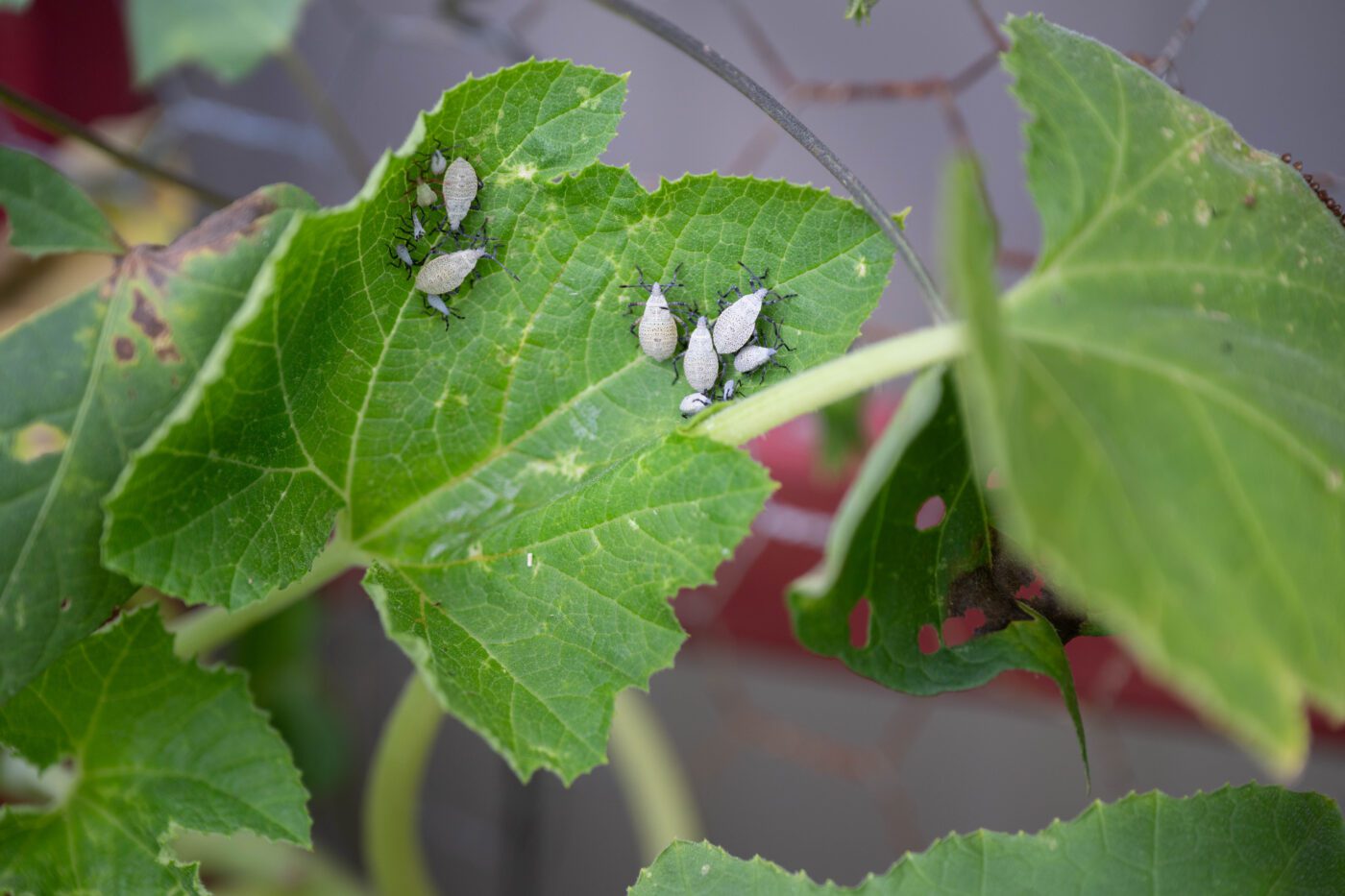
Figure 2. Squash bug nymphs.
Adults and nymphs suck sap from the plant. If feeding is severe, the leaves turn brown and die. Vines that are fed upon wilt from the point of attack to the end of the vine. Large populations of squash bugs can cause plants to wilt under hot, dry conditions. However, the plant can recover if squash bugs are controlled in time. Feeding may also occur on squash fruit, causing deformities. There are two critical periods for managing squash bugs, the seedling stage and the early flowering stage. Monitor newly planted squash fields for squash bug adults and wilting of plants. If wilting is observed, check the underside of leaves for squash bug adults or evidence of their feeding. An application of pyrethroid insecticide will control adults during this stage.
Once plants are established, monitor them at least once a week for adults and eggs. A foliar insecticide application is recommended if the average number of egg masses per plant before or after flowering exceeds 1 per plant. Time sprays kill small nymphs, more susceptible to insecticides than older nymphs and adults. Good spray coverage (at least 30 GPA by ground application) is important for effective insecticide control.
Removal and destruction (shredding and disking) of crop debris after harvest reduce overwintering squash bug populations. Hand destruction of adult squash bugs and egg masses is effective in home gardens. Place boards on the ground near squash plants to trap squash bugs. The bugs gather under the boards at night. Collect and destroy them the following day.
Pickleworm
Pickleworm is one of Alabama’s most damaging insect pests attacking squash and other cucurbits. It is a more severe pest in the southern counties of Alabama since it does not overwinter above northern Florida. Because pickleworm is a migratory species, greater infestations are found in later-planted cucurbits in central and north Alabama. Early plantings in these areas often escape damage. Pickleworm development is mainly restricted to cucurbit crops (squash, cucumber, zucchini, watermelons) and weeds in the cucurbit family.
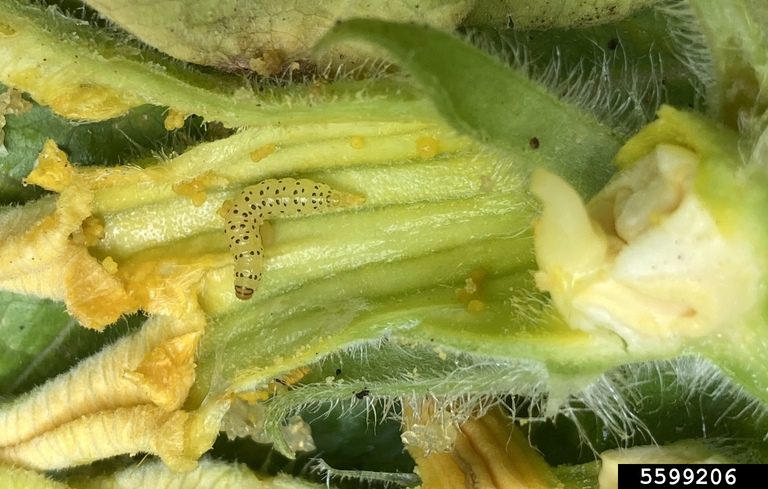
Figure 3. Pickleworm larva. (Photo credit: Brantlee Spakes Richter, University of Florida, Bugwood.org)
The pickleworm moth is small, and the body and wings are yellowish brown with a purplish sheen. The wings have a broad, light brown border. The tip of the abdomen contains dark, brush-like hairs waved in the air when the moth rests. Pickleworm moths fly primarily between dusk and early morning and are not usually seen in fields during the day. Female moths lay eggs on leaves and flower buds, leaves, stalks, and young fruit. Young pickleworm larvae are pale, yellowish green, with many black spots (figure 3). Older larvae are yellowish-green or coppery with no spots and a brown head (about ¾ inch long).
Newly hatched larvae can feed on leaves but prefer to move into protected areas like developing leaf and flower buds and stems. Young larvae may also create a “feeding chamber” by rolling up young leaf tissue or boring into stems. Later, mature larvae tunnel into vines and fruit. Pickleworms may reduce fruit set due to feeding on leaves and flowers. Feeding tunnels in fruit reduce quality and introduce secondary fungi and bacteria. Because of a low tolerance for fruit damage, particularly in the pickling cucumber industry, treatment thresholds are very low. However, because pickleworms do not overwinter to any great extent in Alabama, moths relocate to fields yearly. Therefore, insecticide controls may not be necessary during each season, particularly in early plantings.
Scouting for pickleworm larvae is the best method to determine whether insecticide sprays are needed. Scout at least once a week and begin when plants are still small before the flower buds form. Scouts can detect pickleworm larvae by opening the newly developing leaves and flower buds. This should be done in approximately 10 to 20 representative locations in each field. Examine the foliage on 12 to 18 feet of row at each location. A 10× hand lens will help detect small larvae. If larvae are detected, a labeled insecticide (such as Asana XL; 6 to 9 fl. oz/acre) is recommended at 7- to 10-day intervals, 7-day intervals for heavy infestations, and 10-day intervals for lighter infestations. Refer to the latest edition of the Southeastern U.S. Vegetable Crop Handbook available at https://www.aces.edu/blog/topics/vegetable-crops/southeastern-us-vegetable-crop-handbook/ for insecticide recommendations and harvest interval restrictions.
Scouting is important because it provides growers with knowledge about pickleworm presence and density that can be used to determine if insecticide sprays are needed. If scouting is not feasible, growers can decide not to treat and risk damage or apply insecticides and risk making unnecessary treatments.
If insecticide treatments are applied for pickleworm “prophylactically” without scouting, begin spraying when the first flower buds are present but before the flowers open. Studies in Alabama indicate that if pickleworm is present, delaying sprays until the open flowering stage will not protect the fruit from damage. This is likely because larvae may already be inside the leaf or flower bud tissue and protected from sprays when the flowers open.
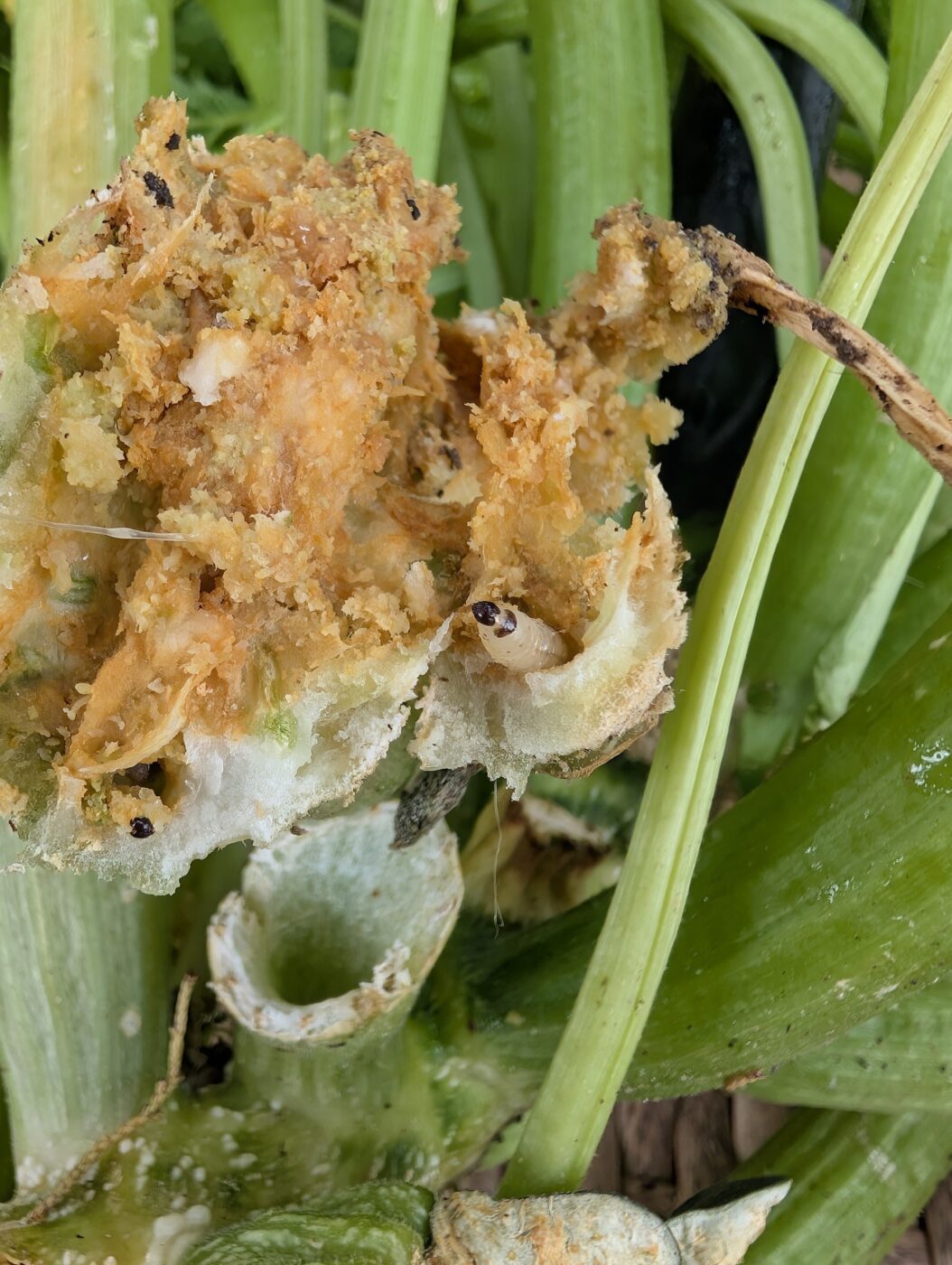
Figure 4. Squash vine borer and characteristic damage on fruit.
Squash Vine Borer
Squash vine borers are usually more of a problem on squash grown in home gardens than in large, commercial fields. There is typically no need for vine borer control in areas with no history of vine borer infestation. However, vine borer damage is usually not noticed until after the damage is done.
The adult vine borer is a “clear-wing” moth that resembles a wasp more than a moth. The body is reddish-white, with black bands on the abdomen. Females lay eggs at the base of the plant, and the emerging larvae enter the plant stems just above the soil line. Larvae feed inside the stem or vines, resulting in wilt and eventual death of occupied parts of the plant (figure 4). Infested stems can be identified by entry holes with piles of frass or excrement. Squash vine borers prefer squash varieties with large-diameter stems, such as Hubbard.
Monitor plants regularly for borer frass and entry holes in areas with a history of vine borer problems. If frass is found, split stems to check for the presence of young borers. If young larvae are detected, further infestation by hatching larvae may be reduced by two insecticide applications spaced 5 to 7 days apart. In-home gardens remove larvae by hand and place soil around the stem to facilitate new growth. Plantings in late summer or fall usually escape vine borer infestations.
Aphids
Aphids are small, soft-bodied insects, usually green or red, with piercing-sucking mouthparts. Developing aphid colonies are typically found on new growth or the underside of leaves. Infested leaves may be distorted or cupped in appearance. If numerous, aphids can cause direct damage to plants by their feeding or their production of honeydew (syrupy excrement) and accompanying “sooty mold” that may cover the fruit. However, the major crop damage results from the many plant viruses they can transmit.
Fortunately, aphids have many parasite and natural predator enemies that help keep populations in check. Applying insecticides that wipe out natural enemies may increase the number of aphids. Insecticides are ineffective in preventing aphid transmission of viruses because the virus is passed very quickly to the plant before the aphid is killed by contact with the insecticide.
Insecticides are recommended only to control aphids if they are present in sufficient numbers to cause direct damage to plants. An insecticide application is warranted if aphids are present on 10 to 20 percent or more of the leaves and their feeding is causing apparent stress on the plants.
Cultural or mechanical control methods are usually more effective than insecticides for aphid and virus management. Eliminating weeds in and around crop fields that may serve as alternate hosts for aphids and viruses will reduce the likelihood of their moving into the squash. Reflective mulch under squash repels aphids from young plants, delaying infection of aphid-transmitted viruses.
Virus effects on fruit yield and cosmetic quality are much less severe if infection occurs after plants have set fruit. Covering plants with row covers until bloom will protect young plants from aphids and virus infection. Late summer or fall squash plantings are more likely to experience severe virus problems than earlier plantings.
Spider Mites
Mites are not insects but are more closely related to spiders. They are tiny, about 1⁄25 to 1⁄50 inch long and are either red or whitish-yellow with black spots on either side. They feed by sucking sap from plants and are almost always located on the underside of leaves. They are easily seen with a hand lens, along with the round, yellow eggs and webbing that they produce.
The first sign of feeding is the appearance of light-colored specks on the upper leaf surface. Leaves turn yellow, then bronze, and eventually brown and dry up. Once mite populations become large with extensive amounts of webbing and plant damage, they are nearly impossible to control. Hot, dry conditions favor mite development. Mites, lifted by wind currents, “float” onto plants using their silk as a parachute.
Mite infestations usually begin on field borders. Check field borders regularly, particularly during hot, dry weather. Plants covered with dust raised by vehicular traffic are also more prone to severe mite infestations. If mites are found along a field border, examine the interior of the field to see how far the infestations have spread. If only the border is affected and conditions favor mite development, spot-treat the border about 100 feet beyond the infestation with a recommended miticide.
Some insecticides, particularly carbamate and pyrethroid, can worsen mite problems by destroying natural enemies. Insecticidal soap effectively controls soft-bodied pests such as aphids and mites without destroying natural enemies.
Cucurbit Diseases, Nematodes & Their Control
Downy Mildew
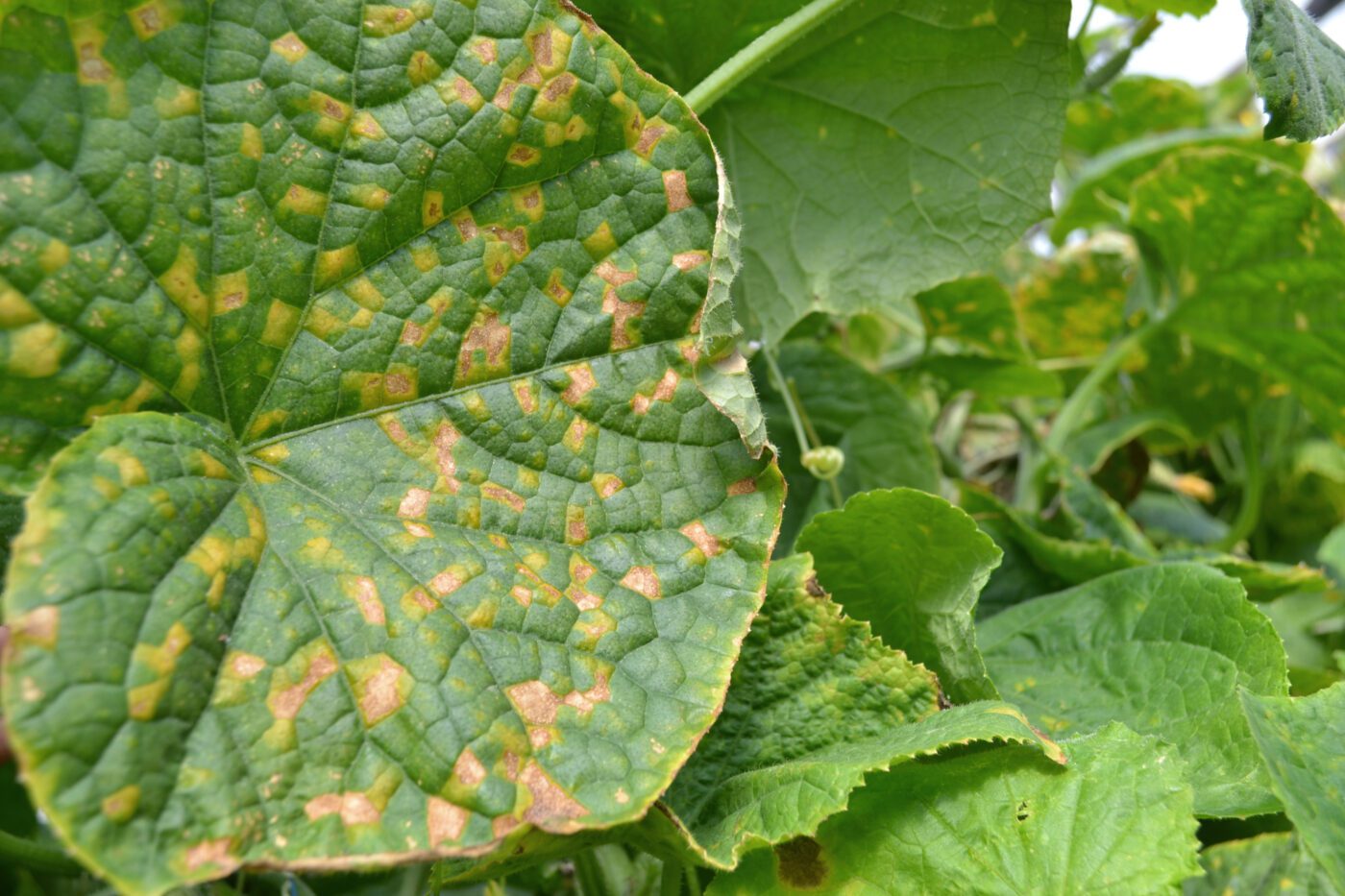
Figure 5. Leaves affected by downy mildew.
Downy mildew, caused by the fungus Pseudoperonospora cubensis, attacks most cucurbits grown in Alabama. The disease can be confused with symptoms of powdery mildew on squash. However, the two diseases are favored by far different weather conditions.
The first symptom of downy mildew is the appearance of pale green areas on the upper leaf surface, which may be confused with symptoms of a mosaic-type virus. These areas eventually become angular (limited by leaf veins) and develop yellow to tannish-brown spots (figure 5). The corresponding lower leaf surface may show a white to grayish-purple mold. Spots may enlarge rapidly and merge with blighting leaves, causing them to wither and die. Dead leaves often remain erect while the edges of leaf blades curl inward. Downy mildew first infects the older crown leaves, usually about the time of fruit set. Severe infections result in defoliation, stunted plants, and poor fruit development. Symptoms of downy mildew do not occur on squash fruit.
The fungus survives season to season in contact with a cucurbit host. Also, air currents can carry spores of the fungus long distances. The spread of the disease within a field is usually by wind, rain, insects, or contact with field workers or tools. The disease develops rapidly in moderate to warm temperatures (between 61 and 72 degrees F), providing moisture on the leaves. Fog, dew, frequent rains, and high relative humidity create conditions conducive to disease development. Extended periods of hot, dry weather reduce the severity and spread of the disease.
Downy mildew management relies on growers using practices that reduce leaf wetness and lower relative humidity within the plant canopy. Choose planting sites with all-day sun, good soil drainage, and free air movement. Increase row spacings to avoid dense plant canopies and avoid overhead irrigation. Maintain adequate, but not excessive, nitrogen levels to help reduce damage from downy mildew.
A fungicide program is usually necessary to control downy mildew when favorable weather conditions persist. When using a fungicide, getting good coverage on the lower leaf surfaces is important, since infections commonly occur on the underside of leaves. Growers should refer to the latest Southeast U.S. Vegetable Crop Handbook edition available at https://www. aces.edu/blog/topics/vegetable-crops/southeastern-us-vegetable-crop-handbook/ for information on fungicides recommended for this disease. Follow the manufacturer’s label directions and restrictions when using any pesticide.
Powdery Mildew
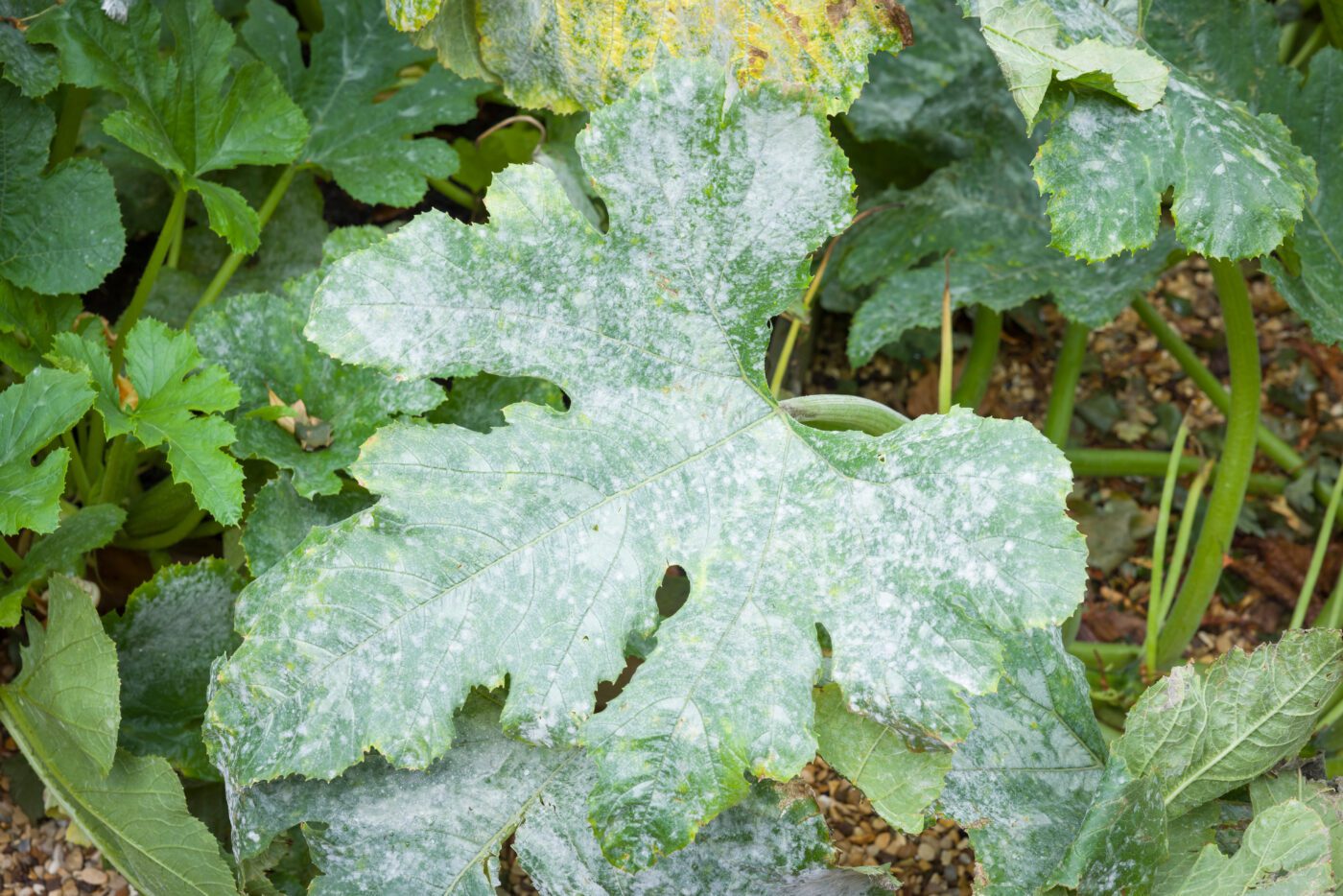
Figure 6. Powdery mildew on squash leaves.
Powdery mildew, caused primarily by the fungus Erysiphe cichoracearum, may attack all cucurbit crops. The strain of powdery mildew that attacks cucurbits does not attack other crops. When poorly managed, the disease can significantly reduce yields by reducing the number and size of fruit and the time at which a crop can be harvested. Powdery mildew is a common problem on summer squash in Alabama.
Powdery mildew first appears as pale-yellow spots on stems, petioles, and leaves. These spots expand, merge, and become covered with a superficial, powdery, white-to-gray fungal growth (figure 6). This white growth may also appear on the lower leaf surface. Mature, fruit-bearing plants are usually affected first, with the older, shaded leaves most susceptible. Severely infected leaves gradually turn yellow, then wither and die, becoming brown and papery. Early defoliation results in poor-quality fruit. Fruit may be malformed, sunburned, and ripen prematurely, resulting in poor flavor and texture. Under favorable conditions, an entire field may appear white from mildew within a week. The pathogen commonly overwinters in weeds. Air currents can carry spores of the fungus long distances, and insects and farm machinery can also help spread the disease within a field. Infection can occur when the leaves are dry, although high humidity (50 to 90 percent) is necessary for infection. Disease development is favored by excessive plant growth, moderate to high temperatures, low light intensity, and dews.
Management of powdery mildew relies on using resistant varieties and applying fungicides in a timely manner. A few summer squash varieties with resistance to powdery mildew are available. Consult current seed catalogs and trade publications for varietal availability. Weed control and good sanitation practices will help control powdery mildew. Crop rotation has no beneficial effect on managing this disease.
A fungicide program is usually necessary to control powdery mildew when favorable weather conditions persist, and varieties susceptible to the disease are present. When using a fungicide, getting good coverage on the lower leaf surfaces is important since infections commonly occur on the underside of leaves. Growers should refer to the latest edition of the Southeast U.S. Vegetable Crop Handbook for information on fungicides recommended for this disease. The Handbook is updated annually and can be found at https://www.aces.edu/blog/topics/vegetable-crops/southeastern-us-vegetable-crop-handbook/. Follow the manufacturer’s label directions and restrictions when using any pesticide.
Choanephora Wet Rot
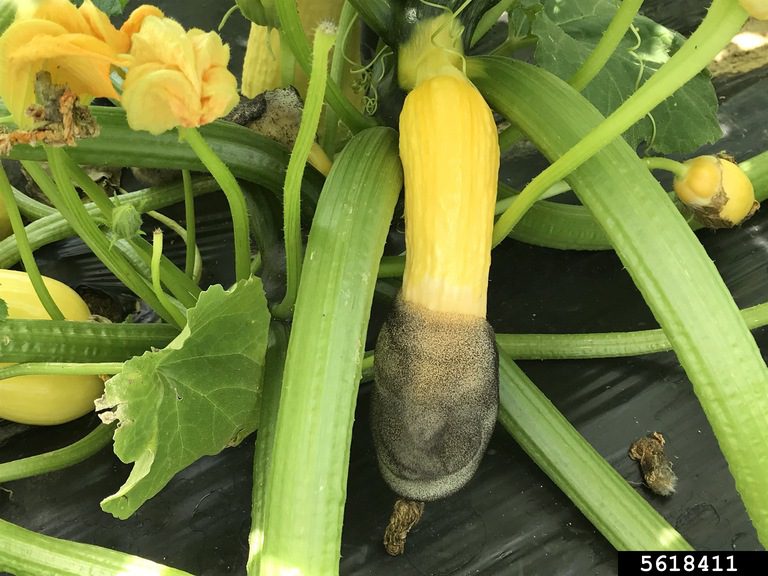
Figure 7. Choanephora wet rot on squash. (Photo credit: Rebecca A. Melanson, Bugwood.org)
Wet rot, caused by the fungus Choanephora cucurbitarum, is a fruit rot of summer squash. Fruits rot rapidly, and a white fungal mold appears on the infected area. Symptoms usually begin on the blossom end of the fruit. Over time, the fruit resembles a pincushion (figure 7). Initially, the heads are white to brown but turn purplish-black within a few days. Affected flowers, pedicels, and immature fruit become water soaked, and a soft, wet rot develops. An entire fruit can rot in 1 or 2 days.
The fungus overwinters as a saprophyte (living on dead plant tissue) and in a dormant spore form (such as a chlamydospore or zygospore). In spring, fungal spores are spread to squash flowers by wind and insects, such as bees and cucumber beetles. Infection occurs through the blossom into the fruit and stem. The development of wet rot is favored by high relative humidity and excessive rainfall.
Fungicides are not effective at managing this disease. Drip irrigation and a mulching program that reduces rain splash may facilitate the development and spread of the pathogen during dry periods. Removing symptomatic fruit and disposing of it from the field will minimize disease inoculum but may be impractical with larger plantings.
Mosaic Viruses
Many viruses attack cucurbits in Alabama. Three viruses found commonly in squash are cucumber mosaic virus (CMV), squash mosaic virus (SqMV), and watermelon mosaic virus (WMV). These viruses differ in their host range, method of transmission, and how they overwinter. Symptoms produced by these viruses are similar, making field identification impossible. Special laboratory testing is required for identification.
CMV attacks more than 40 plant families worldwide, including all vine crops. Strains of CMV differ in their host range, symptoms, and method of transmission. Cucurbits are susceptible at any stage of growth. When plants become infected in the six- to eight-leaf stage, symptoms first appear on the youngest, still-expanding leaves. A mosaic pattern develops (healthy dark green leaf tissue intermingled with light green and yellow tissue). Leaves are often distorted, crinkled, curled, and stunted. Vines may appear bushy due to the shortening of the internodes. In severe cases, older leaves may die. Typical mosaic symptoms develop only on actively growing leaves. When a plant becomes infected mid-season, previous growth remains normal and produces healthy fruit. Few fruits are set on plants infected early in the growing season. Fruit that does set is often of poor quality and may be mottled green and yellow or have dark green warts. CMV survives in close to 800 plant species, including many weeds found in Alabama. These weeds often act as reservoir hosts, allowing the virus to overwinter near production fields. CMV is spread and transmitted by more than 60 aphid species.
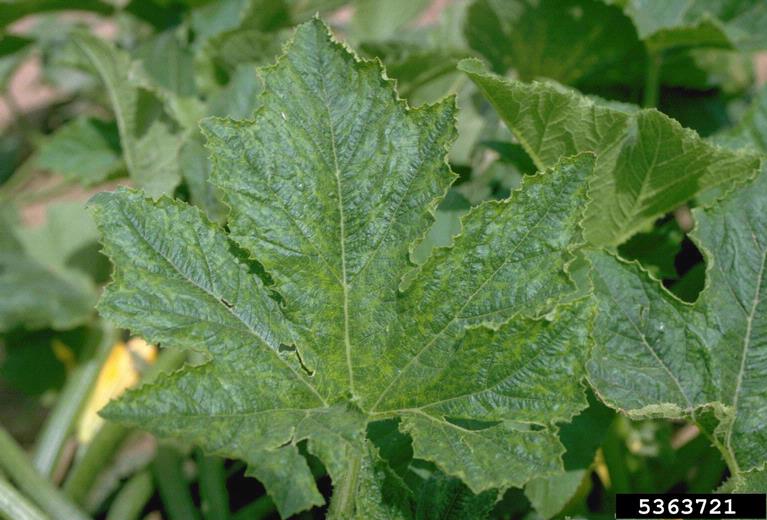
Figure 8. Distorted squash leaf infected with a mosaic-type virus. (Photo credit: Howard F. Schwartz, Colorado State University, Bugwood.org)
SqMV affects most cucurbits but is rarely a problem in watermelons. Initial symptoms on squash include yellow spotting of the younger leaves. Infected leaves cup upward and develop a light-to-dark green mosaic pattern. Squash leaves may become distorted (figure 8), and fruit is often malformed with raised, dome-like swellings. SqMV overwinters in weeds, seeds, and cucumber beetles. Cucumber beetles are efficient vectors of SqMV, spreading the virus during feeding.
Watermelon mosaic virus (WMV) affects all cucurbits and a few other plants, including English peas and alfalfa. Symptoms vary depending on the host and plant age at the time of infection. Symptoms on most cucurbits may include stunting, leaf malformation, yellowing or light green mottling, and marginal chlorosis. Plants that are infected when they are young produce few marketable fruits. Fruit may be dwarfed, mottled, or spotted. WMV overwinters in seed or infected weeds. In spring, the virus is spread by many aphid species. Later in the growing season, plantings are at greater risk of damage as disease incidence and aphid populations increase.
CMV, SqMV, and WMV squash management begins with eradicating biennial and perennial weeds and wild reservoir hosts in and around gardens and fields. If possible, plant certified virus-free seed and plant resistant varieties. Isolate later plantings as far away as possible from earlier plantings, especially if virus incidence was high in early plantings. Applications of insecticides to prevent the buildup of large aphid and cucumber beetle populations and other insects may reduce virus incidence and spread but will not completely control these diseases. Removing infected plants when symptoms first appear may reduce or delay the spread of the virus, though this may be impractical with larger operations. Reflective plastic mulches and row covers may also reduce damage from insect-transmitted viral diseases.
Root-Knot Nematodes
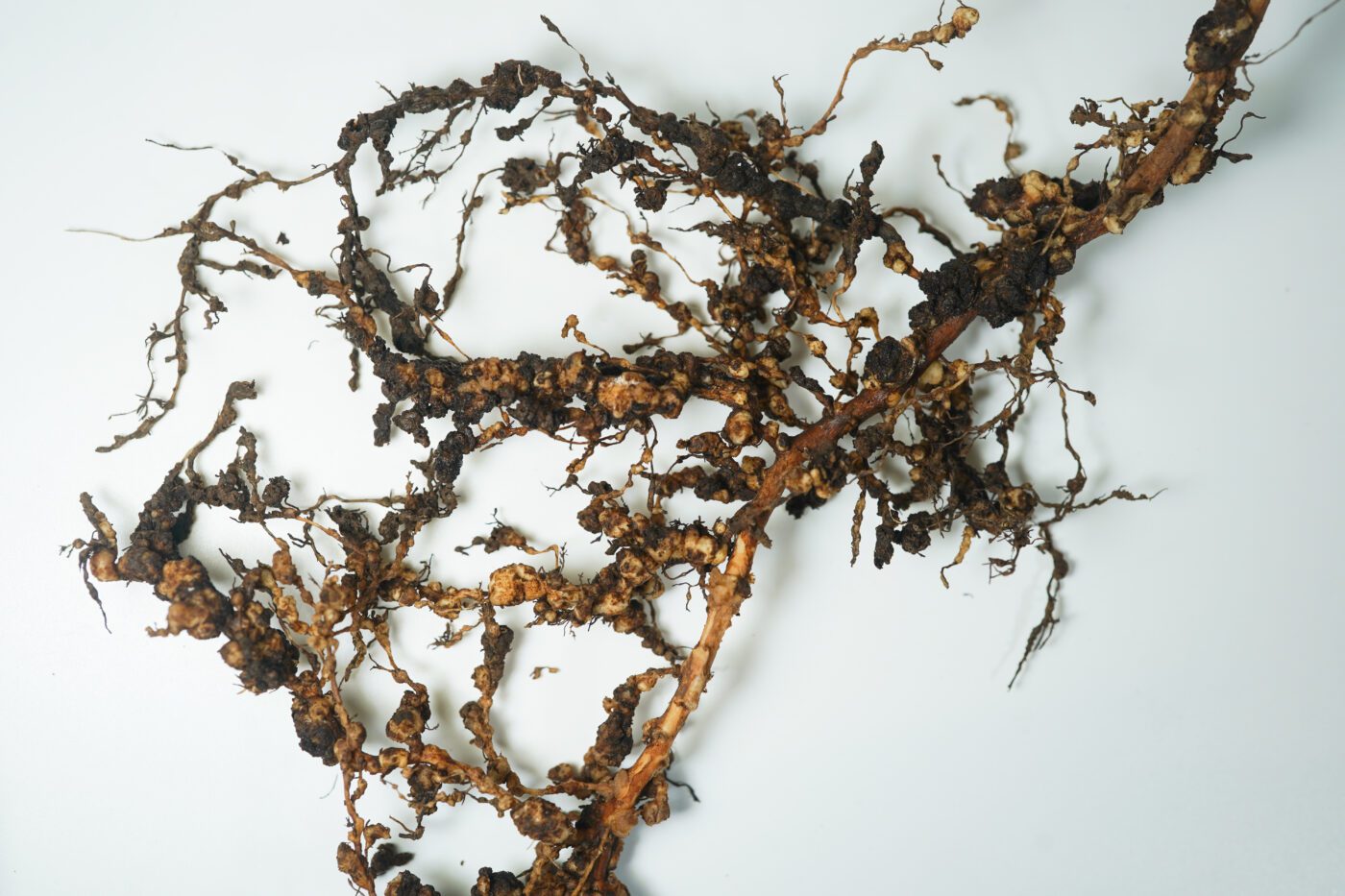
Figure 9. Root-knot disease caused by nematodes.
Root-knot nematodes (RKN), Meloidogyne spp., can attack all cucurbits and more than 2,000 other plant species. Nearly 40 species of Meloidogyne have been described worldwide. RKN feeds on roots and disrupts the root system’s normal flow of water and nutrients to aboveground plant parts. When RKN populations are high, plants are often stunted and may wilt during dry conditions or the hottest part of the day. Plants may also show nutrient deficiency symptoms, and yield will be reduced at the end of the season. Aboveground symptoms in a field usually occur in patches or streaks as infestations radiate out from the initial invasion site. RKN is easily detected by examining the roots of symptomatic plants. The nematodes cause knots or galls to develop on large and small roots (figure 9). Knots range in size from the head of a pin to 1 inch in diameter. Root-knot nematodes have a broad host range, including summer squash, many other cultivated crops, and many weed species. The nematodes survive in the soil yearly and become active as soil temperatures increase in the spring.
Avoid areas with a history of RKN. Collect soil samples from fields in the fall before planting in a particular area and have the samples tested for nematodes by a qualified lab. If RKN is present, avoid planting in this area. Crop rotation with grasses or nematode-suppressive crops, combined with clean fallowing during the off-season, may help reduce nematode populations. Soil fumigation effectively reduces damaging population levels temporarily (one growing season) but can be expensive and requires a certified applicator. Soil solarization can temporarily reduce nematode populations when weather conditions are favorable for its use. Please see the latest Southeast U.S. Vegetable Crop Handbook edition for information on nematode control in vegetable crops. The handbook is updated annually and can be found at https://www. aces.edu/blog/topics/vegetable-crops/southeastern-us-vegetable-crop-handbook/.
Harvesting
Pick summer squash when they are shiny, young, and tender (as immature fruit). Yellow squash and zucchini fruits are commonly classified in Fancy and Medium sizes. Fancy fruits are smaller than 6″ (about 0.25 pounds), while Medium fruits range from 6 to 10″ (about 0.5 pounds). Fruits larger than 10” are commonly considered unmarketable. Therefore, every-other-day harvesting is required to ensure a potentially marketable yield from these crops. In addition, extra care to prevent cuts and bruises on fruit is important. It is best to cut fruit from the plant rather than pull or twist it. The skin of young squash fruit can be easily damaged.
Harvest any planting for about 4 to 6 weeks, then start harvesting from another planting, as quality decreases as plantings age. This will ensure that the harvested fruit is of high quality.
Storage
Summer squash is quite perishable, as its skin is tender and easily wounded in handling. Usually, fruit is not stored except for normal marketing delays, such as holidays and weekends. Fruit can be held for 2 to 3 days at 41 degrees F or below with no real damage. Avoid prolonged storage, as summer squash is chilling sensitive (damaged by exposure to low temperatures). Holding summer squash for more than 4 days at 32 degrees F will cause chilling damage (surface browning, pitting) and rapid fruit deterioration. The recommended storage temperature range is 41 to 50 degrees F at 95 percent relative humidity. The storage life is only 1 to 2 weeks.
Food Safety
On-farm food safety involves several practices to minimize the risk of contamination and ensure produce safety, including summer squash. One important aspect is the implementation of good agricultural practices (GAPs), which include measures such as proper irrigation and water management for microbial quality, soil management, and the use of approved pesticides and fertilizers. It is important to manage wildlife and domestic animals that may come into contact with fresh produce and monitor for potential sources of contamination, such as nearby animal operations. It is also important to properly handle and store summer squash after harvesting, including proper washing and packing, to minimize the risk of contamination during transport and storage. Implementing food safety training programs for workers is essential to ensure that they understand the risks associated with foodborne illness and are trained on proper hygiene and sanitation practices to prevent cross-contamination. By implementing these practices, farmers can help to promote the safe production of summer squash and minimize the risk of foodborne illness.

Andre da Silva, Extension Specialist, Associate Professor, Commercial Horticulture; Camila Rodrigues, Extension Specialist, Assistant Professor, Commercial Horticulture; Jessica Santos Pizzo, Postdoctoral Fellow, Horticulture; Paulo Cremonez, Extension Specialist, Assistant Professor, Entomology and Plant Pathology; Edward Sikora, Extension Specialist, Professor, Entomology and Plant Pathology; and Steve Li, Associate Professor, Crop, Soil, and Environmental Sciences, all with Auburn University
New September 2026, Alabama Commercial Summer Squash Production Guide, ANR-3288
For more information, contact your county Extension office. Visit aces.edu/directory.
Trade and brand names used in this publication are given for information purposes only. No guarantee, endorsement, or discrimination among comparable products is intended or implied by the Alabama Cooperative Extension System.