
Crop Production

Supporting Alabama’s Green Industry
Project Leader: Jeremy Pickens
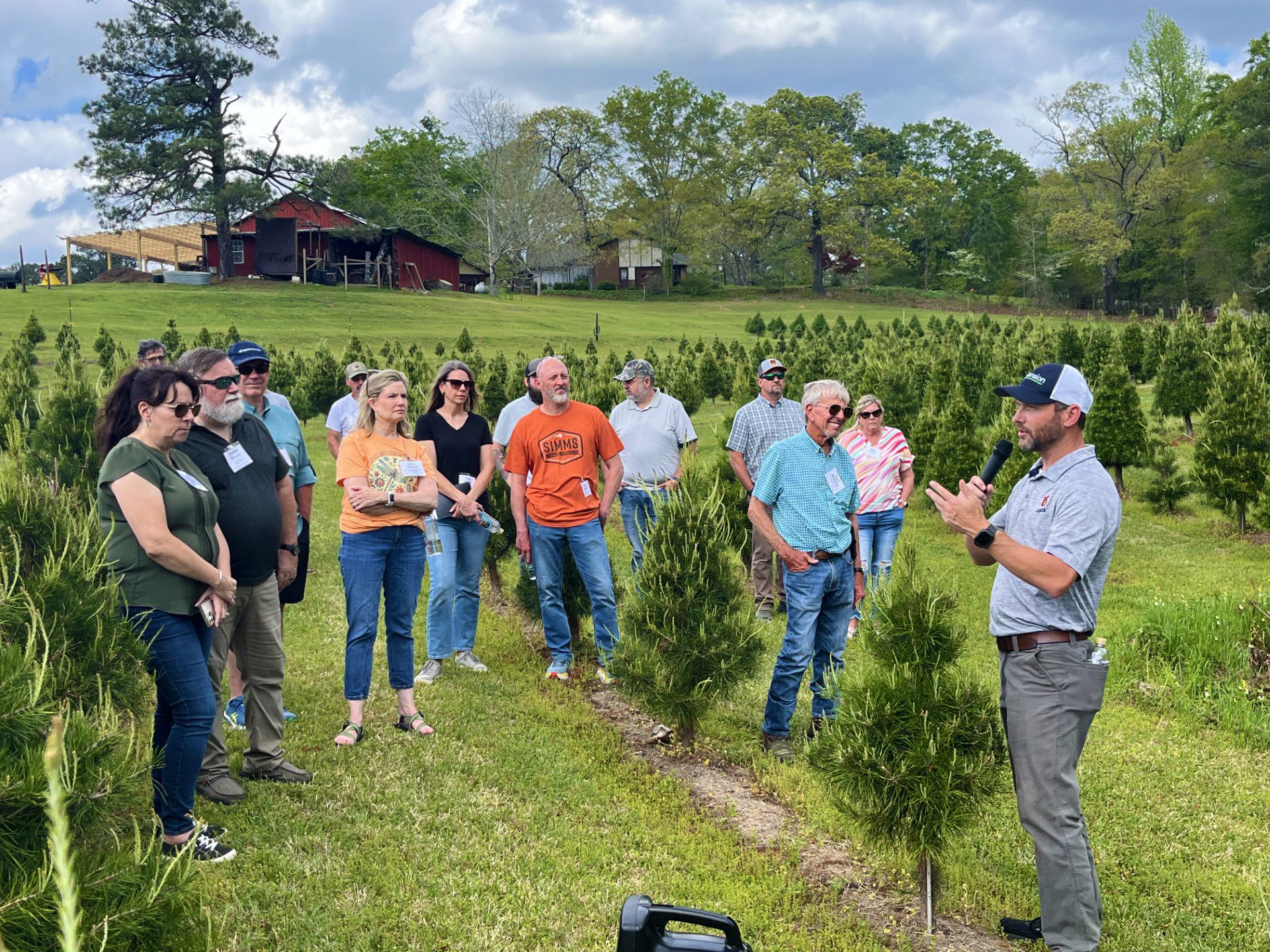
Figure 1. Jeremy Pickens speaks to a group of participants at a Christmas Tree Growers Workshop in central Alabama.
Background: Alabama’s Green Industry contributes more than $1 billion annually to the state’s economy and includes landscaping, nursery and greenhouse
production, sod farms, cut flowers, and Christmas trees. These industries face growing challenges related to input costs, pest management, nutrient management, and environmental stewardship. Extension programming supports this sector by delivering research-based education, certification training, and technical assistance to help businesses improve efficiency, regulatory compliance, and the adoption of best management practices.
Outputs and Outcomes: In 2025, 1,417 Green Industry professionals participated in 40 Extension training events addressing pest management, nutrient management, and industry certification requirements. A series of 14 commercial pesticide applicator exam review workshops prepared 119 participants seeking licensure in Ornamental and Turf Pest Services and Setting of Landscape Plants, increasing their readiness to pass certification exams required for employment and business operation.
Extension also partnered with the Alabama Turfgrass Association to deliver the Turf Road Show at four locations statewide, providing continuing education credits and training to approximately 400 golf course superintendents, landscapers, municipal employees, and school athletic field managers.
To expand access to training, Extension collaborated with the Alabama Nursery and Landscape Association to host a six-part webinar series that reached 100 live participants and was viewed 329 times online. Nearly 200 individuals also earned continuing education units through a two-part online greenhouse operations workshop, extending training opportunities into agricultural education classrooms. Hands-on training was further provided to 70 new and prospective growers through a Christmas tree production workshop conducted with the Southern Christmas Tree Growers Association.
These educational programs helped Green Industry professionals maintain required certifications, improve pest and nutrient management decisions, and adopt more sustainable production practices. By increasing access to training and professional development, Extension programming strengthened workforce readiness and supported the long-term sustainability of Alabama’s Green Industry.
Sustainable Crops Educational Programs: Diagnostic Services
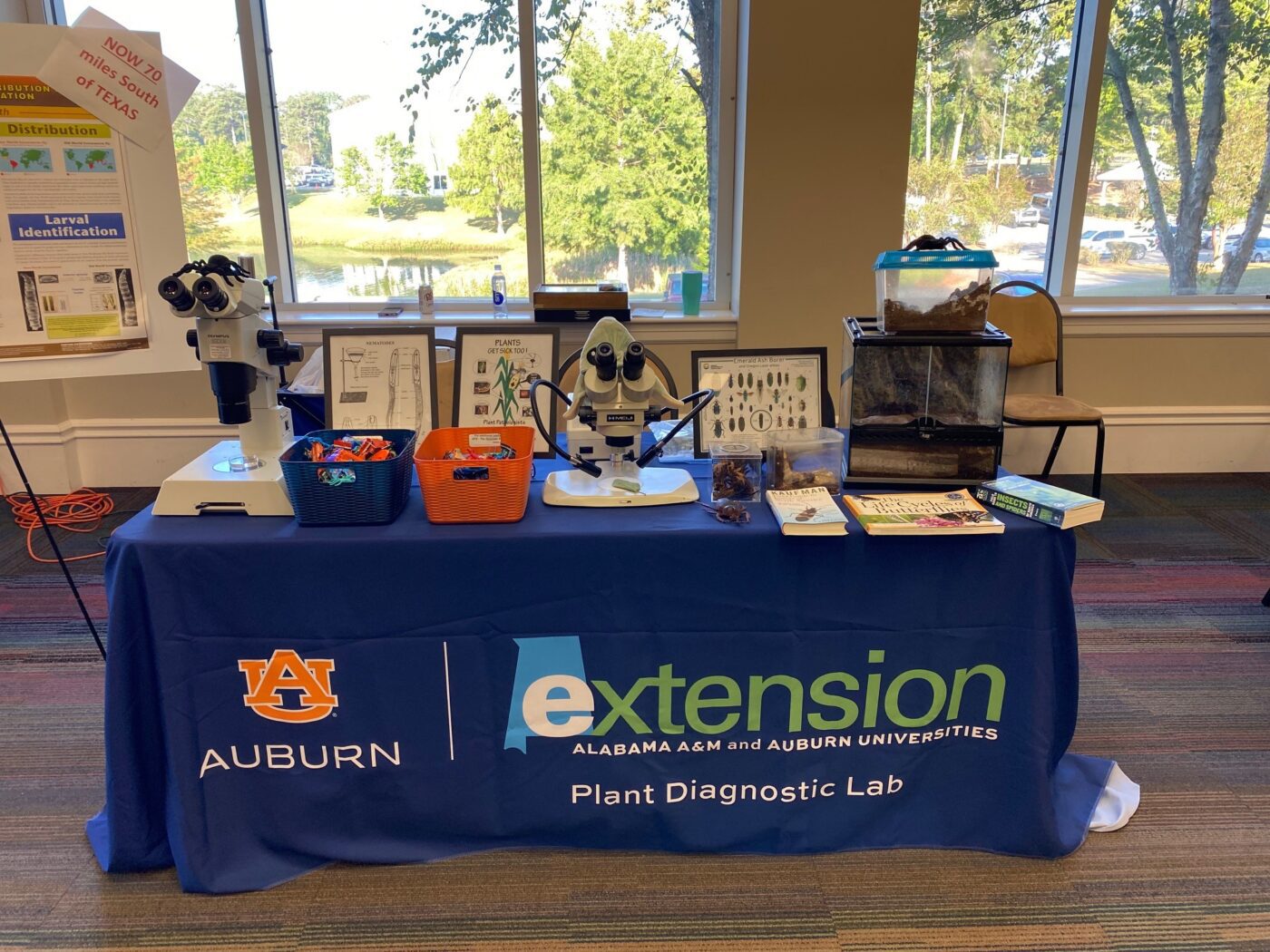
Figure 2. An educational display identifies some of the Auburn University Plant Diagnostics Laboratory services.
Project Leader: Kassie Conner
Background: Accurate pest and disease identification is the foundation of effective integrated pest management (IPM). The Auburn University Plant Diagnostic Laboratory provides unbiased diagnostic services and science-based management recommendations to growers, Extension personnel, and landowners across Alabama, helping protect the health and productivity of agricultural crops and natural ecosystems.
Outputs and Outcomes: In 2025, the diagnostic laboratory processed 6,471 plant, nematode, insect, and survey samples submitted by growers and Extension personnel statewide. Of these, 1,936 were routine diagnostic samples including 945 plant samples, 823 nematode samples, and 168 insect samples, while 4,535 samples were processed as part of regulatory or survey programs.
Laboratory diagnostics and field consultations allowed specialists to identify the root causes of plant health issues including insect infestations, plant diseases, weather-related damage, and management practices such as improper fertilization or pesticide use. Once identified, Extension specialists provided targeted IPM recommendations to correct current problems and prevent future outbreaks.
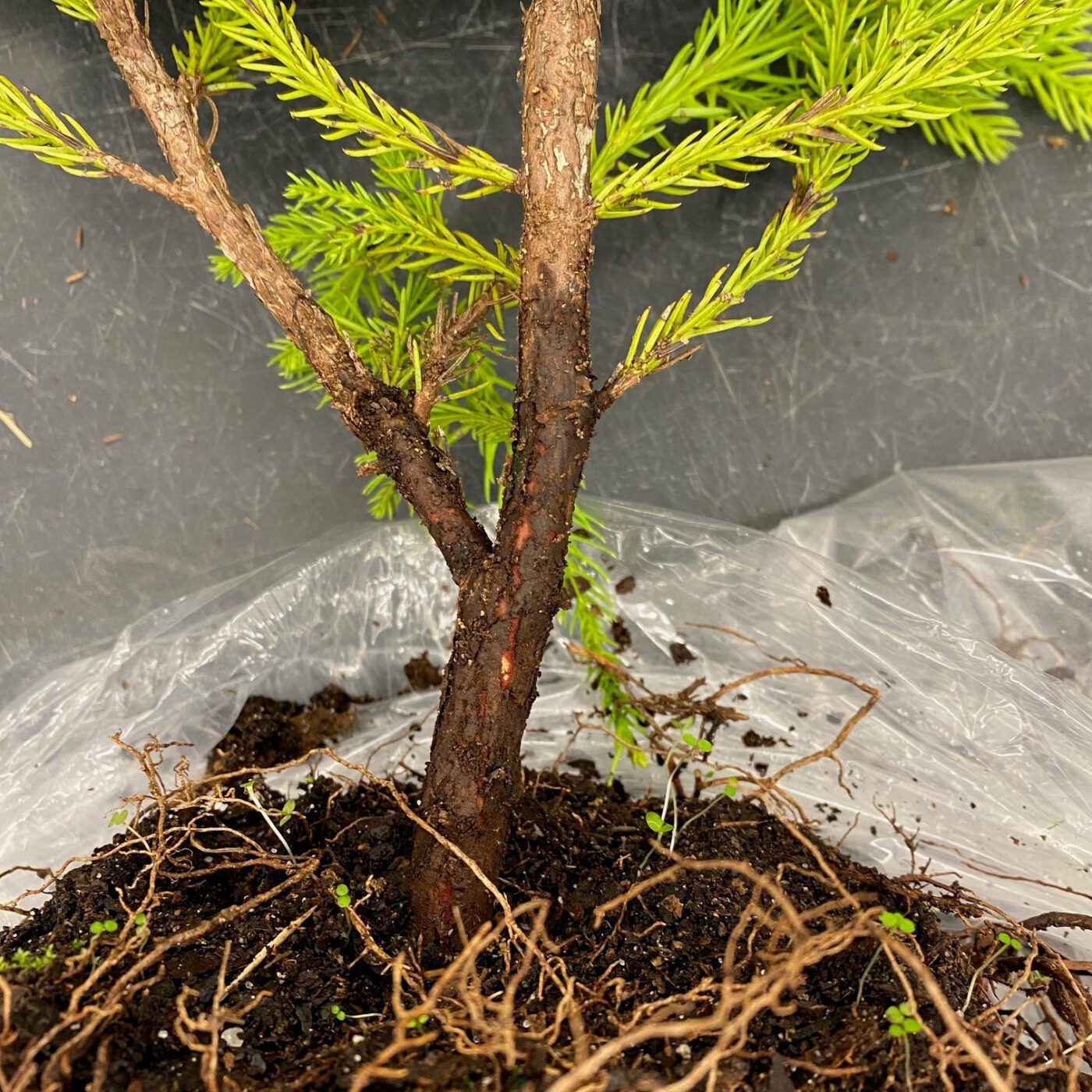
Figure 3. Rhizoctonia crown and root rot of Cryptomeria.
Impact surveys conducted with laboratory clients demonstrated significant economic benefits. Respondents reported average savings of $621 per diagnostic sample after implementing recommended management strategies.
When applied across routine samples processed in 2025, these recommendations generated an estimated $1.2 million in savings for Alabama clientele. Additionally, 95 percent of surveyed clients indicated that they adopted or planned to adopt the IPM recommendations provided through the diagnostic process.
The laboratory also contributed to statewide plant health monitoring and research by issuing three pest alerts; publishing three Extension articles, seven peer-reviewed journal articles, and four conference proceedings; and delivering nine educational presentations on plant disease identification and management. Diagnostic specialists identified seven first reports of plant diseases in Alabama and served on nine regulatory action committees in partnership with the Alabama Department of Agriculture and Industries.
The lab maintains USDA certification to test for four regulated pathogens and participates in the National Clean Plant Network, helping provide Alabama citrus growers with disease-free budwood. These efforts protect Alabama agriculture from emerging plant health threats while supporting sustainable pest management across the state.
Fruit, Vegetable & Nut Management
Project Leader: Andre da Silva
Background: Alabama’s specialty crop producers face increasing challenges from insect pests, plant diseases, climate variability, and rising input costs. Rapid changes in pest pressure, production technologies, and crop varieties require timely access to research-based information to support profitable and sustainable farm management decisions.
Outputs and Outcomes: The Fruit, Vegetable, and Nut Management program delivered 48 in-person educational events in 2025, reaching 1,674 participants through workshops, field demonstrations, and classroom training. These programs provided hands-on instruction in integrated pest management, cultivar selection, and production practices for fruits, vegetables, and tree nuts.
To extend program reach beyond in-person programming, Extension specialists produced twenty-one Extension publications, 19 magazine and blog articles, 12 webinars, and 9 educational videos, making research-based guidance accessible statewide and on demand.
Extension also collaborated with the Alabama Fruit and Vegetable Growers Association to organize the AFVGA Annual Conference. This three-day educational event brought together more than 250 growers, industry representatives, and agricultural stakeholders to exchange knowledge and discuss emerging issues affecting specialty crop production.
These educational efforts strengthened the technical capacity of both internal and external stakeholders. Extension agents, faculty, and graduate students gained access to updated training materials and professional development opportunities, while growers received practical guidance that improved pest management decision-making, reduced production risks, and supported more profitable, environmentally responsible specialty crop operations.
By promoting resilient production systems and responsible resource management, this program contributes to the economic, environmental, and social sustainability of Alabama’s specialty crop industry while supporting stronger local food systems.
-
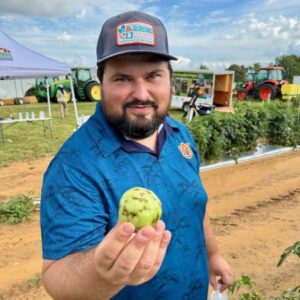
- Figure 4. Paulo Cremonez with a tomato infected by tomato spotted wilt virus.
-
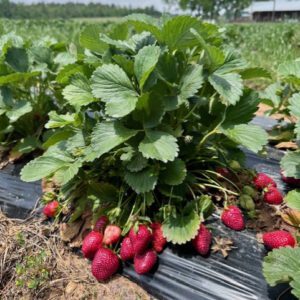
- Figure 5. Strawberry production is a key component of Alabama’s horticulture industry, contributing significantly to farm income and local food systems.
-
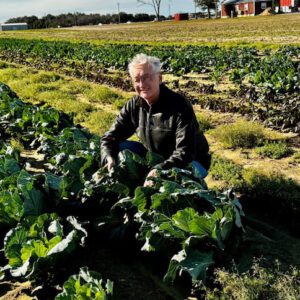
- Figure 6. Ed Sikora scouts a field of cabbage for disease infestation. Regular scouting for pests is an extremely important aspect of IPM.
Operation Grow for Beginning Veteran Farmers
Project Leader: Jesse Teel
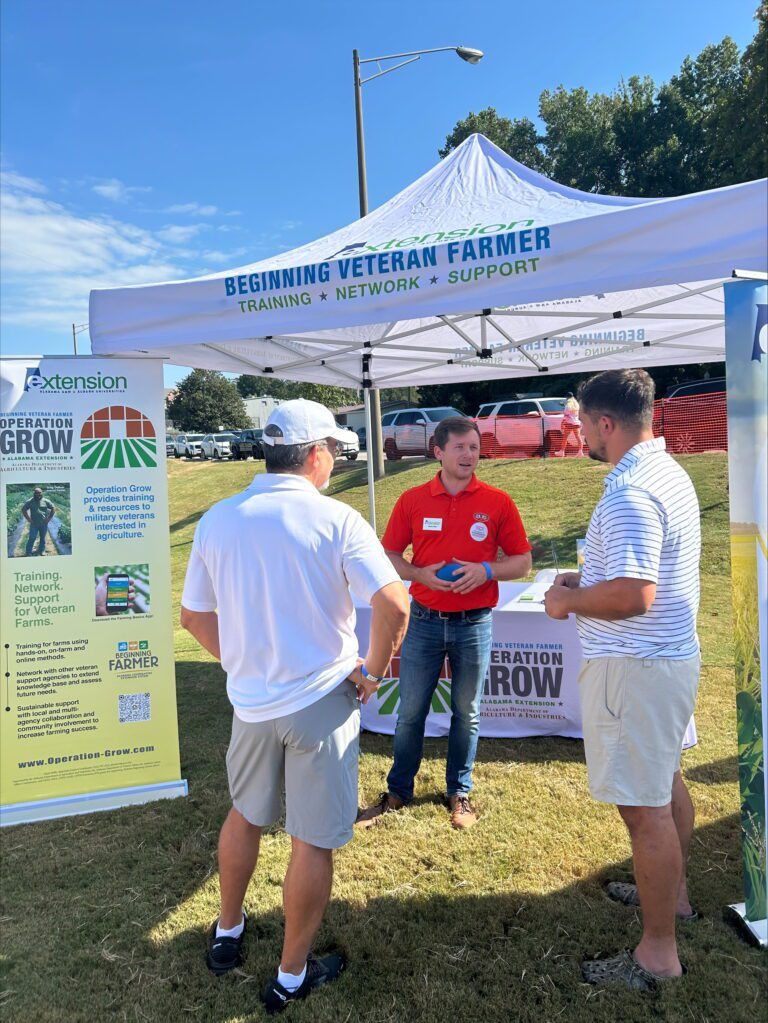
Figure 7. Jesse Teel discusses farming issues with individuals interested in Operation Grow.
Background: Operation Grow is a statewide Extension program designed to help military veterans transition into agriculture by reducing barriers to entry and providing access to training, resources, and support networks. Veteran farmers often face challenges related to land access, equipment costs, business planning, and navigating agricultural support systems. Operation Grow addresses these needs through a three-pillar approach focused on training, networking, and sustainable support.
Outputs and Outcomes: Operation Grow is implemented through collaboration among Alabama Extension, the Alabama Department of Agriculture and Industries, the Alabama Department of Veterans Affairs, and multiple nonprofit and federal partners. In 2025, program efforts focused on strengthening internal program systems, expanding training resources, and improving statewide coordination among Extension personnel.
Educational resources were expanded through the development of instructional videos addressing commercial horticulture and beginning farmer topics. Outreach presentations were delivered at agricultural conferences, Extension meetings, and veteran-focused events, including the Sunbelt Ag Expo, where the program reached an estimated 600 individuals.
A major milestone during the year was the launch of the Operation Grow Help (OG-HELP) Equipment Loan Program, which helps veteran farmers overcome equipment access barriers. Two equipment rentals were completed during the reporting period, providing direct support for farm production activities. Program staff also trained county Extension directors and agents on intake procedures, participant tracking, and referral processes to improve statewide service delivery.
From 2023–2025, 298 veterans enrolled in Operation Grow, including 51 active participants or peer mentors and 47 veterans currently operating farms. Participants received direct outreach and support to assess training needs and connect them with appropriate resources. Ten veterans also completed the Operation Grow Bootcamp training program.
Through training, mentorship, and partnerships with organizations such as the Alabama Sustainable Agriculture Network, Sweet Grown Alabama, and the Alabama Veterans Business Alliance, Operation Grow is helping veterans build agricultural skills, access critical resources, and develop viable farm enterprises across Alabama.
David Lawrence, Extension Agent, Commercial Horticulture Coordinator, Auburn University
New April 2026, Commercial Horticulture: Outcomes & Impacts 2025, ANR-3248