
Crop Production

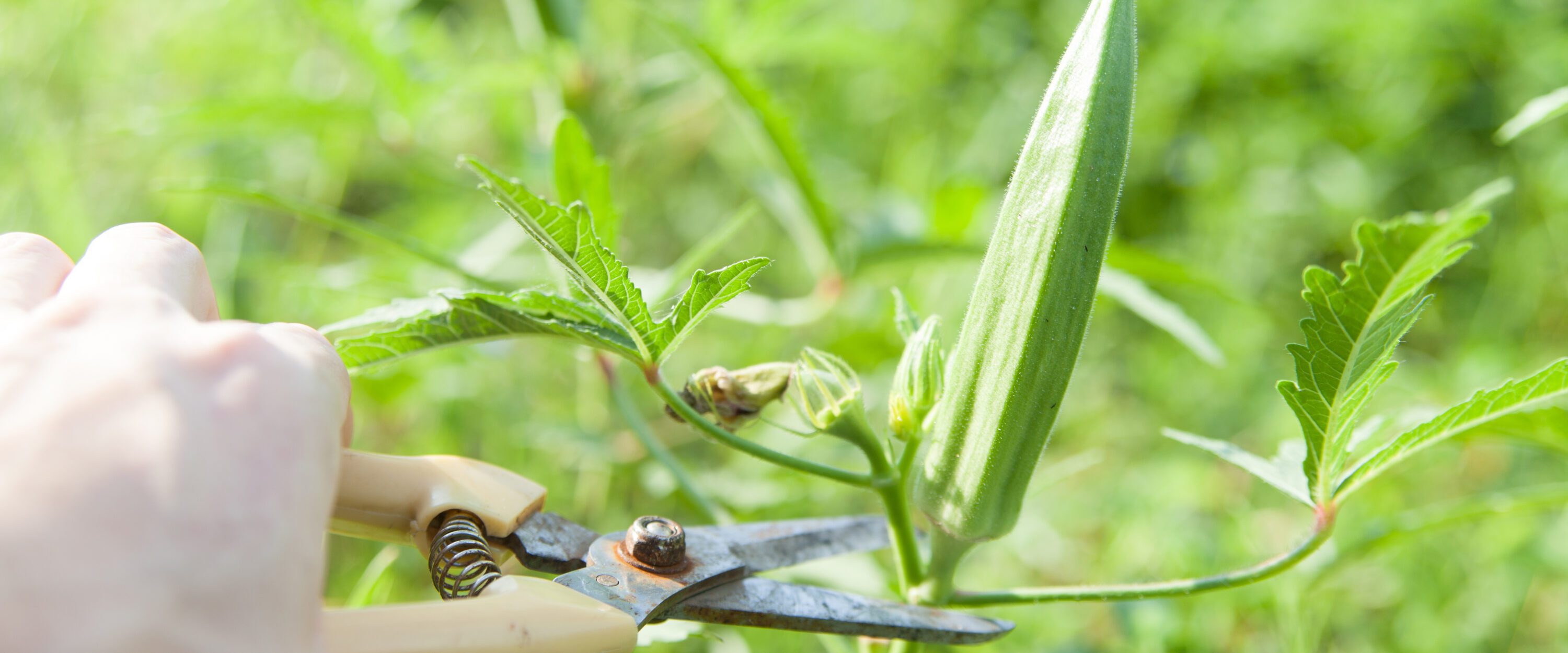
Okra is a warm-season vegetable well adapted to Alabama’s climate. This guide provides growers with practical recommendations for producing high-quality okra, maintaining food safety, reducing losses, and identifying marketing opportunities.
Okra is widely grown in Alabama by both commercial and small-scale farmers, particularly in the Black Belt region. Its tolerance to high temperatures, extended harvest season, and strong consumer demand make it an attractive crop for diversified farming operations. Successful okra production requires selecting proper varieties, managing soil fertility and irrigation, controlling pests and diseases, harvesting at the right stage, and following appropriate postharvest handling practices.
Weather Conditions and Soil Management
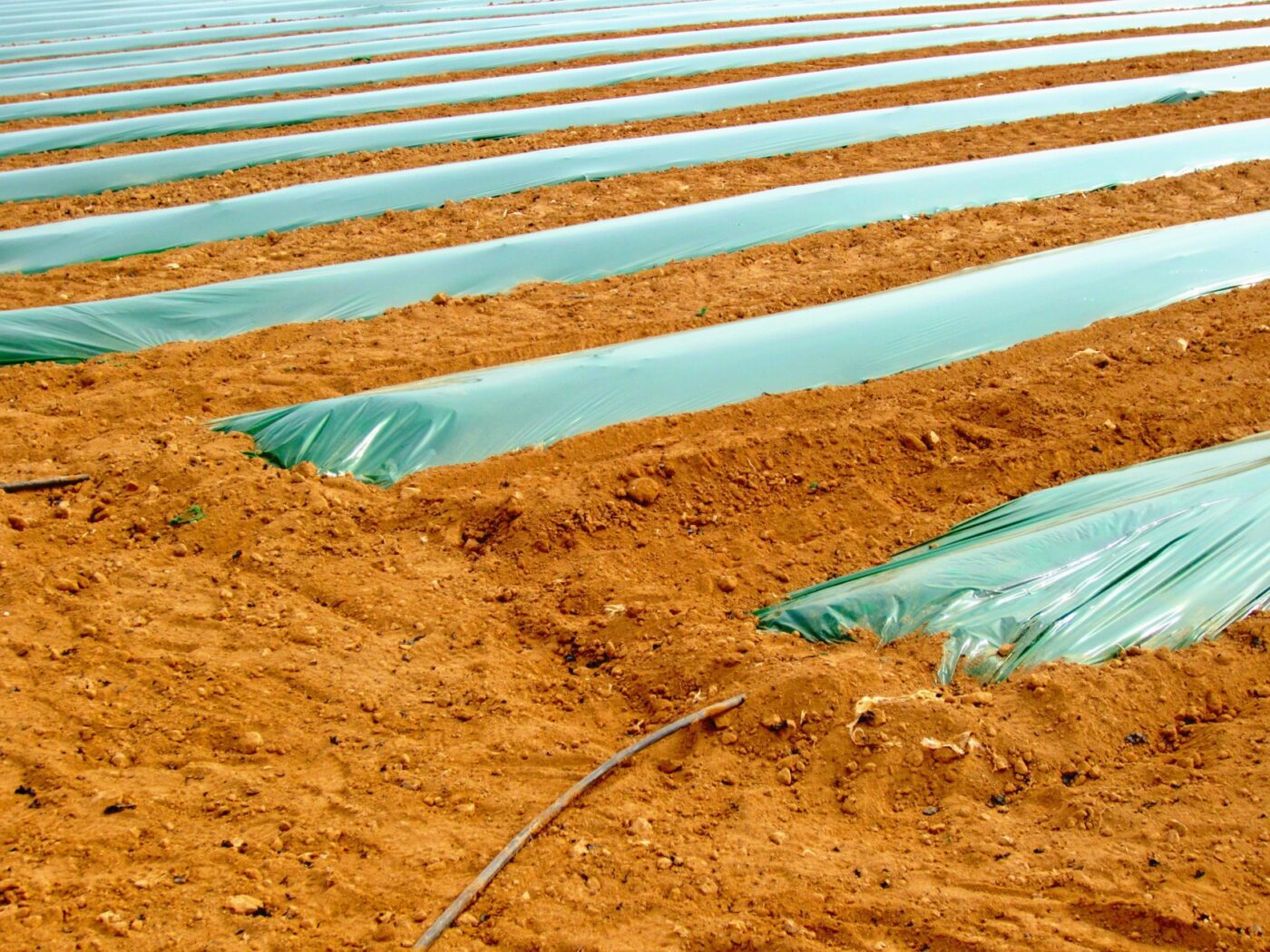
Figure 1. Raised beds covered with plastic mulch and equipped
with drip irrigation.
For optimal growth, okra requires temperatures between 70 and 80 degrees F, with a minimum of 64 degrees F and a maximum of 95 degrees F. Sunlight exposure is needed 8 to 10 hours per day to ensure crop development, flowering, and podding. Water must be available throughout the entire season.
Okra is a crop that requires about 14 to 20 inches of growth from transplanting to harvest. Harvesting must be evenly distributed throughout the growing season. Okra can grow on a range of soil types, but production is easier in welldrained soil that allows for root development.
Proper land preparation begins with clearing the field of debris. Deep tillage can help break up compacted layers and improve root growth. Poor drainage can limit plant establishment, reduce root growth, and increase disease pressure.
Raised beds are strongly recommended because they improve drainage, warm the soil, reduce weed pressure, and enhance crop establishment. For best results, build raised beds to a height of 12 inches and use plastic mulching in combination with drip irrigation (figure 1). Combining raised beds with drip irrigation allows for efficient water and fertilizer management throughout the season.
Regardless of soil type, soil testing is key for nutrient management. Soil test results provide specific recommendations for lime and fertilizer applications, preventing both nutrient deficiencies and excess fertilizer application. Submit soil samples for nutrient analysis in the early season and when nutrient disorders are seen in the field.
The Black Belt region of Alabama is considered ideal for okra production due to its long, sunny days and air temperatures that fall within optimal ranges. Irrigation most likely will be required to maintain water availability. The Black Belt is commonly affected by prolonged droughts, which can lead to complete crop loss if water is not supplied via irrigation.
Crop Management Practices
Cultivar Selection
Selecting an appropriate cultivar is one of the most important production decisions. Always choose cultivars adapted to the local environment (weather conditions and soils) and resistant to common local diseases, such as Fusarium wilt and powdery mildew, to reduce management costs and crop losses. Cultivars also must be suited to the intended market and have high yield potential ranging from 200 to 250 30-pound bushels per acre.
Fresh-market buyers typically prefer tender, uniform pods with an attractive appearance, while processing markets may accept slightly larger pods. Spineless cultivars can improve worker comfort during harvest and reduce skin irritation.
Common cultivars recommended for Alabama include the following:
- ′Burgundy’, ′Red Burgundy′
- ′Carmine Splendor′
- ′Clemson Spineless′
- ′Emerald′
- ′Jambalaya′
- ′Lee′
Once a cultivar is selected, make sure the seeds are high-quality and certified. Certified seed ensures cultivar purity, high germination rates, and reduced risk of seedborne diseases. While seeds are relatively inexpensive, poor-quality seeds can compromise an entire season’s production.
Planting Dates
Plant okra only after the soil has warmed to 65 to 70 degrees F. Planting into cold or wet soil may delay emergence and reduce stand establishment.
Alabama has an extended growing season, where planting can begin in March and continue through August. Late-summer plantings are possible and can produce a fall crop, particularly when combined with rejuvenation practices.
Row and Plant Spacing
Spacing depends on the cultivar and production system. Adequate spacing reduces competition for light, water, and nutrients, allowing each plant to reach full yield potential. It also improves air circulation through the canopy, suppressing foliar diseases, and provides room for cultivation, fertilizer side-dressing, and harvest. Overcrowding, in contrast, produces spindly plants and reduces marketable pod quality and total returns. Row spacing in raised-bed production systems should be 6 feet center-to-center, but reduced to 4 or 4½ feet in bare-ground production systems. Plants should be spaced 18 to 24 inches apart within rows.
Okra can be direct-seeded or transplanted in the field. Direct seeding is a simple, less labor-intensive method that avoids transplant shock. It consists of drilling seeds 1 to 1½ inches into the soil and ensuring adequate soil moisture for germination. Transplanting, on the other hand, ensures better crop establishment, uniformity, and early season production. With this method, seeds are planted in containers and transplanted to the field once shoots reach 6 inches tall (about 6 to 8 weeks).
Irrigation Management
Consistent moisture is essential throughout the growing season. Drip irrigation is the preferred method because it delivers water directly to the root zone, improves water-use efficiency, and keeps foliage dry, helping to reduce disease development. Sprinkler irrigation also may be used but should be scheduled early in the day whenever possible to minimize prolonged leaf wetness.
As a general guideline, okra requires approximately 1 inch of water per week during early growth stages and up to 2 inches per week during flowering and heavy pod production. Actual water needs vary with temperature, rainfall, soil type, crop growth stage, and length of the harvest season. Both drought stress and excessive irrigation can reduce plant performance and yield.
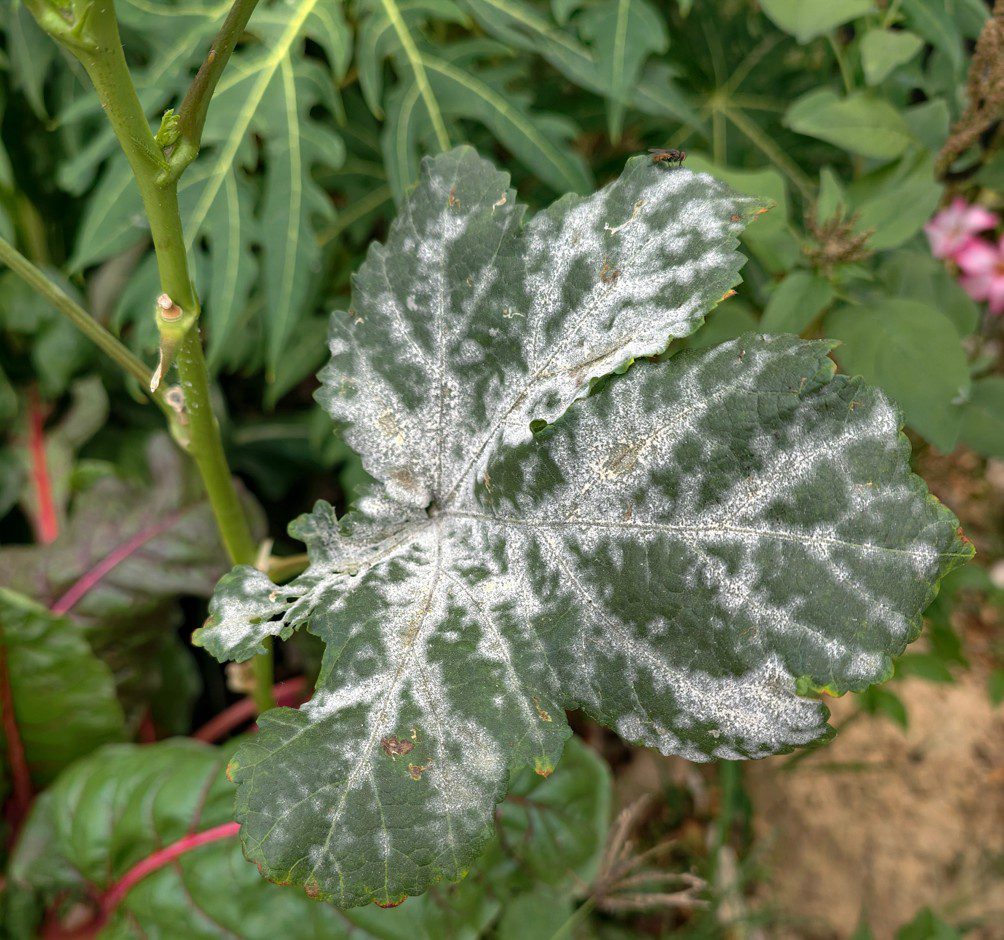
Figure 2. Powdery mildew symptoms in okra.
Fertilizer Management
Fertilizer application is essential for healthy plant growth and maximum yield. In general, okra requires 90 to 120 pounds per acre of nitrogen (N) during the growing season. Phosphorus (P₂O₅) and potassium (K₂O) applications are based on soil test recommendations, as nutrient needs vary among fields and soil types.
In overhead irrigation systems, fertilizer is typically broadcast at preplant and incorporated into the soil. After the first flush of pods is picked, fertilizer is side-dressed 4 to 6 inches to the side of the row. Growers using drip irrigation also broadcast fertilizer at preplant but begin weekly fertigation at flowering and continue through the final harvest.
Pest Management
Integrated pest management (IPM) combines regular scouting, accurate pest identification, and timely decision-making to minimize crop losses and reduce unnecessary pesticide applications. Weeds are most damaging early in the season when okra plants are small. Effective weed control during this period is important for maximizing yield potential. Common diseases of okra in the Southeast include powdery mildew (figure 2), Fusarium wilt, and various leaf spot diseases. Good airflow, proper irrigation practices, and crop rotation can help reduce disease pressure.
Insect pests may include aphids, stink bugs, flea beetles, and caterpillars (figure 3). Regular field scouting allows growers to detect problems early and determine whether intervention is necessary.
-
- Figure 3A. Common insect pests of okra in the Southeast: aphids
-
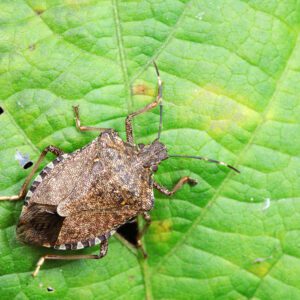
- Figure 3B. Common insect pests of okra in the Southeast: stink bugs
-
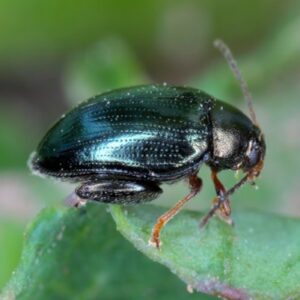
- Figure 3C. Common insect pests of okra in the Southeast: flea beetles
-
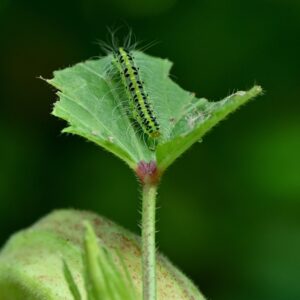
- Figure 3D. Common insect pests of okra in the Southeast: caterpillars
Harvesting
Okra plants continue to flower and produce pods over an extended harvest period. Pods typically are ready for harvesting 4 to 6 days after flowering. Harvest every 2 days to maintain a steady supply of tender pods and encourage continued production. During peak summer heat, daily checks are recommended.
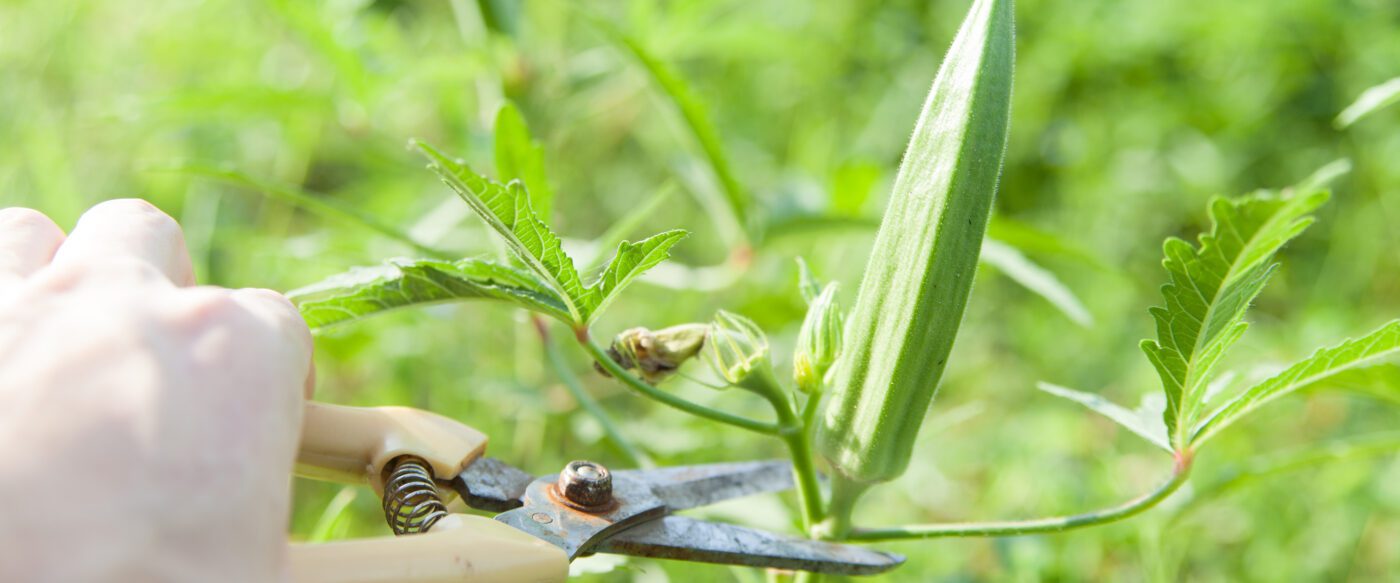
Figure 4. Fresh okra harvesting.
For the best flavor and texture, harvest okra pods when they are young, tender, and 3 to 4 inches long (figure 4). At this stage, seeds are still small, and the pods are succulent and free from fiber. Pods that exceed 4 to 5 inches become tough, woody, and stringy. Indicators of overmaturity include a hard, rigid feel, fading or streaky color, and a tip that no longer bends easily.
Pods must be harvested manually using sharp bypass pruners, hand shears, or a clean knife to cut them from the plant. Cut the stem just above the pod’s cap, leaving a short stub attached to the fruit. This helps maintain freshness and prevents bruising. Avoid pulling, twisting, or snapping pods by hand whenever possible, as this can damage the main stem or branches and increase the risk of introducing disease.
Okra plants have fine hairs (trichomes) on their leaves, stems, and pods that can irritate the skin. Wear gloves and long-sleeved shirts when harvesting to prevent itching and irritation. Even spineless varieties may have small protrusions that can cause discomfort. Protective clothing also reduces the risk of cuts and abrasions during harvest.
Okra pods are delicate and easily bruised, particularly along their ridges. Handle pods gently and place them in soft pails, mesh harvest bags, or clean containers lined with a perforated plastic bag to prevent crushing. Harvest in the morning when field temperatures are cooler to improve postharvest quality. Avoid harvesting when pods are wet from rain or dew, as moisture promotes deterioration and darkening.
Postharvest Handling and Storage
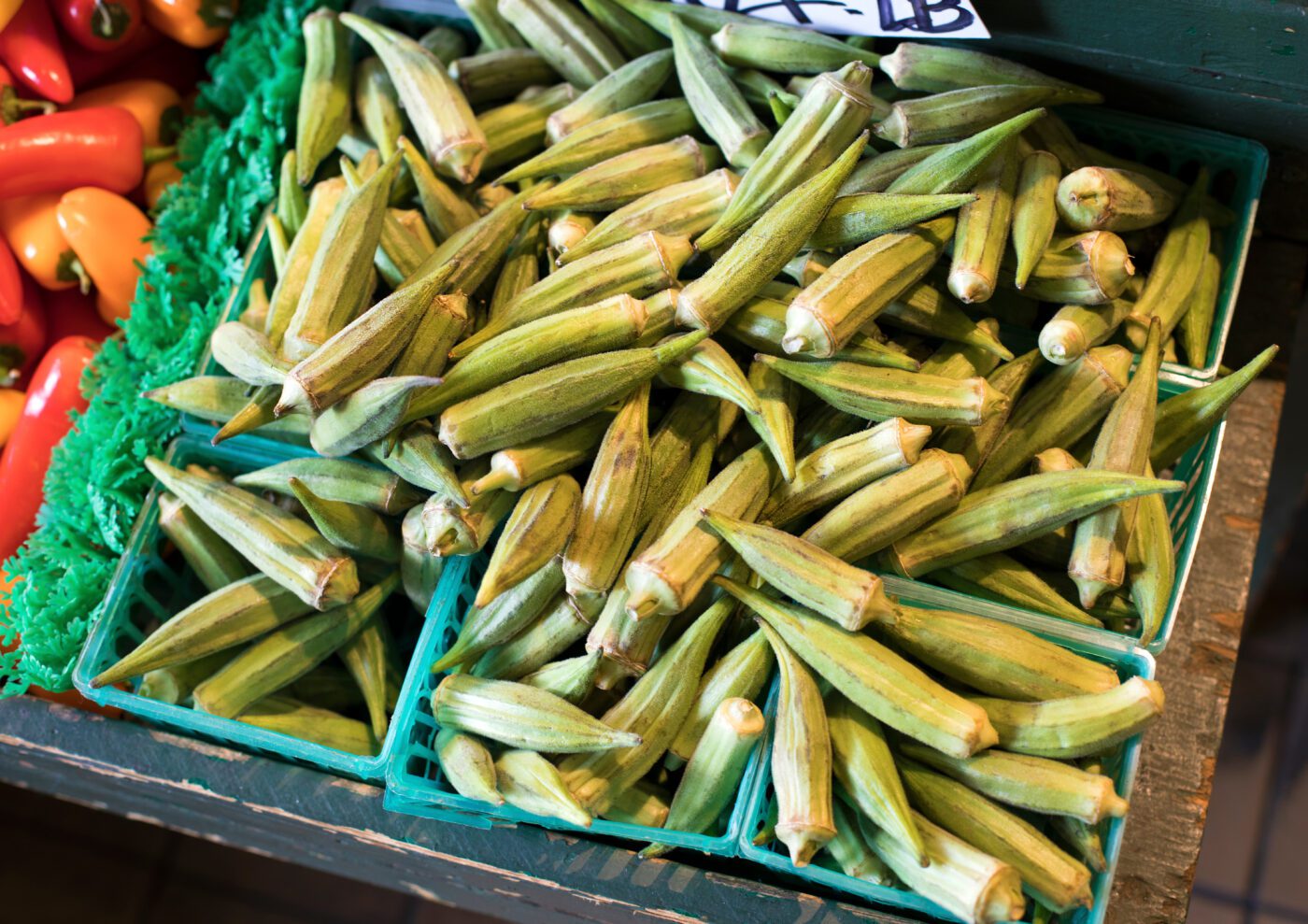
Figure 5. Examples of okra bulk handling and market presentation.
Proper postharvest handling is essential for maintaining okra quality and maximizing market value (figure 5). Okra is highly perishable and can quickly lose quality if exposed to excessive heat, improper handling, or unsuitable storage conditions. Careful attention to handling, cooling, packaging, and food safety practices can help extend shelf life and reduce losses.
Field Handling
Move harvested okra to a shaded area as soon as possible after harvest to reduce heat buildup and moisture loss. Handle pods carefully to avoid bruising, and do not overfill harvest containers, as excess weight can damage the product. To maintain quality and freshness, do not leave harvested okra in the field for extended periods before cooling or transport.
Cooling and Storage
Removing field heat is one of the most important steps in maintaining postharvest quality. Store okra at 50 to 55 degrees F with a relative humidity of 90 to 95 percent. These conditions help reduce moisture loss while maintaining pod appearance and texture.
Storage temperatures below 50 degrees F can cause chilling injury. Symptoms include surface discoloration, pitting, increased decay, and poor overall quality. For this reason, do not store okra at refrigeration temperatures commonly used for other vegetables.
Under recommended storage conditions, fresh-market okra can typically maintain acceptable quality for 7 to 10 days. However, quality declines rapidly when pods are bruised, overmature, or stored under improper conditions.
Cleaning and Packaging
Keep okra as clean as possible during harvest to minimize the need for washing. Dry cleaning methods, such as removing soil and debris with clean brushes or cloths, are preferred whenever practical. If washing is necessary, use potable water only. Maintain wash water under sanitary conditions and change regularly to prevent cross-contamination. After washing, allow pods to drain and dry before packaging to minimize excess moisture that could encourage decay.
Use packaging that protects pods from physical damage while allowing adequate air circulation. Common packaging options include the following:
- Ventilated plastic or wooden field crates
- Waxed fiberboard cartons
- Clamshell containers for direct retail sales
- Bulk bins for wholesale marketing
Packages should be sized appropriately to avoid excessive compression and bruising during transport.
Food Safety Considerations During Harvest
Proper food safety practices during harvest are essential for maintaining the quality of fresh-market okra and reducing the risk of contamination. Be sure to implement procedures that emphasize worker hygiene, clean equipment, and protection of the crop from environmental contaminants.
Worker Hygiene
Harvest workers should practice good personal hygiene and wash their hands thoroughly before harvesting, after using the restroom, after eating, and whenever hands become contaminated. Workers who are ill with symptoms such as vomiting, diarrhea, or fever should not handle fresh produce. Farms should have adequate handwashing and restroom facilities and established policies for reporting illness.
Clean Harvest Containers
Regularly clean and sanitize harvest buckets, bins, and other containers to prevent cross-contamination. Never use containers for harvesting okra that have been used for chemicals or other non-food purposes. Regularly inspect reusable containers and store in clean areas when not in use.
Avoiding Field Contamination
Monitor fields for signs of animal intrusion and avoid harvesting produce that may have come into contact with fecal material. Never place harvested okra directly on the ground, and keep the area free of trash, standing water, and other potential sources of contamination.
Harvest Tool Sanitation
Routinely clean and sanitize knives, clippers, and other harvesting tools. Remove soil and plant debris before sanitizing, and store tools in a clean, dry location when not in use. Consistent sanitation practices help protect product quality and reduce the risk of foodborne illness.
Value-Added Products and Marketing Opportunities
Selling produce “fresh” is usually the farmer’s preferred market. Raw, whole okra can be sold from farm stands, at local farmers markets, through community-supported agriculture boxes, or to local retail and food service entities.
The okra season can be extended by creating value-added products. Products that can be produced at home under the Alabama Cottage Food Law include pickled okra and dehydrated and freeze-dried okra, sold whole or as chips or powder (figure 6). Products should be tested to meet pH and/or water activity requirements. Sales avenues are limited to direct-to-consumer.
-
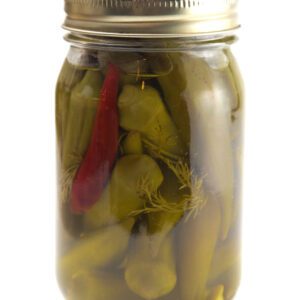
- Figure 6A. Examples of okra preparation and preservation: pickled okra
-
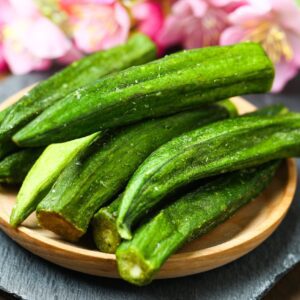
- Figure 6B. Examples of okra preparation and preservation: dried okra.
Farmers who expand product sales to commercial and retail establishments are considered manufacturers. Producing pickled or dried okra and other value-added products, such as breaded/frozen cut okra and refrigerated or frozen prepared foods like gumbo, requires a commercial kitchen that is inspected and permitted by the Alabama Department of Public Health. Manufacturers are required to have food safety training appropriate for the type of products being developed.
Sales and product awareness can be increased through market differentiation and branding. This approach can be used with fresh produce as well as value-added products. Are you growing heirloom or local varietal favorites? Tell your customers what you grow and perhaps why you chose that variety. Use local brands to immerse the consumer in your community’s history and culinary heritage. When partnering with local tourism events, you can turn a simple product into a cultural experience.

Erick Gutierrez, Graduate Student, Horticulture; Andre Luiz Biscaia Ribeiro da Silva, Extension Specialist, Associate Professor, Horticulture; Camila Rodrigues, Extension Specialist, Assistant Professor, Horticulture; Jessica Santos Pizzo, Postdoctoral Fellow, Horticulture; Bridgette Brannon, Extension Specialist, Food Safety and Quality; and Christy Mendoza, Extension Agent, Food Safety and Quality, all with Auburn University
New October 2026, Guide to Growing Okra in Alabama, ANR-3301
For more information, contact your county Extension office. Visit aces.edu/directory.
Trade and brand names used in this publication are given for information purposes only. No guarantee, endorsement, or discrimination among comparable products is intended or implied by the Alabama Cooperative Extension System.