











The warm sunny days of spring are here and soon summer will arrive. During this time, our thoughts turn toward spending time outdoors with our families and friends. Quite naturally, food also becomes the center of our attention as we enjoy picnics or cooking outside on the grill. However, practicing good food safety can prevent food borne illness.
Food borne illness or food poisoning affects millions of people each year. Bacteria or other germs present in food can cause flu-like symptoms such as nausea, vomiting, diarrhea, or fever. Oftentimes people are unaware that the food they ate was the direct cause of their illness.
Practicing good food safety is also important for high-risk populations such as small children, pregnant mothers, the elderly, and people with weak immune systems. The adverse affects of food poisoning can potentially lead to death in these groups. Therefore, understanding and practicing food safety are vital to our health.
The first line of defense in practicing food safety---you guessed it---is hand washing! Experts recommend that you wash your hands often with soap and hot running water for at least 20 seconds. Carrying soap and bottled water to picnics are ideal if bathrooms are unavailable. Antibacterial lotion is another great alternative to help reduce the spread of germs.
Second, the washing of food, cutting boards, counters, and utensils is just as important as washing your hands. Any item that makes contact with raw food is to be washed immediately, including your hands. To avoid cross contamination, raw foods should never come into contact with other raw or cooked foods. According to the United States Department of Agriculture and the Food and Drug Administration, cross-contamination is the "transfer of harmful bacteria to food from other foods, cutting boards, utensils, etc., if they are not handled properly." This means that all utensils, cutting boards, kitchen counters, and containers used to store raw food should be washed in hot soapy water immediately to prevent the spread of harmful bacteria. Disinfectants or a solution of bleach and water can further reduce bacterial growth.
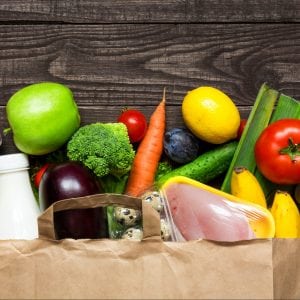
Another important concept in practicing food safety is separating raw foods from cooked or fresh foods. For example, fresh foods like salad ingredients are to be kept separate from the cutting board and knife used for raw meat. Separating foods like fresh fruits, vegetables, and raw meat in the grocery cart is important as well. Sometimes juice from raw meat packages can leak directly onto fresh produce. So, make sure you place fresh produce and meat in separate bags to prevent cross-contamination.
Separating cooked and raw items in the refrigerator is also necessary. Avoid placing raw, packaged meats on the top shelf in your refrigerator. Meat juices may leak onto other uncontaminated foods in your refrigerator. Instead, try placing raw meats in a leak proof container and place the container on the lowest level in your "fridge". You will be glad you did! The same holds true for picnic items. Cold foods should be stored together in separate spill proof containers in an ice-packed cooler. The same step should be taken for raw foods. Always use clean utensils and/or containers when handling cooked foods. Do not use the same plate that raw foods were stored on to place cooked foods on later. Again, this causes cross-contamination.
The fun part is next---cooking! Remember to keep hot foods hot and cold foods cold! Foods should be cooked at the proper temperature to avoid potential food poisoning. Temperatures may vary from meat to meat, but the general rule of thumb is 140 degrees or above. Specifically, ground beef should be cooked or warmed at 160 degrees or above; poultry at 165 degrees or higher depending on the type; pork at 160 degrees; eggs should be cooked until the yolk and white of the egg is firm and not runny; and egg dishes should be cooked at 160 degrees. Proper temperatures are to be maintained when heating leftover food as well. If foods are not reheated properly harmful bacteria may be present and could cause serious illness.
The proper way to thaw food is simple. Frozen food items can be thawed out in the microwave. Another way to thaw foods may be to place them in a container in the refrigerator until you are ready for cooking. Thirdly, foods may be placed in cool water in the sink, but the water should be changed every thirty minutes until the food is thawed. Do not place frozen food items on the counter all day or night to thaw. Many people use this method; however, using this method increases the chance of your food spoiling. Harmful bacteria can also grow fast in warm temperatures within a short period of time.
The fourth major step in practicing food safety is chilling. Foods require chilling/refrigeration whether they are raw or cooked. While shopping for food at your favorite grocery store, consider shopping for meats, dairy, and frozen foods last. Why you ask? These foods should maintain a constant temperature of at least 40 degrees or lower to avoid spoiling. If toiletry items or other non-foods items are needed as well, shop for these first instead of taking raw foods all around the grocery store. Foods purchased at the grocery store should not stay out longer than two hours without refrigeration. What does this mean? Go straight home and put your groceries up from the store. Place cold or cooler foods inside the car and not the trunk because temperatures are hotter in the trunk than the inside of the car. If you have a long way to travel before returning home, bring along an ice-filled cooler to pack perishable items.
Upon returning home, remember to freeze items that you do not plan to cook in one or two days. After food is cooked, store within two hours after cooking. Hot food can also be refrigerated and placed in shallow containers before storing. Hot foods in cookware will cool faster if placed in cold water in the sink.
Here are a few tips to remember when practicing food safety:
Enjoy the sunny days ahead with your family and friends, but remember to practice food safety. Your days will not be so sunny if you are running to the nearest bathroom or to your bed!
References
American Dietetic Association. (2004). Handling your food safely. Retrieved April 19, 2005.
American Dietetic Association. (2004). Tips for safe outdoor eating. Retrieved April 19, 2005.
United States Department of Agriculture (USDA). (August 2003). Foodborne Illness: What consumers need to know. Food Safety and Inspection Service. Retrieved April 19, 2005.
USDA. Four steps. Partnership for Food Safety Education. Retrieved April 19, 2005.