
Health & Nutrition

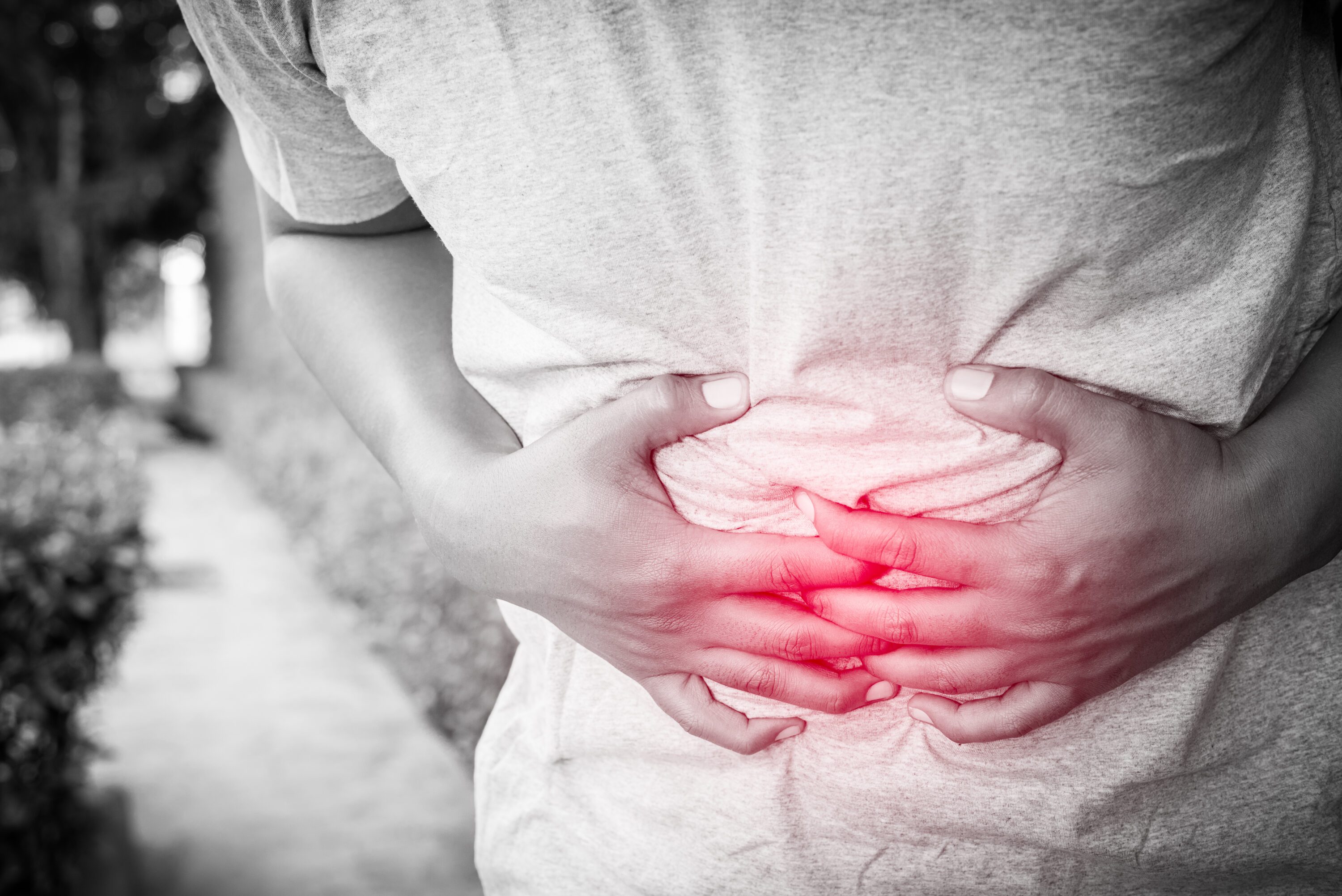
People hear the words germs, bacteria, and viruses like the norovirus all the time, but what do they mean? In the scientific world, these microscopic troublemakers are known as pathogens. A pathogen is simply any organism that can cause disease. They exist everywhere in the environment, and while the human body is incredibly good at fighting them off, understanding how they work is people’s best line of defense.
One common pathogen is the norovirus. According to the Centers for Disease Control and Prevention, there are about 2,500 reported norovirus outbreaks in the United States annually. Norovirus outbreaks occur throughout the year but are most common from November through April. Norovirus is a highly contagious pathogen that causes sudden vomiting and diarrhea. Unlike the flu, which is respiratory, noroviruses are intestinal pathogens. It only takes a tiny amount—as few as ten particles—to make a person sick.
Why Norovirus Is Hard to Stop
- Resilience. It can live on surfaces like plastic or stainless steel for up to 2 weeks.
- Heat resistance. It can survive temperatures up to 140 degrees F (60 degrees C).
- Sanitizer resistance. Most alcohol-based hand sanitizers do not effectively kill the norovirus.
Common Outbreak Settings
Health Care Facilities
Health care facilities have the most reported cases of norovirus outbreaks in the United States. These include long-term care facilities and hospitals. Unfortunately, long-term health care facilities report more than half of all norovirus outbreaks.
The virus enters the facilities through infected patients, staff, visitors, or contaminated food. Outbreaks can last for months. These outbreaks can be more severe and may occasionally result in death.
Restaurants and Catered Events
Norovirus outbreaks also occur in food service settings like restaurants. Food workers become infected and touch ready-to-eat foods, such as raw fruits and vegetables, with their bare hands.
However, any raw food can become contaminated with norovirus. Food on a farm, for example, can be a source of contamination. This may include oysters or fruits and vegetables that are sprayed with contaminated water in the field.
Educational Institutions
Other norovirus outbreaks can occur at schools, day care centers, or institutions of higher learning. In some cases, norovirus outbreaks have led to school closings. Educational institutions have common shared spaces and surfaces that are constantly touched, which makes it easy for the virus to spread.
Cruise Ships
Over 90 percent of diarrheal diseases on cruise ships come from norovirus. Outbreaks on cruise ships get immediate media attention, which is why people call the norovirus the cruise ship virus. However, outbreaks on cruise ships account for only 1 percent of all reported norovirus outbreaks.
The virus is hard to contain on ships due to close living quarters, shared dining areas, and passenger turnover. The virus is transported by contaminated food and water or by passengers who were infected on shore. Repeated outbreaks can come from infected crew members or a contaminated environment since the virus can live on surfaces for days and weeks and has become resistant to some common disinfectants.
Economic Impacts
Every year in the United States, foodborne norovirus cases cost about $2 billion because of lost productivity, health care costs, and disruptions to business and school operations. On a global scale, norovirus can rack up a bill of $60 billion annually.
Protecting Yourself
- Soap is king. To remove norovirus, it must be physically washed off skin with soap and water. Scrub for at least 20 seconds.
- Bleach surfaces. Use a chlorine bleach solution (5 to 25 tablespoons of household bleach per gallon of water) for contaminated surfaces.
- The 48-hour rule. If you have been sick, stay home from work or school for at least 48 hours after symptoms stop. You are still contagious even when you feel better!