







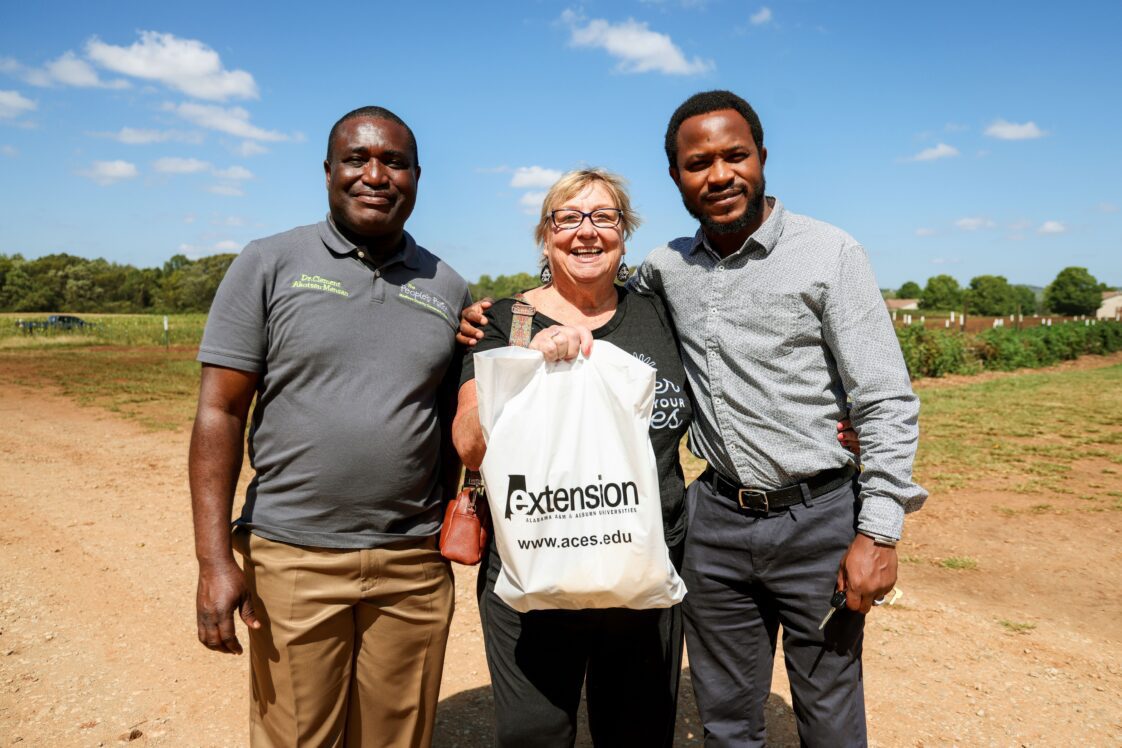
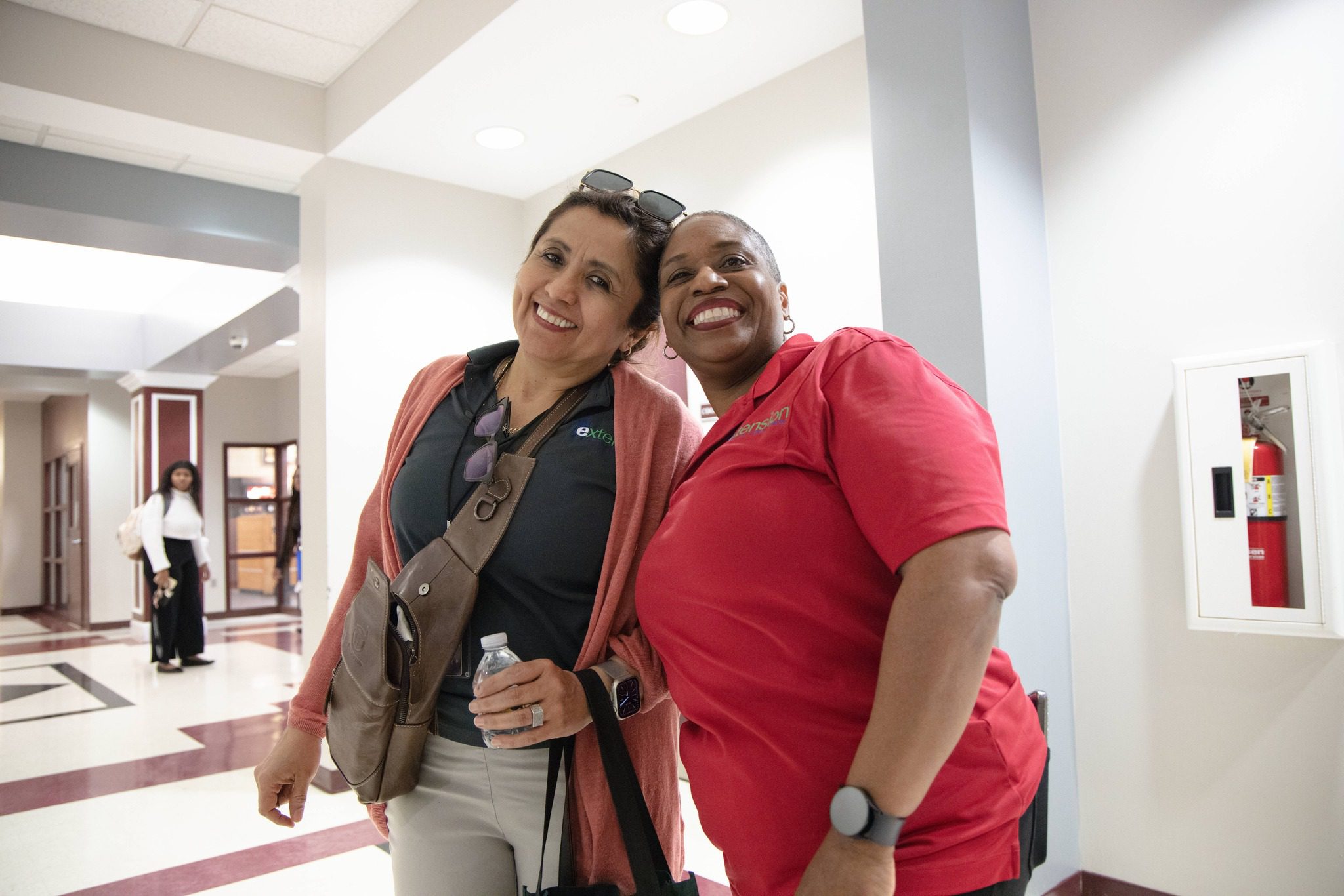



Those who work with community volunteers on a regular basis are aware of how valuable they are to program development and implementation. Often community minded individuals furnish much of the time, energy, and resources necessary to keep a quality program going. For many, volunteer services are done on a very personal basis and may be referred to as "just lending a helping hand" to a friend in need. But having a steady flow of available volunteers on a long-term basis is a real challenge. Volunteers are not bound by an employment contract, nor are they financially compensated for their services. Their commitment to a project is rooted primarily in their personal interests and the satisfaction they receive from their work. So, it is a known fact that volunteers do come and go.
Studies investigating why some volunteers do not stick with their volunteer commitments reveal four major reasons:
So how do service agencies get a handle on the situation and begin to build a dependable volunteer system? Consider the following suggestions. Prepare a job description for each volunteer you recruit. Include a summary of job responsibilities and an estimate of how much time it will take to complete the job in terms of days, weeks, or months. Let the volunteer know how long they will be expected to work and try to stick to the time schedule.
Make every effort to match the volunteer with the tasks to be completed to ensure that volunteers are sufficiently challenged. Place volunteers in jobs that fit their background, expertise, and experience. It also helps to know the motives of the volunteer. Try to present job challenges that will contribute to his/her personal development and self-fulfillment.
Volunteers taking on a new job will want to be successful in their attempts. They need to be assured that a well-defined training program has been or will be designed to help them to quickly learn the details of the job they have been assigned. It is important to note that the most valuable form of training from volunteers come from members of the team. A person who has performed a job before can usually help to orient a person who is taking on that job for the first time.
And finally, never neglect to provide feedback. If a volunteer is doing a good job, a bit of recognition provides encouragement and is a way of saying "thank you." If things are not going so well, sharing feedback can help to generate insight and alternatives to resolve difficult situations.
References Government of Alberta. (March 4, 2002). A guide for creating effective land and water stewardship. Agriculture, Food & Rural Development. Retrieved January 6, 2004.
Rossheim, John. How to keep volunteers in the fold. Monster Healthcare. Retrieved on January 8, 2004.
The Ohio Center for Action on Coalition Development. (1992). Building coalitions. The Ohio State University Extension, CFA-105.