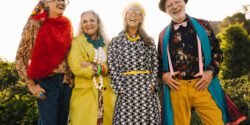










Senior citizens compose the largest single segment of Americans today. The mere size of this group commands a natural migration of attention, especially to their buying habits. The thinking is fundamentally sound, "there is power in numbers." And traditionally, this group has influenced every facet of lifestyle in America from the housing industry to cars, the arts, and beyond. Of this senior group, the "baby boomers" are the largest constituency, numerically speaking of 78 million strong. Their story has been told time and time again. As American soldiers returned home from World War II they began to marry and establish both careers and families. Equipped with assistance from the GI Bill, they felt more secure than groups born before them. The children of these GIs were given the label "BABY BOOMERS." Independence in thinking and lifestyle choices by this group led to vast changes in consumerism just as it did in politics and other cultural events. In a nutshell, good quality and reasonably priced items test well for this population.
Why are They Buying?
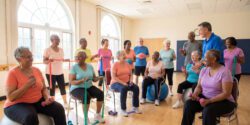
Baby boomers seem to buy because health and economics are serious undertakings for them. Healthy vigorous lifestyles are major pursuits. The value of the relationship between exercise, eating balanced diets, religious involvement, and leisure activities is no stranger to this group. This generation is more likely than the national average to be involved in active sporting events. They have been and are continuing to be on the front lines at marathon races, biking events, including the "Harley motorcycle clubs." The old adage "to whom much is given, much is expected," reigns true with this group.
Many market venues will advertise to baby boomers with a keen sense of lifestyle and state of mind. Indeed, the ages at which their parents were considered "over the hill," many in this group are considered to be at the peak of their professional careers and personal lives. Their spending habits conform to the overall attitude that "I am, therefore I will continue to be fulfilled by giving back and by continuing to strive toward self actualization with a zeal." The business world has taken note and are capitalizing on the philosophy that looking and feeling good regardless of age can equate to billions of dollars in sales annually. Of the more mature baby boomers, many not only shop for themselves they also shop for grandchildren with the same fervor. Collectively 35 billion a year was spent on this generation's grand children. The business world is beginning to market to this generation with a more accurate image of their identity; a group active on many lifestyle fronts, demonstrating intelligence about health issues and enthusiasm about what life offers. Indeed, many changes have taken place during their lifespan, including purchasing methods such as e-commerce and TV home shopping networks; however, this group has weathered these changes with delight.
What are They Buying?
Purchase indicators reflect that seniors collectively control 50 percent of all discretionary income and spend more than 60 billion annually in the United States. Forty percent of all money spent on household furnishings and equipment is attributed to the spending habits of this group. This group alone spends 57 percent above the average on retirement programs, 37 percent above the average on apparel, and 30 percent above average on food.
A New York market research company found that the aging consumer in general spends more in department stores than other age groups. Consumer categories that stand to benefit from the boomers spending in addition to footwear and apparel are:
Boomers continue to represent economic clout! They embrace life with a flair for living that marketers cannot ignore, and hence their influence continues to be commanding.
References
Administration on Aging. A profile of older Americans: 2002. Statistics. Retrieved September 18, 2003.
Administration on Aging. Online statistical data on aging. Retrieved September 18, 2003.
United States Library of Medicine & National Institutes of Health. Outlook for living to healthy old age improving. Medlineplus (Reuters Health Information). Retrieved September 18, 2003.