











The Laws of Health:
Our Uninsured Population

By Kevin H. Crenshaw, Esquire

Despite some indications of improvement, certain minority groups continue to suffer from some diseases at a much higher rate than white Americans. Who composes these groups of medically underserved people -- the uninsured and underinsured, the poor and near poor, the homeless, persons living in rural areas, persons living in poverty-stricken urban centers, persons with chronic illnesses, persons with HIV/AIDS, migrant and seasonal farm workers. The Health Resources and Services Administration (HRSA) of the United States Department of Health and Human Services, which works to ensure that the uninsured and medically underserved in the United States have access to health care, estimates that the number of uninsured Americans was 37 million in 1987. That number jumped to 43.4 million in 1998. With such high figures and continued growth, the need to address the problems of medically underserved populations is compelling. The focus, therefore, of this article is to highlight the major policy and legal issues surrounding health care for uninsured populations.

The New Republic recently reported that the United States has entered a "health care crisis" and that by the end of 2002, approximately 40 to 45 million people will not have medical insurance coverage. Many of these individuals lack access to health insurance coverage since their employers do not offer health insurance or they are unable to afford it. Since Medicare covers most Americans over the age of 65, the uninsured are generally under 65 and are mainly individuals working in low-income jobs, and their families. A recent Kaiser Family Foundation fact sheet reported that 80% of uninsured individuals are employed full-time or are dependents of employed individuals. Individuals with no connection to the workforce account for only 10% of the uninsured population. Nineteen percent of the uninsured are children; 85% of uninsured children live in families with at least one full-time working parent.

In areas with large numbers of uninsured, a greater proportion of families have incomes below 200% of the federal poverty level (less than $33,000 for a family of four). Since, on the average, minorities and immigrants have lower incomes, urban areas with high-uninsured rates also have a greater proportion of immigrants and ethnic and racial minorities. Another group of uninsured Americans is the near elderly, that is, those individuals older than 50 but younger than 65. Many times these individuals lose health insurance due to leaving the workforce via early retirement, or they may have lost a spouse who was carrying their health care insurance.

How does not having health insurance impact one's health?
Individuals who are uninsured are more likely to be hospitalized for avoidable medical conditions. Uninsured patients are also less likely to have invasive procedures that are relatively costly or are conducted at the discretion of the physician. Half of uninsured adults have no regular source of health care. Individuals without health care are more likely to postpone filling a prescription or postpone obtaining health care because they cannot afford it. Uninsured adults obtain fewer preventive services such as mammograms or regular examinations than insured adults do.

Uninsured children are 30% more likely to fall behind on immunizations and well-child care and are 80% more likely to have never received any routine childcare. In the United States, one in five uninsured children has no regular source of health care. In addition to not obtaining routine well­childcare, uninsured children are 70% more likely than insured children to require medical care for chronic conditions such as asthma.

What are the policy/legal issues implications for having a large number of uninsured?
First, the uninsured are more likely to wait before obtaining health care. There is also a greater financial burden on public and private hospitals as well as community clinics that provide care for the uninsured. And, the working uninsured are less healthy and, thus, less productive members of the workforce.

Second, current state and the federal government efforts to expand health care coverage to medically underserved populations have had somewhat limited success. To site a single example, the United States Health and Human Services Department initiated the national State Children's Health Insurance Program (S-CHIP) to expand medical service to the children of medically underserved populations. According to recent reports, a significant number of underserved children and families simply are not helped because of a state's discretion to allocate S-CHIP funds. However, for S-CHIP or other initiatives to hold any great promise at the state and federal levels, attention must be paid to issues other than expanded eligibility and coverage for the medically underserved. Questions such as why parents are reluctant to enroll into publicly supported health care programs for which they and their children are already eligible must be answered. Furthermore, critical issues such as the lack of health facilities and providers willing to serve the medically underserved, the impact of managed care systems on the fiscal viability of traditional and safety-net providers as well as the public health system, varying cultural attitudes toward health care and health systems, geographic isolation of large segments of the medically underserved, lack of an effective transportation system, and the lack of culturally competent and bilingual/bicultural health care professionals, must be addressed to adequately ensure quality access to care for the medically underserved. These so-called "non-financial barriers to care," if not adequately addressed, will continue to add tremendous costs to an increasingly overburdened and fragile health care system.

The issues confronting the medically underserved have been ignored to a large extent by political expediency and the nature of health policy and health politics today. The continued debates over a "Patient Bill of Rights," primarily discussed within the commercially-oriented managed care environment, have pushed aside other important managed care challenges facing the medically underserved who are being forced into managed care systems. These challenges include the type and quality of access provided by managed care systems such as the problems individuals experience in trying to navigate through managed care systems; the incentives inherent in managed care systems to withhold treatment, especially from patients of color who make up the largest percentage of the medically underserved; and the lack of consumer education about managed care systems.

In addition, these unmet challenges have led to the acceleration of disparities of disease morbidity and mortality rates within the medically underserved populations and communities. According to data cited by the new federal Racial and Ethnic Health Disparities Initiative, African-American men under 65 years of age suffer from prostate cancer at nearly twice the rate of whites; Latinos have two to three times the rate of stomach cancer as whites; Vietnamese women experience cervical cancer at nearly five times the rate of whites; and infant mortality rates are 2.5 times higher for African-Americans and 1.5 times higher for Native Americans. Uncertainties abound as to the impact of managed care on the medically underserved when it is a matter of health status and eliminating health disparities.

When dealing with the medically underserved population, the traditional public health system should not give way to the "medical model" of care and disease management, which currently dominates most health care delivery systems. The emphasis on the medical model continues to neglect traditional and safety-net providers, community health norms and practices, health promotion, wellness models of health, and general preventive practices that may better suit the needs of medically underserved populations, which, to date, have not adequately benefited from publicly-supported programs to expand health care coverage.

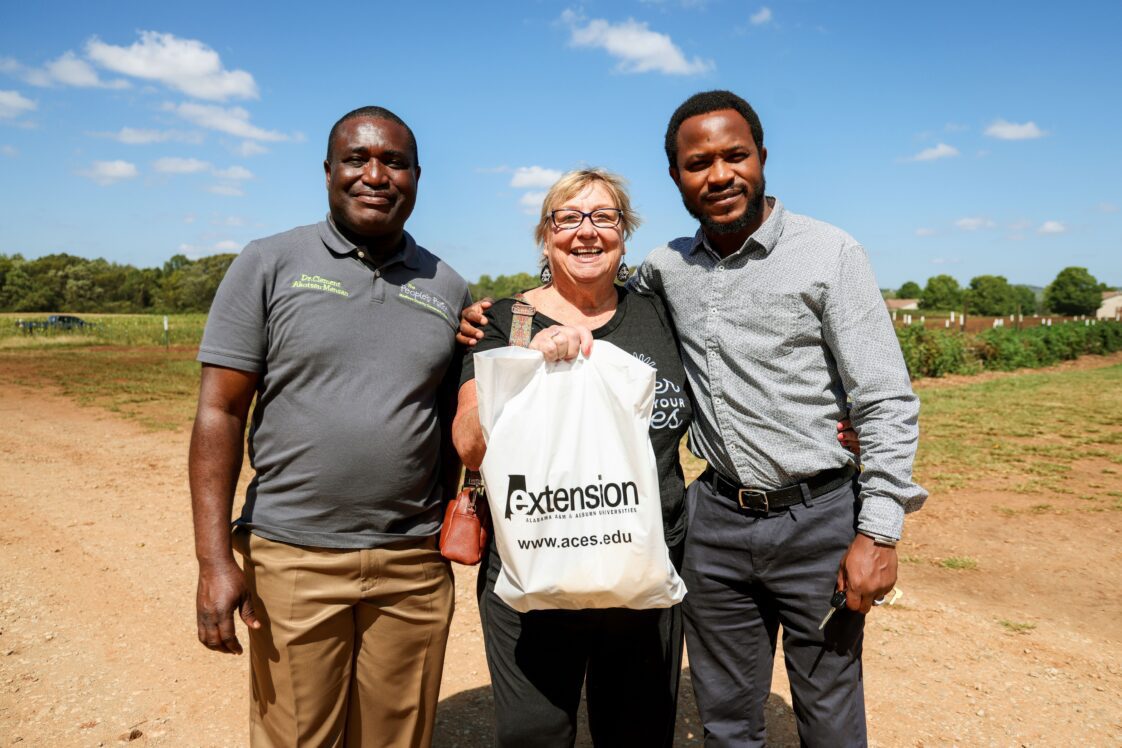
It is Extension's continuous obligation to provide research-based programming in the area of health and wellness that greatly impacts the lives of citizens, particularly, underserved populations in both urban and rural environments.


Return to Metro News...