
Urban Agriculture

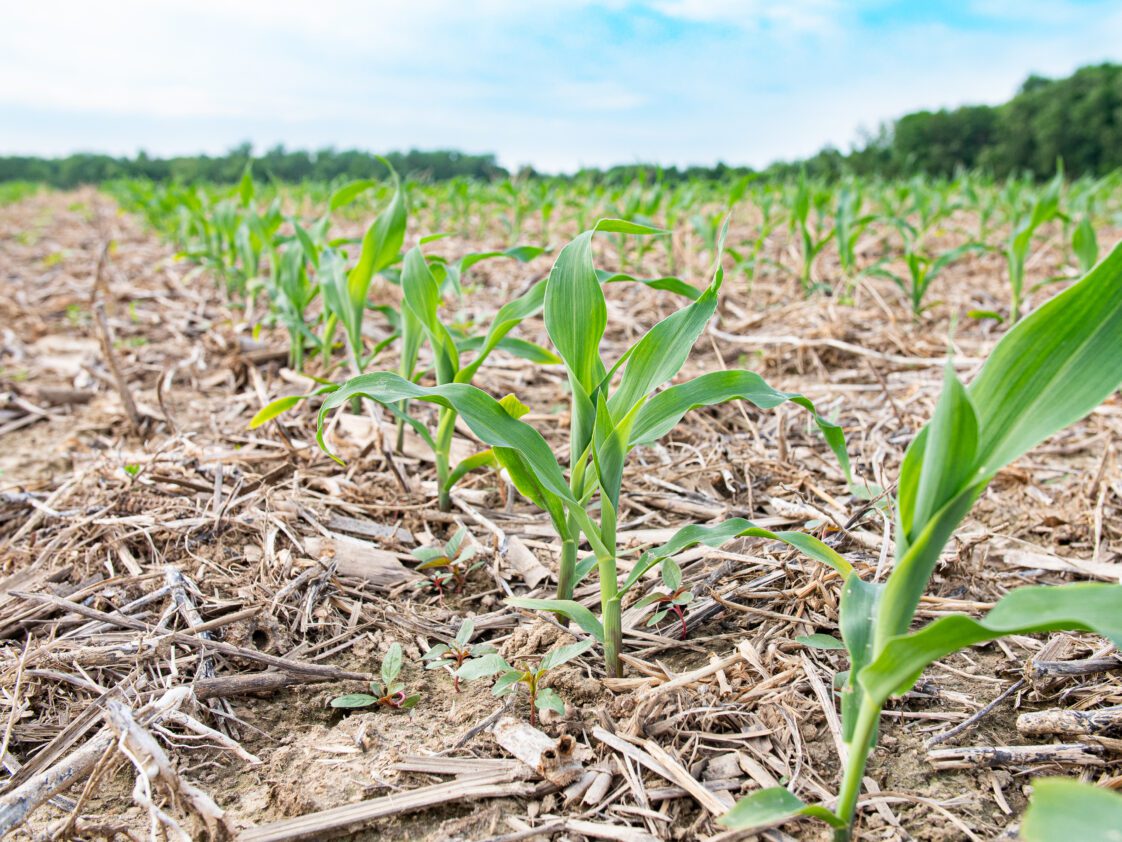
Plants intake water and nutrients from the soil, carbon dioxide from the air, and radiation from the sun to fuel their growth and development. This process takes a toll on the local environment, especially when farming is at play. However, there are ways to ensure the soil stays healthy and loamy, ready to continue growing crops. That is where regenerative agriculture comes in.
The Noble Research Institute states the following: “Regenerative agriculture strives to work with nature rather than against it. Regenerative agriculture is more than just being sustainable. It is about reversing degradation and building up the soil to make it healthier than its current state.”
Soil health, water retention, and nutrient uptake are central to regenerative agriculture. Biodiversity is also key. This invites more beneficial insects and wildlife to join the biome, which is a geographic area with a specific climate and plant and animal life. This emerging method can make agriculture more sustainable for decades to come.
Achieving Regenerative Agriculture
Now that regenerative agriculture has been defined, the next question is how is it achieved? Let us take a closer look.
Here are four common tactics used by regenerative farmers and ranchers:
- Planting crops using no-till, which minimizes disturbance to the soil.
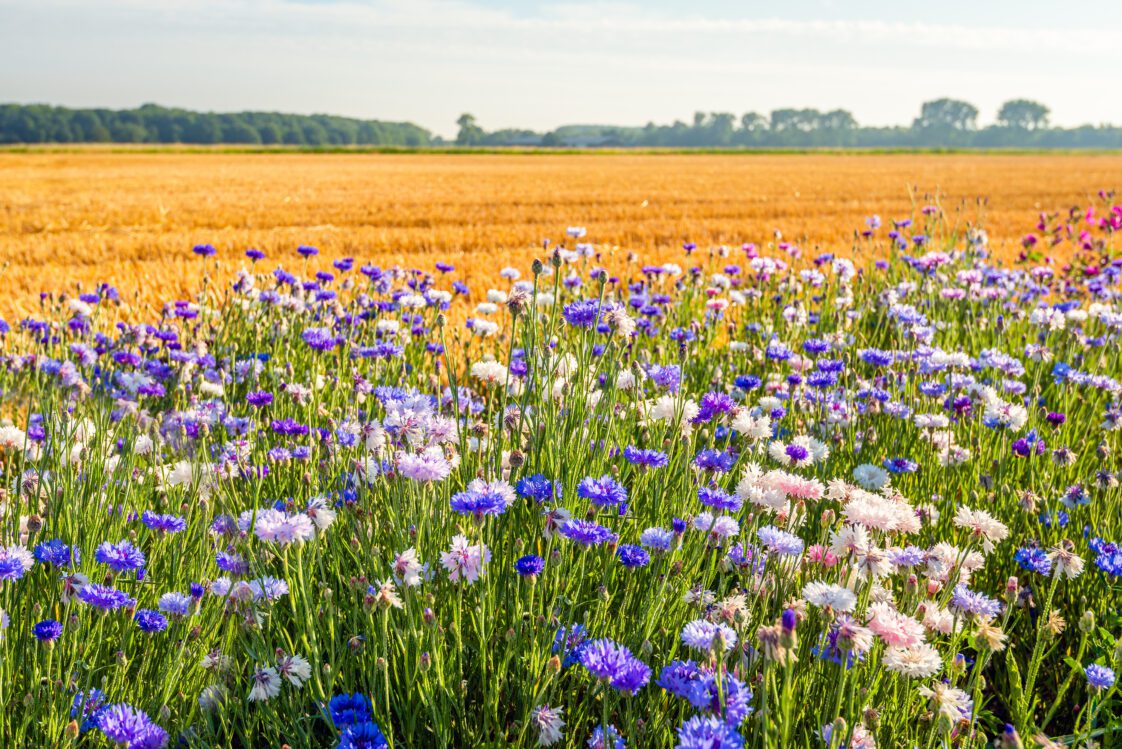
- Incorporating cover crops and other diverse mixtures of forage species into monoculture crops and perennial introduced grasses.
- Decreasing the use of inorganic fertilizers and broad-spectrum pesticides.
- Using adaptive multi-paddock grazing (AMP, or adaptive grazing) which involves moving cattle and other pastured animals, such as sheep, goats, and bison, through smaller sections of the overall land and allowing grazed land adequate time for rest and recovery.
Some motivating factors for farmers to adopt regenerative agriculture include cost savings and reduced pesticide and fertilizer use, resulting in fewer hours of labor. But is regenerative agriculture beneficial to farmers and ranchers?
Benefits of Regenerative Agriculture
The World Economic Forum, which monitors and strives to improve the state of the world, spoke with farmers around the world to determine the benefits of regenerative agriculture. Here are some possible benefits:
- Climate. Regenerative agriculture helps mitigate emissions such as through carbon sequestration (the process of capturing and storing atmospheric carbon dioxide) and improved crop resilience for climate shocks.
- Soil health. It improves soil fertility through increased biomass (organic material from plants and animals) production, thereby preventing soil degradation.
- Resource use efficiency. Higher nutrient use efficiency increases crop yield and optimizes land use efficiency, while improved water use efficiency reduces the stress on freshwater reserves.
- Biodiversity support. More diverse plants and crop rotations, and reduced pesticide usage support biodiversity on farms. In some cases, higher crop yields mean more natural habitats can be protected rather than cleared for agriculture.
- Prosperity. Regenerative agriculture improves long-term farmer livelihood through reduced costs, improved crop yield and quality, and greater resilience to market volatility and extreme climate events. It also opens new green revenue streams for farmers, such as rewarding them for carbon capture and storage in the soil.
Despite these benefits, regenerative agriculture may not seem like such an advantage until it is compared to components of conventional agriculture that regenerative agriculture mitigates.
Economic Balance
The Alliance of Bioversity International and the International Center for Tropical Agriculture established a partnership to address four major issues: climate change, biodiversity loss, environmental degradation, and malnutrition. The organizations also addressed four ways that regenerative agriculture works to achieve economic balance for world economies.
- Depleted soil health. Intensive tilling and heavy reliance on chemical inputs have degraded soil quality. This ongoing soil health crisis is now diminishing crop yields. While some farmers respond by using more costly chemical fertilizers, regenerative farming offers a promising, sustainable alternative.
- Climate vulnerability. Conventional agricultural practices release carbon from the soil and rely on energy-intensive input production, both of which contribute to greenhouse gas emissions. These factors exacerbate climate change and its resulting economic instability.
- Rising input costs. The growing expense of seeds, synthetic fertilizers, and pesticides is tightening farmers’ profit margins and threatening their long-term viability.
- Market volatility. A heavy dependence on a limited number of crops leaves producers more vulnerable to price fluctuations, extreme weather conditions, and pest or disease outbreaks.
Consumers and farmers alike benefit from the economic balance that regenerative agriculture produces. As growers implement more regenerative farming practices, consumers are set to experience lower market instability.