
Natural Resources

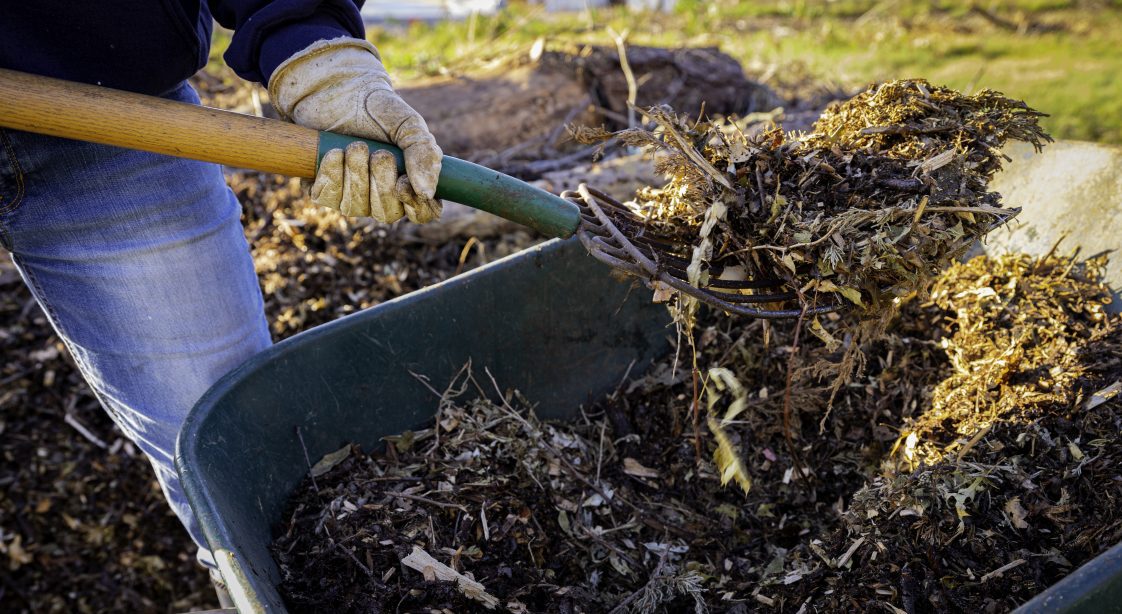
On any given day, farmers are surrounded by feed bags, bale twine, and piles of scrap. While some might see these as waste, a farmer knows these materials can be stored for future use. Farming demands a wide range of skills and intelligence in knowing where and how to use materials for recycling and other purposes. Recyclable materials can include crop residues, compost, fertilizers, mulch, and manure. For example, twine can be used for fence repairs, and feed bags can be cut open and repurposed into tarps for small items.
Why not think outside the box and look at waste as a resource that can be recycled or repurposed for future tasks? Most farmers are operating sustainably by keeping the ground covered, planting immediately after tillage, managing water responsibly and rotating animals. Following are additional creative ideas for recycling and reusing materials on the farm.
Wood Chips
Fruit growers know how to feed the soil with their tree pruning. Growers may find it more beneficial to leave woody debris from tree pruning on the ground as mulch to decompose and nourish the soil. Other forms of mulch, like hay, straw, and grass clippings, also help protect soil. Local tree-trimming companies often deliver wood chips for free if it’s convenient for them. These mulch layers shield the soil from large rain events, irrigation runoff, and intense heat. This helps prevent overheating of plant root systems, which often happens when the soil is left exposed.
Weedy Plants
Weedy plants, while often considered a nuisance, can also be transformed into a valuable nutrient source for desirable crops and trees. For example, when removing invasive species, consider piling the debris uphill of vegetable beds or fruit trees. This method—sometimes called pile tech—recycles pruning waste into a slow-release nutrient source. It’s especially useful in areas with fertility challenges or limited access. Just be careful to harvest this material before it goes to seed to avoid spreading them.
Natural Farming
Another technique that embodies the spirit of recycling is Korean natural farming. One of its recipes turns eggshells into a bioavailable calcium supplement. Simply toast clean eggshells from chickens or ducks in a cast-iron pan for 15 to 20 minutes. Once cooled, place them in a jar, filling one-tenth with eggshells and the rest with vinegar. The heat makes the calcium more available, and the vinegar extracts it, which creates water-soluble calcium. This process takes about 10 days to decompose to a water-soluble usable product. This mixture can be diluted and used as a foliar spray or soil drench at about ½ tablespoon per gallon.
Another Korean natural farming method is making fermented plant juice. This involves harvesting the growth tips of fast-growing, non-toxic weedy plants, mixing them thoroughly with brown sugar, and packing them into a jar with a breathable lid. Within three to five days, this produces an enzyme-rich nutrient liquid that can be diluted (about ½ tablespoon per gallon of water) and applied to crops to boost vitality.
More Information
There are countless ways to recycle nutrients on the farm. Alabamians are fortunate to live in an area rich in natural resources. Spring is a wonderful time to gather and repurpose materials to feed your land and bring your farm into deeper harmony with the cycles of nature. A little creativity can change the perception around waste. Our culture prioritizes consumption, and it is important to keep that urge to consume in check through resourcefulness. This saves farmers money on input costs and creates more fertility within the land.
Visit www.aces.edu for more recycling information.