
Fruits & Vegetables

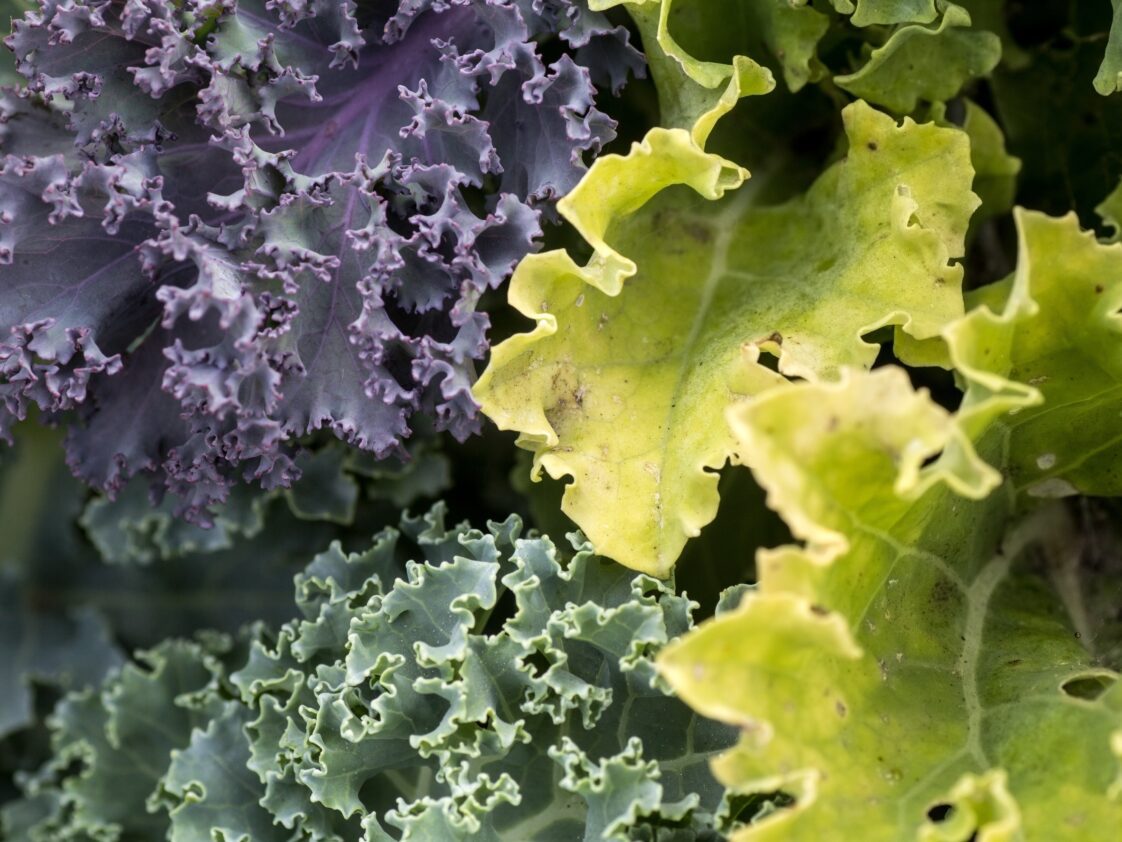
Insects, plant diseases, and weeds follow seasonal patterns. These patterns depend on temperature, day length, and the availability of plants. Many weeds, especially winter annual weeds, can keep growing during mild winters.
In Alabama, winter usually lasts from December to February. Temperatures are cool and change often. Average low temperatures are about 30 to 40 degrees F, and average high temperatures are about 50 to 60 degrees F. Freezing temperatures usually do not last long. Winter also has frequent rainfall, high humidity, and shorter days. Because of this, many plants become dormant, and insect activity slows down but does not stop completely.
Knowing these seasonal patterns is important for integrated pest management (IPM). It helps farmers predict pest problems and choose the best time to control insects, diseases, and weeds. Even in winter, insects, disease organisms, and weed seeds do not disappear. Many survive by becoming dormant or hiding in soil, plant debris, or plant tissue. Mild winters can shorten this resting period and cause more pest problems early in spring. Winter is a good time to scout fields, check for weeds, and plan pest management. It is also a good time for preventive practices, such as sanitation and dormant treatments before pest pressure increases in spring.
Winter Vegetable Crops
Below are some common pests, diseases, and weeds found in winter vegetable crops in Alabama, particularly at The People’s Patch—a community garden in Madison County.
Plant: Collards and Kale
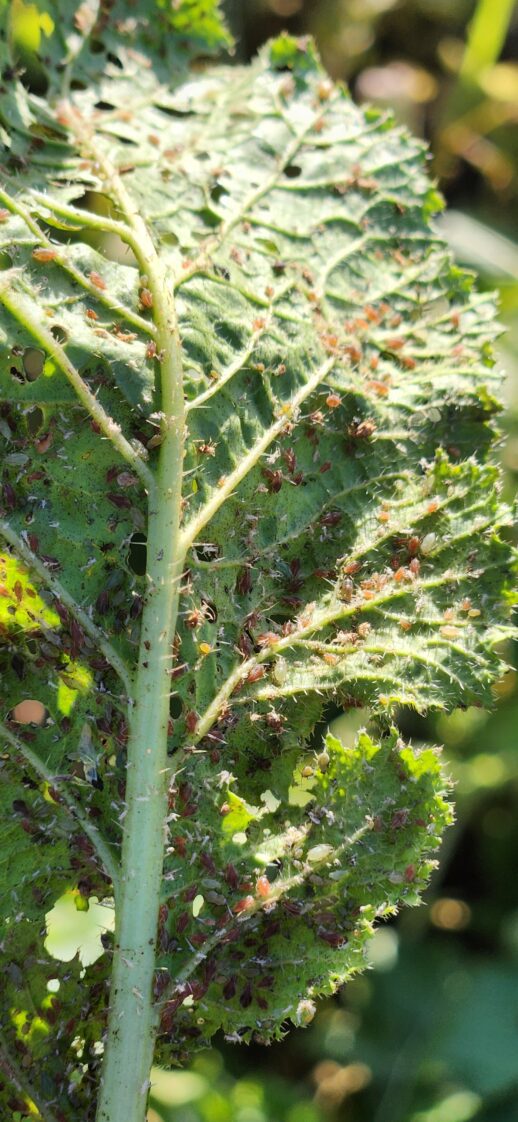
Aphids on greens
Collard greens and kale grow well in cool weather and can tolerate freezing temperatures. Winter-grown kale has tender leaves and a strong flavor. It is harvested leaf by leaf, as with collard greens.
Major Insect Pests
- Cabbage worms feed on leaves.
- Aphids cluster on leaf undersides.
- Flea beetles make small holes.
Common Diseases
- Alternaria leaf spot with dark spots on leaves.
- Downy mildew leaves yellow patches on leaves.
Common Weeds
- Henbit
- Purple deadnettle
- Annual bluegrass
Plant: Mustard and Turnip Greens
Mustard and turnip greens grow quickly in cool weather. They are commonly planted in the fall and harvested throughout winter. Young leaves are tender and nutritious.
Major Insect Pests
- Aphids suck sap.
- Flea beetles (importantly, the yellow margined leafbeetle) chew small holes.
Common Diseases
- Downy mildew leaves yellow patches on leaves.
- White rust is indicated by white, blister-like spots.
Common Weeds
- Shepherd’s purse
- Henbit
- Wild mustard
Plant: Cabbage
Winter cabbage in Alabama can be successfully grown with the right variety and good pest, disease, and weed management. Knowing when pests and diseases are active and managing weeds helps protect the crop and improve yield.
Major Insect Pests
- Cabbage loopers chew holes in leaves.
- Diamondback moth larvae damage leaves.
- Aphids suck sap.
Common Diseases
- Black rot can cause yellow leaf edges with black veins.
- Downy mildew causes yellow spots and grey mold under leaves.
- Clubroot features swollen roots and wilting plants.
Common Weeds
- Shepherd’s purse
- Henbit
- Chickweed
Plant: Onions
Major Insect Pests
- Thrips suck sap from leaves.
- Onion maggots can damage bulbs and roots.
Common Diseases
- Purple blotch leaves purple spots on leaves.
- Downy mildew causes pale green patches on leaves.
- Fusarium basal produces rotting of bulbs.
Common Weeds
- Annual bluegrass
- Nutsedge
- Chickweed
Plant: Carrots
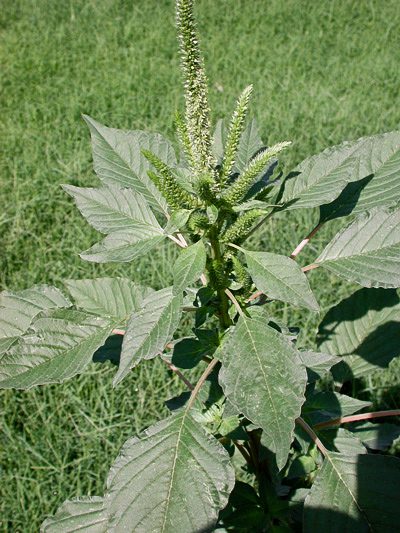
Pigweed (Amaranthus palmeri)
Photo credit: © Pompilid, commons.wikimedia.org (CC BY-SA)

Carrots grow best in cool temperatures and loose soil. Winter carrots grow slowly but develop good color and sweetness. Harvest can continue into early spring.
Major Insect Pests
- Cutworms cut seedlings at the soil level.
- Wireworms feed on roots.
Common Diseases
- Alternaria leaf blight creates brown spots on leaves.
- Root rot is indicated by the rotting of roots in wet soils.
Common Weeds
- Pigweed
- Lambsquarters
- Chickweed
IPM Practices
Pest Management
- Monitor crops regularly.
- Encourage beneficial (good) insects.
- Use reduced-risk products like neem-based products or pyrethrin when needed.
- Always read pesticide labels before use.
Disease Management
- Plant disease-resistant varieties.
- Avoid overhead irrigation.
- Rotate crops to reduce disease buildup.
Weed Management
- Weed promptly.
- Mulch properly.
- Rotate crops and clean fields.
- Use common weedicides for control.
- Consult your county Extension agent about approved products.
Visit www.aces.edu for more information on managing plant pests and diseases.