
Lawn & Garden

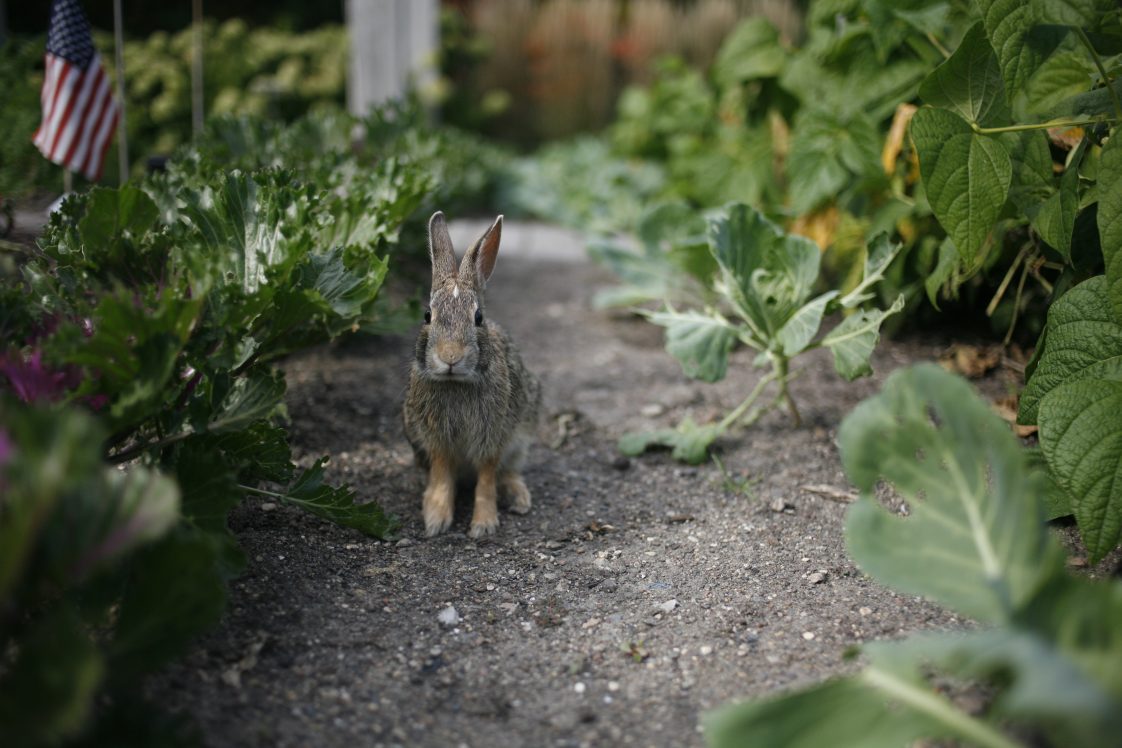
Maintaining a garden is not only about plants, but also about the animals that inhabit it. Wildlife can become a nuisance to gardeners by causing damage and loss of produce. Determining the type of wildlife and the best control methods will help keep the garden safe. In this brief, readers will find information on common wildlife pests and how to manage them effectively.
Common Nuisance Animals
Birds
Birds can help control insects, but may also cause damage to gardens. Birds like to peck at and eat fruits and vegetables. They may also feed on plant seeds or tender seedlings.
Moles
Moles are insectivores, which means they do not eat plants but may damage plant roots with their tunnels. They can typically be identified by their tunnels, which are visible as raised ridges along the surface with mounds of soil at entrances.
Rabbits
Rabbit damage is identified by cuts on the stems of plants near the ground that are clean and at 45-degree angles. Droppings are pea-sized pellets found in clusters. The rapid reproduction rates of rabbits can also compound garden damage.
Squirrels
Chewed or missing fruits and vegetables, disturbed soil, and damaged plants are signs of squirrel damage. Squirrels can often be observed feeding and digging in gardens during the day.
Deer
Deer will eat along a browse line at a height that is easier for them to reach, extending up to six feet. Plant damage from deer will be rough and jagged due to their lack of upper incisors. Deer also trample on plants.
Management Strategies
Integrated Pest Management
Integrated pest management (IPM) combines practices to manage pests. The first step in IPM is to identify pests by characteristics and markings. This can be achieved by regularly monitoring the garden. Identification of an intruder is particularly important because some species may be beneficial while others could cause damage. Local extension agents can help identify pests and suggest appropriate strategies to manage them. Monitoring should be continued after treatments to determine effectiveness and if adjustments need to be made.
Exclusion
Exclusion methods aim to prevent wildlife from entering the garden and mitigate damage before it occurs. Wire mesh or woven wire fencing can be purchased with different mesh sizes and gauges. Larger mesh size fencing will have larger holes, and the wire gauge, or thickness, will determine the strength of the wire. Controlling larger mammals like deer may be possible with larger mesh openings and a heavier gauge wire. Smaller mammals such as rabbits will need smaller openings, but do not require a heavy gauge. Electric wire or fencing may be added to provide extra security, and slanted fencing can defend against climbing pests and deer.
Controlling birds requires a different exclusion approach. Crops will need to be covered to prevent birds from accessing the plants. Row covers will exclude birds and provide the added benefits of insect exclusion and frost protection. Bird netting is a lightweight mesh that is used similarly to row covers. Both require support structures and a method for securing the mesh to the ground.
Repellents
Most importantly, any repellents used around food crops should be approved as food-safe. Some repellents are sprayed directly on plants, while others may only be applied nearby. Be sure to read product labels carefully before application. Plant-based repellents can be safely used in the garden. Essential oils and extracts like garlic, vinegar, peppermint, or citrus are used as repellents. Products with urine and blood from predators may also be applied in and around gardens.
Repellents may not work for every species or in the long run. Different products and combinations can be tried to eliminate specific pests. A rotation of repellents is also recommended to discourage assimilation to the treatment. Bear in mind that repellents need to be consistently reapplied to maintain the greatest effectiveness, particularly after rains that may deteriorate the repellent.
Trapping and Removal
Traps can be lethal or non-lethal and range in size and type. Box traps, body grip traps, and foothold traps are options for restraining and removing wildlife from an area. When using non-lethal traps, it is important to know how to handle and relocate the animal. Resettling animals into different ecosystems can be detrimental to both the animal and the ecosystem, and in some cases, it is illegal. Visit Outdoor Alabama’s Alabama Nuisance Animal Control web page for more animal control information and a list of permitted wildlife control operators.
Other Control Options
Environmental factors can be managed to prevent attracting wildlife. Clearing brush and debris, removing food items like pet food, and using secure trash and compost bins can make the garden less appealing to nuisance species. Motion-activated and noise devices are an option for keeping wildlife out of the garden. Motion-activated sprinklers and lights can safely scare away pests, especially those that are nocturnal. Sounds can also disrupt animal activity, cause them to flee, or seek a safer environment.
For information on controlling insects in the garden, see the link to the Home Garden Vegetable: Insect Control IPM Guide.