
Crop Production

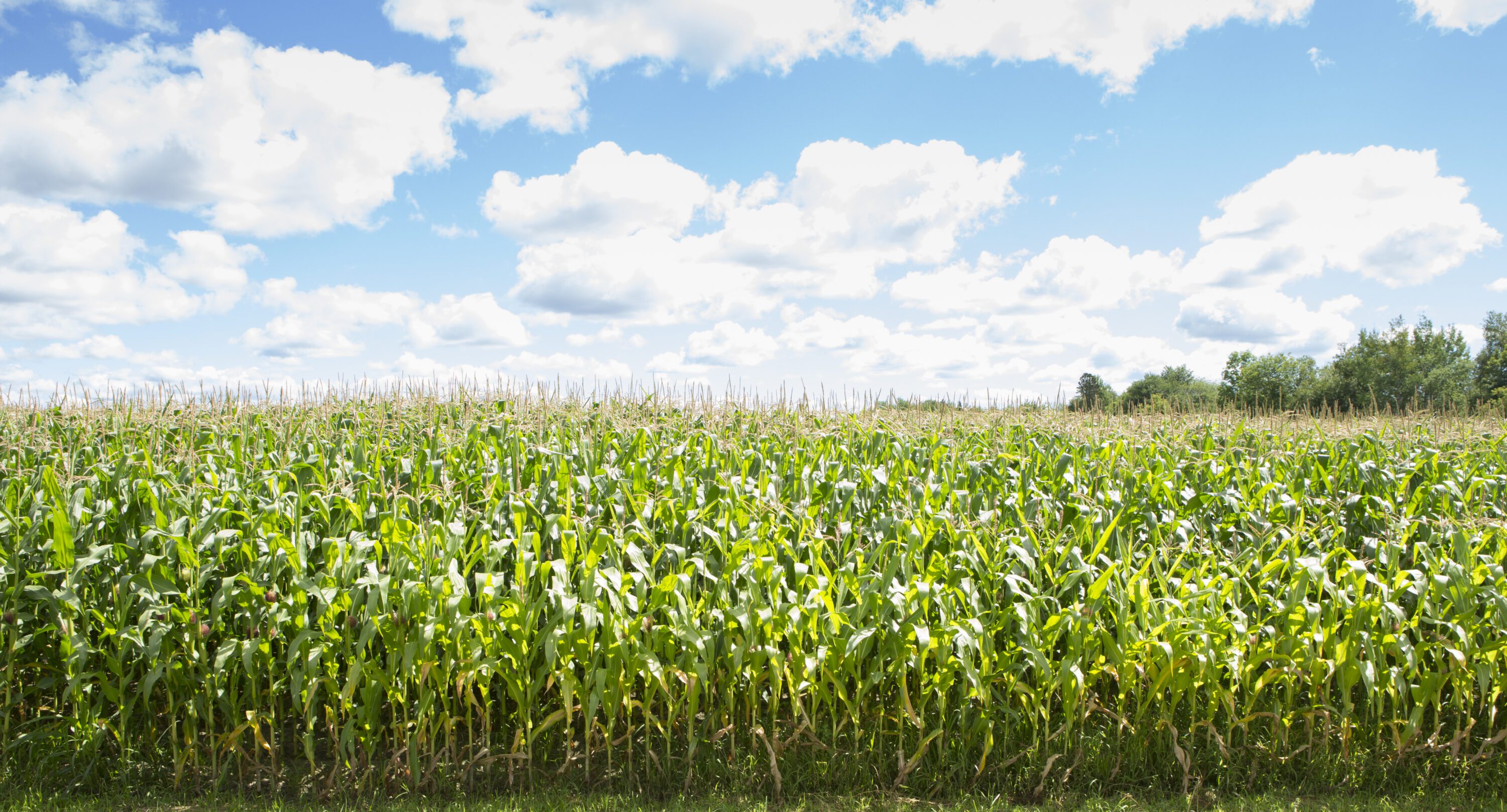
Choosing which corn hybrid to grow is one of the first steps in planning for the next season and an important one to secure yield and profitability. Many factors affect hybrid performance and must be considered in the selection process.
Research indicates that picking the right corn hybrid can impact 20 percent of the final yield, after weather (27 percent) and nitrogen management (26 percent). Hybrid selection must be guided by knowledge of field conditions, pest and disease pressure, regional adaptation, and relative maturity. These factors influence overall production costs and management practices in areas such as fertilizer use, pesticide applications, and irrigation.
Yield Potential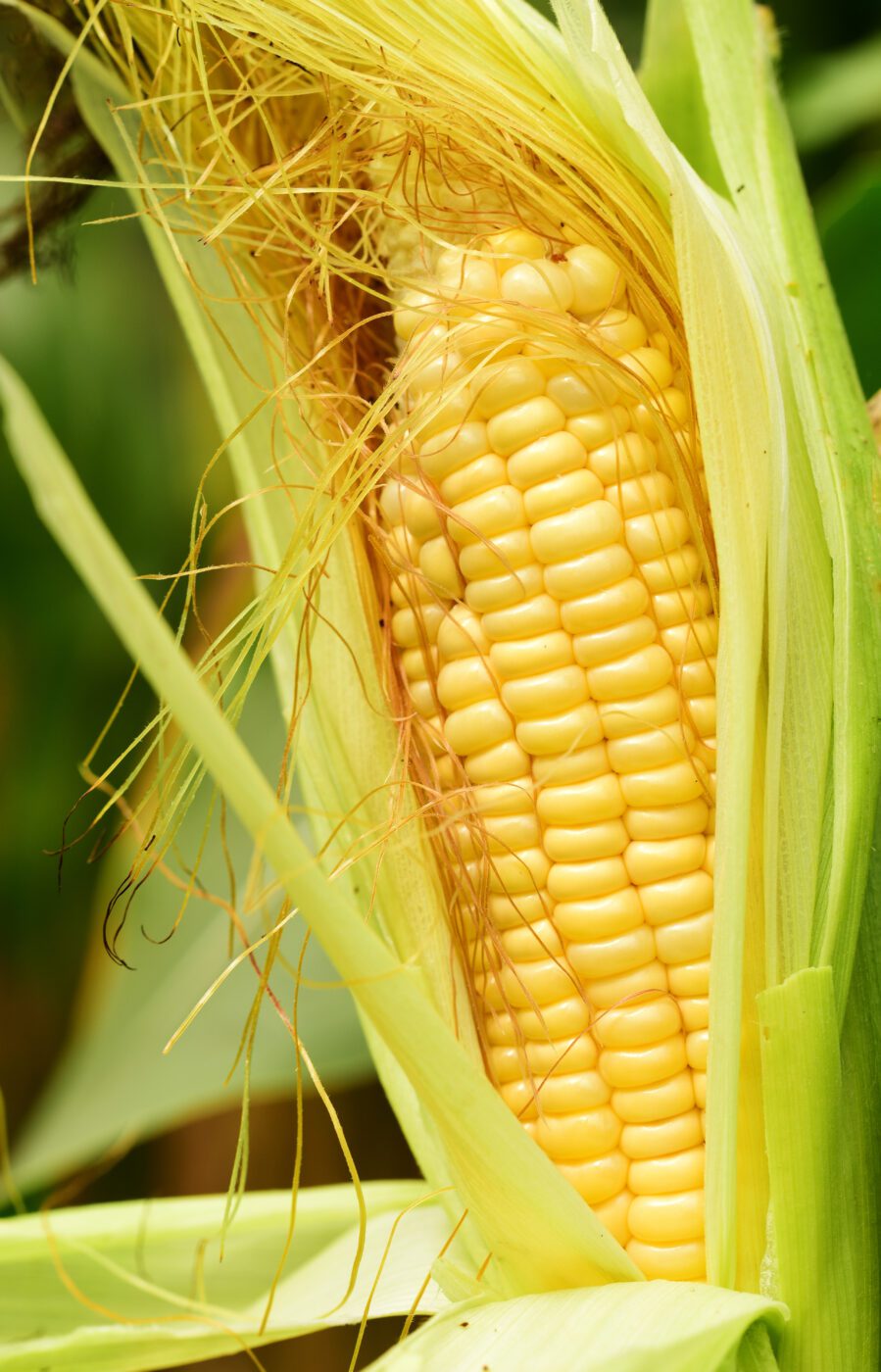
Effective management strategies depend on proper hybrid selection based on yield potential. In some cases, even the best management practices may not result in high yields due to the hybrid chosen. It is important to prioritize use of hybrids that demonstrate consistent and superior yield performance across different locations and growing seasons.
Field Environment
Climate variability within regions may require selecting different hybrids for specific locations. Hybrids may break or lodge if adverse weather events occur during stalk development. Poor stalk strength can reduce yields due to increased harvest losses. Be sure that hybrids match field conditions, such as soil type (sand, loam, clay), drainage (poor or good), fertility (low vs. high organic matter), machinery type (seeding rate, row width, planting depth preferences), planting date, and drought risk. Also evaluate hybrid tolerance to any predominant disease in the field, especially when there is crop residue on the ground, field history of disease, or corn planted after corn.
Traits and Tolerances
Hybrids with genetic traits can provide insect protection (root and shoot worms), herbicide resistance (glyphosate, glufosinate, 2,4-D, dicamba, ALS-inhibitor, HPPD-inhibitor), disease resistance/tolerance packages, and characteristics related to stalk and root strengths (stay green) and drydown speeds. Some hybrids contain two or more technologies in the genetic traits.
Traits related to insects and herbicides are great tools, but rotating management strategies can help delay resistance development. Grain drydown is the ability of a hybrid to dry down quickly to allow for earlier harvest or to reduce grain drying costs. Standability can influence harvest timing by indicating how long a hybrid can remain in the field before harvest. This feature is particularly important for fields that are typically wet in the fall or are harvested later in the harvest sequence. Also important is hybrid susceptibility or tolerance to diseases. Some hybrids may not be a good choice if susceptible to a certain disease predominant in the area.
Table 1 presents all the traits and technologies to consider when choosing a hybrid.
Table 1. Traits and Technologies Available for Corn Production Considering Hybrid Selections
| Technology/Trait | Description | Refuge Requirements | Insects Controlled | Herbicide Tolerance |
|---|---|---|---|---|
| SmartStax RIB Complete Corn Blend | Mix of 95% Bt traited and 5% refuge seed interspersed. Proven to have a 10 bu/a advantage over non-Bt traited corn and a 20 bu/A advantage over non-Bt treated corn plus a soil-applied insecticide | 5% in the bag | European corn borer, fall armyworm, rootworm | glyphosate, glufosinate |
| SmartStax Prox RIB Complete Corn Blend | Protects against corn rootworms. Combines benefits of SmartStax technology with additional RNAi-based mode of action, making it the first product with three modes of action for corn rootworm control. Makes refuge compliance for the corn-growing area easier | 5% in the bag | European corn borer, southwestern corn borer, fall armyworm, black cutworm, corn earworm, rootworm | glyphosate, glufosinate |
| Trecepta RIB Complete Corn Blend | Has Cry1A.105, Cry2Ab2, and Vip3Aa20 from Bt. Also contains Roundup Ready 2 technology, providing tolerance to in-crop applications of labeled glyphosate herbicides when applied according to label directions | 5% in the bag | European corn borer, southwestern corn borer, southern cornstalk borer, corn earworm, fall armyworm, stalk borer, sugarcane borer, beet armyworm, true armyworm, black cutworm, western bean cutworm, lesser cornstalk borer, dingy cutworm | Roundup Ready 2 (glyphosate) |
| DroughtGard Hybrids with VT Double PRO RIB Complete Corn Blend | Contains the first double-stacked trait with dual modes of action for aboveground insects. Superior genetics with new drought-tolerant trait technology to withstand drought conditions for a better chance of maximizing kernels per ear and yield potential | 5% in the bag | European corn borer, southwestern corn borer, fall armyworm, corn earworm | glyphosate |
| VTDouble PRO RIB Complete Corn Blend | Mix of 95% traited and 5% refuge seed. Contains dual modes of action for protection against insects | 5% in the bag | corn earworm, European and southwestern corn borer, fall armyworm | glyphosate |
| Agrisure GT | Provides tolerance to in-crop applications of glyphosate-based herbicides. Good option for refuge acres in a structured refuge operation | 20% of total corn acres must be planted to a non-Bt hybrid and in cotton-growing area. 20% structured refuge required, often with additional requirements | corn borer, rootworm | glyphosate, glufosinate (Agrisure 3000GT) |
| Agrisure Above | Provides integrated E-Z Refuge seed blend featuring multiple modes of action against corn borers, as well as suppression of ear-feeding insects. Ideal in areas where corn rootworm management is not a primary concern | 20% structured non-Bt refuge in corn-growing area or 5% for E-Z Refuge (in bag). Must be planted within or adjacent to the BT field (up to ½ mile away) | European corn borer, southwestern corn borer, black cutworm, southern cornstalk borer, lesser cornstalk borer, sugarcane borer | glyphosate |
| Agrisure Viptera 3110 | Provides aboveground insect control with multiple modes of action against aboveground insects and the convenience of an integrated E-Z Refuge seed blend. Ideal for areas where corn rootworm management is not a primary concern | 20% structured refuge in both corn-growing and cotton-growing area within ½ mile | corn borer, broad Lep. corn earworm, fall armyworm, western bean cutworm, black cutworm, sugarcane borer | glyphosate, glufosinate |
| Agrisure Viptera 3111 | Provides the same attributes as Agrisure Viptera 3110, plus belowground rootworm protection | 20% structured refuge required, often with additional requirements | rootworm, corn borer, broad Lep. corn earworm, fall armyworm, western bean cutworm, black cutworm, sugarcane borer | glyphosate, glufosinate |
| Duracade | Provides season-long control of corn rootworm and corn borer, as well as suppression of ear-feeding insects. Includes mode of action that acts against corn rootworm, with an integrated E-Z Refuge seed blend | 5% in the bag | corn rootworm, corn borer, black cutworm, armyworm, corn earworm | glyphosate, glufosinate |
| Duracade Viptera | Provides 16 target insects (above- and belowground), offering the highest level of control for pests, including a unique mode of action that performs against corn rootworm, and the convenience of an integrated E-Z Refuge seed blend | 5% in the bag | rootworm, corn earworm, fall armyworm, true armyworm, European corn borer, southwestern corn borer, sugarcane borer, southern cornstalk borer, lesser cornstalk borer, cutworm | glyphosate, glufosinate |
| Duracade Viptera Z3 | Provides above- and belowground insect protection and the convenience of an integrated E-Z Refuge seed blend. Optimized for superior aboveground protection, specifically against western bean cutworm, and improved yield potential under moderate rootworm pressure | 5% in the bag | rootworm, corn earworm, fall armyworm, true armyworm, European corn borer, southwestern corn borer, sugarcane borer, southern cornstalk borer, lesser cornstalk borer, cutworm | glyphosate, glufosinate |
| PowerCore Enlist | Provides aboveground protection and weed management. Features three modes of action against aboveground pests: Cry2Ab2, CryA.105, and Cry IF. Tolerance to herbicides glyphosate, glufosinate, 2,4-D, and FOPS | 5% refuge in Corn Belt and 20% separate structured refuge in cotton region | European corn borer, fall armyworm, southwestern corn borer, black cutworm | glyphosate, glufosinate, 2,4-D, FOPS |
| PowerCore Enlist Refuge Advanced | Provides aboveground protection and weed management. Features three modes of action against aboveground pests: Cry2Ab2, CryA.105, and Cry IF. Tolerance to herbicides glyphosate, glufosinate, 2,4-D, and FOPS | 5% in the bag | European corn borer, fall armyworm, southwestern corn borer, black cutworm | glyphosate, glufosinate, 2,4-D, FOPS |
| PowerCore Ultra Enlist | Provides aboveground protection and weed management. Features four modes of action against aboveground pests: Vip3A, Cry2Ab2, CryA.105, and Cry IF. Tolerance to herbicides glyphosate, glufosinate, 2,4-D, and FOPS | 5% refuge in Corn Belt and 20% separate structured refuge in cotton region | European corn borer, fall armyworm, southwestern corn borer, black cutworm | glyphosate, glufosinate, 2,4-D, FOPS |
| PowerCore Ultra Enlist Refuge Advanced | Provides aboveground protection and weed management. Features four modes of action against aboveground pests: Vip3A, Cry2Ab2, CryA.105, and Cry IF. Tolerance to herbicides glyphosate, glufosinate, 2,4-D, and FOPS | 5% in the bag | European corn borer, fall armyworm, southwestern corn borer, black cutworm | glyphosate, glufosinate, 2,4-D, FOPS |
| Vorceed Enlist | Offers above- and belowground insect protection and weed control. Includes three modes of action and RNAi+Cry3Bb1 approach in combination with proven Bt proteins in DP4114 to reduce CRW population. Tolerance to herbicides glyphosate, glufosinate, 2,4-D, and FOPS | 20% separate structured refuge in cotton region | western and northern corn rootworm, European corn borer, fall armyworm, southwestern corn borer, black cutworm | glyphosate, glufosinate, 2,4-D, FOPS |
| Optimum AcreMax | Provides single-bag, multiple modes of action solution for aboveground insect protection. Contains 95% Bt with two modes of action aboveground (HX1, YGCB) blended with 5% in-the-bag non-Bt | Contains integrated refuge. But in cotton-growing areas, 20% separate, non-Bt corn borer refuge required within 1/2 mile | European corn borer, fall armyworm, black cutworm, western bean cutworm, corn rootworm | glyphosate, glufosinate |
| Optimum AcreMax TRIsect | Offers seed-based, in-the-bag, integrated refuge solution for corn, providing above- and belowground insect protection, allowing for no separate, structured refuge in most areas. Incorporates HX1 and RW technology to protect against European corn borer, rootworm, and different caterpillars | Eliminates need for planting separate 20% refuge in Corn Belt (95% Bt/5% non-Bt) | European corn borer, southwestern corn borer, black cutworm, fall armyworm, corn rootworm larvae | glyphosate, glufosinate |
| Optimum AcreMax Xtra | Provides single-bag, multiple modes of action solution for above- and belowground insect protection. Contains 95% Bt with two modes of action aboveground (HX1, YGCB) blended with 5% in-the-bag non-Bt | Contains integrated refuge. But in cotton-growing areas, 20% separate, non-Bt corn borer refuge required within ½ mile | corn rootworm (western, northern, and Mexican), European corn borer, black cutworm, western bean cutworm, fall armyworm | glyphosate, glufosinate |
| Optimum AcreMax Xtreme | Provides single-bag, multiple modes of action solution for above- and belowground insect protection. Contains 95% Bt with three modes of action aboveground (HXX, YGCB, RW) blended with 5% in-the-bag non-Bt | Provides single-bag refuge for both above- and belowground pests (5% blend) but still requires 20% separate refuge in cotton-growing counties | European corn borer, fall armyworm, black cutworm, western bean cutworm; high-level protection against corn rootworm | glyphosate, glufosinate |
| Optimum Leptra | Provides aboveground insect control focus against ear-feeding pests for cleaner ear and improved grain quality. Offers protection against a broad spectrum of pests. Contains 95% Bt with three modes of action aboveground (HX1, YGCB, AVBL) blended with 5% in-the-bag non-Bt | Contains integrated refuge. But in cotton-growing areas, 20% separate, non-Bt corn borer refuge required within ½ mile | European corn borer, southwestern corn borer, fall armyworm, black cutworm, western bean cutworm | glyphosate, glufosinate |
| Optimum AcreMax Leptra | Provides aboveground insect control focus against ear-feeding pests for cleaner ear and improved grain quality. Offers protection against a broad spectrum of pests. Contains 95% Bt with three modes of action aboveground (HX1, YGCB, AVBL) blended with 5% in-the-bag non-Bt | Contains integrated refuge. But in cotton-growing areas, 20% separate, non-Bt corn borer refuge required within ½ mile | European corn borer, fall armyworm, black cutworm, western bean cutworm, corn rootworm; high-level protection against corn earworm and fall armyworm | glyphosate, glufosinate |
| Optimum Intrasect | Provides single-bag, multiple modes of action solution for aboveground insect protection. Contains 95% Bt with two modes of action aboveground (HX1, YGCB) blended with 5% in-the-bag non-Bt | Requires 20% structured non-Bt corn refuge in Corn Belt, but increases to 50% in designated cotton-growing counties | European corn borer, southwestern corn borer, southern cornstalk borer, fall armyworm, common stalk borer | glyphosate, glufosinate |
| Qrome | Provides defense against above- and belowground insect protection, including two modes of action to control corn rootworm. Major component contains the Agrisure RW trait, Bt trait, and Herculex XTRA genes | Provides single-bag refuge for both above- and belowground pests (5% blend) but still requires 20% separate refuge in cotton-growing counties within ¼ to ½mile | European corn borer, fall armyworm, black cutworm, southwestern corn borer, corn earworm; high-level protection against corn rootworm | glyphosate, glufosinate |
| Herculex I | Offers consistent control of aboveground insects for areas with minimal rootworm pressure. Bt-based, protecting against European corn borer, fall armyworm, and western bean cutworm | 20% of total corn acres must be planted to non-Bt hybrid within½ mile | European corn borer, fall armyworm, western bean cutworm, low-to-moderate rootworm pressure | glufosinate |
| Herculex XTRA | Offers consistent control of above- and belowground insects. Offers protection against European corn borer, corn rootworm, fall armyworm, black cutworm, and western bean cutworm | Requires 20% structured non-Bt corn refuge in Corn Belt, but increases to 50% in designated cotton-growing counties | European corn borer, corn rootworm, fall armyworm, black cutworm, western bean cutworm | glufosinate |
| YieldGard Corn Borer | Provides insect control against aboveground pests. Utilizes Cry1Ab protein | Requires 20% structured non-Bt corn refuge in Corn Belt, but increases to 50% in designated cotton-growing counties within ½ mile | European corn borer, southwestern corn borer, fall armyworm | glyphosate, glufosinate |
| Roundup Ready | Contains in-plant tolerance to Roundup brand herbicides, allowing growers to spray Roundup brands over the top, from planting through the V8 stage or 30-inch corn height, with excellent crop safety. Inhibits enzyme 5-enolpyruvylshikimate-3-phosphate synthase (EPSPS) | N/A | N/A | glyphosate |
| Liberty Link | Offers tolerance to 2,4-D, glyphosate, glufosinate, and FOPS. A postemergence application with low drift/volatility. Acts as synthetic auxin causing unregulated growth | N/A | N/A | glufosinate |
| Enlist | Offers tolerance to 2,4-D, glyphosate, glufosinate, and FOPS. A postemergence application with low drift/volatility. Acts as synthetic auxin causing unregulated growth | N/A | N/A | glyphosate, glufosinate, 2,4-D, FOPS |
Maturity
Hybrids are based on relative maturity (RM), which refers to how long a hybrid takes to reach physiological maturity compared to other hybrids. It is a rating system based on number of days that helps farmers match hybrids to their growing conditions. In north Alabama, the range is 110 to 115 days, in central Alabama 112 to 118 days, and in south Alabama 115 to 120 days. Make sure the RM is adapted to your region, and never plant your entire farm with one RM. A different classification system can be used to compare corn hybrids. The growing-degree units (GDUs), also called growing-degree days (GDDs), represents the amount of heat accumulated, which determines how fast a corn plant develops. It is basically a measure of how warm the day is relative to the temperatures corn needs to grow. Basal temperature is above 50 degrees F, and optimum is below 86 degrees F. This is calculated daily using the average between the maximum (Tmax) and the minimum (Tmin) temperatures minus 50.
Seed Cost
Seed cost is a determining factor when selecting a corn hybrid. Advances in technology have increased seed costs but have also provided greater yield stability, improved crop health, and enhanced genetic performance. Balancing seed cost, technological traits, and yield potential represents a critical management decision. Reducing the number of genetic traits may lower seed costs; however, this may result in increased costs with inputs such as additional pesticide applications. A hybrid that yields 5 bushels more but costs $40 more per bag may not be profitable.
Trial Information
Trials are designed to evaluate hybrid performance under varying conditions, including row spacing, fertilizer management, irrigation vs. nonirrigation, regional differences, soil types, and till or no-till systems.
Many sources of hybrid performance information are available, including on-farm trials, seed company catalogs, Extension agents, agronomists, university reports, and regional testing programs, such as the Official Variety Testing (OVT) conducted by Auburn University. AU OVT compares the yield potential of hybrids under management practices commonly used by farmers in Alabama. More detailed information on OVTs and on-farm trial results is available at on the Alabama Agricultural Experiment
References
- Below, Fred. 2026. Seven wonders of the corn yield.
- Elmore, R. 2017. A guide to choosing corn hybrids. Iowa State University Extension and Outreach.
- Iowa State University Extension and Outreach. n.d. Corn hybrid selection and management. Iowa State University.
- Kleinjan, J. L. 2019. Selecting corn hybrids. South Dakota State University Extension.
- Nielsen, R. L. 2020. Heat unit concepts related to corn development. Purdue University Extension.

Eros Francisco, Extension Grain Crops Specialist, Assistant Professor, and Nina Higuchi, Graduate Research Assistant, both in Crop, Soil, and Environmental Sciences, Auburn University
New June 2026, Corn Hybrids: Choosing the Right One, ANR-3258
For more information, contact your county Extension office. Visit aces.edu/directory.
Trade and brand names used in this publication are given for information purposes only. No guarantee, endorsement, or discrimination among comparable products is intended or implied by the Alabama Cooperative Extension System.