
Crop Production

Supporting the sustainability and profitability of Alabama row crop farmers and stakeholders by delivering relevant, research-based information and education programming.
Program Reach & Impact
- 1,600+ stakeholders reached through Extension programs and events
- 450,000+ acres influenced through Extension programs and grower engagement
- $7.5M+ total documented economic impact and on-farm savings
- 300,000+ acres protected from emerging pests
- 250,000+ targeted outreach touchpoints
Highlights
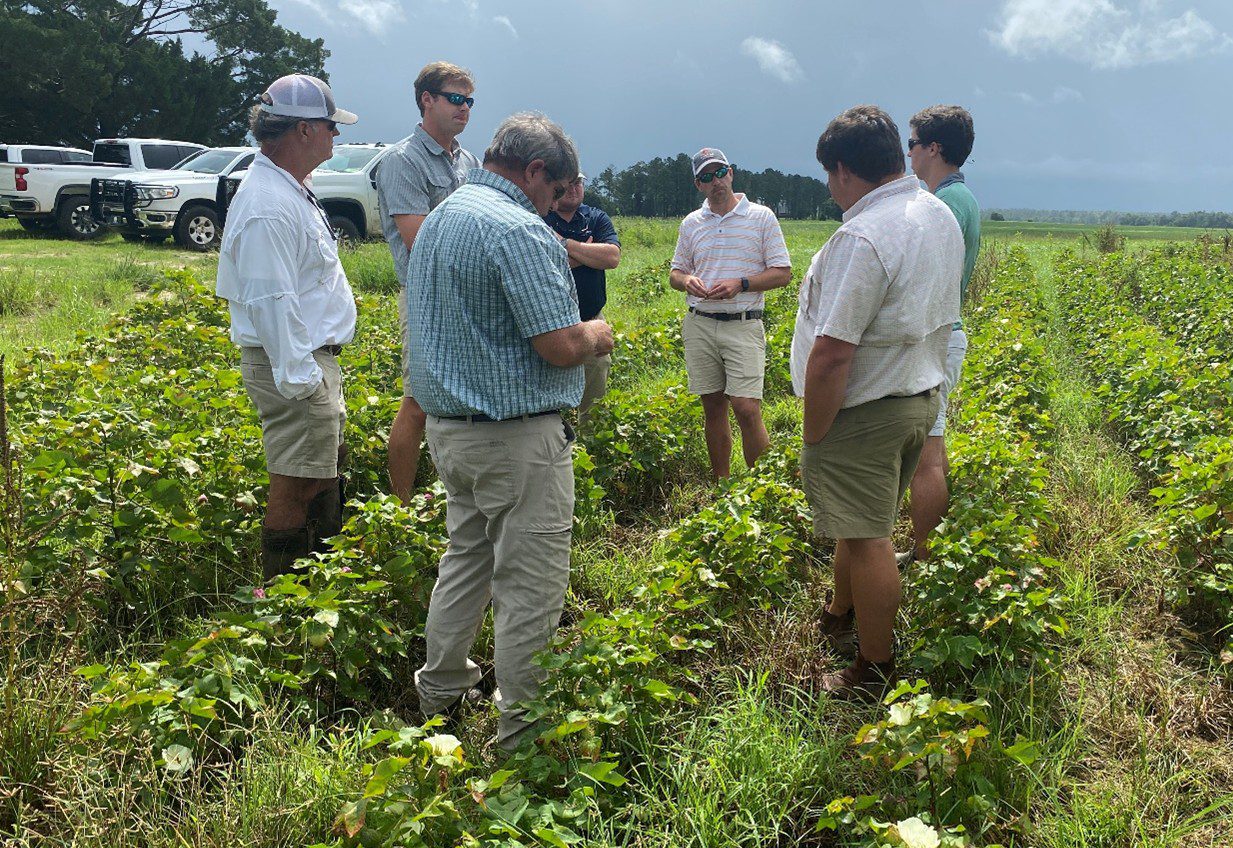
Figure 1. Advising stakeholders on treatment options for field infested with cotton jassids
The Agronomic Crops Team works to provide practical, research-based solutions that help Alabama growers improve profitability, manage risk, and protect yield. Through coordinated efforts in applied research, Extension programming, and direct producer engagement, programs delivered actionable information that improved decision-making on more than 450,000 acres statewide.
In 2025, efforts addressed key production challenges, including insect, disease, and weed management, variety selection, nutrient management, irrigation, and precision agriculture, with a major emphasis on rapid response to emerging threats such as cotton jassid.
Targeted programs delivered measurable on-farm returns through improved input efficiency, yield protection, and advanced production practices, while large-scale production initiatives contributed substantial economic returns to producers.
Education and training programs strengthened in-field decision-making, and timely information delivery through newsletters, podcasts, publications, and digital media ensured that growers had access to relevant, science-based recommendations throughout the season. These efforts generated significant economic benefits and strengthened the productivity, profitability, and long-term resilience of Alabama row crop systems.
Cotton Scout Schools
Project Leaders: Scott Graham, Aaron Wells, Blake Lanton, Cade Grace, Christy Hicks, Eddie McGriff, and Sedrick Mack
The 66th Cotton Scouting Schools were held in Macon, Cherokee, Henry, and Limestone Counties. Across all locations, a total of 170 scouts were trained in the most up-to-date methods to scout and manage insects in cotton and/or soybeans and peanuts. Scouts reported that they either learned new techniques or needed refreshers from previously attended scout schools. Additionally, scouts received timely insect management information through newsletters, blog posts, and pest patrol hotlines.
Cotton Jassid Response
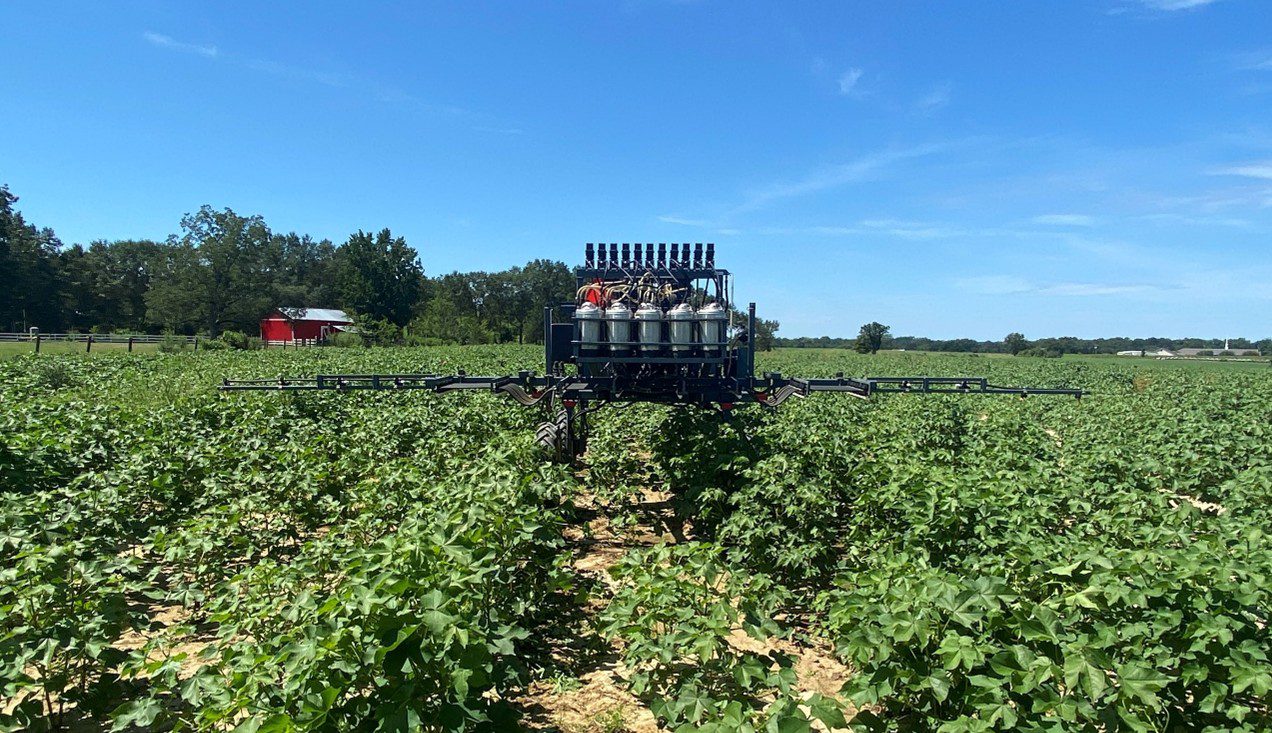
Figure 2. Spraying a field for on-farm cotton jassid trial in southeast Alabama
Project Leaders: Scott Graham, Aaron Wells, Blake Lanton, and Christy Hicks
The overall economic impact of the Extension Cotton Entomology Program in 2025 is estimated at approximately $3.0M. This estimation is based on feedback received from blogs, presentations, and meetings regarding the impact of information provided, particularly about the invasive cotton jassid.
In surveys, nearly 60 percent of respondents indicated they had heard about jassids and made management decisions based on information from Extension. Responders indicated that 48,550 acres were treated (nearly 20 percent of the acres in the state) an average of 1.4 times at a cost estimate of $16.61 per acre. This is an estimated $1,090,550 in control costs.
Thanks to timely information provided by the Team, 45 percent of respondents indicated they did not think they lost yield to jassids. However, 37 percent were not sure if they lost yield, and 18 percent thought they did lose yield. Most responses where yield was lost indicated that losses were only observed on field borders.
Corn & Soybean Diseases Management
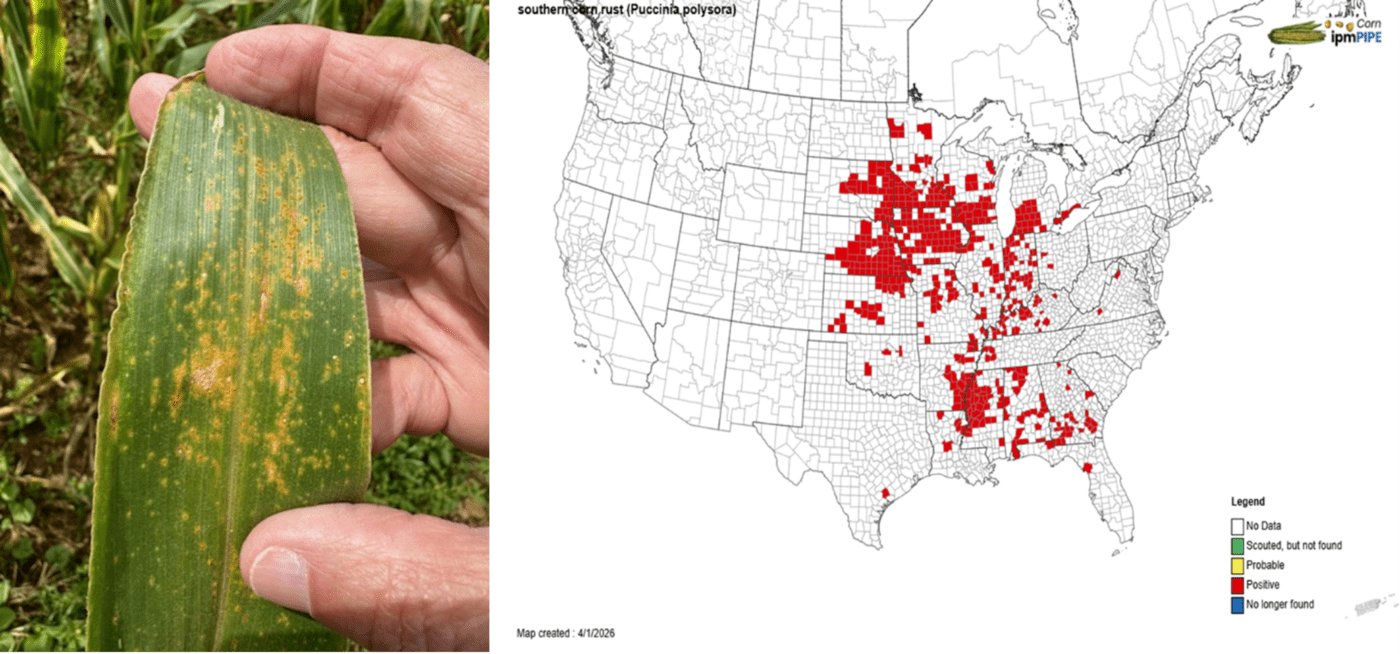
Figure 3. Southern corn rust symptoms and distribution across the United States in 2025
Project Leader: Ed Sikora
Like the 3 years before it, 2025 was highlighted by relatively hot, dry conditions during August and September. Though this can accelerate the early planted corn harvest, the lack of rain often stressed soybeans during pod fill. The lack of moisture also held back many common late-season soybean diseases, such as frogeye leaf spot, Septoria brown spot, and soybean rust. Yield loss from these foliar pathogens was relatively minor in 2025 as was the case in the preceding years.
Foliar disease of corn appeared at low to moderate levels based on observations from fungicide trials and field scouting of commercial fields. Southern corn rust was detected in twenty-one counties in Alabama but was never considered a significant threat in most situations. Late-planted corn may have been at risk of yield loss from southern rust and other diseases, such as southern corn leaf blight and gray leaf spot, but reports of these diseases were sporadic, and the yield loss was minor, especially if growers had applied a fungicide application at tasseling or silking. Southern rust was more of a concern to corn growers in the north-central states compared to those in the Southeast in 2025.
Future of Farming
Project Leader: Rishi Prasad
The Future of Farming project demonstrates how integrating cover crops with smart irrigation practices can strengthen Alabama row crop systems by improving soil health, enhancing water- and nutrient-use efficiency, and reducing environmental losses. The project operates across three demonstration farms located in north, central, and south Alabama and has included edge-of-field (EOF) water-quality monitoring at each site since 2021.
Between December 2024 and December 2025, EOF monitoring captured a total of twenty-four runoff events and analyzed each for total suspended solids, ortho P, total P, nitrate N, and ammonium N to quantify nutrient transport and runoff losses under field conditions.
Through a cover crops incentive program, a cornerstone of the project, customized cover crop recommendations were paired with $50 per acre incentives totaling approximately $350,625 in direct farmer payments. Expanded in 2022, the program added six counties and increased the per-farm enrollment cap from 50 to 100 acres, resulting in sixteen additional farms enrolling.
Education and capacity building has remained central to the project. The Future of Farming team hosted four educational/demonstration events in 2025, including two cover crop field days with a combined fifty-seven attendees and two nutrient management meetings reaching thirty-four participants.
Farmers and stakeholders reported increased knowledge in soil health, cover crops, nutrient management, and irrigation. They anticipated improved profitability and cost savings, reinforcing the project’s value as a scalable model for conservation and agricultural efficiency.
-
- Figure 4. Future of Farming team at the Tennessee Valley field day
-
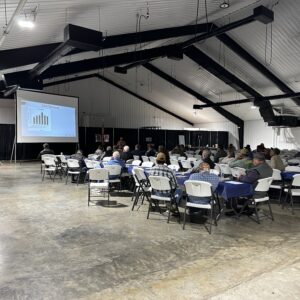
- Figure 5. Wiregrass Cotton Expo presentation
-
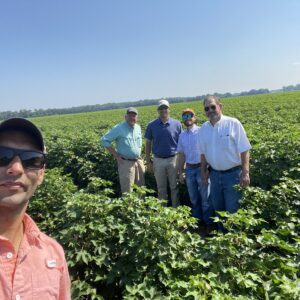
- Figure 6. Evaluating a cotton field in northeast Alabama
Wiregrass Cotton Expo 2025
Project Leaders: Jimmy Jones, Aaron Wells, and Sedrick Mack
The Wiregrass Cotton Expo is an annual multistate educational event designed to deliver research-based information to cotton producers in the Wiregrass region. Hosted at the National Peanut Festival fairgrounds in Dothan, the 2026 Expo was held on January 22 and attracted 178 attendees from within a 100-mile radius.
The program featured a trade show with approximately forty vendors and an educational agenda supported by Extension personnel from Alabama’s southeast region and university specialists. The even featured a keynote address by the head economist for Cotton Incorporated. Growers in attendance represented an estimated 10,221 acres of cotton production, averaging 444 acres per operation.
Post-event evaluations indicated an average perceived value of $55 per acre, resulting in a direct economic impact of $562,155 to growers and an Extension return on investment of $130 for every $1 invested.
Wiregrass Cotton Expo marketing team members coordinated efforts that generated over 250,000 outreach touchpoints through social media postings, radio and television ads, feature news stories, shared video interviews, and podcasts, which contributed to strong grower participation in the 2026 Wiregrass Cotton Expo.
Cotton Information Delivery
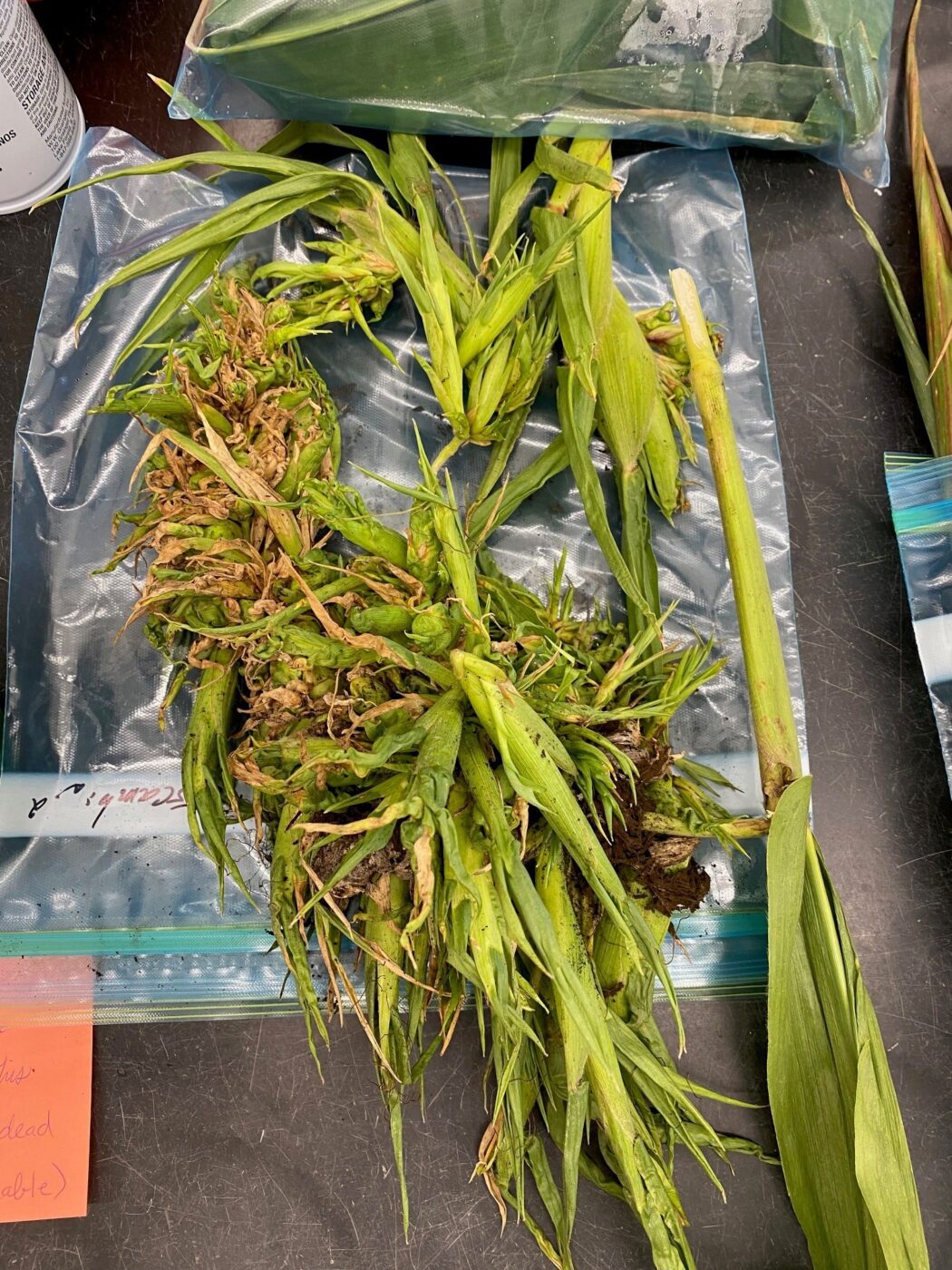
Figure 7. Crazy top corn
Project Leaders: Josh Lee and Scott Graham
The Agronomic Crops Team focuses on providing timely cotton information to the Alabama cotton industry. The Alabama Cotton Shorts newsletter is a publication released each month during the cotton-growing season. It includes contributions by Extension specialists and agents encompassing all areas of cotton production. In 2025, twelve issues of the newsletter were sent to over 1,000 recipients across Alabama and the Southeast.
In 2025, six contributions were made to the Specialist Speaking section of Cotton Farming magazine. This web-based magazine is viewed by an audience of almost 16,000 throughout the U.S. Cotton Belt. News interviews about how cotton tariffs would impact Alabama cotton growers were featured in news outlets including the Decatur Daily newspaper and WAFF 48 Huntsville. Two informational Facebook video shorts, including one on cotton defoliation timing, were uploaded to the Alabama Row Crops Facebook page, which had approximately 500 followers.
Auburn Plant Diagnostic Laboratory
Project Leader: Kassie Conner
Throughout the year, 1% of clientele are surveyed to determine specific impacts based on recommendations provided through diagnostics. In 2025, the Auburn Plant Diagnostic Laboratory (APDL) processed 6,471 samples. Of those, 1,936 were routine samples (945 plant, 823 nematode, and 168 insect). Following Team recommendations, clients surveyed (n=19) saved an average of $621 per sample, for a total savings of $1,202,256. Additionally, 95 percent of those clients indicated that they adopted or plan to adopt the IPM recommendations provided by the APDL based on their diagnostics.
Southeast Alabama Crop Production
Project Leader: Aaron Wells
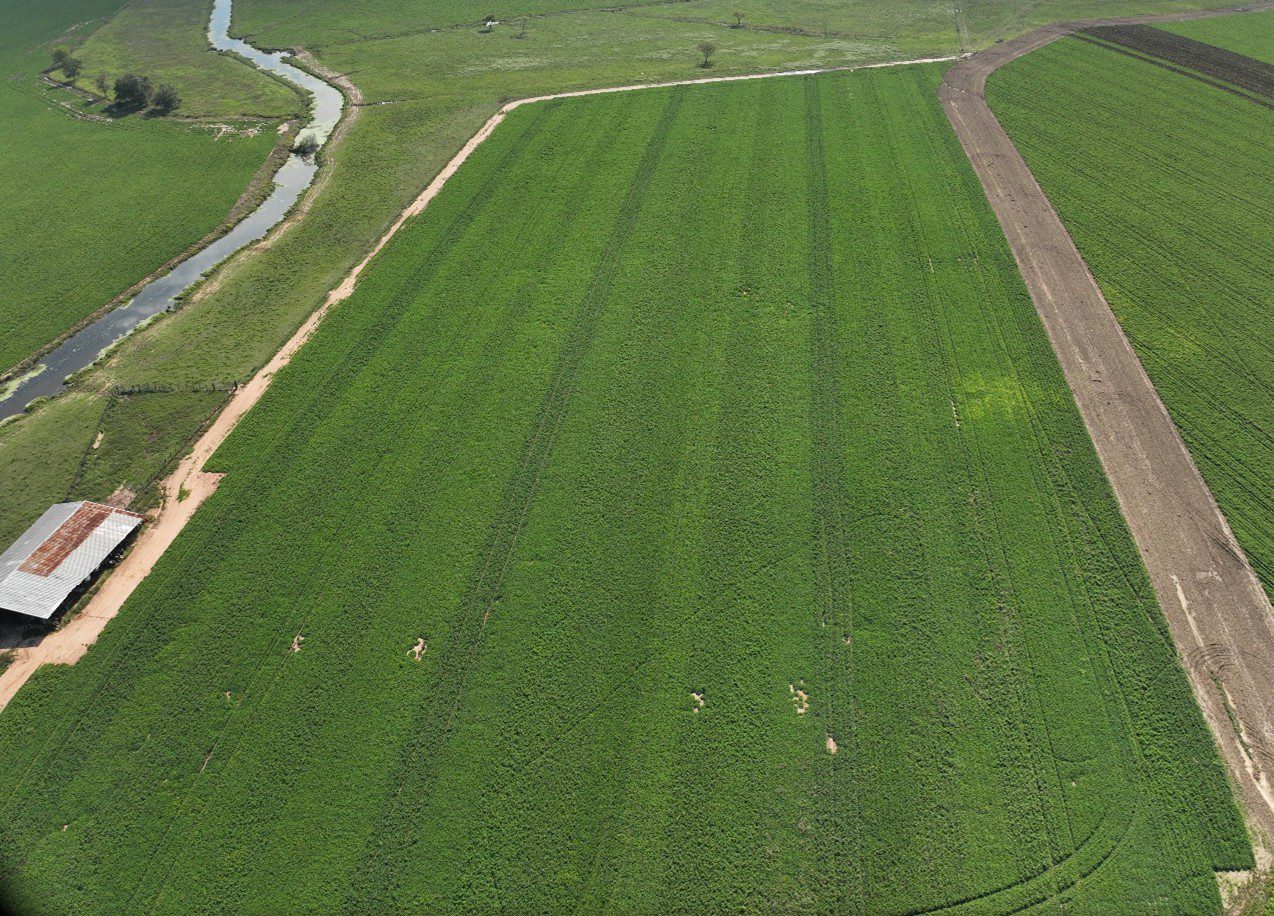
Figure 8. Aerial view of an on-farm trial in southeast Alabama
Crop year 2025 saw numerous opportunities for Extension to impact Alabama row crop growers. Two major projects in particular stand out.
First, more than twenty-five on-farm variety trials for corn, soybeans, cotton, and peanuts were conducted in different growing regions throughout the state. Yield and grade factors were analyzed of the top commercially available varieties across various environments.
Results offered commodity growers unbiased scientific data as to which cultivars perform best in specific growing regions and environments of the state. Typically, top performing varieties outyield lower counterparts by 10 to 25 percent. Knowing the optimal varieties for specific regions and environments offers both agronomic and economic rewards.
The second project focused on cotton growers of Alabama. Midsummer 2025, calls were received concerning a new cotton pest, the two-spot cotton leafhopper (jassid). Extension specialists and agents along with growers and industry personnel from multiple states in the southeastern United States began working to find solutions for this pest.
Extension specialists from land grant universities were the front line in the battle to curb damage done to cotton growers’ fields. Many field visits, field trials, and lab research projects were conducted in an expedited manner to bring scientifically sound recommendations on prevention and control of the jassid.
The outcome was Extension’s ability to track the insect, develop best practices for scouting the insect, determine a threshold population number that justified an insecticide application, determine what insecticide products were most effective in control of the insect, and determine how long during the growing season the jassid should be considered a threat to the cotton crop.
It is estimated that over 300,000 acres of cotton in the Southeast has been treated to deter jassid damage. Without the work of Extension, this easily could have been over 300,000 acres of cotton that was destroyed by the insect.
Row Crop Field Days
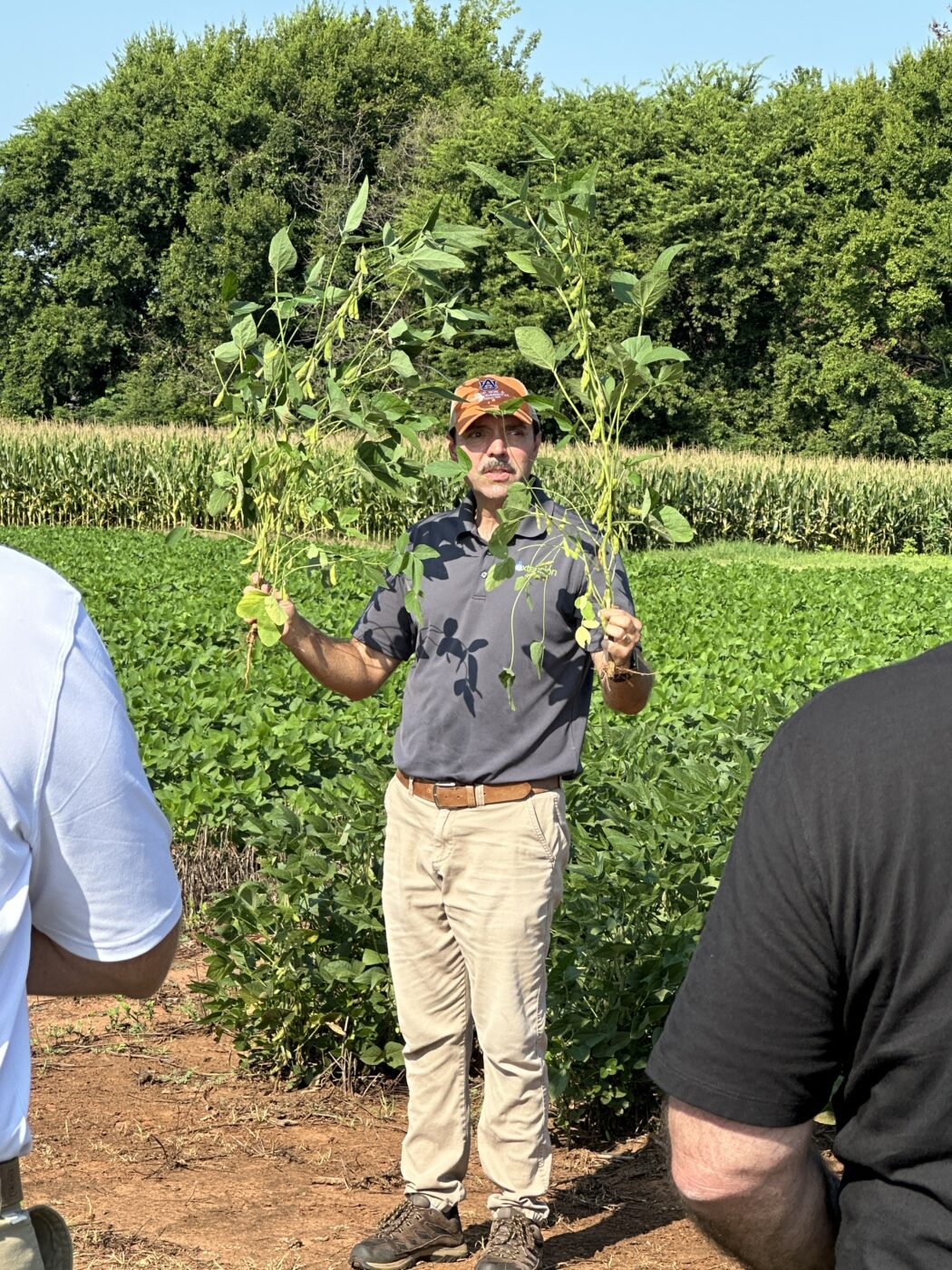
Figure 9. Demonstration of different soybean varieties at a field day
Project Leader: Eros Francisco
Field days took place at Tennessee Valley Research and Education Center in Belle Mina and Gulf Coast Research and Extension Center in Fairhope in July and August 2025 with a focus on row crops management and latest research findings. Several Extension specialists showed their research results and addressed the most relevant questions from farmers and stakeholders. Approximately 100 people attended the yearly events.
On-Farm Variety Trials
Project Leader: Eros Francisco
Every year with the support of ALFA checkoff funds, corn and soybean on-farm variety trials are performed across different regions of the state. In 2025, six corn trials were conducted in Cullman, Elmore, Escambia, Franklin, Houston, and Walker Counties testing more than twelve different hybrids. For soybeans, trials were carried out in Colbert, Henry, Marshall, and Monroe Counties testing over ten different varieties.
These trials provide farmers with important information on variety/hybrid performance. All information is available online at the Auburn University variety trials portal: Variety Tests / Alabama Agricultural Experiment Station (auburn.edu).
Weed Management Strategies for Cropping Systems
Project Leader: David Russell
Practical demonstrations and delivery of research-based practices reached over 1,100 individuals in 2025 through at least twenty statewide events. These included two in-service trainings, two field days, twelve structured stakeholder meetings, two webinars, two formal classroom lectures, and many additional one-on-one farm visits. Collectively, these engagements educated and supported clientele and stakeholders interested in integrated weed management and controlling troublesome weed species.
Feedback consistently indicated that more than 80 percent of attendees planned to implement weed management practices on their farms. In one grain crops event alone (n=60), an average of 649 acres were represented. Among forty-one respondents, 83 percent reported a gain in knowledge, and 79 percent planned to adjust management practices, resulting in an anticipated economic impact of $69,053 from this single meeting.
Research findings stemmed from at least thirty replicated field trials, nineteen of which were conducted on producers’ farms, leading to farmer engagement and strengthened relationships through Extension outreach. Two of these on-farm trials led to successful state approval of a 24(C) Special Local Needs label for the use of Command 3ME herbicide for early postemergence application over soybeans for the control of teaweed (Sida spp.).
Much of this work culminated in the successful publication of five peer-reviewed research manuscripts that appeared in Weed Science, the Plains Press: Highlights in Agricultural Research, and Agronomy Journal. Through these tangible efforts and community engagement, our growers’ personal testimonies and referrals have helped our program expand its public reach.
Alabama Crops Report Podcast
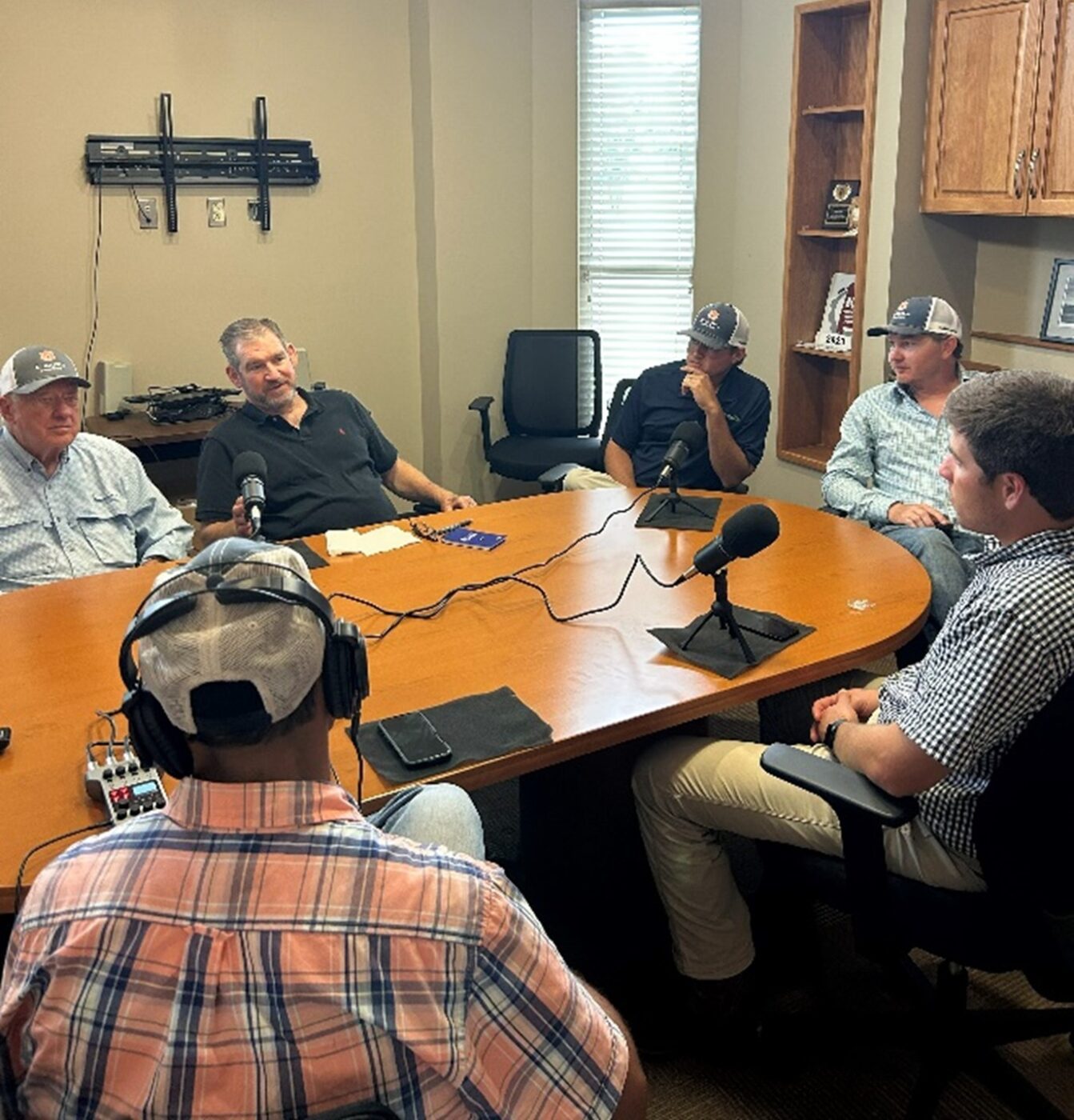
Figure 10. Recording an episode of the Alabama Crops Report podcast
Project Leaders: Simer Virk and Scott Graham
In recent years, the digital delivery of information to producers has become an important part of Extension programming. In particular, podcasts have become a popular source of new information and staying up-to-date on various agricultural topics, as they can be conveniently listened to anywhere, on or off the farm.
The Alabama Crops Report podcast was launched during the COVID-19 pandemic (in 2021) to help growers stay connected and share timely, relevant information in the absence of in-person meetings and field days. The podcast was revamped in early 2024 as the Agronomic Crops Team acquired resources to produce longer and more frequent episodes with support from Extension Communications, Strategic Marketing, and Client Relations. Since then, podcasts have been released biweekly and are posted on the aces.edu website (https://www.aces.edu/blog/topics/crop-production/alabama-crops-report-podcast/).
In 2025, twenty episodes were recorded with contributions from members of the Agronomics Crops Team. These episodes covered topics such as variety selection, planting preparation, weather outlook, insect and disease management, agricultural market trends, nutrient management, and harvest considerations. Several episodes included agricultural stakeholders across the state, such as growers, consultants, and industry experts who shared their perspectives and suggestions for staying profitable during the low commodity prices and high input costs.
In 2025, the number of podcast listeners per episode ranged from 50 to 1,000 (based on the topic and its relevance), with a total of 7,600 listens during the year. With the revamped format, the podcast has been very well received by stakeholders, including county Extension agents, Ag retailers, growers, and crop consultants.
With challenging weather conditions during the 2025 planting season, many stakeholders have appreciated the relevance and timeliness of the information shared in the episodes and its impact on their crop production decisions. The impact and success of the podcast is also evident from its recognition by the American Society of Agronomy, which placed it among the top three entries in the digital communication category for the Extension and outreach awards.
Field Focus Agronomy Series & Field Days
Project Leader: Christy Hicks
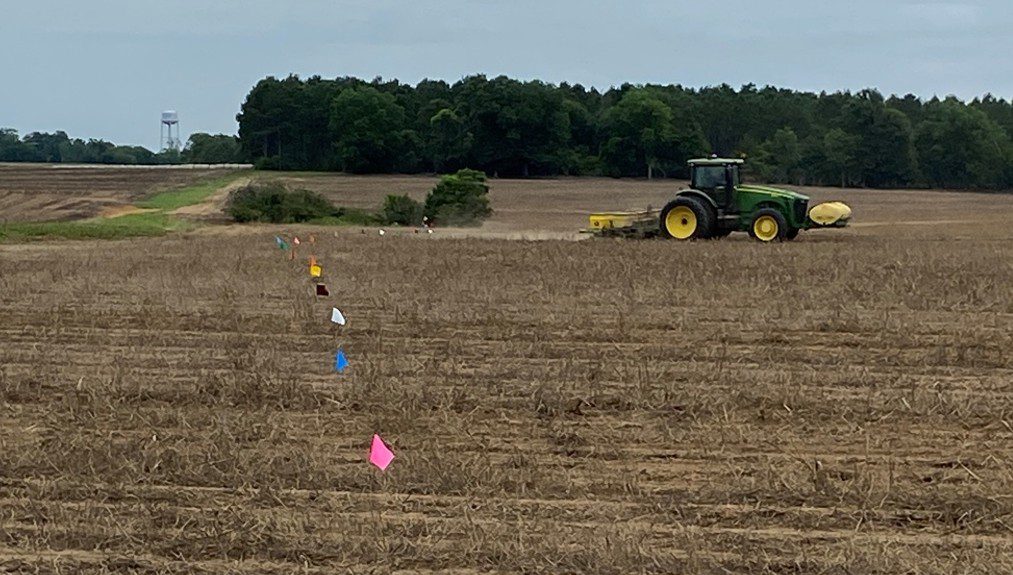
Figure 11 . An on-farm variety trial being planted in southeastern Alabama
The purpose of the Field Focus Agronomy Series was to provide up-to-date research-based information to row crop growers in east central and southwest Alabama. Two field days were hosted in regions where growers had questions related to equipment setup for planting into heavy cover crops and making variety selections in peanuts and cotton. Timely insect updates for the midsummer tour were also provided. The series and field days had a total of 264 attendees, representing an estimated 132,000 acres of cropland.
This was made possible by Ag specialists, agents, CEDs, and three of the AFNR teams, including Ag Crops, Animal Science and Farm, and Agribusiness. Industry sponsors and ALFA county offices heavily invested in the meeting, providing a total of $5,000 in sponsorships and donations for meals and meeting space.
Cotton, corn, soybean, and peanut variety trials for each region were made available to growers to help them make variety decisions based on local data for their region. IPM guides that covered weed and insect control were also used in the series.
These events provided much-needed networking and fellowship during lean economic times in the agricultural industry. While these are intangible benefits, they are impactful.
Alabama Crops Report Newsletter
Project Leader: Amanda Scherer
Extension programming must continuously evolve to effectively address changing stakeholder needs. This was especially evident in 2020 as COVID-19 effectively stopped traditional in-person Extension activities, which are a crucial way to deliver information to producers. In order to stay connected with growers, the Alabama Crops Report newsletter was created.
In 2025, the Agronomic Crops Team contributed to nine editions of the newsletter, which currently has 303 subscribers. Each edition has an average of seven articles. The newsletter has an average open rate of 53.3 percent; the average across all MailChimp newsletters is 35.6 percent, and the average open rate for agriculture-based newsletters is 38.0 percent.
These metrics demonstrate that the Team is not only reaching stakeholders but providing content that is both relevant and impactful. While less than 2 percent of the U.S. population is directly involved in agriculture, the Alabama Crops Report newsletter effectively serves this audience while also informing the remaining 98 percent about the agricultural efforts that support feeding and clothing the world.
Cotton and Peanut Disease Management
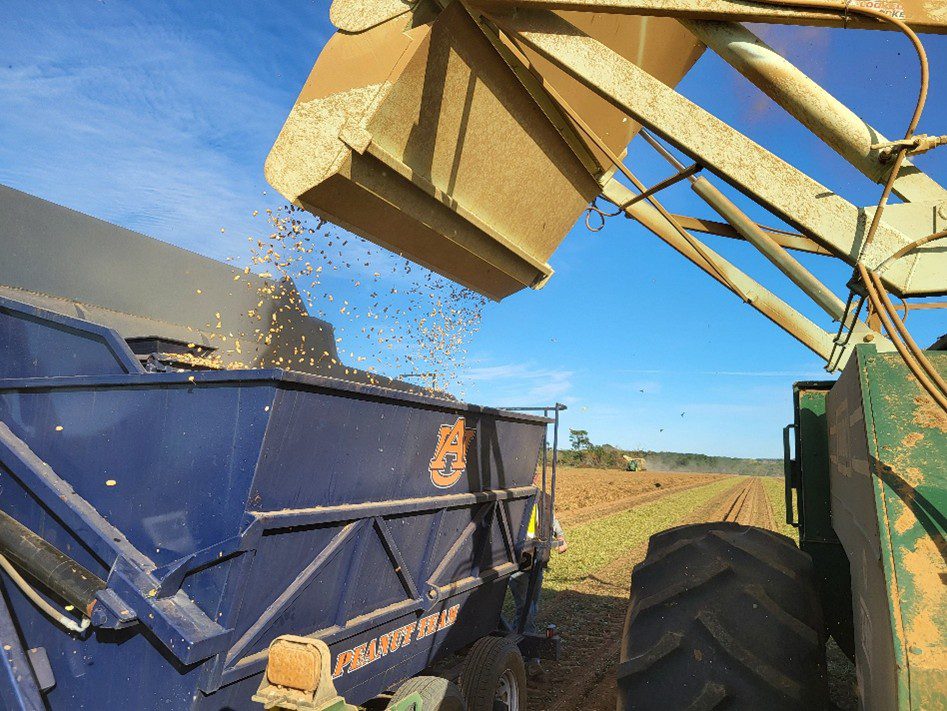
Figure 12. Harvesting an on-farm peanut variety trial
Project Leader: Amanda Scherer
In Alabama and other parts of the United States, plant diseases play a major limiting role in agricultural production, as they have the potential to destroy parts of or whole plants and negatively impact yield.
In 2024, cotton, peanuts, and wheat represented three of the top six agricultural crops in Alabama and were valued at $374 million. There are several foliar and soilborne diseases that can cause yield losses of more than 50 percent in these crops if not controlled. To combat this, results were used from twenty-five cotton, eighteen peanut, and ten small grains fungicides and variety trials to provide stakeholders nonbiased, economically feasible, and sustainable disease management strategies.
In 2025, Extension programming on cotton, peanut, and small grains disease management was delivered to at least 833 stakeholders across thirteen sponsored events, two regional forums, four AAES field days, three peer-reviewed publications, two nonreferred publications, four updated IPM guides, fourteen newsletters, three podcast episodes, and one article published in the Southeastern Peanut Farmer magazine. Through these timely disease updates, cotton producers saved an average of $27.80 per acre and peanut producers an average of $23.54 per acre in fungicide application costs.
Improving Corn Health to Increase Yields and Profitability
Project Leader: Eddie McGriff
In 2025, growers challenged the Agronomic Crops Team to develop a program to increase corn yields and profitability. One grower had set the Alabama corn yield record of 355 bushels per acre in 2023, but he was not satisfied with his yields. He wanted to average over 400 bushels per acre under irrigation. Another grower wanted to produce over 300 bushels per acre on nonirrigated fields.
Only 45 percent of total dry weight accumulates in kernels by R5 (early dent). Most growers at this stage do not put any additional inputs into their crop. There is little research on improving corn yields by increasing dry matter accumulation in the kernels after R5.
With 55 percent of the dry weight left to be accumulated, a huge opportunity was presented to increase the amount of carbohydrates (sugars) in the kernels. A program was developed to increase kernel size and weight and also increase yields and profitability.
The program involved three additional steps to existing programs. First, increase the amount of broiler litter applied to the field to compensate for higher yield goals. Second, apply two additional fungicide sprays to keep the plant healthy until harvest. This allowed the plant to pack more carbohydrates into the kernels, adding size and weight. Third, add foliar molybdenum (Mo) with each of the three fungicide applications, starting at brown silk and applying at 10-to-14-day intervals. Mo helps the corn plant use nitrogen better by being a vital component of the enzyme nitrate reductase, which converts absorbed nitrate into nitrite and then into ammonium, the plant’s preferred form for building proteins and amino acids.
The program was a tremendous success in 2025. The first farmer averaged 404.3021 bushels per acre on his acreage. This was the highest yield ever documented in Alabama by almost fifty bushels per acre. This farmer also placed second nationally in the National Corn Growers Association’s corn yield contest. Neighboring corn that was not in the program made 346.6092 bushels per acre for an additional 57.69 bushels per acre and $189.69 per acre profit.
The second farmer averaged 341.8810 bushels per acre in the program. This was the highest nonirrigated yield documented in Alabama. The adjacent corn not in the program averaged 302 bushels per acre. This farmer averaged 39.9 bushels per acre more than the adjacent corn and $71.08 per acre additional profit.
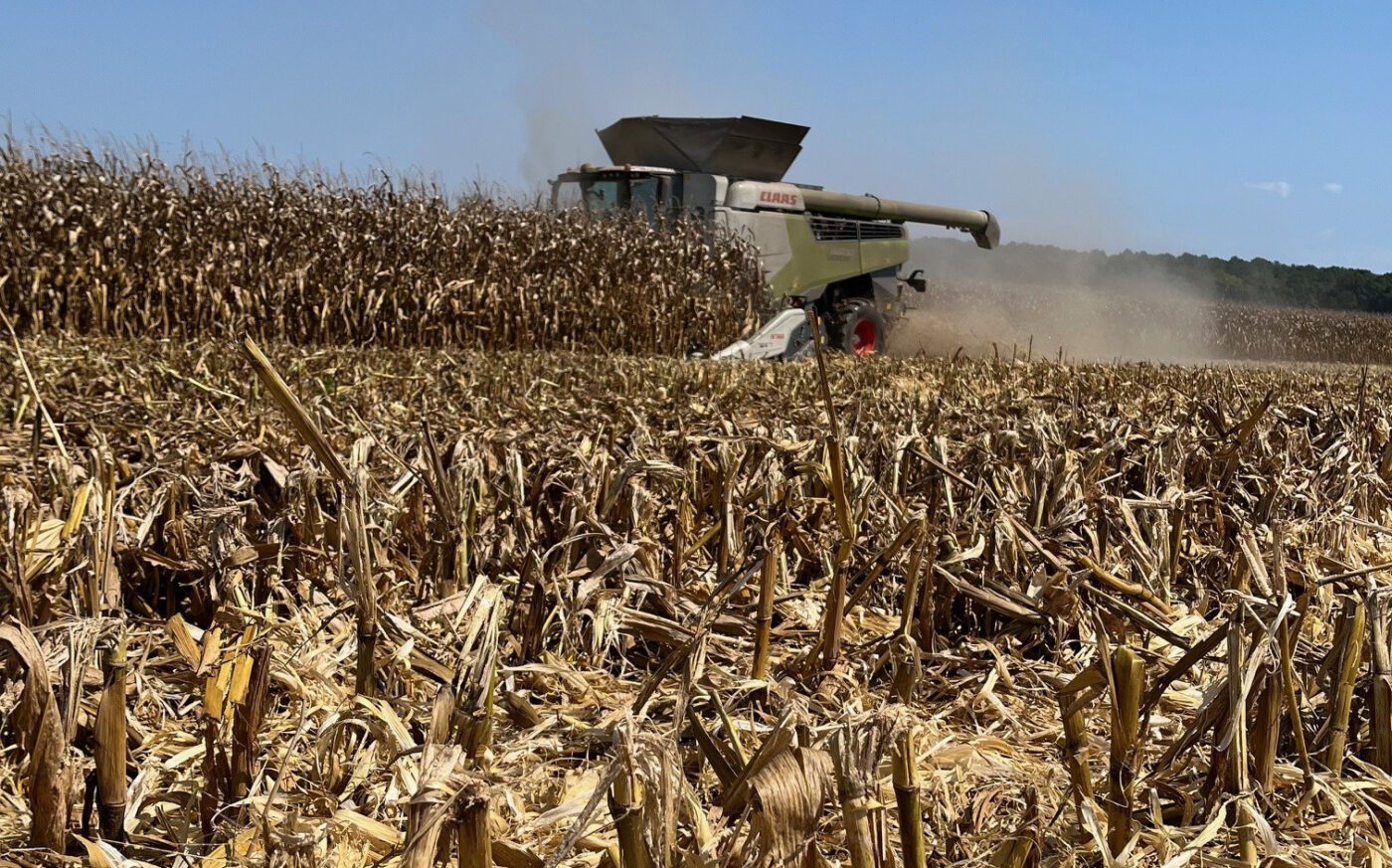
Figure 13. The all-time highest corn yield in Alabama (404.3021 bushels per acre) was produced in Limestone County.
Northwest Alabama Crop Production
Project Leader: Cade Grace
In fall of 2024, soil sampling was conducted on 1,000 acres of cotton land across five counties in northwest Alabama, marking the land’s first extensive soil testing. Results showed that prior blanket fertilizer applications—200 pounds per acre of urea and 100 pounds per acre of potash at side-dress—were excessive, with most fields already sufficient in potassium and over applied in nitrogen.
Adjusting rates to 130 pounds per acre (60 units of side-dressed urea) and eliminating side-dressed potash reduced input needs by 35 tons of urea and 50 tons of potash, saving $47,250 ($47.25 per acre). In addition, soil pH levels were optimal on most fields, allowing lime applications to be limited to only 10 percent of acres instead of the entire farming operation, saving an additional $45,000.
Altogether, soil testing led to $92,250 in direct fertilizer and lime savings, or $92.25 per acre, in 2025, with further benefits expected from reduced labor, fuel, and equipment use as the project continues.
Irrigation Water Management
Project Leader: Brenda Ortiz
An Extension program focused on demonstrating and training in best irrigation management practices runs every year from spring through early fall. Some of the main activities of the program are (a) farmer assistance and training on the maintenance and operation of center pivot irrigation systems, and (b) training on the use of irrigation scheduling tools to support decisions on irrigation rate and timing.
In 2025, fifteen center pivot irrigation systems located at farmers’ fields across Alabama were tested. Besides training farmers on how to run tests for uniformity of water application on center pivot irrigation systems,
a diagnosis of problems found was shared with the farmers, and assistance was provided on how to address the problem.
Among the most significant impacts of this activity was the identification of systems, new and old, that were underapplying water by up to 70 percent of the prescribed rate. Identification of the problem and follow-up with system repair or reconfiguration prevented yield losses of 18 to 24 percent on fields up to 60 acres.
Irrigation scheduling activities focused on training stakeholders on how to use soil sensors (AquaSpy and CropX) and an evapotranspiration-based soil water balance phone application to support irrigation scheduling decisions. One-on-one training and videos were used to explain how to interpret the recommendations from these two tools.
Five irrigation scheduling videos shared through a YouTube channel were viewed by 122 people (www. youtube.com/@AU_PrecisionAg), and up to 1,000 people were contacted with the same information through a Facebook page.
-
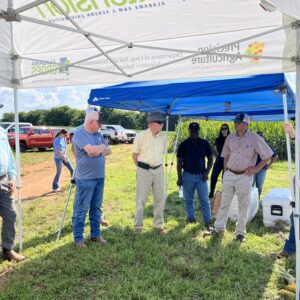
- Figure 14. Discussion between Team members and growers at the OPTIMA Field Day in northwest Alabama
-
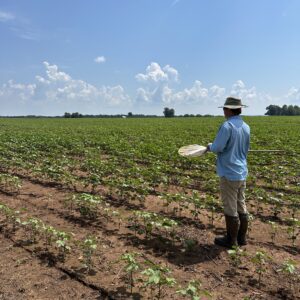
- Figure 15. Sampling a field in central Alabama
-
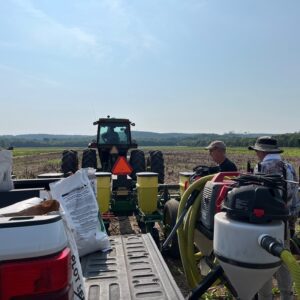
- Figure 16. Planter being loaded for an on-farm soybean variety trial in Colbert County
-
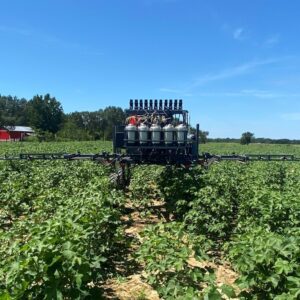
- Figure 17. Spraying a field as part of an on-farm plant bug trial in central Alabama
OPTIMA Fields Project
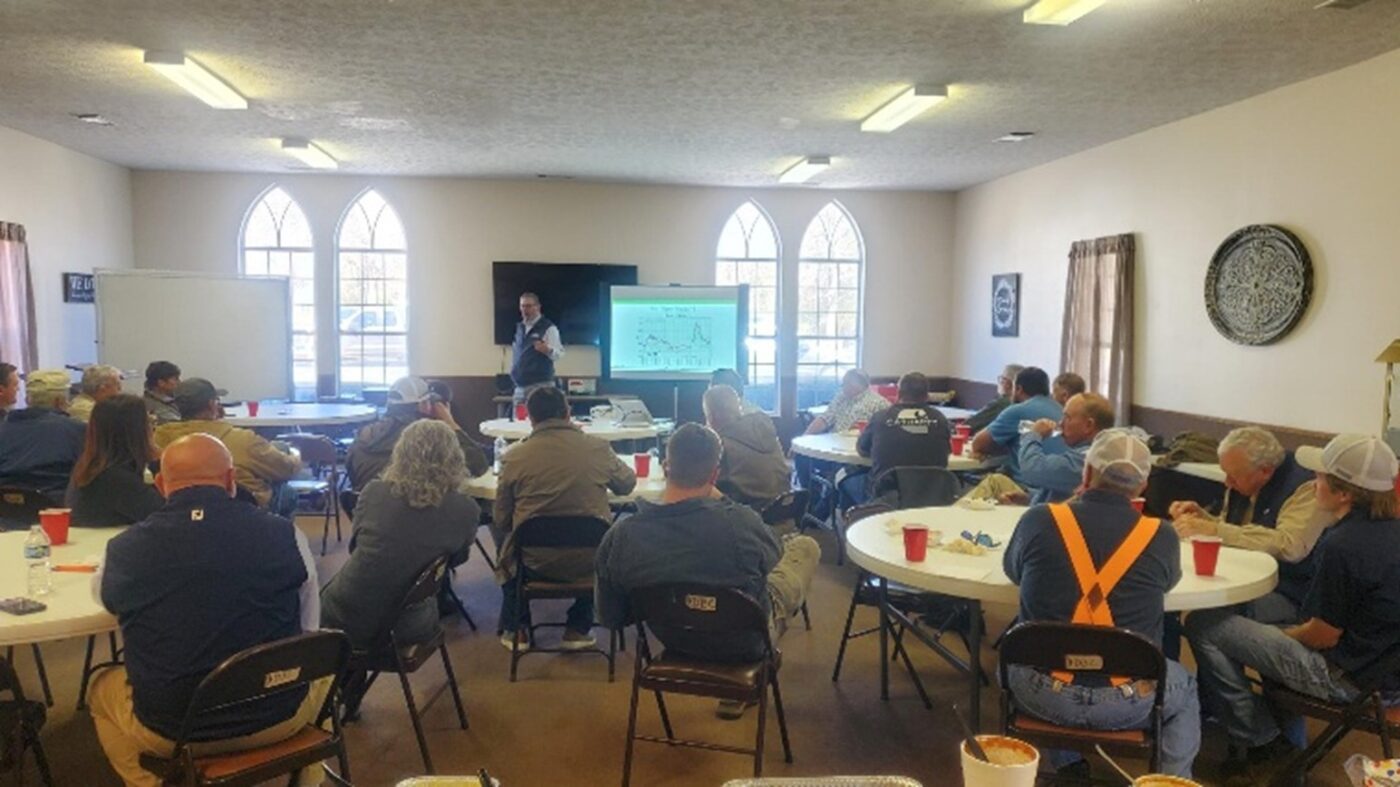
Figure 18. Presentation at one of the Central Alabama Field Focus Agronomy series meetings.
Project Leaders: Brenda Ortiz, Eros Francisco, Adam Rabinowitz, David Russell, Kelli Russell, Steve Brown, Emmanuel-Abban-Baidoo, and Sthefani Goncalves de Oliveira
Ten on-farm trials were established at sites in Lawrence, Marshall, Cherokee, Lee, Macon, Pike, Geneva, and Houston Counties as part of a 5-year project funded by NRCS. The main objective is to support farmers’ adoption of site-specific management, aided by precision agriculture (PA) technologies, to increase input use efficiency and profitability. Among the trials established were fertigation as well as corn and cotton yield response to seeding rate, nitrogen rate, and nitrogen source.
The results of those trials were used to provide farmers with awareness and recommendations of the right seeding and nitrogen rate at the right location within the field. Information and data on the benefits of fertigation were also shared.
Because these trials were established with the support of PA technologies, training on how to use those technologies to implement variable rate application of inputs was conducted. Four field days with participation of about 180 farmers, crop consultants, and industry representatives were organized in Houston, Pike, Cherokee, and Lawrence Counties.
Testing Agriculture Performance Solutions (TAPS) Project
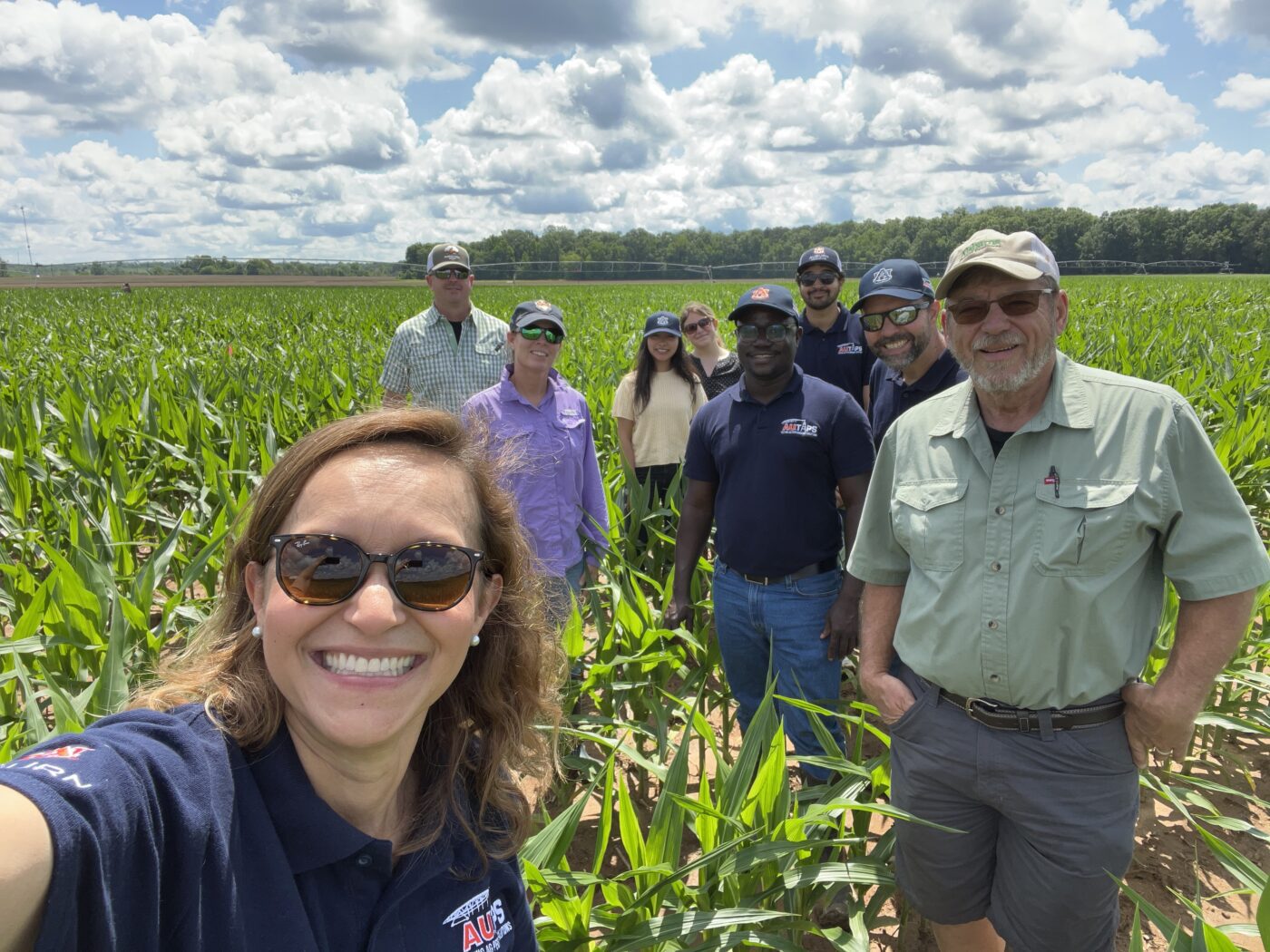
Figure 19. Members of the TAPS team looking at corn plots with growers from central Alabama
Project Leaders: Brenda Ortiz, Eros Francisco, Adam Rabinowitz, Wendiam Sawadgo, Emmanuel-Abban-Baidoo, and Sthefani Goncalves de Oliveira
Peer-to-peer knowledge exchange facilitates the adoption of technologies and best management practices. TAPS is a project where seven teams of farmers and regional Extension agents of the Agronomic Crops Team make in-season decisions on corn agronomic and economic management. These teams make decisions on hybrid, seeding rate, nitrogen timing, source and rate, irrigation, crop marketing, and crop insurance. At the end of each growing season, teams compare results and exchange information on the rationale and impact of those decisions.
Farmers participating in TAPS have adapted some of the farm management practices as a result of their participation. The results of TAPS were shared during an in-person meeting as well as a presentation during the Alabama Crop Management Association meeting and the Alabama Row Crops short course.
Peanut Pod Blast Workshops
Project Leader: Kris Balkcom
A total of 349 peanut farmers increased profits by an estimated $2.52 million over 100,000 or more acres after attending twenty-eight pod blast workshops focused on determining the optimum time to dig peanuts for maximum maturity and yield.
In 2025, growers who dug peanuts at optimum maturity realized yield increases averaging approximately 300 additional pounds per acre. The Extension peanut team also helped producers save approximately $6,750 by analyzing more than 450 peanut samples across the state rather than using fee-based services elsewhere. In addition to pod blast workshops across the state during harvest season, the Extension peanut team hosted seven production meetings on research findings that brought in 231 peanut producers.
-
- Figure 20. Pod blasting event in southwest Alabama
-
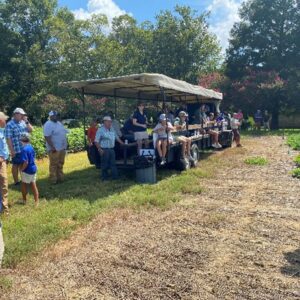
- Figure 21. Presentation at Gulf Coast field day
-
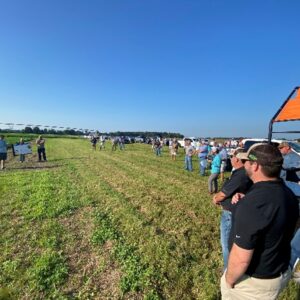
- Figure 22. Tennessee Valley field day
-
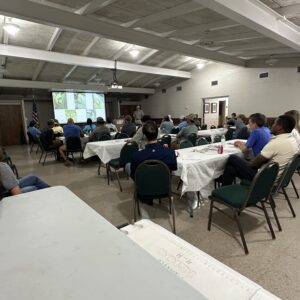
- Figure 23. Presentation at the South Alabama Cotton Scout School
-
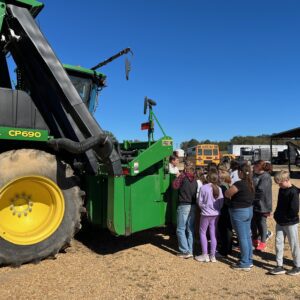
- Figure 24. Fayette County 4-H’ers learning about modern cotton picking operations for their AgVenture field day
-
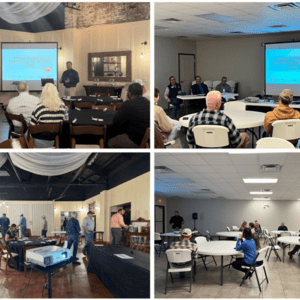
- Figure 25. Presentations from the Future of Farming project

Scott H. Graham, Extension Specialist, Assistant Professor, Entomology and Plant Pathology; Kris Balkcom, Assistant Extension Professor, Crop, Soil, and Environmental Sciences; Kassie Conner, Extension Specialist, Agronomic Crops; Cade Grace, Extension Agent, Agronomic Crops; Christy Hicks, Extension Agent, Agronomic Crops; Jimmy Jones, County Extension Director, Agronomic Crops; Blake Lanton, Extension Agent, Agronomic Crops; Josh Lee, Extension Specialist, Assistant Professor, Crop, Soil, and Environmental Sciences; Sedrick Mack, Extension Agent, Agronomic Crops; Eddie McGriff, Extension Agent, Agronomic Crops; Brenda Ortiz, Extension Specialist, Professor, Crop, Soil, and Environmental Sciences; Rishi Prasad, Extension Specialist, Associate Professor, Agronomic Crops; David Russell, Associate Extension Professor, Agronomic Crops; Amanda Strayer-Scherer, Associate Professor, Entomology and Plant Pathology; Ed Sikora, Extension Specialist, Professor, Agronomic Crops; Simer Virk, Extension Specialist, Associate Professor, Biosystems Engineering; and Aaron Wells, Extension Agent, Agronomic Crops, all with Auburn University
New June 2026, 2025 Agronomic Crops Team Impact Report, ANR-3268
For more information, contact your county Extension office. Visit aces.edu/directory.
Trade and brand names used in this publication are given for information purposes only. No guarantee, endorsement, or discrimination among comparable products is intended or implied by the Alabama Cooperative Extension System.