
Commercial Poultry

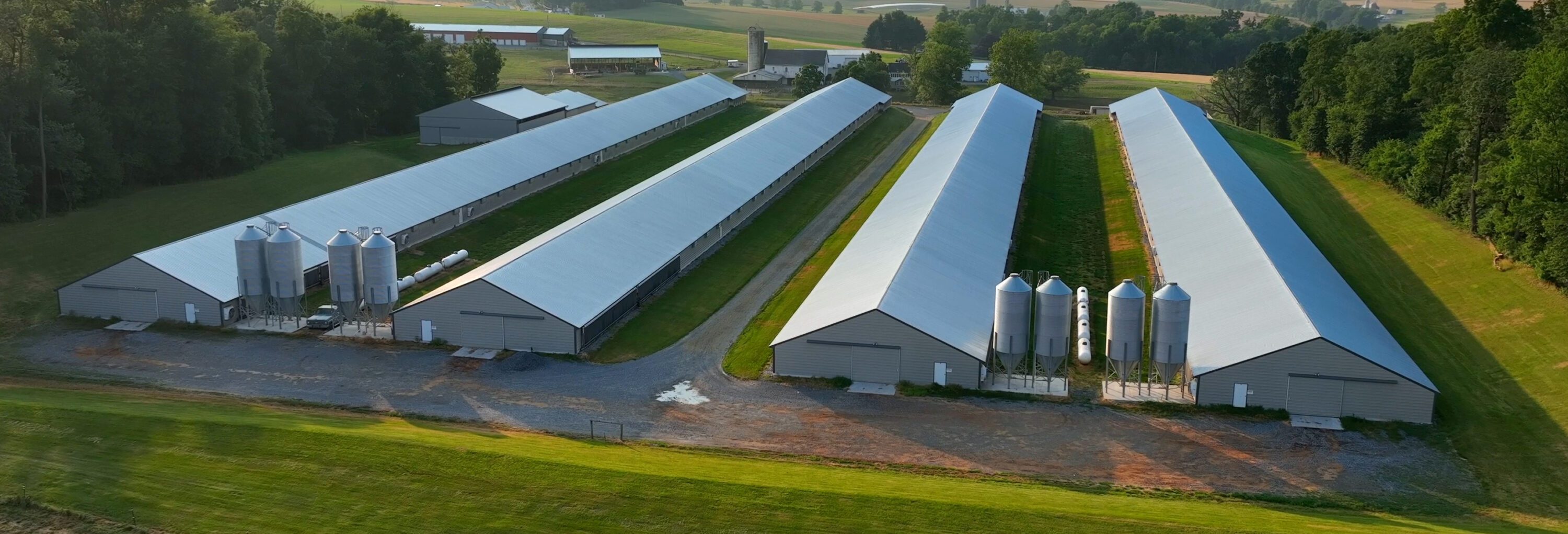
Ignoring a torn heater intake duct in a poultry house can quietly increase fuel use, reduce heating efficiency, and contribute to costly heater repairs long before obvious problems appear.
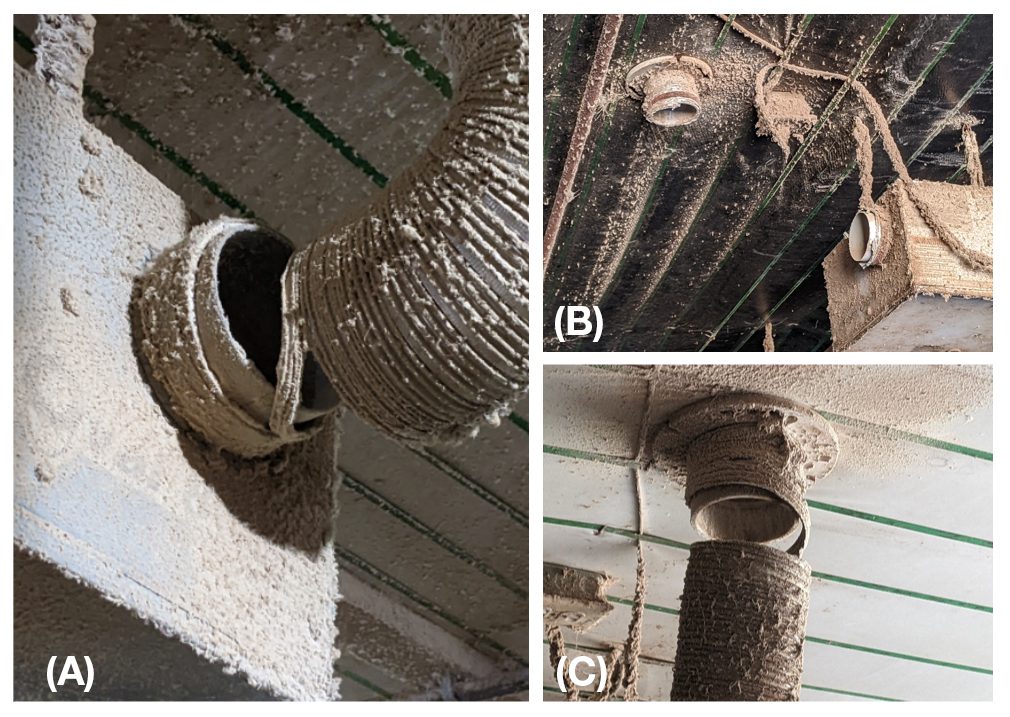
Figure 1. Three examples of the air intake ducts being broken or completely missing from radiant tube heaters in one house.
Most people have sat in a dentist’s chair and heard the same advice: “You need to floss every day.” Why it matters is understood, but because the consequences, including cavities and gum disease, develop slowly over time, it is easy to ignore. Skipping for a few days or even for a few months rarely shows immediate results, so the habit often gets pushed aside. The same mindset shows up in poultry house maintenance, especially regarding radiant tube heater air intake ducts. When these ducts crack, tear, or fall apart (figure 1), the heater does not immediately fail, and the birds may still appear comfortable. As a result, the problem is often ignored. However, just like neglecting to floss, the effects build gradually over time, eventually leading to reduced performance, higher costs, and potentially serious system issues.
Radiant tube heaters are one of the most critical pieces of equipment in a poultry house, especially during brooding and cold weather. When everything is working as designed, these heaters deliver clean, efficient heat directly where chicks need it most. However, one component is often overlooked and rarely maintained: the combustion air intake duct. This flexible duct may seem insignificant, but it plays a direct role in how safely and efficiently your heater operates day after day.
The purpose of the air intake duct is simple: it supplies clean air to the burner so fuel can burn properly. Combustion is a balance between fuel and oxygen, and the heater depends on a consistent supply of clean air to maintain that balance. When the duct is intact and properly connected, it typically pulls fresh air from the attic, helping the burner operate under ideal conditions. However, when that duct becomes cracked, torn, or disconnected, the system begins pulling air from inside the poultry house.
Poultry house air is rarely clean. Dust, litter particles, moisture, and ammonia are part of the environment, especially during brooding when ventilation is reduced. When a damaged intake duct allows this air to enter the heater, those contaminants are drawn directly into the burner assembly. Over time, dust and moisture begin to accumulate inside the burner box (figure 2A), on internal components, including the blower fan (figure 2B), and burner surfaces. This buildup reduces airflow and interferes with the proper mixing of fuel and air, which is essential for efficient combustion.
-
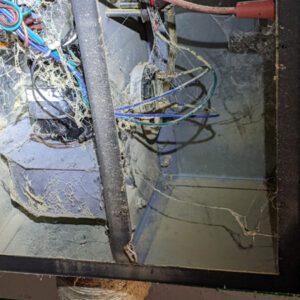
- Figure 2A. The inside of the burner box is filled with dust and spider webs.
-
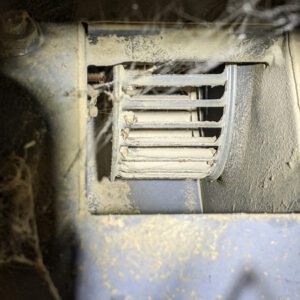
- Figure 2B. In the same box, dust has built up on the blower fan blades.
As airflow becomes restricted, the heater begins operating with a poor air-to-fuel ratio. When there is not enough oxygen available for combustion, fuel cannot burn completely. Instead of producing only heat, carbon dioxide, and water vapor, the heater starts generating carbon particles, commonly seen as black soot. This indicates that combustion is no longer clean or efficient. In practical terms, the heater is using more fuel to produce less usable heat, and over time, performance continues to decline.
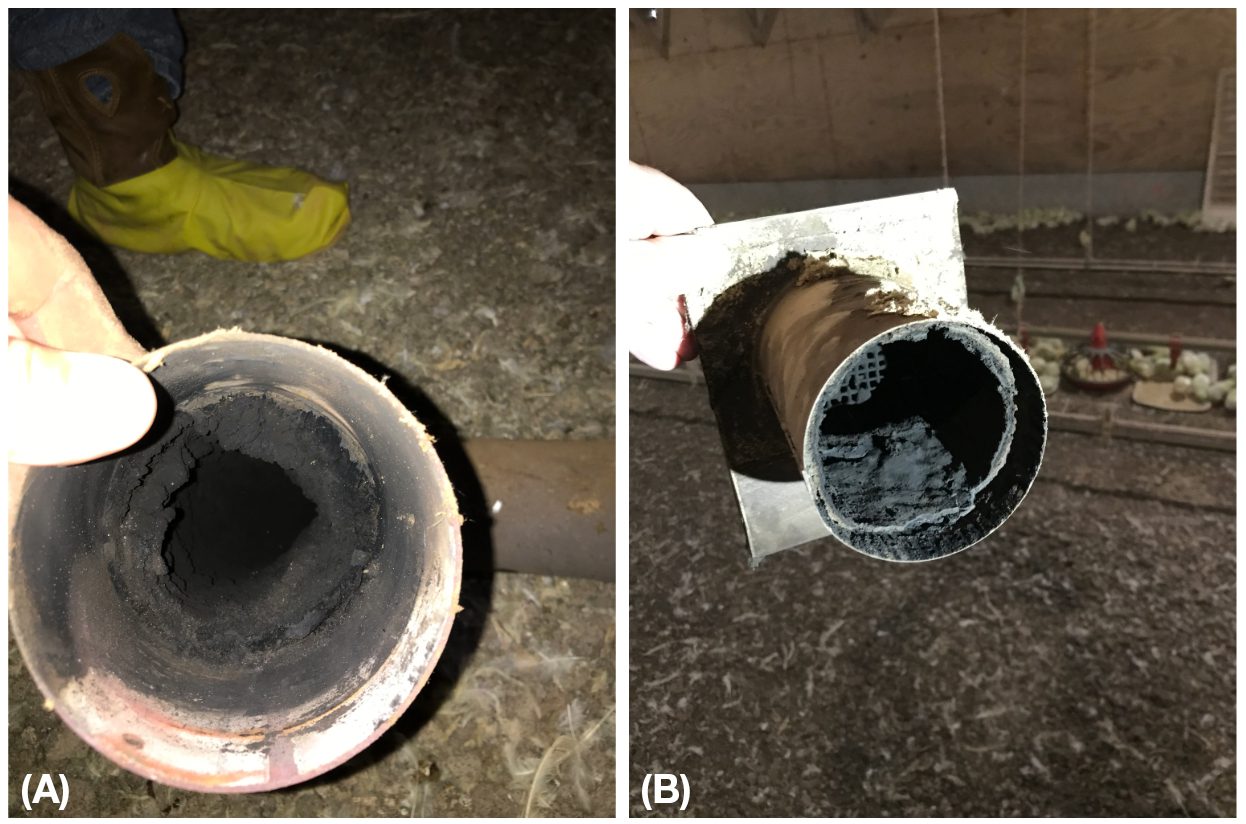
Figure 3. Two examples of soot buildup inside radiant tube heaters. (Photos courtesy of Space Ray, a division of Gas-Fired Products, Inc.)
The impact of this process extends beyond efficiency losses. Much like plaque on unflossed teeth, soot begins to accumulate inside the burner tube, coating internal surfaces with a layer of carbon. Figures 3A and 3B show the inside of two burner tubes with a thick buildup of soot. This buildup acts as an insulating barrier that reduces heat transfer from the heater to the floor, forcing the system to run longer to maintain the desired temperature. Many growers may not notice this gradual decline, but it shows up as higher fuel use, longer heater run times, and inconsistent heating performance across the house.
One of the most visible signs of this problem is black soot staining on or around the heater. In poultry houses, this is often linked to a damaged or missing intake duct. When dusty, contaminated air is pulled into the burner, the result is “dirty combustion,” which leaves soot deposits on nearby surfaces and inside the system. This is not just an efficiency issue; it is a warning sign that the heater is no longer operating safely and needs immediate maintenance.
Beyond performance and maintenance concerns, there is also a human and bird safety aspect to consider. Incomplete combustion caused by poor air supply can increase carbon monoxide production, an odorless and potentially dangerous gas. Allowing heaters to burn with built-up soot under minimum ventilation can create a potentially deadly environment. Maintaining the integrity of the air intake duct is one of the simplest ways to ensure that the heater is burning fuel cleanly and safely.
The challenge is that intake ducts commonly fail over time. They may tear due to heat cycling, become brittle with age, or be damaged during routine house activities. Because the heater will often continue to operate even with a damaged duct, the issue is easy to ignore. Unfortunately, the longer it is ignored, the more buildup occurs inside the system, and the more costly the consequences become, much like cavities.
In addition to replacing damaged ducts, routine cleaning during flock downtime is an important management step that can help maintain heater performance. When the house is being cleaned out between flocks, take the time once a year to remove and clean the internal intake screen (figure 4) to ensure that it is free of dust and debris that could restrict airflow. Inspect the inside of the burner box (figure 2A) and blower fan (figure 2B), and carefully blow out accumulated dust from the fan blades and housing with compressed air. While the duct is loose, use compressed air to blow up into the attic duct to remove any debris lodged in the cap screen, being careful not to blow the cap off. Keeping these components clean helps restore proper airflow and supports consistent combustion when the next flock is placed.
-
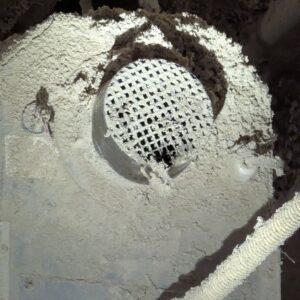
- Figure 4. The air intake screen on this tube heater was clogged with caked dust and moisture.
-
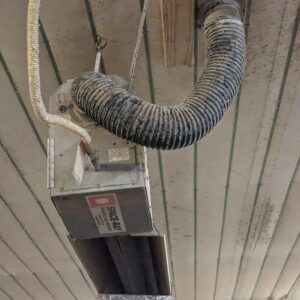
- Figure 5. The air intake duct on this heater demonstrates how the duct length should allow a slight sag to trap condensation in the duct, reducing the moisture entering the heater burner box.
When replacing an intake duct, proper installation is just as important as the condition of the duct itself. It is good practice to allow enough duct length to create a slight dip or low point before the duct connects to the heater (figure 5). This small sag provides a place for any condensation that may form inside the attic standpipe or duct to collect, preventing moisture from running directly into the heater. Keeping moisture out of the burner assembly reduces the risk of corrosion, buildup, and long-term performance issues.
From a management standpoint, the air intake duct is a low-cost, high-impact maintenance item. Regularly inspecting the air intake duct, especially before and during brooding, can prevent many of the issues previously described. Look for cracks, loose connections, or sections that have collapsed or separated. Ensuring that the duct is intact and properly routed helps maintain a consistent supply of clean air to the burner, supporting efficient combustion and reliable heater performance.
In practical terms, the cost of replacing an intake duct is minimal compared to the extra fuel and electricity used to maintain heating zone temperatures and the cost of heater replacement. A new duct may cost approximately $10 to $30, while a new burner tube is approximately $120 plus labor, that is, if you can get the bolts loose. A new heater would cost approximately $1,700, plus labor.
In the big picture, maintaining the combustion air intake duct is about protecting both heater performance and flock conditions. Clean, efficient combustion ensures that heat is delivered where it is needed without wasting fuel or introducing unnecessary risk. For a component that is small, inexpensive, and easy to overlook, the air intake duct has an outsized impact on how well your heating system performs over time.
Bottom line: Fixing a torn or damaged air intake duct may seem like a small task, but ignoring it leads to dirty combustion, wasted fuel, and gradual heater failure. Taking a few minutes to inspect, clean, and properly install these ducts can prevent costly problems and help ensure that your heating system performs the way it was designed when your flock needs it most. Happy flossing!
For More Information
Most manufacturers have developed resources, such as YouTube videos and written guides, to help you clean and maintain the tube heaters on your farm.
Funding Acknowledgment
Funding was provided in part by the Alabama Agricultural Experiment Station, Auburn University, the Alabama Cooperative Extension System, and the Hatch program of the National Institute of Food and Agriculture, United States Department of Agriculture.

Jeremiah Davis, Professor, Biosystems Engineering, Director, National Poultry Technology Center; Kelly Griggs, Research Engineer, National Poultry Technology Center; and Cody Smith, Research Engineer, National Poultry Technology Center, all with Auburn University
New September 2026, Effects of Damaged Air Intake Ducts in Poultry Houses, ANR-3290
For more information, contact your county Extension office. Visit aces.edu/directory.
Trade and brand names used in this publication are given for information purposes only. No guarantee, endorsement, or discrimination among comparable products is intended or implied by the Alabama Cooperative Extension System.