
Lawn & Garden

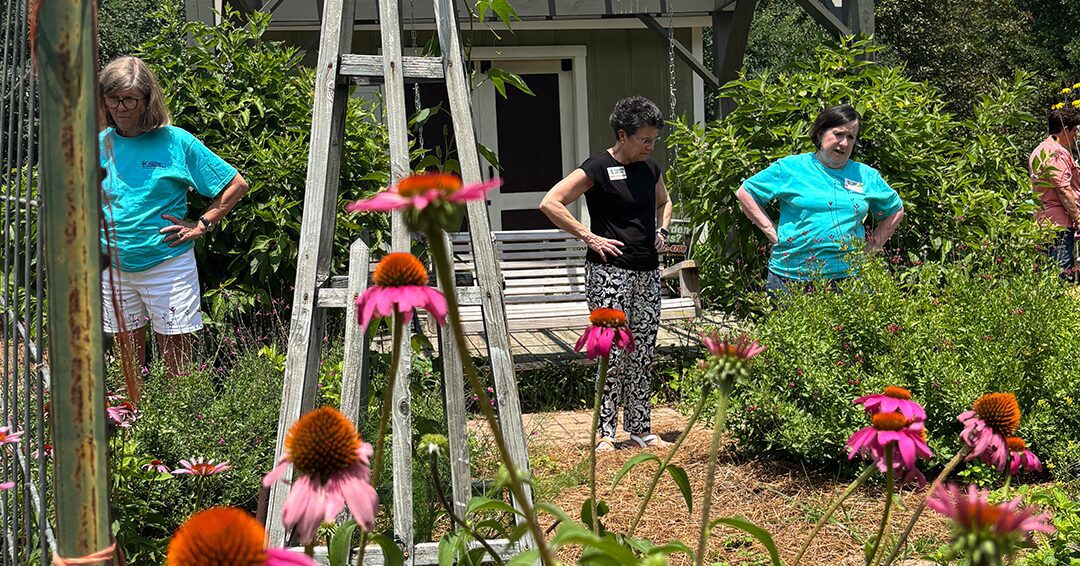
AUBURN UNIVERSITY, Ala. — Held in June and July, the Pollinator Partners of Alabama certification trainings spotlighted pollinators. Community members from across the state have joined Alabama Extension home horticulture agents to learn all about pollinators, gain valuable knowledge to educate the public and give insight into the great pollinator census in August.
About the Trainings
In these trainings, participants learned how to identify the diverse populations of bees, butterflies, moths and other pollinators that call Alabama home. The trainings also included information on important roles that pollinators play in food systems and biodiversity. Finally, they discussed various practical strategies for creating and maintaining pollinator-friendly habitats.
Mallory Kelley, a home horticulture agent with Alabama Extension at Auburn University, said that taking advantage of opportunities, such as this training, allows attendees to better network with others in their communities. These connections can lead to improvements in the pollinator ecosystems.
“You’re not on an island,” said Kelley. “There are other people who also care about the native species, insects, plants and other things in their own backyards.”
Over seven in-person trainings at locations across the state, attendance averaged 35 to 40 people. Participants connected and were encouraged to take their newfound pollinator knowledge back to their communities.
Lauren Bell, a first-grade teacher for Hoover City Schools, plans to do just that. As an attendee, she learned how to build a pollinator garden. She said she hopes to create and maintain one for her students.
“The pollinator garden would be really cool to bring back because the kids are going to be able to see the different pollinators and learn a lot through that,” said Bell.
Ways to Get Involved
Neva Webb, a Pollinator Partners of Alabama certification trainings participant, encouraged those in her community to simply get out in their gardens to learn about pollinators.
“Look at what is all around you,” said Webb. “Dig in the dirt, get your hands dirty in the process and just enjoy nature.”
The Great Southeast Pollinator Census on Aug. 21 and 22 is another opportunity to get involved with pollinators. During the pollinator trainings, participants heard valuable insight into what to look for during the census. They also learned ways to educate others in their communities.
“This program is geared toward teaching the teachers,” Kelley said, “By teaching them, it will help us reach even more people and spread the word about the census.”
For more information about the Great Southeast Pollinator Census visit https://www.aces.edu/go/4749.
Additional details, including other ways to get involved, can be found at aces.edu.