
Lawn & Garden

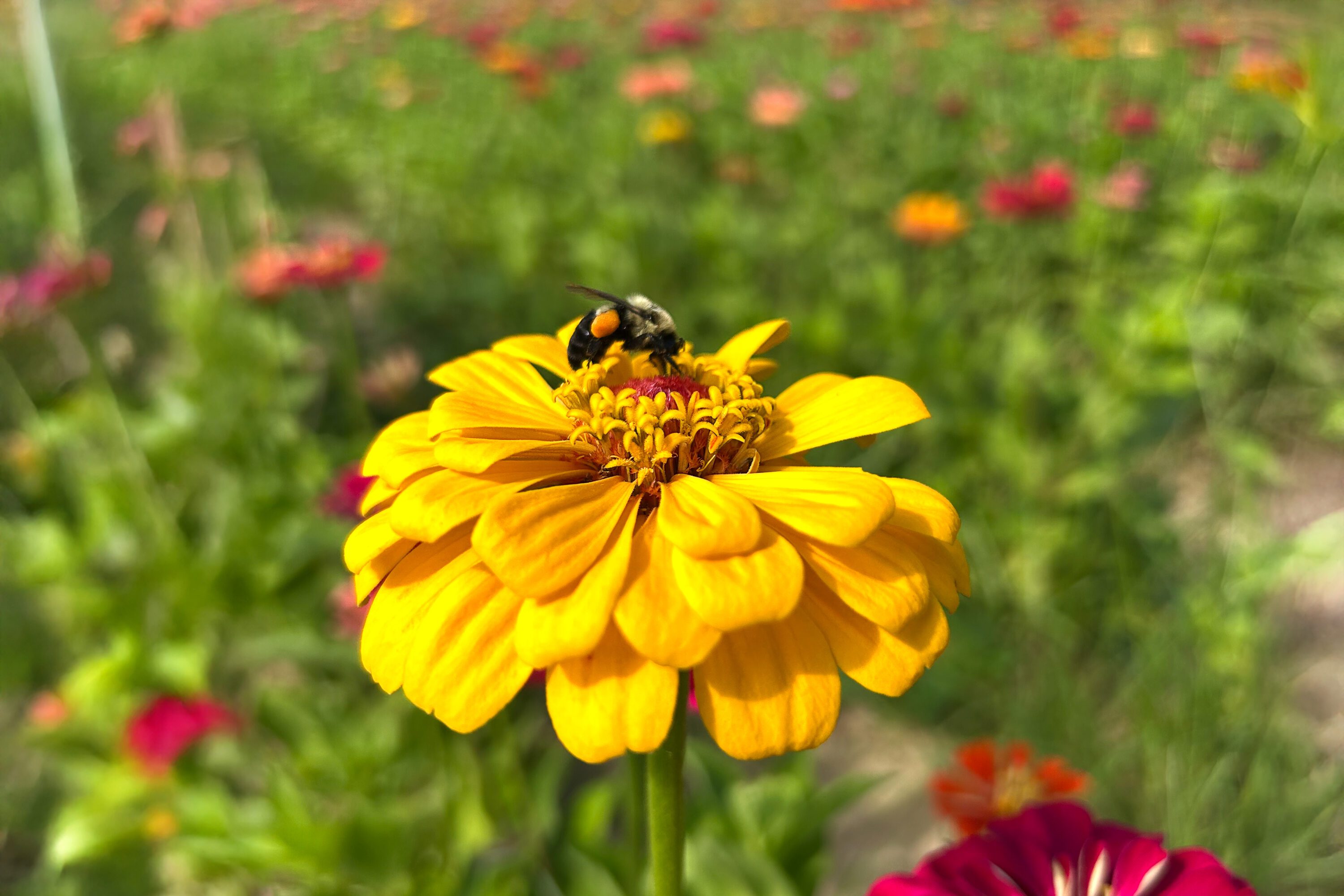
AUBURN UNIVERSITY, Ala. — Pollinators, such as insects, birds and bats, play a big role in our food system. Through pollinating plants and crops, they are responsible for one out of every three bites of food people eat. National Pollinator Week, which runs June 22 to 28, aims to highlight these important creatures while encouraging people to learn how to help and protect their populations.
The Alabama Cooperative Extension System offers numerous resources to transform even the greatest flower novice into someone who can make a meaningful difference for pollinators.
Start with Flowers
Selina Bruckner, an assistant professor with Alabama Extension at Auburn University, said helping pollinators can be simple.
“Every potted plant counts,” Bruckner said. “You don’t have to plant a huge area to support pollinators. Everyone could add one flowering, potted plant somewhere on their property to provide food resources for pollinators. However, it is even more useful to have a large area of plants that flower throughout the year, from spring through fall. Be sure to focus on native plants rather than ones that are not originally from Alabama.”
The Alabama Extension publication “Nectar and Pollen Producing Plants of Alabama: A Guide for Beekeepers” offers numerous options. Each entry includes bloom dates and appropriate planting areas.
Provide Water
Planting flowers to provide food is only one part of helping pollinators. Just like other animals, pollinators need a good water source to stay hydrated.
“If you can provide flowing water, that can help cut down on mosquito issues,” Bruckner said. “If not, be sure to regularly replace the water so it does not become a mosquito breeding ground.”
Bruckner suggested placing a small amount of water in a shallow bowl. She said adding colorful rocks or smooth glass pieces that stand above the water can draw pollinators in and provide a safe spot to land and drink.
Nurture Curiosity
For many people, helping pollinators begins with planting flowers and providing habitat. Along the way, some may become fascinated by honey bees and begin wondering what it takes to keep a hive of their own.
Bruckner said that curiosity is understandable, but prospective beekeepers should enter the hobby with realistic expectations.
“It is not necessary to become a beekeeper to help pollinators,” said Bruckner, who is a beekeeper herself. “Beekeeping is a commitment that requires a lot of work. Also, there are a lot of up-front costs. It is good for people to stop and ask ‘Is this a hobby I really want to pursue?’”
That message helped inspire Bruckner’s publication, “Beekeeping Basics: Is Beekeeping Right for You?” Prospective beekeepers can use the publication to evaluate whether the hobby is a good fit before investing significant time and money.
Before Buying Bees
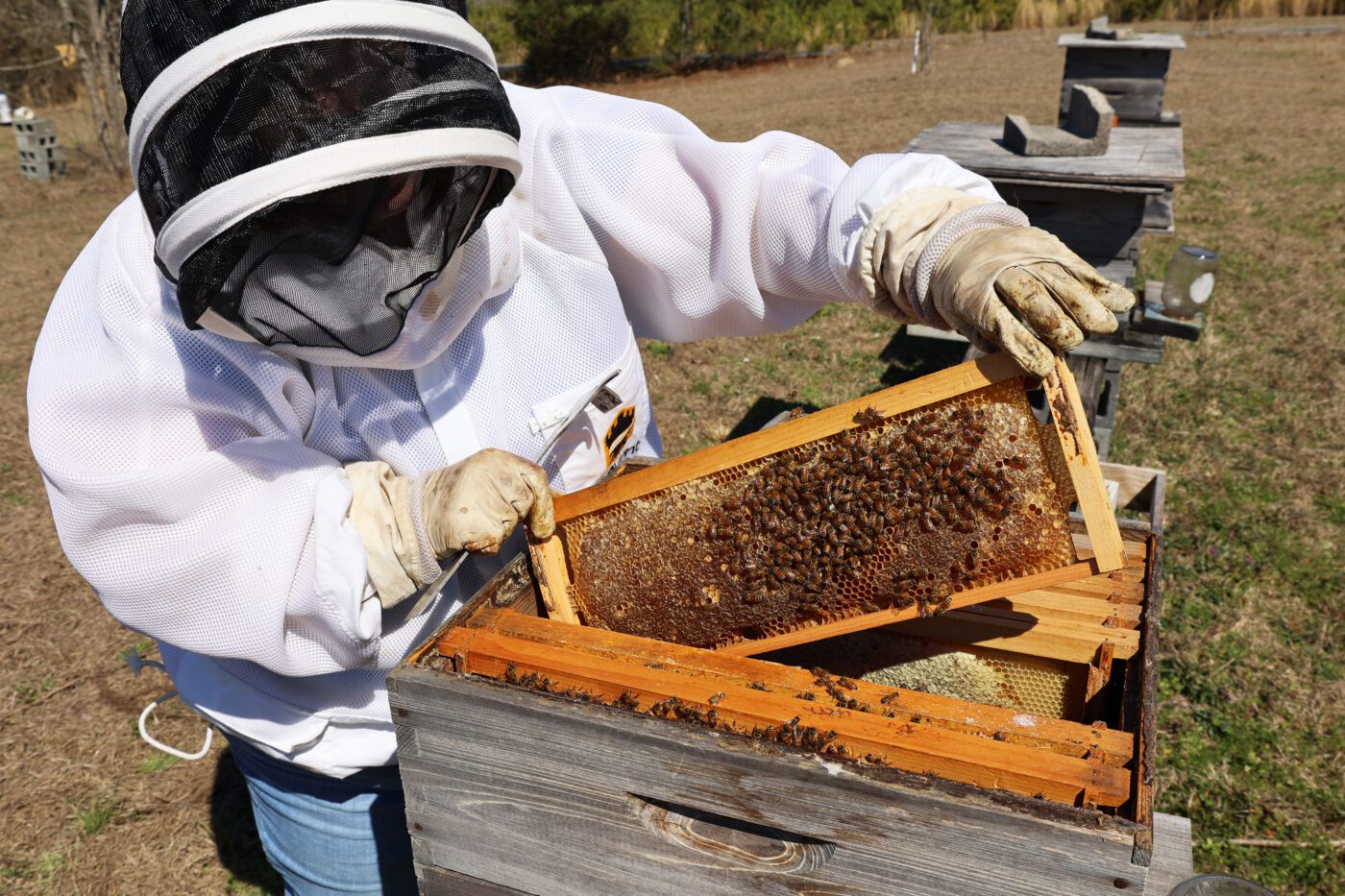 Bruckner’s publication walks readers through numerous beekeeping considerations including personal motivation, financial commitment, time commitment, space, tolerance for bee stings and willingness to learn.
“People may think all they need to do is put out a beehive and then harvest the honey, but that is not realistic,” Bruckner said. “Honey bees are considered livestock. The hives need to be checked regularly to ensure the queen is healthy and laying eggs. Beekeepers also need to keep an eye on the food stores to ensure the bees have what they need and that the hive has not been impacted by disease or parasites.”
Despite those challenges, Bruckner said becoming an apiarist can be incredibly rewarding.
“I really do think beekeeping is an amazing hobby to have,” Bruckner said. “It helps if you are willing to stay curious and enjoy working outside. Ultimately, anyone can keep honey bees as long as you are committed to being a good steward.”
The Bigger Picture
While honey bees receive plenty of attention, Bruckner said they are only one part of Alabama’s diverse population of pollinators. Whether someone chooses to keep bees or simply plants pollinator-friendly flowers, supporting a variety of pollinators should be the ultimate goal.
“It is beneficial to encourage a mix of bees in your backyard or on your land,” Bruckner said. “While honey bees will visit a lot of flowering plants, other native bees may be more specialized at pollinating certain plant families. For instance, bumble bees are much better than honey bees at pollinating tomatoes and peppers.”
More Extension Resources
For those interested in learning more about pollinators, Alabama Extension is currently offering in-person Pollinator Partners of Alabama training sessions. For details, visit aces.edu/go/6231.
Also, Alabama Extension offers resources for aspiring and beginning beekeepers. The Beekeeping Basics Online Course is a 12-module, on-demand learning experience that includes quizzes and a certificate of completion. The At Home Beekeeping Series provides monthly online learning opportunities. Find both resources online at aces.edu.