
Forestry

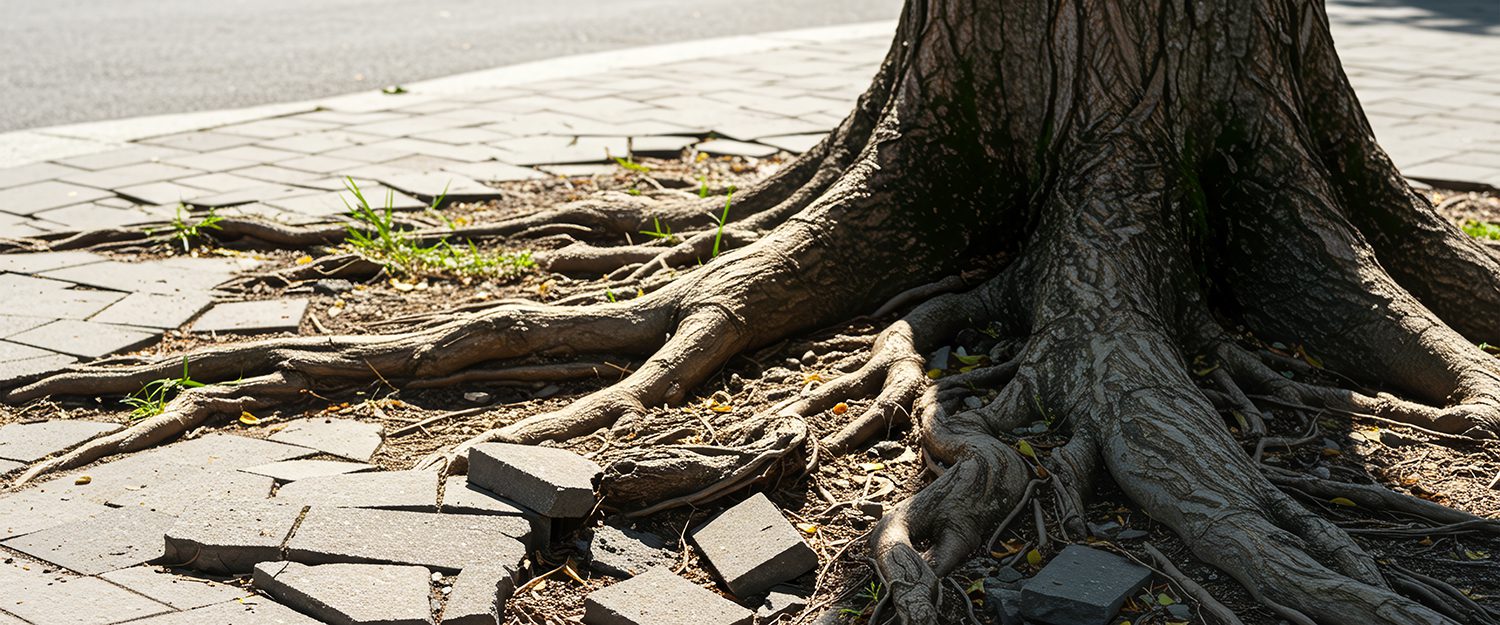
The long-term health of trees in urban settings depends on the condition of the soil that supports the trees. Understanding urban soil conditions is essential for selecting appropriate tree species, designing successful planting sites, and implementing management practices that promote healthy, resilient urban forests. Learning the problems associated with urban soils and identifying successful methods to improve poor soil conditions are essential to enabling trees to thrive.
Urban soils are fundamentally different from soils found in natural forests, grasslands, or other relatively undisturbed landscapes. Natural soils develop over long periods and typically contain well-organized layers, organic matter, microorganisms, and pore spaces that allow roots to access water and oxygen. In contrast, urban soils are often altered and disturbed by construction, traffic, pollution, landscaping activities, and infrastructure development. These disturbances can reduce soil quality and create challenging conditions for tree establishment and survival. For homeowners, city foresters, landscape professionals, and Certified Arborists, successful urban forestry begins with understanding the relationship between soil and tree health. By protecting existing soils, reducing compaction, improving soil quality, expanding rooting space, and using innovative soil technologies, communities can develop healthier and more resilient urban forests.
Problems of Urban Soils
Urban soils face several challenges that directly affect tree growth and stability. These problems often interact, creating conditions that limit root development and reduce tree resilience to environmental stress.
Soil Compaction
Soil compaction is one of the most common problems affecting urban trees. It occurs when soil particles are compressed by construction equipment, vehicles, foot traffic, and other activities. Compacted soils have higher bulk density and fewer pore spaces, reducing the movement of air and water through the soil.
Because tree roots require oxygen for respiration and growth, compacted soils can severely restrict root development. Trees growing in compacted soils often develop shallow or limited root systems, making them more vulnerable to drought stress, nutrient deficiencies, disease, and windthrow. Compacted soils also increase surface runoff and erosion because water cannot easily infiltrate the soil profile. This reduces the amount of moisture available to tree roots and can contribute to declining tree health.
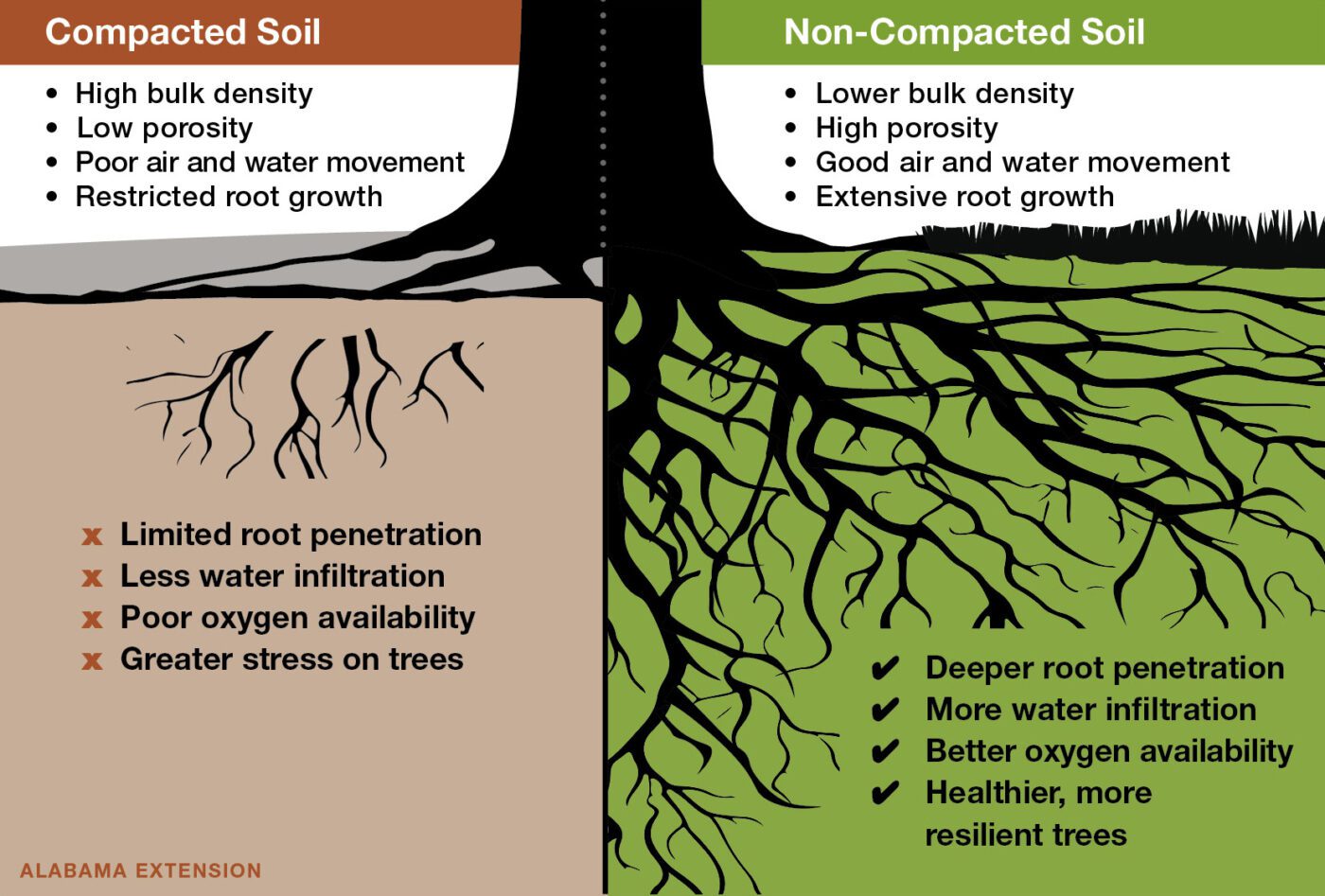
Figure 1. Differences between compacted and non-compacted urban soils.
Compacted Soil
- High bulk density
- Low porosity
- Poor air and water movement
- Restricted root growth
- Limited root penetration
- Less water infiltration
- Poor oxygen availability
- Greater stress on trees
Non-Compacted Soil
- Lower bulk density
- High porosity
- Good air and water movement
- Extensive root growth
- Deeper root penetration
- More water infiltration
- Better oxygen availability
- Healthier, more resilient trees
Poor Drainage & Water Availability
Urban soils often have altered drainage patterns due to compaction, soil disturbance, and surrounding impervious surfaces such as roads, sidewalks, and buildings. Poor drainage can lead to waterlogged soils, where excess moisture reduces oxygen availability and stresses tree roots.
Conversely, some urban soils drain too quickly and fail to retain enough moisture to support tree growth. These inconsistent water conditions can weaken trees and increase susceptibility to pests, diseases, and environmental stress. Proper soil structure and drainage are essential because healthy roots require a balance of water and oxygen.
Limited Growing Space for Roots
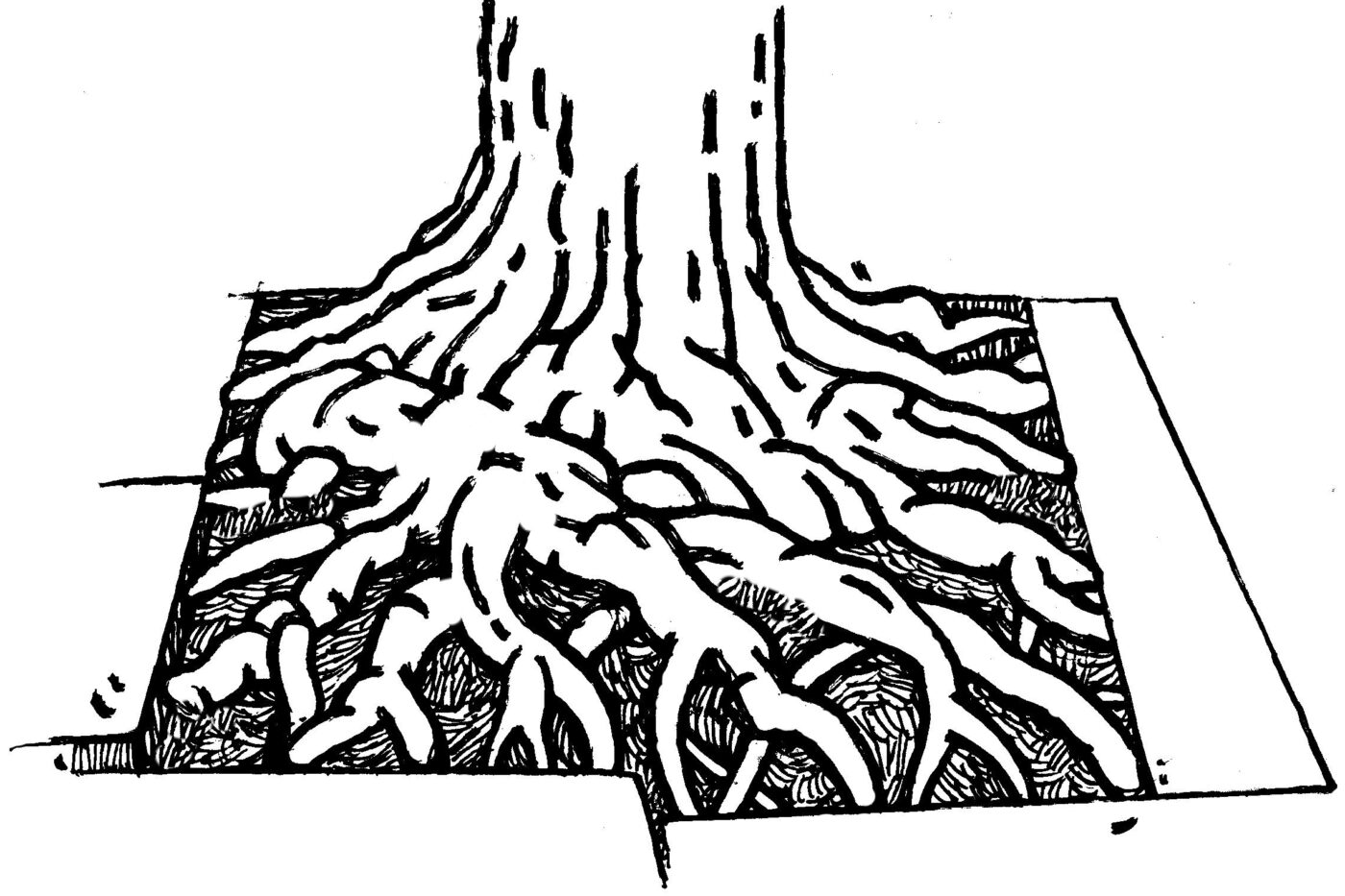
Figure 2. Tree growing along a street in a confined space with compacted soil, resulting in exposed roots that extend above the ground and cause damage to surrounding pavement.
Urban trees are frequently planted in restricted spaces surrounded by pavement, buildings, and other infrastructure. Although tree crowns may grow large aboveground, their root systems often have limited space below ground.
Restricted rooting space reduces anchorage, limits water and nutrient uptake, and prevents trees from reaching their full growth potential. Providing adequate soil volume is one of the most important factors influencing long-term tree performance in urban environments.
Poor Soil Chemistry & Contamination
Urban soils may have altered chemical properties due to construction materials, industrial activities, vehicle emissions, and previous land uses. Contaminants such as heavy metals, petroleum products, and excess salts can negatively affect root function and plant health.
Urban soils also commonly contain reduced levels of organic matter compared to natural soils. Low organic matter decreases nutrient availability, reduces water-holding capacity, and limits beneficial microbial activity that supports healthy soil ecosystems. Soil testing can help identify nutrient deficiencies, pH problems, and potential contaminants before corrective actions are implemented.
Urban Heat Effects
Urban heat islands can further increase stress on trees and soils. Pavement, buildings, and other hard surfaces absorb and retain heat, increasing soil temperatures around trees.
Elevated soil temperatures can accelerate organic matter decomposition, reduce soil moisture retention, and negatively affect beneficial soil organisms. Heat stress can damage roots and reduce the ability of trees to tolerate drought and other environmental pressures.
Improving Poor Urban Soil Conditions
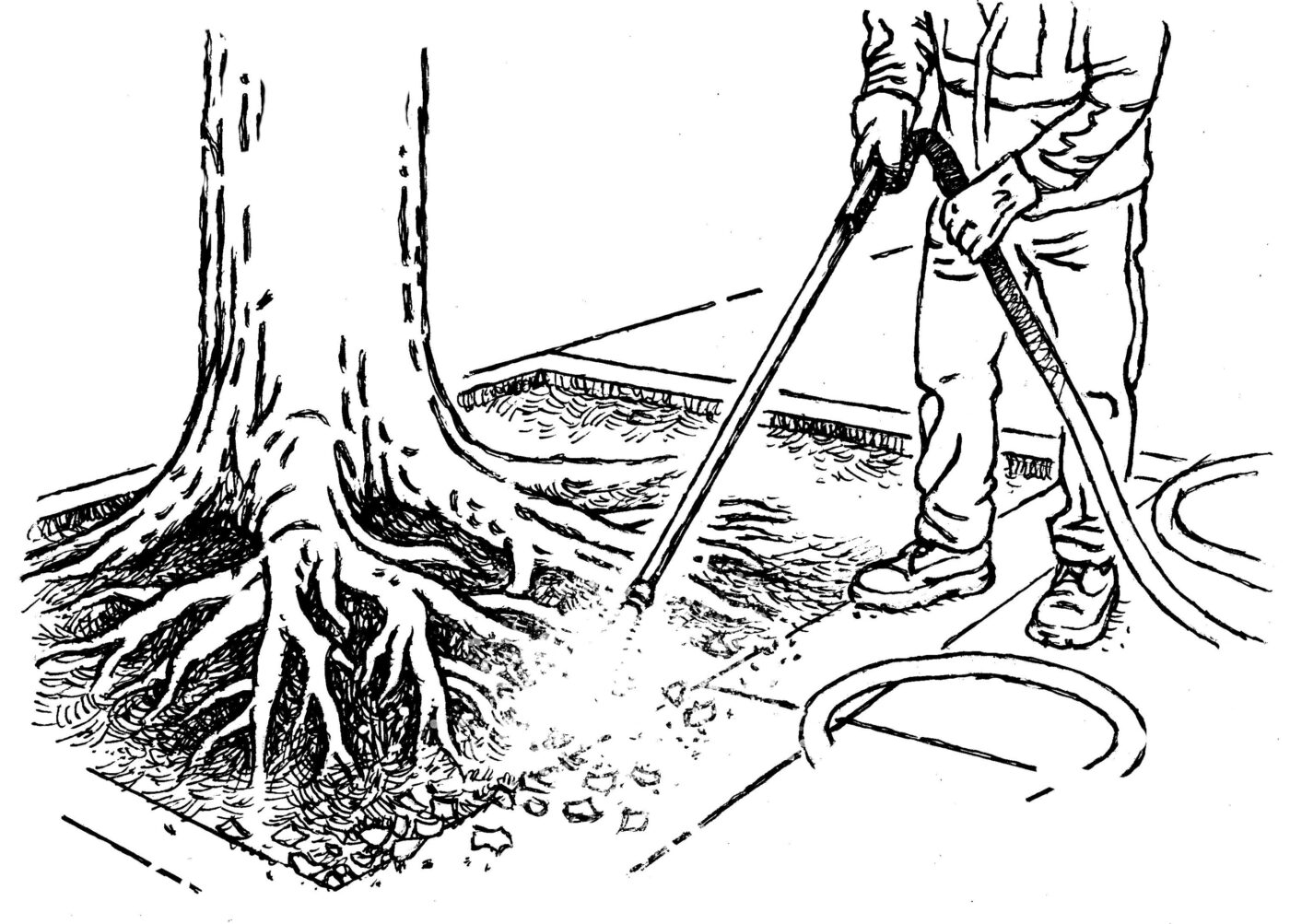
Figure 3. Air excavation is a method for alleviating compaction in urban soils. It uses compressed air to break up dense soil while preserving the integrity of tree roots and underground infrastructure.
Improving urban soils requires a combination of physical, chemical, and biological approaches. Management strategies should be selected based on site conditions, tree species, and long-term goals.
Soil Aeration & Air Excavation
Soil aeration and air excavation is an effective technique for improving compacted urban soils. This process uses compressed air to loosen soil without damaging tree roots or underground utilities. By increasing soil porosity, air excavation improves oxygen availability, water infiltration, and root growth. This approach is especially useful in urban environments where traditional soil disturbance methods may not be practical due to nearby infrastructure.
Tillage
When used appropriately, tillage can help alleviate soil compaction by breaking up dense layers and promoting improved water infiltration. Shallow tilling is especially useful in urban environments, where compaction is widespread, as it facilitates better root growth and penetration. However, excessive tillage may cause additional harm, so it should be applied judiciously and in combination with other soil management practices. In addition, incorporating organic matter is essential for enhancing both the physical structure and chemical quality of urban soils.
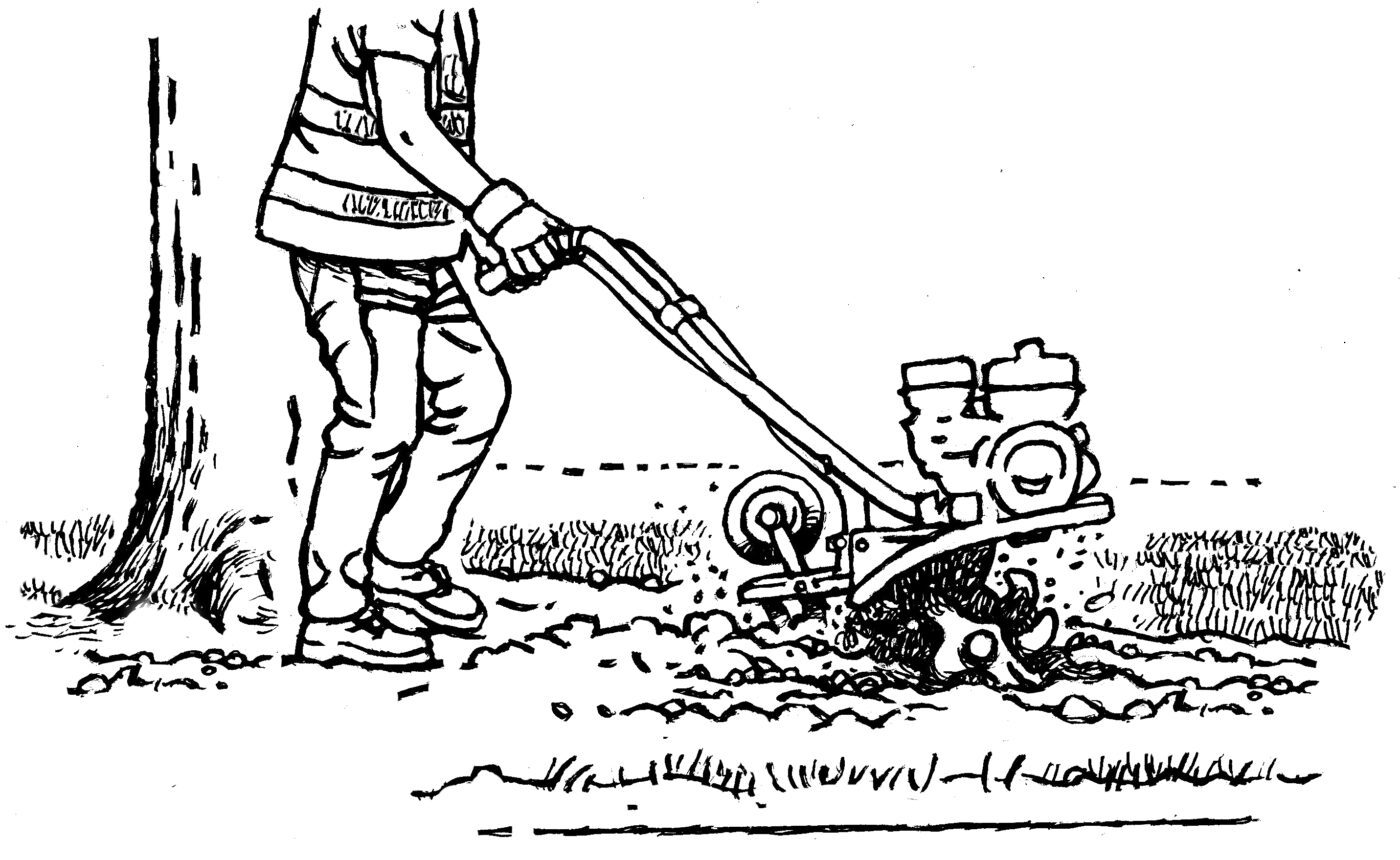
Figure 4. When applied correctly, tillage can reduce soil compaction by loosening dense soil layers and enhancing water infiltration.
Soil Grading & Drainage Improvements
Proper grading helps control water movement across a site by directing runoff away from buildings and toward appropriate drainage areas. Correct grading reduces standing water, erosion, and soil degradation. Where drainage problems persist, solutions such as drainage pipes, culverts, or other engineered systems may help redirect excess water and improve growing conditions.
Organic Matter & Mulching
Adding organic matter is one of the most effective ways to improve urban soils. Compost, leaf litter, and other organic amendments improve soil structure, increase nutrient availability, and support beneficial microorganisms.
Mulching is another important practice for protecting urban soils. Organic mulch materials such as wood chips, leaves, or bark help conserve moisture, regulate soil temperature, reduce erosion, and protect exposed roots from mechanical damage. Mulch should be applied in a broad layer over the root zone while keeping it away from direct contact with the tree trunk. Excessive mulch piled against the trunk can increase moisture problems and encourage decay.
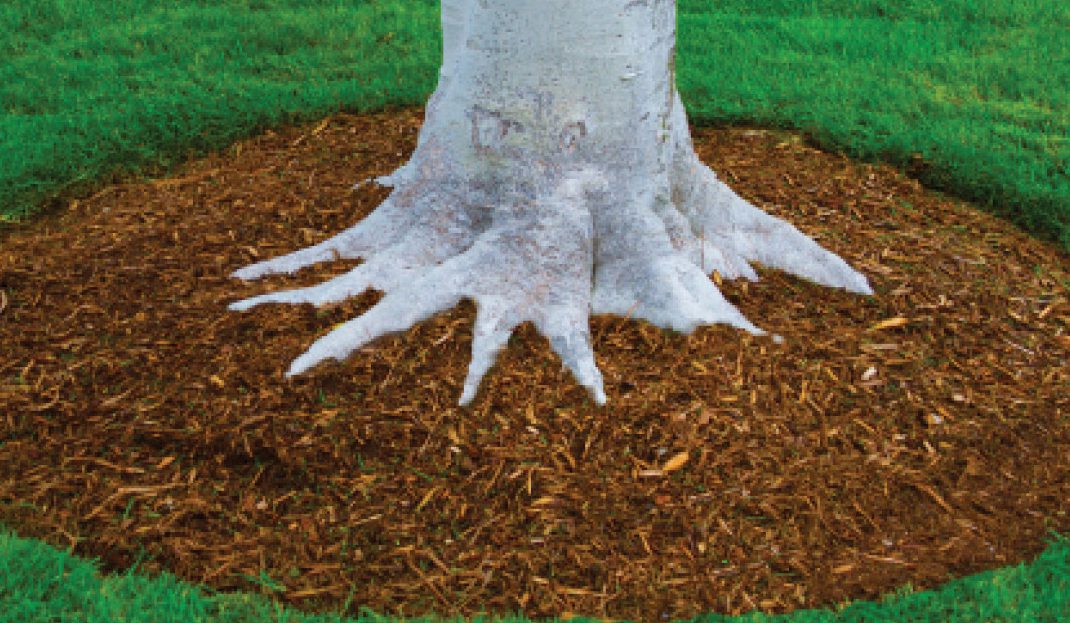
Figure 5. Organic mulch (wood chips, leaves, or bark) helps retain moisture, regulate soil temperature, reduce erosion, and protect exposed roots. It must be applied broadly over the root zone, keeping it away from the trunk.
Soil Testing & Nutrient Management
Urban soils should be evaluated before applying fertilizers or amendments. Soil testing provides information about nutrient availability, pH, and potential contaminants. Based on test results, targeted treatments such as lime, mineral fertilizers, or organic amendments can be used to improve soil conditions. Applying unnecessary fertilizers can harm trees and contribute to environmental problems, so management decisions should be based on site-specific information.
Biological Soil Improvements
Healthy soils contain diverse communities of microorganisms that contribute to nutrient cycling and root development. Biological amendments including beneficial bacteria, fungal inoculants, and biostimulants may improve soil activity and support tree resilience when used appropriately.
Engineered Soils & Technologies to Reduce Soil Compaction
Modern urban forestry increasingly uses engineered soil systems to balance tree growth with the need for durable infrastructure.
Structural Soils
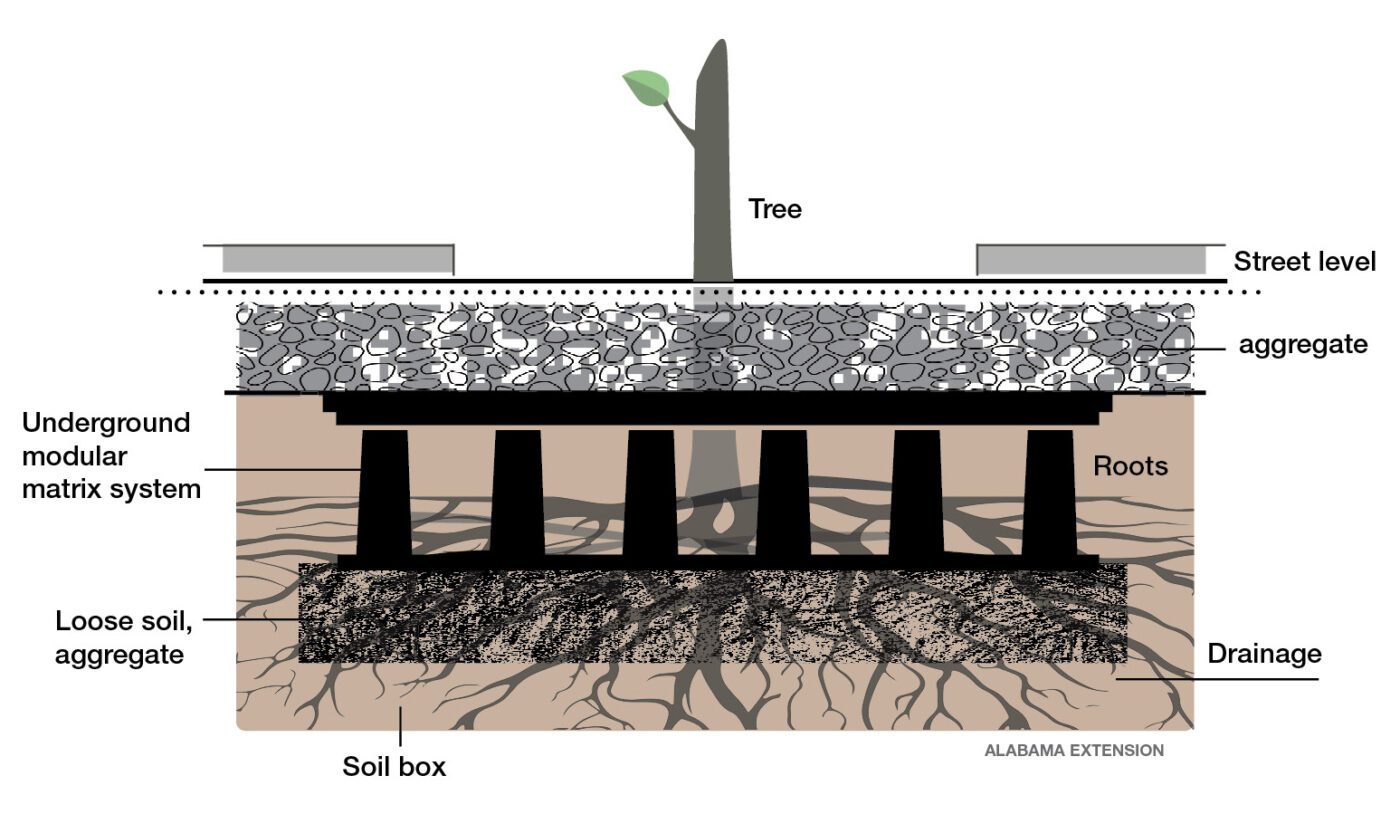
Figure 6. Structural cells consist of modular plastic or concrete frameworks that support pavement loads while maintaining ample volumes of soil beneath the surface and allowing roots to expand through connected soil spaces.
Structural soils are engineered mixtures designed to support pavement while providing a growing environment for tree roots. They typically combine angular stone, soil, and stabilizing materials to create a strong surface while maintaining pore spaces for air and water movement. Structural soils can reduce compaction beneath sidewalks, parking areas, and roads by allowing roots to expand through connected soil spaces. However, these systems may contain less organic matter than traditional soils and may require supplemental fertilization or organic amendments to maintain long-term tree health. Proper design, installation, and maintenance are essential because inadequate soil volume or poor installation can still limit root growth.
Suspended Pavement Systems & Structural Cells
Suspended pavement systems and structural cells provide another approach for expanding urban tree-growing space. Suspended pavement elevates sidewalks or paved surfaces using support structures, allowing uncompacted soil beneath for root growth. Structural cells use modular frames made of plastic or concrete to support pavement loads while preserving large volumes of good-quality soil below.
These systems allow trees to develop stronger root systems while maintaining the integrity of surrounding infrastructure. They are particularly useful in highly urbanized areas where traditional planting spaces are limited.
While urban soils present significant challenges, thoughtful planning and management can create conditions where trees thrive. Healthy soils support stronger root systems, improved tree stability, greater drought tolerance, and longer tree lifespans.

Georgios Arseniou, Extension Specialist, Assistant Professor, Forestry and Wildlife Sciences, Auburn University
New September 2026, Urban Soil Problems & Strategies to Improve Poor Conditions, FOR-2206
For more information, contact your county Extension office. Visit aces.edu/directory.
Trade and brand names used in this publication are given for information purposes only. No guarantee, endorsement, or discrimination among comparable products is intended or implied by the Alabama Cooperative Extension System.