
Forestry

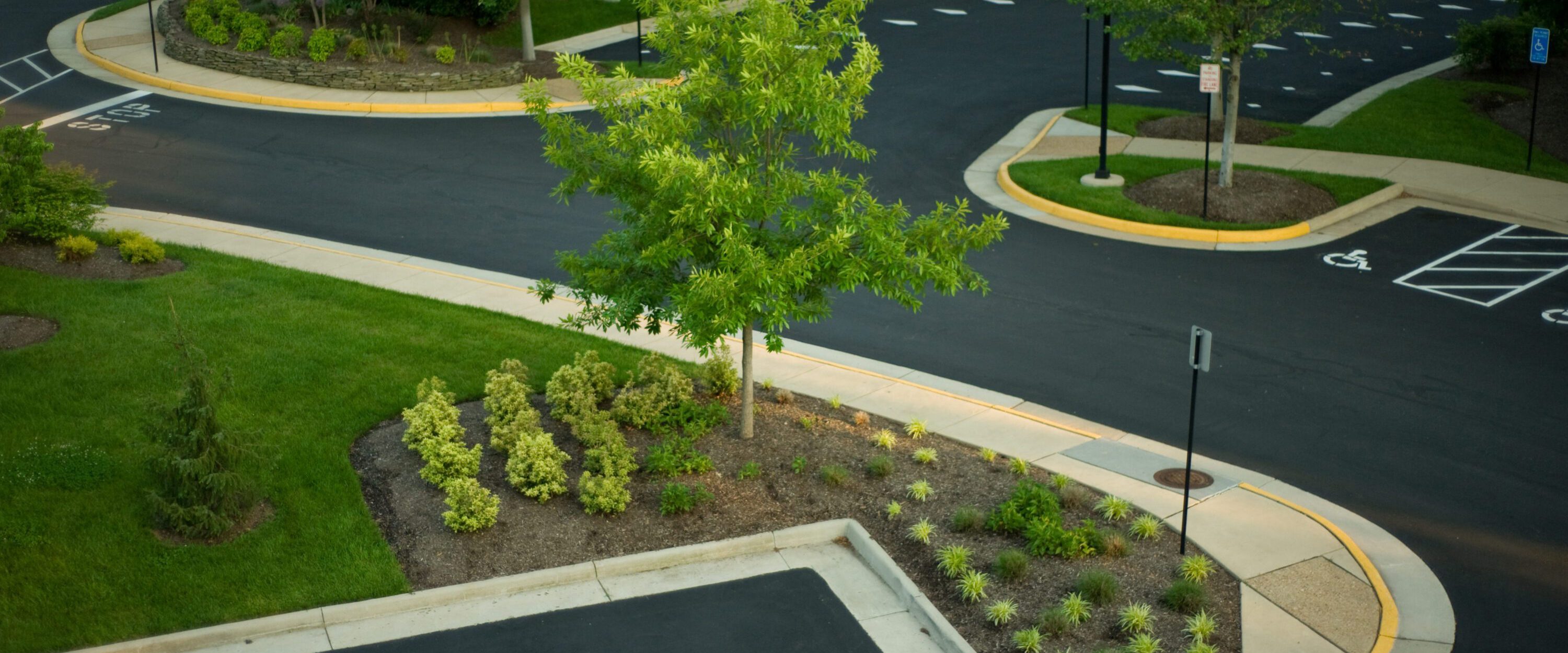
Soil conditions strongly influence a tree’s root development, stability, and long-term survival. Soils in city and landscape environments present unique challenges and limitations to these factors. Through the use of soil analysis and recommended management practices, urban soils can be conditioned to support trees that thrive. This guide explains how to collect soil samples for analysis and highlights the main considerations for evaluating urban soils.
Unlike soils in natural forests or other relatively undisturbed landscapes, urban soils are frequently altered by construction, grading, excavation, pavement installation, landscaping activities, and human disturbance. These activities can create soils that are compacted, poorly drained, low in organic matter, restricted in rooting space, or contaminated. Such conditions limit the availability of water, nutrients, and oxygen required for healthy root growth.
Soil analysis provides valuable information about these conditions and helps homeowners, urban foresters, landscape professionals, and certified arborists make informed decisions about tree selection, planting, fertilization, and soil improvement practices. Proper soil sampling is the first step toward developing healthier and more resilient urban forests.
Understanding Urban Soil Variability
Urban soils are highly variable and may differ significantly over short distances. A single property can contain multiple soil types due to differences in construction history, landscaping practices, drainage patterns, and previous land uses.
Construction activities are one of the primary causes of urban soil problems. During development, topsoil may be removed, buried, mixed with subsoil, or replaced with imported fill materials. Heavy equipment can compact soil, reducing pore spaces needed for water movement and oxygen exchange and preventing roots from accessing adequate water and oxygen. Similarly, landscaping practices, such as irrigation, fertilization, and repeated foot traffic, can alter soil structure and chemistry over time.
Because urban soils are often inconsistent, it is important to collect soil samples from areas with similar characteristics. Combining samples from different soil conditions can mask important problems and lead to incorrect management recommendations.
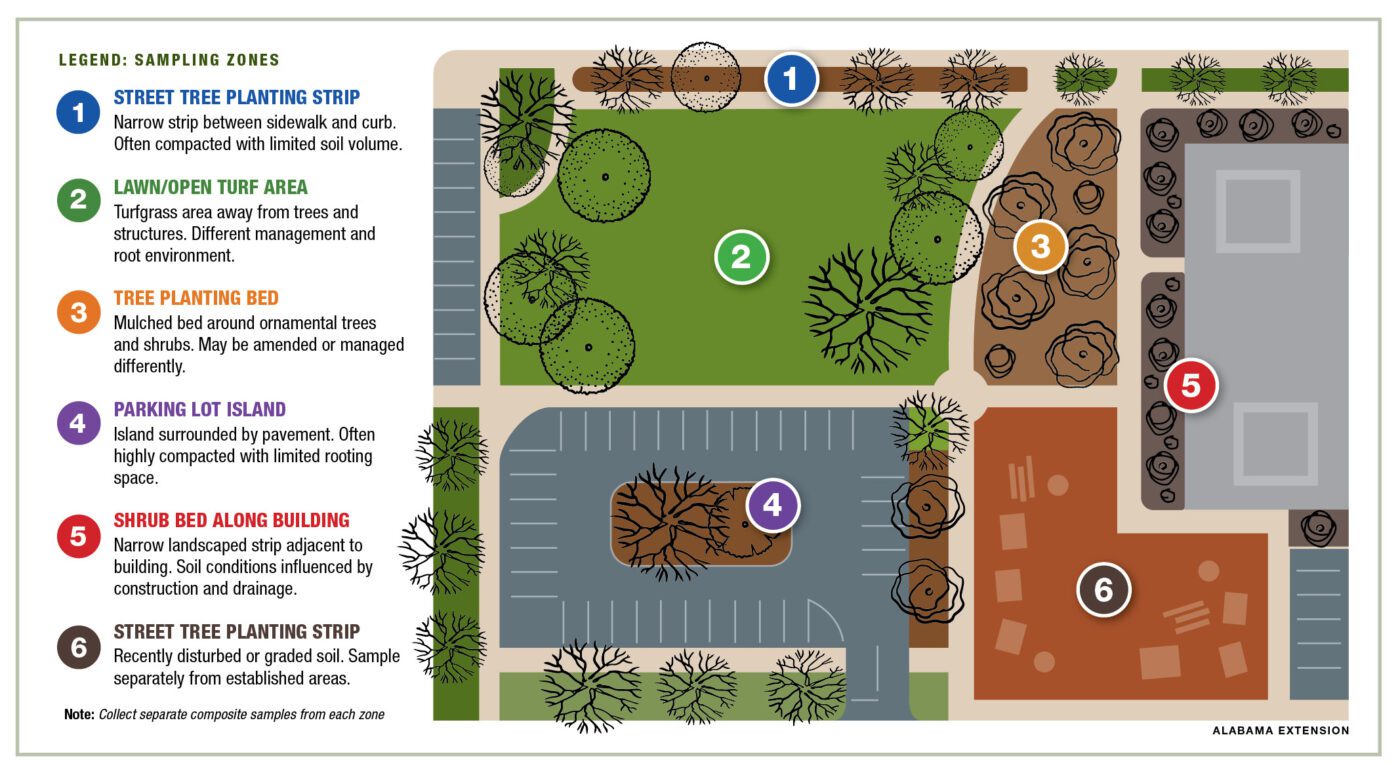
Figure 1. Urban soil sampling zones
Legend: Sampling Zones
Note: Collect separate composite samples from each zone
1. Street Tree Planting Strip
Narrow strip between sidewalk and curb. Often compacted with limited soil volume.
2. Lawn/Open Turf Area
Turfgrass area away from trees and structures. Different management and root environment.
3. Tree Planting Bed
Mulched bed around ornamental trees and shrubs. May be amended or managed differently.
4. Parking Lot Island
Island surrounded by pavement. Often highly compacted with limited rooting space.
5. Shrub Bed Along Building
Narrow landscaped strip adjacent to building. Soil conditions influenced by construction and drainage.
6. Street Tree Planting Strip
Recently disturbed or graded soil. Sample separately from established areas.
When to Collect Urban Soil Samples
Soil testing is useful whenever information about soil conditions is needed to guide management decisions. Sampling before planting trees or landscapes allows professionals to select appropriate species and correct potential soil limitations before installation. Soil testing is also valuable when trees show symptoms of decline, including reduced growth, poor canopy development, leaf discoloration, or premature leaf drop.
Urban soil conditions should also be evaluated following construction or major landscaping activities, which often disturb soil structure and damage root environments. In addition, soil testing should be performed before applying fertilizers or amendments to ensure treatments address actual deficiencies preventing unnecessary applications.
For the most accurate results, soil samples should generally be collected when soils are moist but not saturated and should avoid periods immediately following fertilizer applications or major soil disturbances.
Soil Sampling Equipment & Preparation
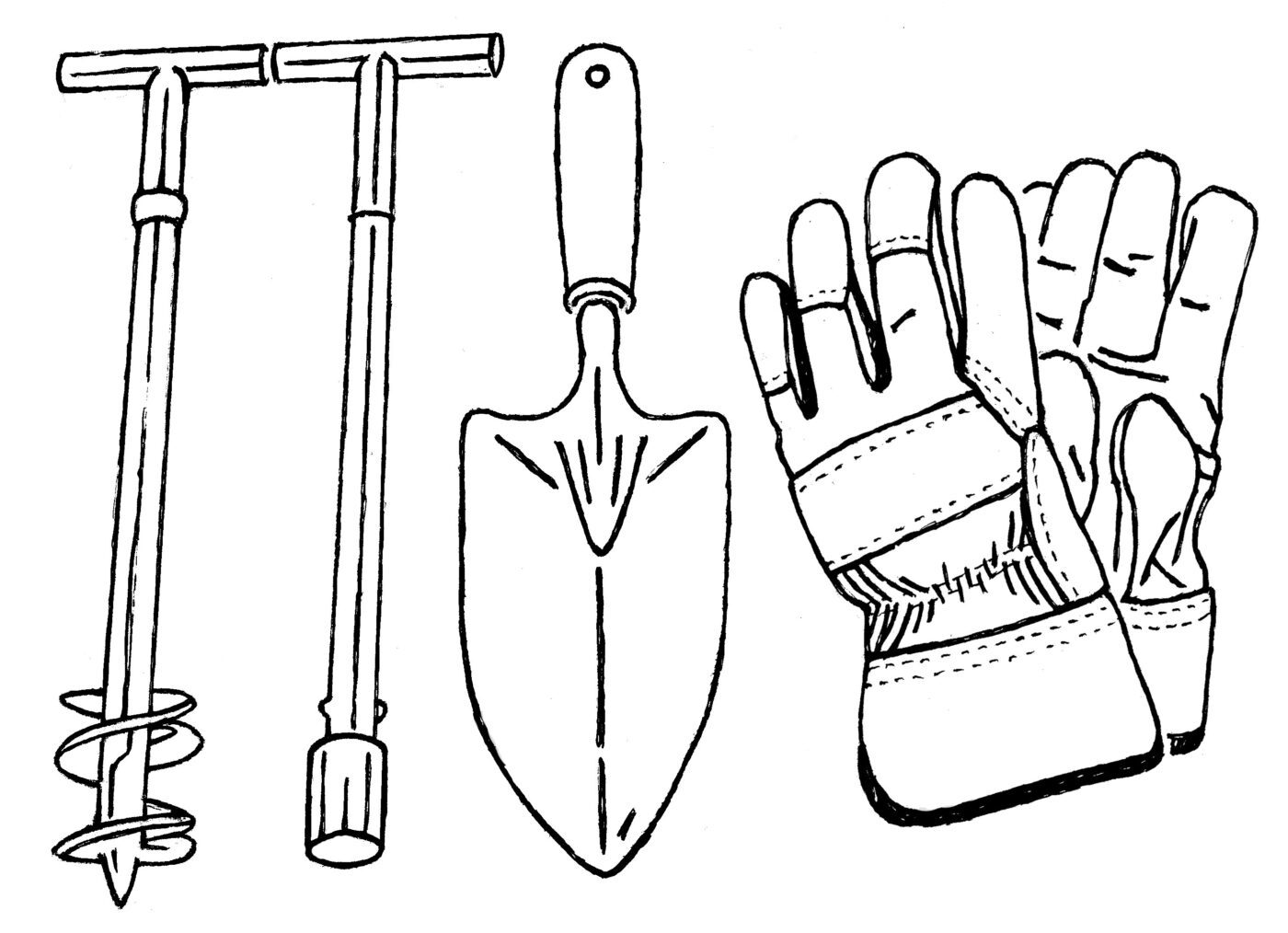
Figure 2. Examples of tools and supplies needed for soil sampling
Collecting a soil sample requires only basic equipment including a soil probe or auger, clean shovel or trowel, plastic bucket, sample bags, labels, marker, and gloves. Professional assessments may also include GPS equipment, site maps, and tools for evaluating soil compaction or moisture conditions.
Clean equipment is essential because contaminated tools or containers can affect laboratory results. Containers previously used for chemicals, fertilizers, or other materials should not be used for soil collection.
Before sampling, a plan should be developed to identify the areas to be evaluated. The plan should consider differences in vegetation, tree species, soil appearance, drainage, irrigation, landscape use, and site history. Separate samples should be collected from areas that differ significantly, such as tree planting beds, turf areas, parking lot islands, or recently disturbed soils.
How to Collect an Urban Soil Sample
The first step in soil sampling is identifying the area to be evaluated and documenting site conditions. It is important to record the location, tree species, landscape history, irrigation practices, and any visible symptoms of soil or tree problems.
Surface materials such as mulch, leaves, grass clippings, and debris should be removed before collecting the sample. However, the natural upper soil layer should remain undisturbed, as it contains important information about soil conditions.
Multiple soil cores should be collected throughout the sampling area rather than relying on a single sample. For general soil quality evaluations, samples are commonly collected from the upper 6 inches of soil, where many fine roots are active.
Per the submission form used by the Auburn University Soil, Forage, and Water Testing Laboratory, the area represented by the sample must be indicated in acres. Estimating the sampling area is useful when a sample represents a larger, relatively uniform planting or management area. However, when testing soil around an individual tree or a small, specifically targeted area, reporting in acreage may be less meaningful; in such cases it is especially important to clearly document the sampling location and area represented by the sample. Multiple subsamples should be combined in a clean bucket, thoroughly mixed, and placed into a labeled sample bag.
Each sample should include important information such as location, collection date, tree species, landscape conditions, and any observed concerns. Proper documentation improves the interpretation of laboratory results and allows for future comparisons.
Where to Collect Soil Samples Around Trees

Figure 3. Correct soil sampling locations around a mature tree
Tree roots extend well beyond the trunk and typically beyond the edge of the canopy. Therefore, soil samples should represent the active root zone rather than only the area immediately around the tree base.
Samples should not be collected directly against the trunk, as this area may not accurately represent the surrounding root environment. For mature trees, sampling near or beyond the drip line can provide useful information about soil conditions affecting expanding roots.
Sampling locations should also avoid areas that are not representative of the site unless those areas are being specifically evaluated, such as compacted pathways, construction zones, or areas with suspected contamination.
Soil Properties Evaluated in Urban Areas
Soil laboratories commonly evaluate physical, chemical, and biological properties that influence tree growth. Physical properties include soil texture, compaction, drainage, and water-holding capacity. Soil texture, which refers to the relative proportions of sand, silt, and clay particles in a soil, affects how much water and nutrients the soil can retain, while compaction reduces pore spaces and restricts root growth. Poor drainage can create oxygen limitations, whereas excessive drainage may reduce water availability and result in low nutrient retention.
Chemical properties commonly evaluated include soil pH, nutrient availability, and electrical conductivity. Soil pH affects nutrient availability, while nutrient testing helps determine whether essential elements such as nitrogen, phosphorus, potassium, calcium, magnesium, and micronutrients are present at appropriate levels. Electrical conductivity provides information about soil salinity, which can negatively affect root function.
Advanced soil evaluations may also include biological indicators such as organic matter content, microbial activity, and soil respiration. These factors provide insight into soil health and nutrient cycling processes.
Interpreting Soil Test Results
Correct interpretation of soil test results is especially important in urban environments. Soil problems are often complex and may involve multiple interacting factors in relation to tree species requirements, site conditions, and management objectives.
Low organic matter may indicate a need for compost or other organic amendments to improve soil structure and nutrient availability. High compaction may require practices such as soil aeration, reducing traffic, or expanding available rooting space. Poor drainage may require changes to grading, irrigation, or site design. Nutrient deficiencies should be addressed through targeted applications based on test recommendations.
Common Soil Sampling Mistakes
Several common mistakes can reduce the accuracy of soil testing. Collecting only one sample from a large or variable area may not provide an accurate representation of conditions. Similarly, combining soils from areas with different histories or characteristics can hide important differences.
Other common errors include sampling immediately after fertilizer applications, using contaminated equipment, collecting samples only near the trunk, and failing to document site conditions. A well-planned sampling approach improves the reliability of laboratory results and leads to better management decisions.
Soil Sampling for Contamination Assessment
Some urban locations require additional testing beyond routine soil fertility analysis. Sites with histories of industrial activity, demolition, unknown land use, or heavy traffic exposure may contain contaminants such as heavy metals, petroleum products, construction-related materials, or, in some cases, herbicides that have been improperly applied or have accumulated in soil.
Understanding site history and past chemical use is an important first step in determining whether additional analyses are needed. When contamination is suspected, specialized testing should be conducted by qualified laboratories. If soil contamination is a concern, homeowners and land managers may consider contacting a Certified Arborist or the Alabama Department of Environmental Management (ADEM) for guidance on evaluating the site and identifying appropriate testing resources.
Improving Urban Soil After Testing
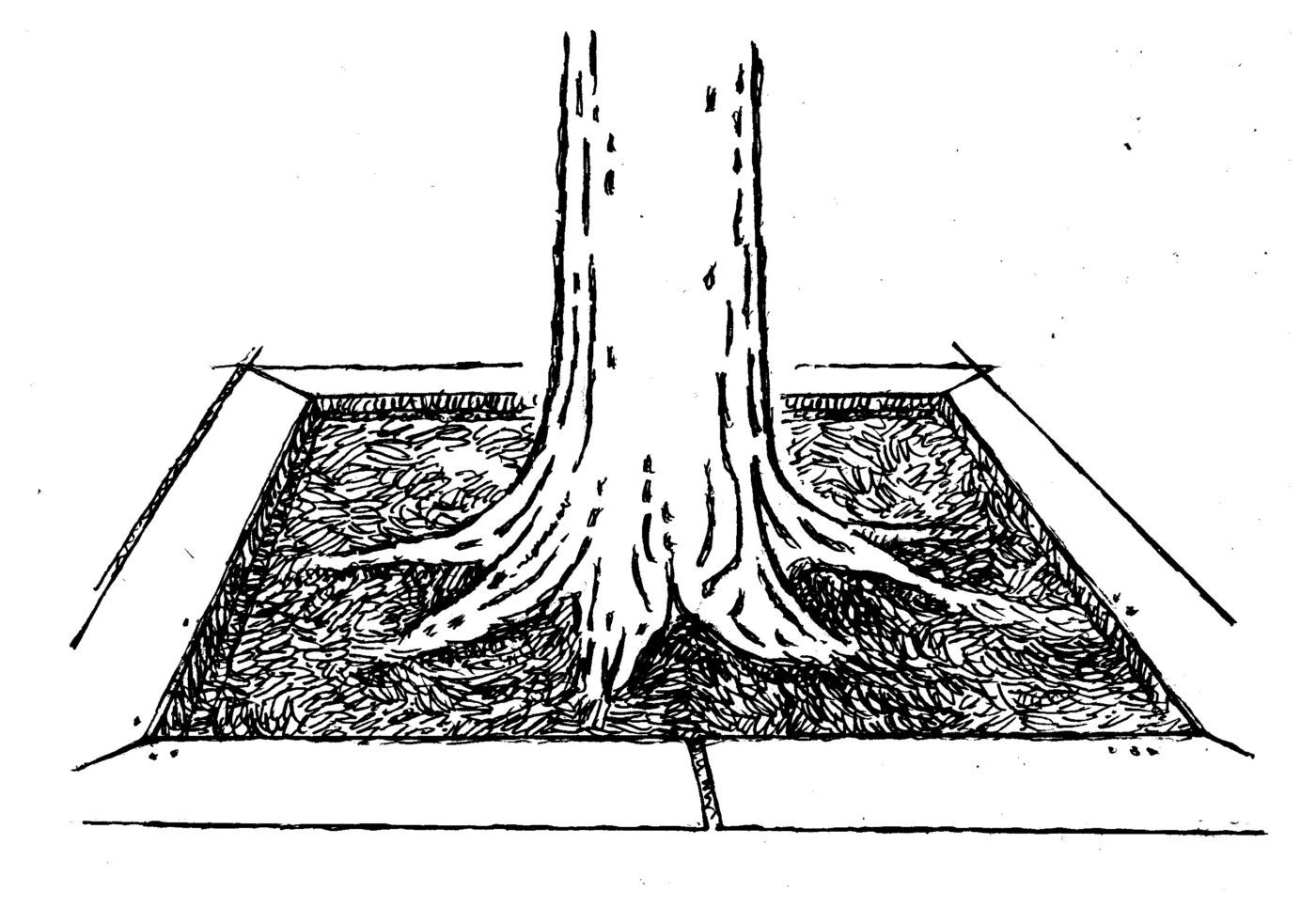
Figure 4. Urban tree planting site with limited soil volume
Once soil conditions are understood, management practices can be selected to improve the growing environment. Adding organic matter through compost or other appropriate amendments can improve soil structure, water retention, and nutrient availability. Maintaining mulch around trees helps conserve moisture, regulate soil temperatures, reduce erosion, and protect roots from damage.
Compacted soils may benefit from practices such as aeration or air excavation, which improve soil structure while minimizing damage to existing roots. In highly urbanized areas, expanding rooting space through improved planting designs can greatly increase tree performance.
Modern approaches such as structural soils and suspended pavement systems allow trees to grow in areas with limited space while supporting sidewalks, roads, and other infrastructure.
The Role of Professionals
Certified arborists, urban foresters, and soil specialists play an important role in evaluating urban soil conditions and developing appropriate management strategies. Professionals can assist with designing sampling plans, interpreting laboratory results, diagnosing tree decline, evaluating construction impacts, and recommending soil improvement practices. Professional assessment is especially valuable for large trees, declining trees, or trees located near structures, roads, and pedestrian areas where tree failure, such as tree or major limb breakage or falling, could create safety concerns.
Key Recommendations
- Plan sampling locations before collecting soil.
- Collect representative samples from appropriate root-zone areas.
- Document site conditions and landscape history.
- Test soils before applying fertilizers or amendments.
- Use soil test results to guide management decisions.
Healthy urban forests begin with healthy soils. Investing in urban soil health is an investment in healthier trees and more resilient cities. By understanding soil conditions, improving poor soils, and planning for adequate root development, communities can establish stronger, longer-lived trees and create more sustainable urban environments.

Georgios Arseniou, Extension Specialist, Assistant Professor, Forestry and Wildlife Sciences, Auburn University
New October 2026, Collecting Soil Samples in Urban Areas: Evaluating Soil Quality for Healthy Trees & Landscapes, FOR-2211
For more information, contact your county Extension office. Visit aces.edu/directory.
Trade and brand names used in this publication are given for information purposes only. No guarantee, endorsement, or discrimination among comparable products is intended or implied by the Alabama Cooperative Extension System.