
Home & Family


When you think of fall, you might think of Sunday-night football, Friday-night lights, or evening bonfires. Whatever it is, one thing is certain, fall is full of fun foods. Fun foods are those tied to a memory or environment—such as hotdogs and s’mores at a bonfire or nachos and a candy bar at a football game. Occasional fun foods can fit into a healthy eating pattern, especially when nothing will beat that specific food craving, but eating these foods every day can negatively affect health overtime. That’s why making healthier choices while still enjoying every event is important. After all, food is part of the experience, but the experience is much more than just food.
One of the easiest ways to make healthier food decisions is by using the nutrition facts label. This information provides options that best support overall health needs, especially by focusing on four key areas for informed choices.
Four Key Areas on Nutrition Facts Labels
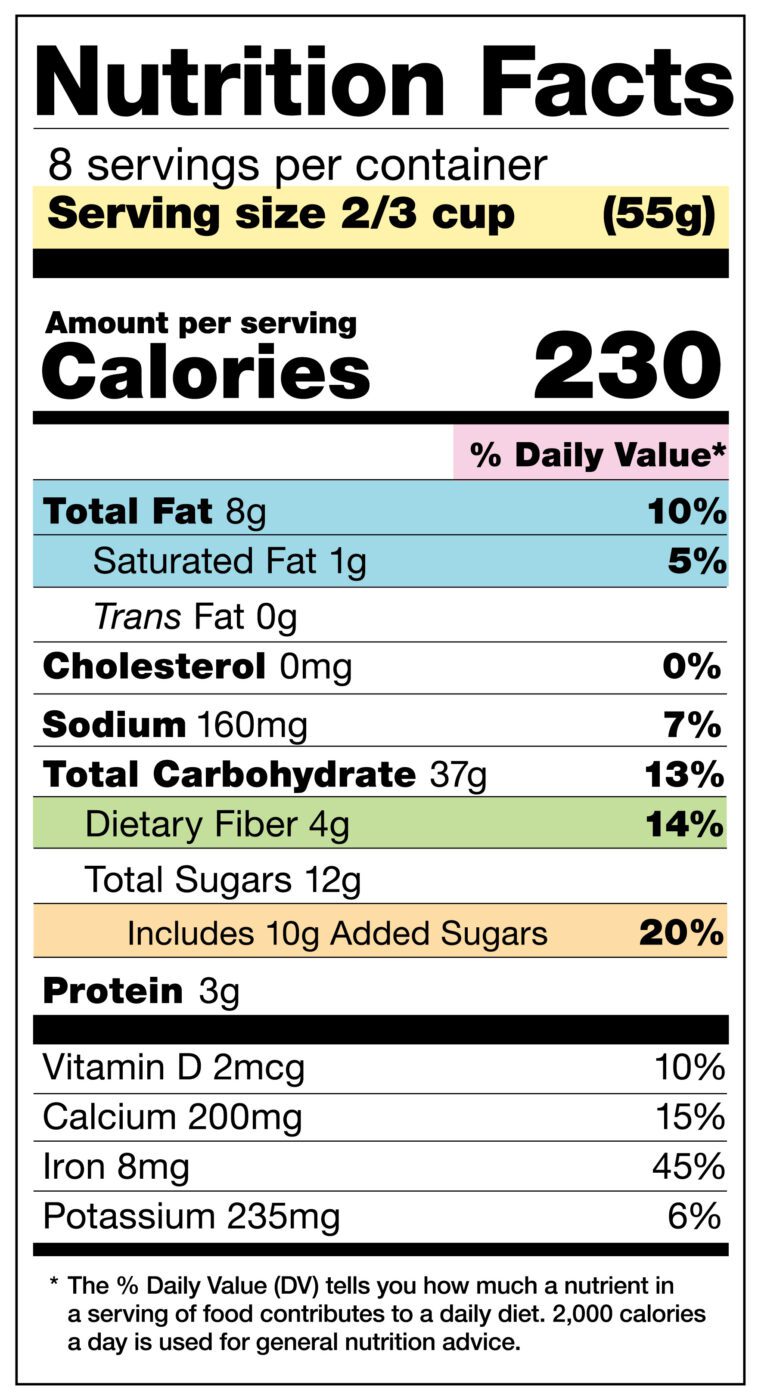
Four key areas on nutrition facts labels are serving size, fat content, dietary fiber, and added sugars.
Serving Size
The serving size is found at the top of the nutrition facts label. While many people see it as a recommended portion size, that is not its purpose. Serving size is meant to explain the nutrients consumed based on serving size. For example, if the serving size is one hotdog, but someone typically consumes two or three around the campfire, the amount on the label is not what is eaten but rather two to three times that amount. Serving size awareness helps to compare foods and know how much is actually being eaten.
Fat Content
After looking at serving size, the next thing to check is fat content. While unsaturated fats are health-promoting, saturated and trans fats can increase risk of chronic conditions. Try to choose foods with more than 5 percent daily value of saturated fat to keep intake below 10 percent of daily calories.
What does this look like practically? Maybe snacking on peanuts at the game or choosing a tuna fish sandwich over a hamburger. When possible, it means choosing nuts, seeds, oils, and fish rather than processed snacks, red meats, and fried foods.
Dietary Fiber
As you move down the food label, it is important to check the fiber in the carbohydrates you are eating. Fiber helps support fullness and digestive health, which is especially important for long, hot days. People should aim for about 30 grams of fiber per day.
To keep it simple, remember that fiber-filled carbohydrates contain at least 3 grams per serving. High-fiber foods include whole-grain cereals, pasta, bread, fresh produce, and legumes.
Added Sugars
Foods can have both naturally occurring sugars, such as dairy, fruits, and vegetables, and added sugars, such as sodas, candies, and packaged snacks. While foods with natural sugars have important nutrients, those high in added sugars do not have the same benefits.
Added sugar content can be found below total sugars on the nutrition facts label. To keep added sugar intake below 10 percent of daily calories, aim for no more than 10 grams of added sugar per meal or slightly less if eating more than three times a day.
No Nutrition Label? No Problem
While this works most of the time, there are situations where nutrition facts labels are not readily available, such as restaurants, cookouts, and concession stands. When there is no label to compare, consider making the nutritious swaps shown in table 1. This list is a great starting point for gatherings. As you read and compare food labels, adjust the swaps to fit your preferences.
Table 1. Nutritious Swaps
| Typical Choice | Smart Swap |
|---|---|
| Hamburgers, hotdogs, lunch meat sandwiches | Turkey burgers, grilled chicken, tuna sandwiches |
| Regular chips | Fruit cup, baked or whole-grain chips |
| Party dip | Hummus, traditional tzatziki, or honey cottage cheese with fruit or vegetables |
| Cookies, ice cream, sweets | Homemade cool whip fruited desserts, popsicles, angel food cake |
| Sweet tea, lemonade, soda | Diet soda, reduced-sugar fizzy drinks |
Start Somewhere
Making a change does not have to be drastic. Start with one simple change that interests you. Whether comparing serving sizes, trying a swap, or reading the label on your favorite foods, these small changes create habits that fuel long-term success.
When reading the food label, remember to focus on four pieces of information: serving size, fat content, dietary fiber, and added sugars. Comparing food labels is a great way to decide which food to bring to the football watch party or which drink to pack for the weekend. Making choices for every occasion can come confidently by learning the facts, one meal at a time.