
Health & Nutrition

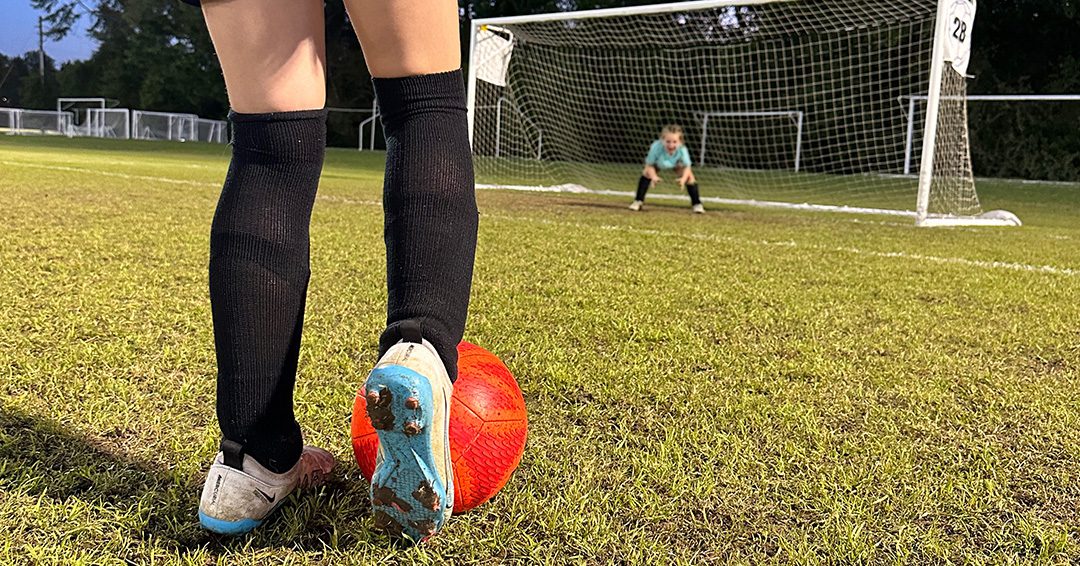
As fall sports begin, parents, caregivers, coaches, teachers, and other trusted adults are helping young athletes prepare for a successful season. For young athletes with type 1 diabetes, sports require additional planning to help prevent hypoglycemia (low blood sugar) and keep athletes performing their best. A simple routine can help everyone stay prepared.
Check → Pack → Play → Recover
Physical activity is an important part of a healthy lifestyle and offers many benefits for children and adolescents with type 1 diabetes, including improved cardiovascular health, strength, and confidence. However, exercise can increase the risk of hypoglycemia, especially during or after practices and games.
Check: Check Blood Glucose Before Activity
One of the most important habits young athletes with type 1 diabetes can develop is checking their blood glucose before exercising. A quick blood glucose check before practice or a game can help determine whether a snack is needed and reduce the risk of hypoglycemia during activity.
Parents, caregivers, coaches, and other trusted adults can encourage young athletes do the following:
- Check blood glucose before exercise.
- Recheck during long practices, tournaments, or double-header games if recommended by their healthcare provider.
- Monitor blood glucose after exercise, since lows can occur several hours later.
Skipping a pre-exercise blood glucose check can make it harder to recognize and prevent hypoglycemia.
Pack: Pack Fast-Acting Carbohydrates
Every sports bag should include a source of fast-acting carbohydrates that can be used immediately if blood glucose drops. These foods are absorbed quickly and can help raise blood glucose levels within minutes.
Good options include the following:
- Glucose tablets.
- A small juice box.
- Fruit snacks.
- Regular sports drink (not sugar-free).
Even if a young athlete rarely experiences hypoglycemia, having fast-acting carbohydrates available at every practice and game is an important safety measure.
Play: Make Sure Supportive Adults Are Prepared
Young athletes should not have to manage diabetes during sports alone. Coaches, teachers, athletic staff, and other trusted adults should know that the athlete has type 1 diabetes and understand how to provide support during practices and games.
Before the season begins, parents and caregivers can help with the following:
- Identify coaches, teachers, and other trusted adults who can provide support.
- Make sure supportive adults know where fast-acting carbohydrates and other emergency supplies are kept.
- Share the signs and symptoms of hypoglycemia and what actions to take if it occurs.
- Follow the individualized diabetes management plan provided by the athlete’s healthcare team.
Having a team of supportive adults can help young athletes feel more confident and prepared to participate in sports.
Recover: Don’t Forget Recovery Nutrition
If hypoglycemia occurs during exercise, treat it with a fast-acting carbohydrate first. Once blood glucose has returned to a safe range, think about the next meal. If the next meal is more than an hour away, a snack containing both carbohydrates and protein may help maintain blood glucose levels and support recovery from exercise.
Examples include the following:
- Peanut butter crackers.
- Cheese and whole-grain crackers.
- Greek yogurt with fruit.
- Turkey or ham sandwich halves.
A Little Preparation Goes a Long Way
Returning to school sports can feel overwhelming, but a simple routine can make a big difference. Remember to Check → Pack → Play → Recover.
By checking blood glucose before activity, packing fast-acting carbohydrates, identifying supportive adults, and planning for recovery, parents, caregivers, coaches, teachers, and other trusted adults can help young athletes with type 1 diabetes participate in sports safely and confidently throughout the school year.
Families and caregivers should continue to follow the individualized guidance provided by the athlete’s diabetes care team, since insulin needs and responses to exercise can vary from individual to individual.