
Health

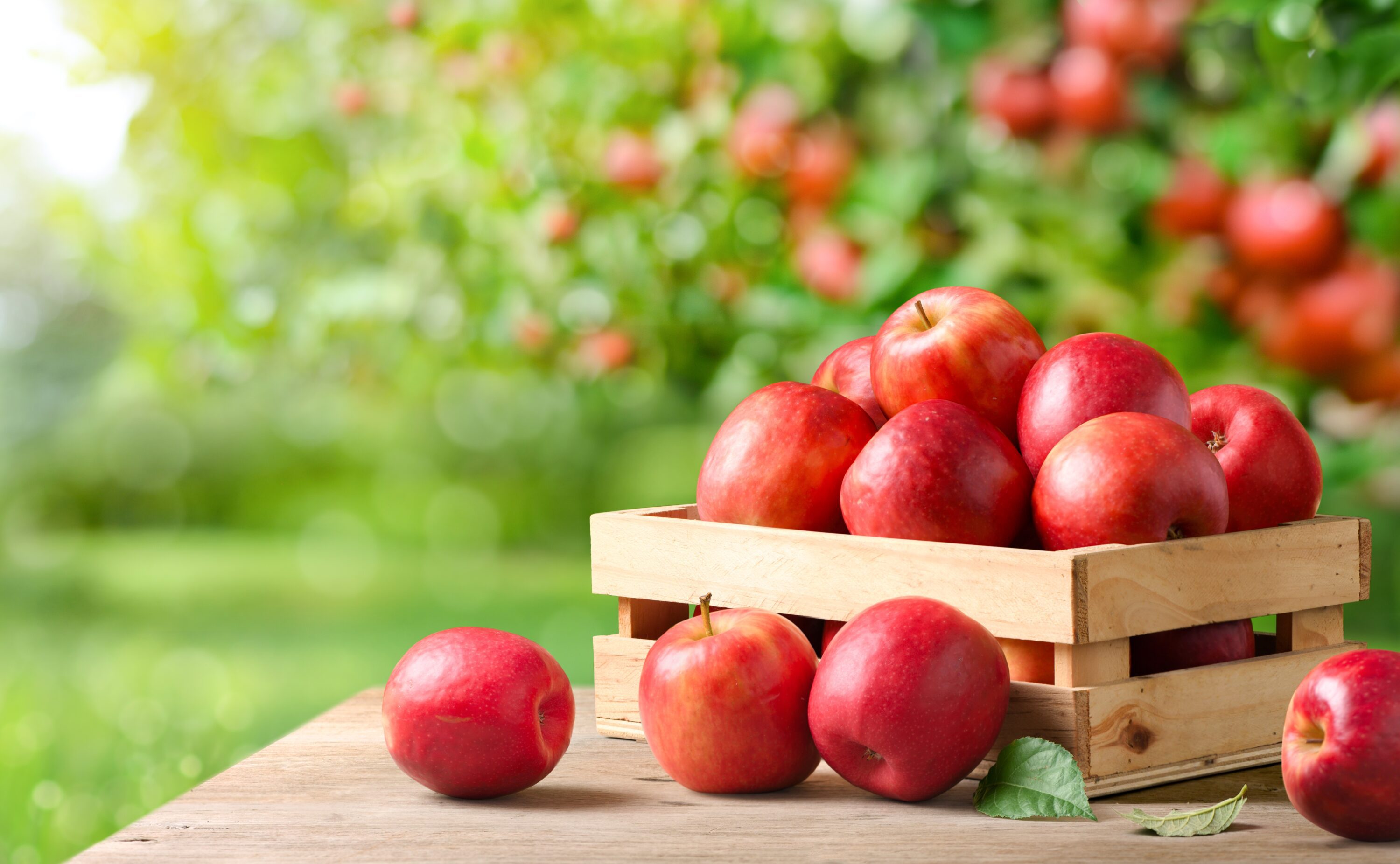
When fall arrives, excitement builds for everything crisp – crisp air, crisp leaves, and crisp apples from the local farmer’s market. Apples are a great seasonal pick because of their health benefits, diverse flavors, and versatility. With apples featured in fall baking, drinks, and warm meals, this begs an age-old question: Is it true that an apple a day keeps the doctor away?
Let’s explore the benefits of this year-round fruit that gets special attention during the fall.
Diverse Benefits of Apples
Apples support health because they provide a variety of nutrients and plant compounds. Specifically, they contain vitamins C and E, minerals, natural sugars, and antioxidants called polyphenols. These nutrients support energy balance and immune function, which is especially helpful for weather changes.
Apples are also high in water and fiber, which help promote fullness and hydration. Fiber-rich diets are linked to better digestive health and may lower risk of death from heart disease and certain cancers. To get the most nutritional benefits, leave the skin on. This crunch packs about half of the fruit’s fiber and many polyphenols.
Diverse Types
From sweet red varieties like Red Delicious, Fuji, and Honeycrisp, to tart green apples like Granny Smith, there is an apple for everyone! The U.S. grows more than 100 varieties. When shopping, look for apples that are firm, crisp, and well-colored.
Different varieties work better for different uses. Here are some of the best ways to incorporate these apples into your meals:
- Pink Lady → a crunchy, sweet option for cakes and muffins.
- Empire → An all-purpose choice with a crisp texture and sweet-tart flavor.
- Golden Delicious → Works well in pies, crumbles, and other baked dishes.
- Granny Smith → A tart choice for snacking, baking, sauces, and freezing.
- Honeycrisp → Ideal for snacks, salads, and homemade sauces.
- McIntosh → Works well in applesauce and pies because of its tender texture.
- Red Delicious, Gala, Fuji, and other red varieties → Best eaten fresh rather than baked and offer a sweet, crispy, and juicy flavor profile.
For the best quality, store apples in a bag in the refrigerator’s crisper drawer where they can last about a month. Whether you prefer sweet or tart apples, there are plenty of ways to enjoy them.
Diverse Preparation
There are many ways to eat apples, and each one has its place. Fresh apples with the skin on are a great everyday choice, but cooked apples can still be nutritious. Cooking can reduce vitamin C because it is sensitive to heat, but leaving the skin helps preserve fiber and polyphenols. Try baking or gently cooking apples with cinnamon instead of adding sugar.
Canned apple pie filling and applesauce still provide some nutrients, but processing may reduce vitamin C and fiber. Some varieties also contain added sugar or thickeners. For convenience, choose unsweetened applesauce or canned apples with no added sugar, and check the fiber content. These products are not inherently unhealthy, but added ingredients can make them less nutrient-dense.
You can also add chopped apples to salads or fall harvest bowls or pair apple slices with a protein source for more staying power. Keeping the skin on, limiting added sugar, and avoiding long or intense cooking can help you get the most from your apples.
Final Thoughts
Apples after all are not a magic answer to all health problems, but they still offer many benefits. Adding apples to chicken salad or pairing slices with peanut butter can sustain energy and promote health. In contrast, mixing them with less nutritious foods or removing the skin can “water down” their benefits.
No single food determines overall health. Nevertheless, each person can improve their health by making good choices consistently. This means choosing nutritious foods and cooking methods that preserve nutrients best. The next time someone asks if you should eat an apple a day, you can confidently say: why not!