
Bees & Pollinators

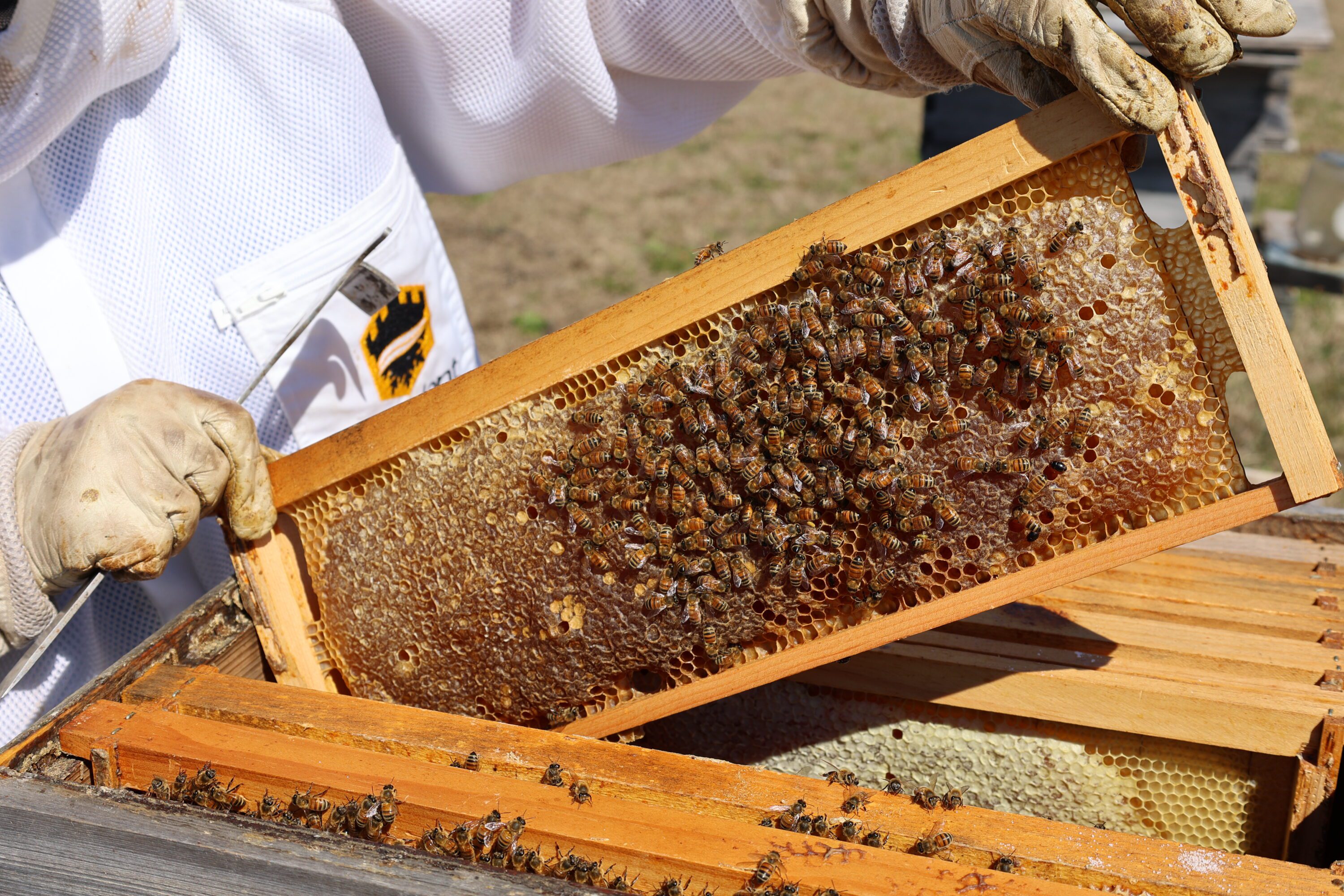
There is never a dull moment in beekeeping. Honey bees are fascinating creatures, and there is much to know about them as a beekeeper. Before starting a beekeeping venture, ask yourself important questions to help determine if it is the right choice for you.
What Is Your Motivation to Become a Beekeeper?
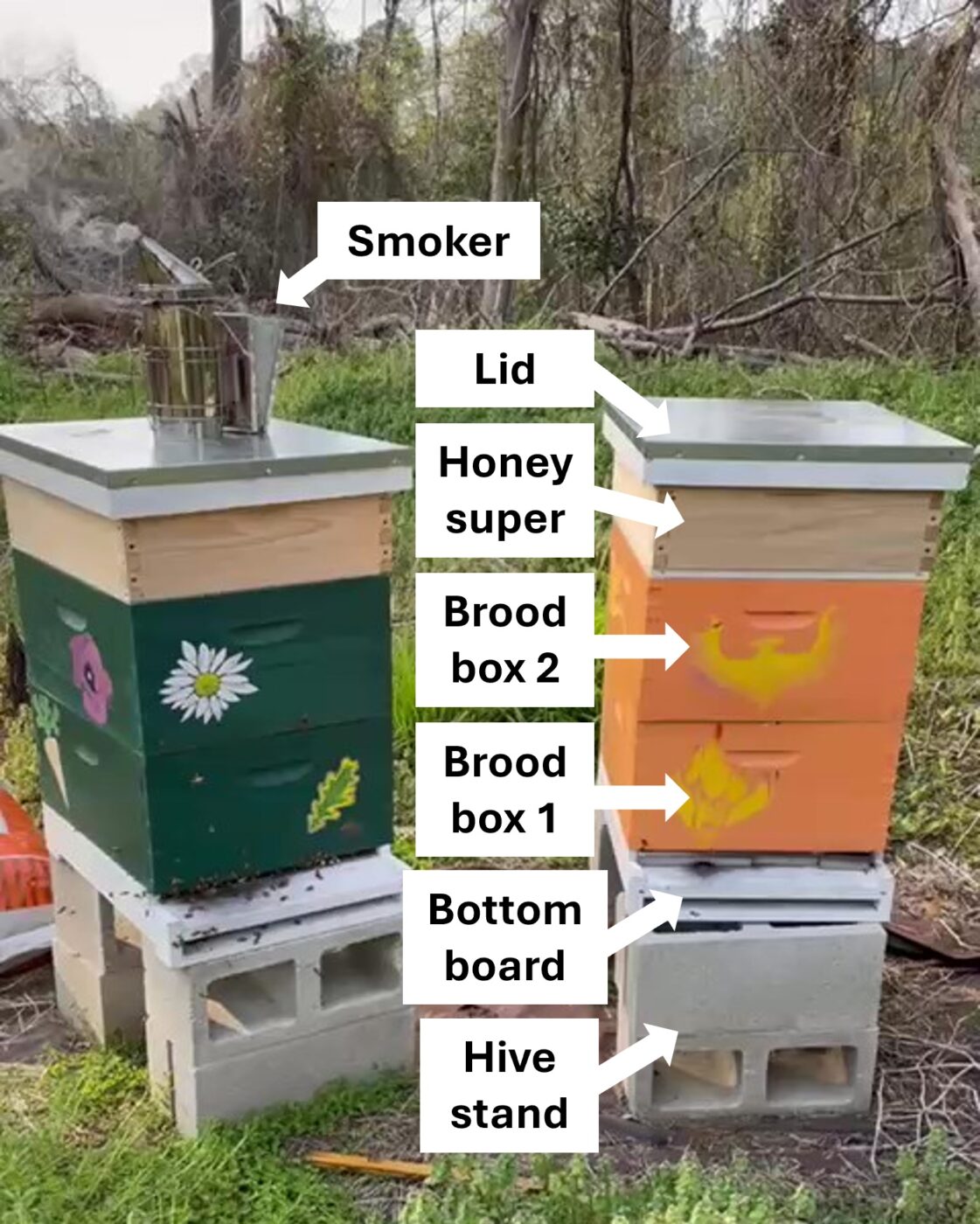
Figure 1. Two newly established colonies housed in two brood boxes with honey supers.
Do you want to save bees?
By becoming a beekeeper, you will not save bees. Honey bees are essential for pollination, but they are not threatened by extinction and are not native to the United States. If you want to save bees, focus on less conspicuous native bees.
Do you want to make money from beekeeping?
At the hobby level, you will not make much profit, as it is hard to offset expenses associated with beekeeping.
Are you striving for self-sufficiency?
You will get honey from your bees, but production highly depends on the environment and the health of your bees. The liquid gold is not guaranteed, and the process of harvesting, extracting, and bottling is laborious.
Do you love animals?
Honey bees are managed livestock and require attention and care. Beekeepers must adhere to animal husbandry and animal welfare standards.
Do you enjoy time in nature?
Beekeeping is an outdoor hobby. At times, you will work under less-than-ideal weather conditions, such as heat or rain. As a beekeeper, you are a steward of the environment. You inevitably will learn about the natural world surrounding your apiary and better understand the importance of a balanced environment.
Do you love to learn?
Honey bees are full of wonders. You will learn something new every time you visit your colonies. While not every beekeeper starts the journey with one concrete motivation, it is good to think about the “why” beforehand.
Is Beekeeping Affordable for You?
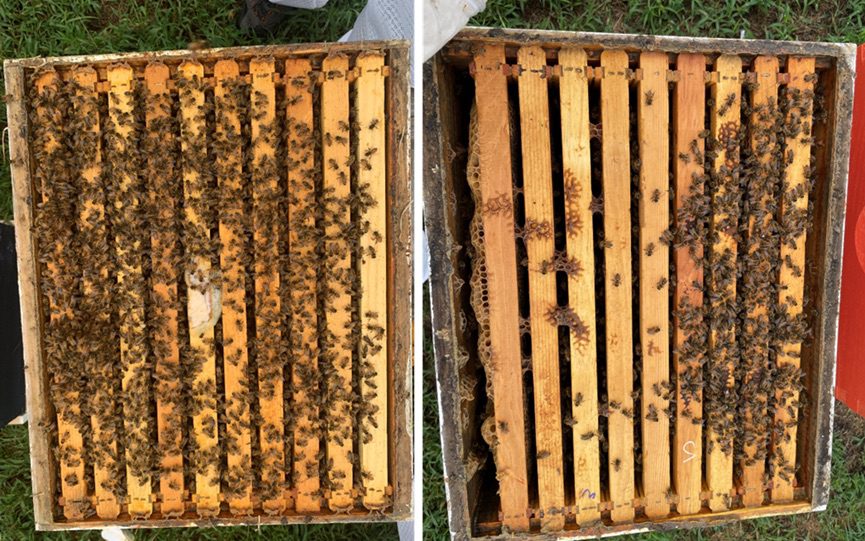
Figure 2. Colonies of different sizes. It is common to see large bee populations (left) in spring and summer. Small bee populations (right) during that time may indicate a problem.
The upfront costs to start beekeeping can be substantial. You can expect your first-year beekeeping budget to be approximately $1,000 at a bare minimum.
One full-sized colony, including bees and two brood boxes with the necessary accessories, costs approximately $350, and at least two hives are recommended (2 × $350 = $700). Managing two colonies gives you the chance to compare them to each other and recognize unusual colony conditions (figures 1 and 2).
You will have additional costs for personal protective equipment such as a bee suit, additional brood boxes, and honey supers; supplemental food such as sugar to feed colonies going into winter; and management tools for pests and parasites (table 1).
You may be hoping to offset these costs with your honey harvest, but most newly established colonies do not produce any surplus honey for harvest in their first season. And while it may be tempting to save money by getting used equipment from seasoned beekeepers, it is not recommended. Used beekeeping equipment can harbor diseases, such as American foulbrood, and pesticide residues for a long time, even decades.
Table 1. Estimated Equipment and Cost to Establish Two Colonies Housed in Two Brood Boxes in Spring
Prices based on Foxhound Bee Company, 2025
| Item | Cost per Item | Number of Items | Total | |||
|---|---|---|---|---|---|---|
| Honey Bee Colony | ||||||
| Honey bee package | $180 | 2 | $360 | |||
| Bottom board | $26 | 2 | $52 | |||
| 10-frame brood box | $25 | 4 | $100 | |||
| 10 frames | $36 | 2 | $72 | |||
| Inner cover | $18 | 2 | $36 | |||
| Lid | $33 | 2 | $66 | |||
| PPE | ||||||
| Bee jacket | $80 | 1 | $80 | |||
| Gloves | $30 | 1 | $30 | |||
| Hive tool | $10 | 1 | $10 | |||
| Smoker | $30 | 1 | $30 | |||
| Total | $836 | |||||
Do You Have the Time and Space to Keep Honey Bees?
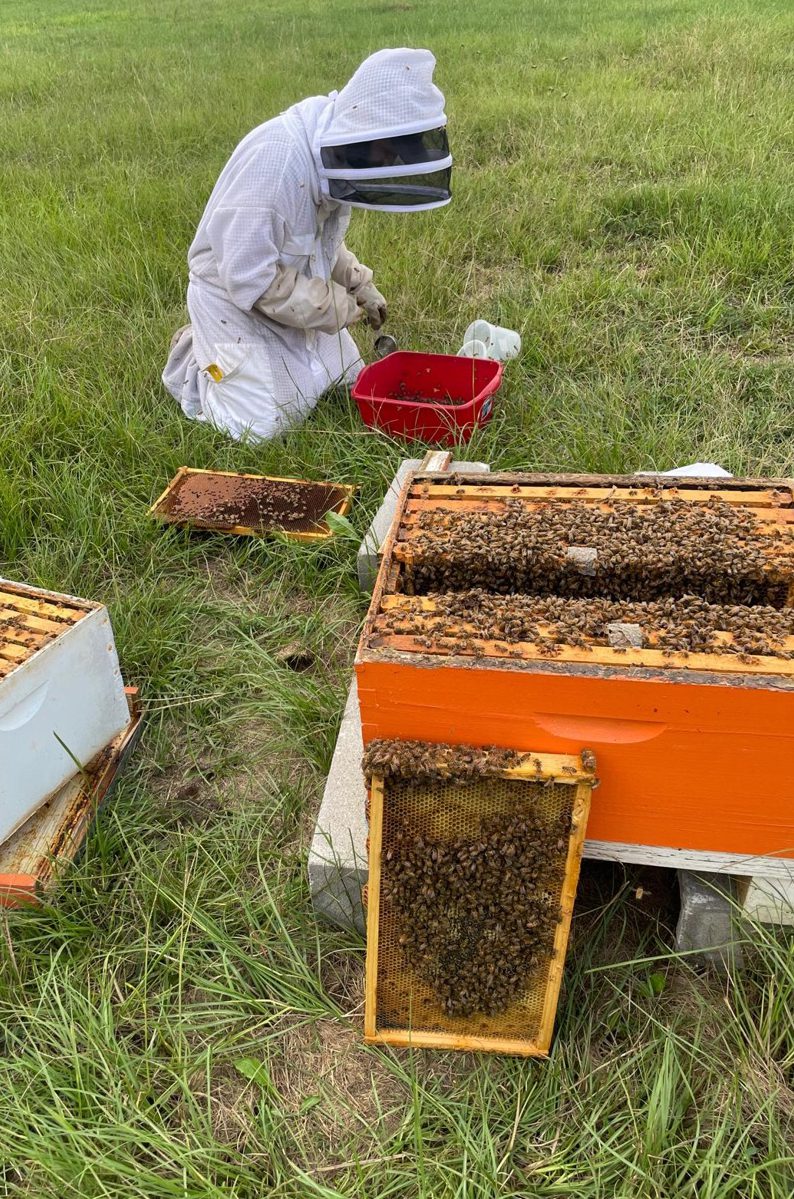
Figure 3. Beekeeping activities vary by season. After the main nectar flow, colonies should be inspected monthly to ensure that they are healthy.
Beekeeping is a seasonal occupation, yet the time commitment is considerable. Beekeeping may take up 30 to 50 hours of your year. Spring is the busiest season, when honey bee colony populations grow exponentially in response to the abundance of nectar and pollen sources.
Colonies that burst from every seam have a natural urge to swarm. When this happens, about half of the honey bees leave with the old queen to start a new colony somewhere else. To prevent swarms and the settling of bees in your neighbor’s tree, beekeepers need to add hive boxes or artificially split colonies in half.
In spring and early summer, expect to perform inspections every 2 weeks and allow 45 minutes per colony. Biweekly inspections should enable you to detect and deal with queen cells and swarming, as well as adding additional space. In late summer and early fall once the major nectar flow ceases, one inspection of 45 minutes per colony per month is sufficient.
In summer, reserve time for honey harvest and extraction. Depending on your environment and equipment inventory, several harvests may be necessary. After the honey harvest, it is crucial to closely monitor for pests, parasites, and diseases in your colonies (figure 3).
By monitoring once a month in conjunction with colony inspections, you can implement timely management and have healthy bees going into winter.
In fall, you need to make sure your colonies have enough food stores. As a rule in Alabama, your colony needs at least 40 pounds of honey stores to get through the winter comfortably. It may be necessary to provide supplemental sugar syrup if a colony is light.
Winter is downtime, with few active inspections needed, but it provides opportunity to build and fix equipment (figure 4). Winter is also a good time to reflect on the past beekeeping season. Which time points were important? What worked and what did not work for you? With this information, you can create a tentative schedule for beekeeping tasks in the subsequent year.
Beekeeping can take up a lot of space. Not all beekeeping equipment and supplies will be used continuously throughout the season, and you will need space to store unused equipment appropriately. Where will you store two brood boxes including frames if you reduce the size of your colonies for winter? Where will you store honey supers after you extract them at the end of summer? If not stored properly, unused equipment may be taken over by pests, including wax moths and small hive beetles, that can cause significant damage.
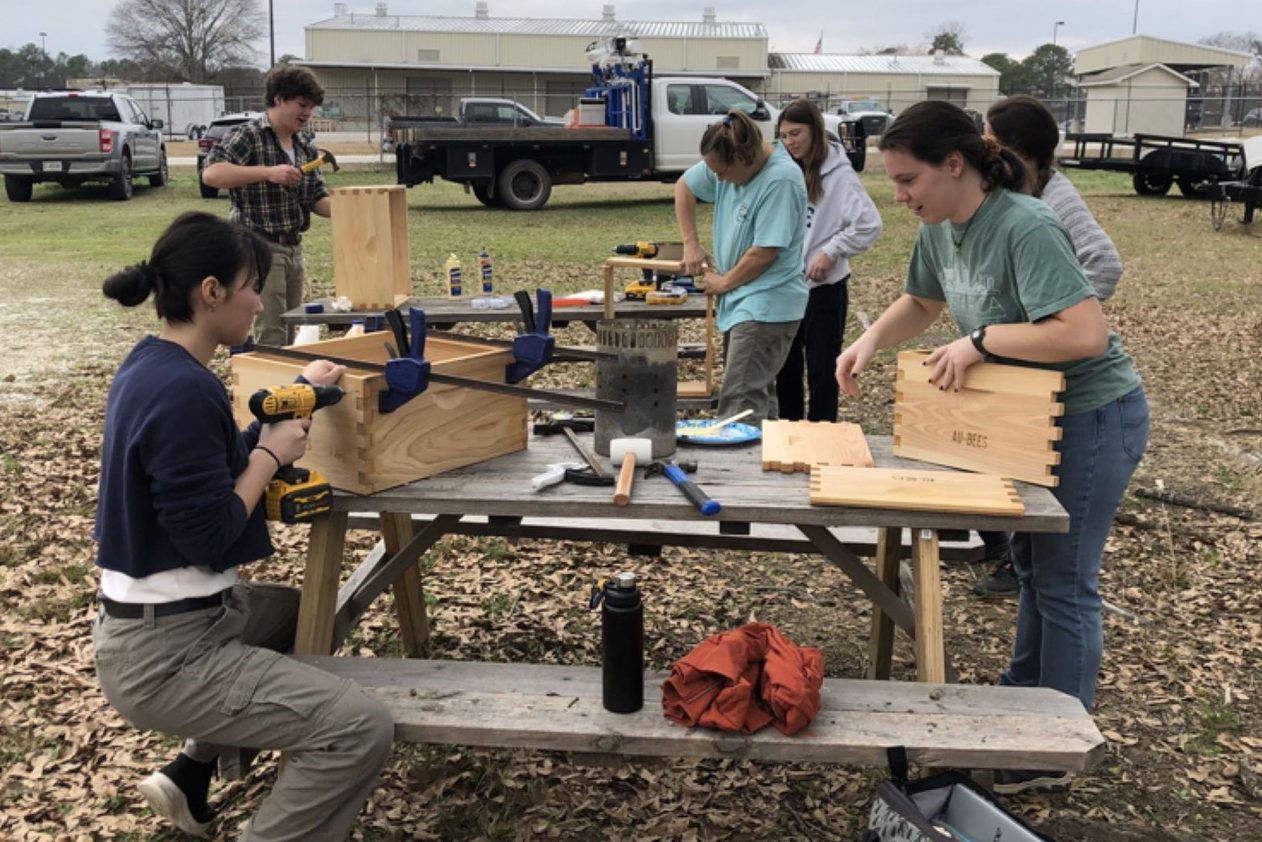
Figure 4. Winter may not be spent with bees but in building and fixing equipment.
Do You Have a Location to Keep Honey Bee Colonies?
Ideally, colonies are kept in full or partial sun in an area where bees can easily access floral resources and water year-round. As the beekeeper, you also want easy access to the colonies. You do not want to climb over fallen trees or cross a pasture full of bulls to get to your colonies.
Apart from the bees’ needs and accessibility, you need to be considerate of your neighbors. They may not appreciate having honey bees visit their pool to collect water while their children are swimming. Communicate with your neighbors about your plans, make sure that nobody has a history of anaphylactic reactions, and be prepared to set aside a few honey jars to appease them.
Finally, you need to comply with any regulations and laws that may govern your beekeeping. If you are part of a homeowners association (HOA), you may not be able to keep bees in your backyard. If the city or town where you live has laws concerning beekeeping, you better follow them. Visit your state’s municipal ordinances website to learn about the laws in your area.
Can You Tolerate Bee Stings?
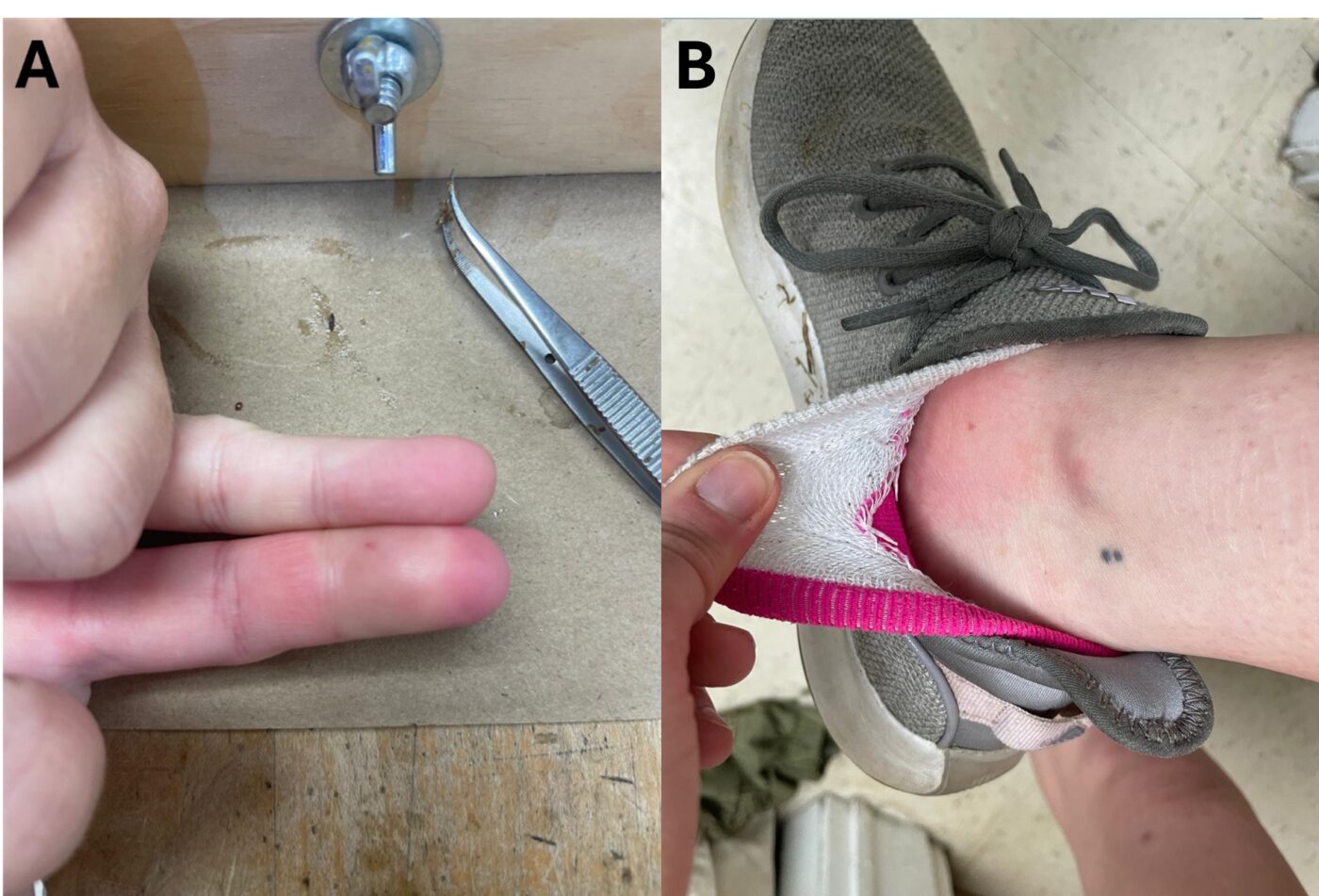
Figure 5. Examples of local reactions after a honey bee sting. When a local reaction occurs, the swelling is largely restricted to the body part that got stung, such as a finger (A) or the ankle (B).
This is not about tolerating the pain (bee stings hurt!) but rather tolerating the venom. Most people will have a local reaction after being stung by a honey bee (figure 5). Local reactions can include swelling, redness, and itchy skin around the location of the sting, but the symptoms usually subside after 24 hours. If you fall into the local reaction group, beekeeping may be for you.
Some people will have a systemic or allergic reaction in which a sting on a finger or arm can cause symptoms to spread to other parts of the body. The extreme version of a systemic reaction is anaphylactic shock. In that case, getting stung on the finger may induce swelling of the throat or tongue, difficulty breathing and talking, nausea and fainting, and even death. If you experience a systemic reaction after a sting, you may want to see an allergist before keeping honey bees.
It is not advisable to become a beekeeper if you have experienced an anaphylactic shock after being stung by a bee. Even though you may only experience a local reaction now, it is possible that 10 years from now you could have an anaphylactic reaction. Be vigilant and monitor symptoms.
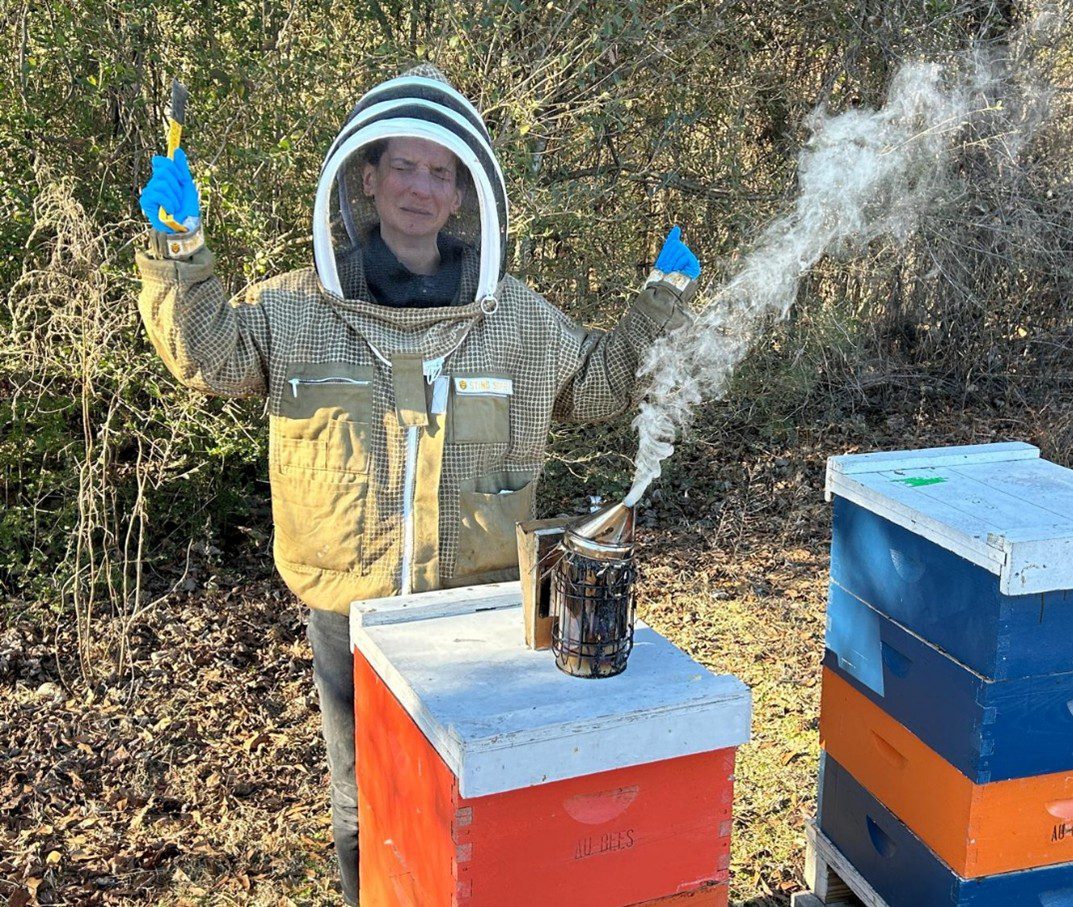
Figure 6. Beekeeping can be frustrating at times. (Photo credit: Michael Held)
Finally, How Willing Are You to Accept Failure?
It is estimated that during the last 5 years, United States beekeepers lost an average of 45 percent of their colonies each year. There was no single reason why colonies died, but it was rather a combination of factors, including parasites, diseases, pesticides, and nutrition. Keeping honey bee colonies alive can be difficult, and you may lose some throughout your beekeeping journey (figure 6).
There is a lot to think about before becoming a beekeeper, and it can be overwhelming. If you are determined to become a beekeeper, find a local beekeeping club, attend local and statewide beekeeper meetings, and find a mentor who can help you get started with beekeeping. While it takes time and effort, beekeeping is a rewarding and enjoyable occupation.
This series aligns with Alabama Extension’s free online course Beekeeping Basics. The course covers fundamental knowledge about honey bees and beekeeping, all from the comfort of your home.
 Selina Bruckner, Assistant Extension Professor, Entomology and Plant Pathology, Auburn University
New April 2026, Beekeeping Basics: Is Beekeeping Right for You?, ANR-3239