
Farm Management

Mortality disposal management is a significant consideration for contract poultry producers. Every form of disposal has costs associated with it, and many are less than obvious. Growers seeking to make the best business decision for their farm should consider the pros and cons of a method and how those apply to their farm’s unique situation.
As part of the typical broiler, breeder, pullet, and commercial layer contract, growers are responsible for disposing of all mortality in a manner that complies with local, state, and federal regulations and meets the standards set forth by the contracting poultry company. To assist growers in choosing the best disposal method for their operation, specific aspects and costs associated with accepted methods are featured here.
Composting
Most people are familiar with the general idea of composting, defined as the conversion of organic biodegradable waste materials (biomass) into soil amendment material through controlled aerobic decomposition. For the poultry grower, biomass is dead bird carcasses, hereafter referred to as “mortality.” The two common composting methods for poultry farms are shed composters and drum composters.
Shed Composters
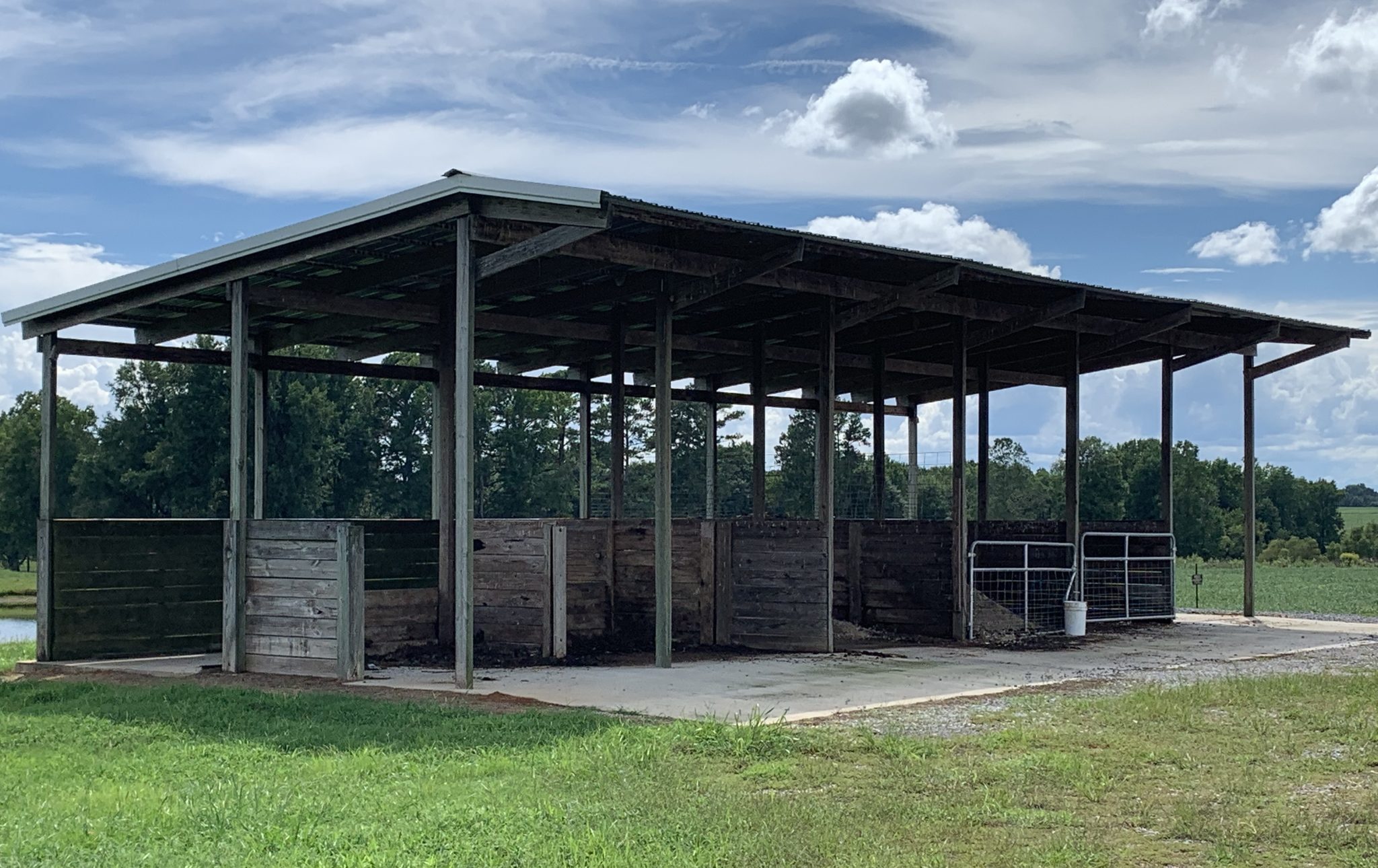
Shed composters are wooden and/or concrete structures consisting of open composting bins located under a roof. Compost stacks within these bins comprise mostly litter as the primary composting or “bulking” material, with mortality added in alternating layers and left to decompose over time. These sheds are often built as part of a litter storage building but can be stand-alone structures.
The compost stack, or mixture of composting material and mortality, must be layered properly to be successful. The stacks also must be turned and stored in secondary composting bins for an extended period to achieve complete bird decomposition. All of this requires an increased level of management and labor to do the job right.
An improperly managed shed composter can quickly become a serious problem. Improper stack building, insufficient time allowed for decomposition, or improper storage can create situations where rotting birds attract scavengers, spread disease, cause nuisance odors, and result in penalties from regulatory agencies. This also impacts the way the community sees the grower’s farm and the commercial poultry industry as a whole.
A properly managed shed composter will produce minimal odor, and it will be difficult to differentiate between the composter’s final product and other stored litter. A properly composted end product has value as a soil amendment but should only be spread on crops that are designated for nonhuman consumption. Spreading improperly composted product onto crop fields and pastures can have far-reaching negative impacts that severely compromise the “good neighbor” strategy growers should strive to meet for the good of their farm and the industry. Incomplete composting of bones and feathers also can increase wear and problems on spreading equipment. In some areas where compost is marketed, these issues can lead to a devaluation of the product.
Well-built shed composters can last many years with minimal maintenance, making long-term costs low. For more information on construction and operation of a shed composter, see publication “Construction of a Dead-Poultry Composter” on the Alabama Extension website at aces.edu. For information on sizing a litter shed and composter, go to the online USDA Field Office Technical Guide, Alabama and look for “000 AL ENGT Litter Management Worksheet 2013.”
Drum Composters
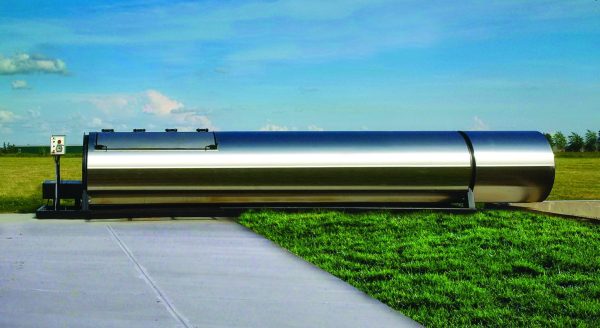
Drum composters, often called “in-vessel” composters, are not a new method but are newer to the industry than shed composting. While they utilize the same natural aerobic decomposition method to dispose of mortality, drum composting takes place in an enclosed container, and the time and mixing required for full decomposition is accomplished automatically by the system.
Mortalities are mixed with carbon source material that both absorbs moisture and provides additional carbon sources for the microbial agents to utilize in their decomposition activity. Most manufacturers of these systems recommend fresh wood shavings as the carbon source material, as they provide more surface area for microbes and better moisture management. However, fresh shavings can be difficult to obtain in some areas and be expensive. Other carbon sources that can be used include clean straw, peanut hulls, “cottonfield trash,” and even old litter.
 A volumetric ratio of 1.5:1 or 2:1 carbon source material to mortality is usually recommended by manufacturers—for example, 1.5 loader buckets of fresh shavings to 1 loader bucket of mortality. It is important to monitor the composted product when using materials other than shavings, as they change the decomposition process and may require ratio adjustment to achieve the desired results. Also, larger birds may benefit from a higher ratio of carbon source material due to higher moisture content.
To use a drum system, mortality and carbon material are put into one end of a drum. The automatic turning of the drum, combined with the length of the system, provides the mixing and time needed to fully compost the mixture. The pounds of mortality anticipated over time dictates the overall length of the system needed to achieve full decomposition and impacts the overall time needed for completion.
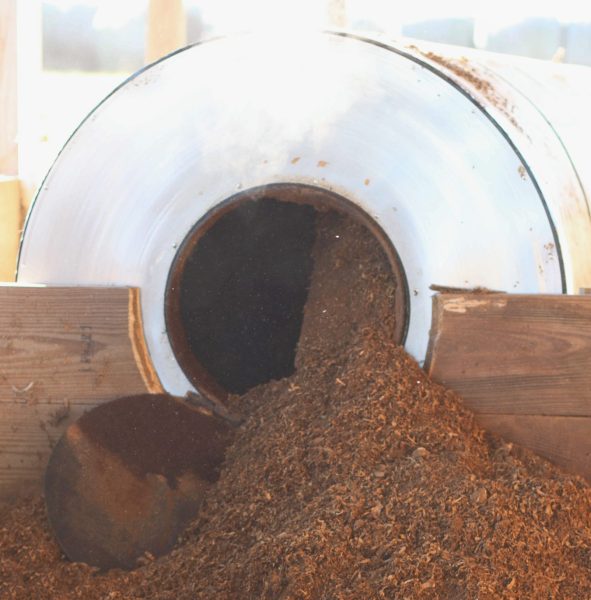
Drum composting can be thought of as a continuous process. Adding daily to the input end results eventually in daily output of the final product. This final product should be stored in a dry, covered location until time for land application.
Drum composters can have a high initial installation cost. They benefit from an underlying concrete pad and are best placed under a protective shed. Sometimes this can be achieved by installing inside or attaching to a litter storage shed.
Typical drum systems use low amounts of electricity. Maintenance costs are usually low, as well, since systems move very slowly and have few moving parts. The major components of the system, namely the drum itself and the mountings, should last for many years. Electric motors and bearings will need to be maintained and future replacement expected. The system is run by computerized controls or electric relays and timers, so lightning and power surges are of some concern. Proper wiring and grounding are essential.
 A moderate level of management is required, as a proper mixture of mortality and carbon source material is essential to achieve desirable results. An improper recipe going in will result in less than desirable product coming out the other end. Most often, poor composting is the result of too much moisture in the system. If the material exiting the drum is not fully composted, it will need to be loaded again and run through for a second time with additional carbon source material added.
Daily loading of a drum composter, especially during the later weeks of a flock, can be a laborious task, as it includes adding two components together in the right ratio into the composter.
When planning installation of an in-vessel system, consider a location where the composter input opening will be large enough to utilize a typical 72-inch tractor loader bucket to fill it, and tractor access to the carbon source material will be easy. This can save on labor.
A positive of drum composting is that the process is virtually hidden from the public view. Since decomposition is taking place inside the drum, nuisance odors are almost all eliminated. Disease control is also more complete, as the heat generated inside the proper mixture kills highly contagious viruses, such as laryngotracheitis, and other pathogens. Issues with scavengers spreading disease are also eliminated.
If done correctly, the output from drum composting is an inert, low-odor, dry, easily spreadable, and valuable soil amendment suitable for crop or pasture application. For additional information on drum or in-vessel composting, see Mississippi State University online Extension publication “Rotary Drum Composting of Poultry Mortalities.”
Mortality Incinerators
Mortality incineration is certainly one of the more familiar methods for poultry mortality disposal. This method can be especially appropriate for smaller operations or farms that have few mortalities, such as a typical pullet farm.
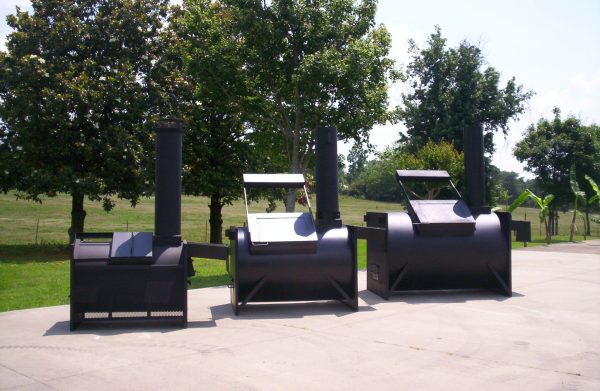
Incineration is straightforward. Mortality is placed into an incineration unit that uses a fuel source to maintain a fire to burn up the mortality. The end product is dry ash that must be manually removed from the unit. The ash can have small bits of bone still present, but for the most part the entire bird is consumed.
Ash from the incineration of poultry mortalities is a concentrated source of phosphorus and potassium and can be incorporated into soil but is not generally considered a soil amendment. It is recommended that the ash be mixed with litter and land applied, especially since there is usually not a large volume produced.
A positive aspect of incinerators is that they have a relatively low installation cost. The incinerator itself should be designed for commercial use and preferably for poultry or animal rearing facilities specifically. The BTU (British thermal unit) capacity of the incinerator along with the temperature at which the unit is controlled will dictate how long it takes to fully incinerate a full load. The total load capacity will dictate how often a grower must refill an incinerator to dispose of a day’s mortality. Incinerator companies can help growers find the right size for their farm’s needs.
 While incineration is generally considered a “clean” process of disposal, proper sizing, maintenance, and operation of the unit is required to maintain a complete burn with as little offensive smoke and odor as possible. Incinerators require considerable maintenance over time, as grates need replacing and burners and blowers must be cleaned regularly and sometimes replaced. Many incinerators can be rebuilt and have major components replaced by the factory. This expense should be considered as part of the long-term cost of operation but is considerably less than full replacement.
The grower who has no more than the unit’s capacity to dispose of per day should find incineration has a moderately low labor requirement consisting mainly of filling with mortality and then ash removal. However, if the daily mortality exceeds the capacity of the unit, resulting in repeated fill/ash-removal cycles, it can turn into a labor and time-intensive method. Some growers choose to install multiple units to distribute the load and lessen the required time. Incinerators take up comparably little space but should be located away from any other structures for safety reasons. They should be mounted preferably on concrete slabs and must have electrical as well as fuel access close by.
The major negative aspect of incineration is fuel cost. Most incinerators in the poultry industry use liquified petroleum (LP) or natural gas as the primary fuel. A 300,000 BTU incinerator will use approximately 3.25 gallons of LP or 3 hundred cubic feet (CCF) of natural gas every hour of operation and generally dispose of 120 to 130 pounds per hour. High-efficiency units with internal temperature sensors that initiate fuel shutoff when the mortality can keep burning without additional fuel are recommended.
Because of the increased time, labor, and cost potential, combined with the potential for high mortality occurrences, primary incinerator users should consider having multiple units, mortality storage methods, or an alternative disposal method at hand. These considerations can offset the low initial installation cost and make incineration a high-cost, less attractive method for many growers. However, if a farm has few mortalities to dispose of, incineration can still be a highly desirable method. Proper incineration completely removes any disease threat and scavenger concerns and is a clean disposal method. For more information on incineration for poultry, see “Using Incinerators for Poultry Mortality Management” online from the University of Tennessee Agricultural Extension Service. (Note: the economic evaluation in this article dates to 2014 and does not represent today’s current fuel prices.)
Mortality Dehydration
Dehydration as an on-farm method of mortality disposal is a new option for Alabama growers to consider. It is based on technology used by some rendering plants to transform mortalities and processing waste into feed ingredients and other uses.
Farm units are scaled-down versions of the much larger rendering units. A major advantage of the dehydrator is the simple operation, requiring only loading and starting the unit once it has been programmed initially. Growers using dehydrators report satisfaction with the automatic unloading feature of some units and the low volume of material per flock.
Dehydrators generally produce an output biomass that is 30 to 40 percent of the input by weight. This is a result of moisture removal that can be controlled by the user. The drier the product, the less the output volume but the longer it takes to reach that point.
Dehydrators come in varying sizes based on pounds of mortality they can handle in a 12- or 24-hour period. For example, one 1,800-pound electric dehydrator can process 1,800 pounds of mortality down to 720 pounds of output product in a 24-to-28-hour cycle. If less material output is desired, the total input capacity decreases. Also, larger birds may take longer to reach the desired result. A grower should consider the increased recurring mortality during the last week of a flock and base the size and/or number of units on those expected pounds.
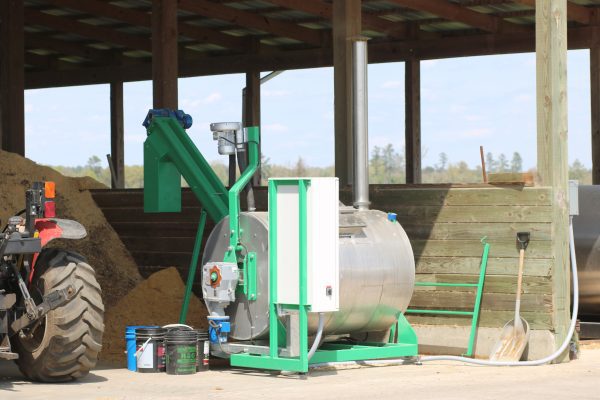 These units are designed for a single load cycle, preventing the grower from adding additional mortality during the drying cycle. The process cannot be stopped to add more mortality once the cycle begins. It is recommended that growers choose a unit one size up, install additional units, or have an alternate backup method of storage or disposal if daily mortality approaches capacity. This often can occur during the final days of a flock and after a flock is caught, leaving leftover birds. In the example to follow, we calculate a daily average of 1,100 pounds of mortality dried down to 588 pounds of output. There would be much less at the beginning of a flock and more at the end.
These units use electricity, and potentially other fuels, to generate the heat that dehydrates the mortalities and mixing/grinding paddles that break them down into a meal-like finished product. This output product has been exposed to sterilizing temperatures and is safe to handle. It is dry, has low odor, and can be land applied as a soil amendment. Some units are designed with an auguring system to remove the product into a storage container or area, while others are designed to dump out the product into a holding area. The dumped product may need to be moved manually, increasing labor requirements. These units should be housed in a dry, protected location and must have access to electricity and possibly other fuel.
Fully electric units need commercial wiring to supply the resistance heating elements that drive the system. Some electric units are single-phase powered, others are three-phase powered. It is advised to use a dedicated breaker box supplying 100 to 200 amps of power per unit. Proper wiring and grounding are essential, as these systems utilize computerized controls that must be protected from electrical faults. Labor mostly consists of loading the daily mortality into the unit and setting it to run.
It should be expected that there will be maintenance required on the heating elements and possibly other moving parts, such as augers and blower motors, over time. Regular cleaning of the inside should increase the unit’s efficiency and longevity; hence, cleaning ease should be a maintenance consideration. Long-term maintenance requirements will only be known once a number of these units have been utilized over many years. Initial units in service on several poultry farms have thus far proven to be low maintenance in multiple years’ service.
The major downsides of this method are the high initial installation cost, the requirement of large amounts of electricity or other fuel to operate the unit, and the potentially limited capacity and inability to add mortality once the process has begun. Initial users of dehydration units have emphasized the value of having backup disposal or mortality storage methods.
These backups are likely to be needed during the last weeks of a flock, after catching for leftover mortalities, and for the first weeks of a flock as some units have a minimum load capacity to operate, requiring storage of chicks for several days before a batch is run.
Although these units are new to the poultry market, and there is not a lot of poultry farm data to go on, they are expected to have reasonably long lives of over 10 years approaching 20 years without major maintenance or replacement. Also, as with incinerators and drum composters, this is an enclosed disposal method that eliminates problems with scavengers and disease spread. For more information about dehydrators, visit the websites of the following manufacturers: Innovative Poultry Products, LLC; Triple Green Products; and Diversified Agriculture Poultry and Livestock.
Economics of Mortality Disposal
Mortality disposal has significant economic impact on a commercial poultry grower. To compare the methods discussed here, we looked at the annual cost during the loan period and ultimately the average cost of using each on a per bird-day basis (a day the farm has birds in-house) for a 20-year average (tables 1 to 4). As an example we used an Alabama broiler farm with the following specifications:
- Two 66” wide × 600’ long modern tunnel house
- .80 stocking density
- 6.5 pounds target weight
- 9% average mortality per flock
- 49-day average flock, with 18 days average out-time
This results in the following:
- 99,000 birds placed per flock
- 5.4 flocks per year
- 267 bird days per year
- 1,103 pounds average daily mortality rate (much less early flock, more late flock)
For operational costs, we assume the following:
- Shavings—$70/ton
- LP gas—$1.50/gallon
- Natural gas—$1.40/CCF
- Diesel fuel—$6.00/gallon
- Electricity—$0.14/kWh
- Labor—$15.00/hour
Installing each method requires building and/or purchasing the equipment. We assume this is financed through a 10-year bank loan at 7 percent interest. No depreciation or inflation is calculated.
Additional model assumptions:
- Assumes a 40’ × 60’ litter shed already exists that could house dehydrator or drum composter
- Assumes farm has tractor and other mortality transportation equipment
- Assumes stand-alone 20’ × 60’ six-bin composter shed only, not a litter shed/composter combo
- Assumes incinerator maintenance cost to include a rebuild at 10 years for 30 percent of purchase cost
- Sets maintenance costs at 2 percent of purchase price annually for everything else
Table 1. Annual Purchase Costs for Poultry Mortality Disposal Methods
| Disposal Method | Purchase Price | Purchase Loan Payment/Year |
|---|---|---|
| Six-bin compost shed | $33,600 | $ (4,681) |
| Electric dehydrator | $72,500 | $ (10,101) |
| LP incinerator | $12,500 | $ (1,741) |
| Drum composter (40 feet) | $83,000 | $ (11,564) |
Table 2. Annual Fuel/Energy Usage for Poultry Mortality Disposal Methods
| Disposal Method | Fuel Type | Average Daily Fuel Usage | Fuel Cost/Year |
|---|---|---|---|
| Six-bin compost shed | Tractor diesel (gal.) | 0.50 | $ (801) |
| Electric dehydrator | Electricity (kWh) | 100 | $ (3,748) |
| LP incinerator | LP gas (gal.) | 17.65 | $ (7,067) |
| NG incinerator | NG (CCF) | 15.89 | $ (5,937) |
| Drum composter | Electricity (kWh) | 1.10 | $ (56) |
Table 3. Annual Labor and Maintenance for Poultry Mortality Disposal Methods
| Disposal Method | Daily Labor (Hours) | Labor Cost/Year | Shavings Cost/Year | Repair & Maintenance Cost/Year |
|---|---|---|---|---|
| Six-bin compost shed | 1.50 | $ (6,006) | NA | $ (672) |
| Electric dehydrator | 0.50 | $ (2,002) | NA | $ (1,450) |
| LP/NG incinerator | 1.00 | $ (4,004) | NA | $ (1,500) |
| Drum composter | 0.50 | $ (2,002) | $ (3,092) | $ (1,660) |
Table 4. Final Summary of Overall Costs for Poultry Mortality Disposal Method
| Disposal Method | Total Annual Cost (Loan Period) | Total Annual Cost per Square Foot (Loan Period, No Litter Value) | Added Product Litter Value | Net Annual Cost (Loan Period) | 20-Year Net Cost Average per Bird-Day |
|---|---|---|---|---|---|
| Six-bin compost shed | $ 12,160 | $ 0.154 | $ 2,209 | $ 9,951 | $ 28.51 |
| Drum composter (1,500 lb. capacity) | $ 18,374 | $ 0.232 | $ 3,534 | $ 16,019 | $ 35.59 |
| Electric dehydrator (1,800 lb. capacity) | $ 17,301 | $ 0.218 | $ 1,178 | $ 16,123 | $ 41.48 |
| NG incinerator (1,000 lb. capacity) | $ 13,182 | $ 0.166 | $ 147 | $ 13,035 | $ 45.57 |
| LP incinerator (1,000 lb. capacity) | $ 14,313 | $ 0.181 | $ 147 | $ 14,166 | $ 49.81 |
Additional Values Gained from Output Products
Composting (both shed based and in-vessel) and dehydration produce a product that has value as a soil amendment. When compared to the litter generated in the production house, the volume of product produced directly from mortality disposal is minimal. However, to fully evaluate the economic impact of any of these mortality methods, growers must consider any additional value the products add to overall litter value. For example, a shed composter requires some litter to be used to operate, but the mortality overall adds some volume to that litter and adds some to the final volume to be spread. Drum composters using fresh shavings produce a product that is the combined volume of mortality plus bulking agent. Mixing this with other litter increases overall litter volume. The added value of the products from these methods could be used to offset the mortality disposal costs.
For the purposes of this evaluation, we assume litter has a realized value to the grower of $20 per ton. We apply this rate to the product coming out of each method as added income to the grower. This is shown under “Added Product Litter Value” in table 4.
When all inputs and costs are considered, it becomes apparent that the long-term costs per bird-day for all methods on the example farm are relatively similar. The six-bin compost shed has the lowest daily cost, mainly due to the low energy requirement and maintenance costs associated with this long-term investment. However, when choosing this method, one must consider the extensive management requirements needed to do it right. Incineration has the highest daily cost because of fuel usage.
To make a final decision, additional questions should be considered:
- How much time do I have to manage my mortality disposal method?
- Can my hired help do this correctly every day?
- Do I need an additional structure built to house a method?
- Am I in an area where I need to be more concerned about neighbor relations and therefore choose a method with the least possible negative impact potential?
- Are cost-share opportunities available in my county to offset purchase price?
Growers must also consider how long they intend to grow. The right choice may be different for someone just beginning versus someone looking to retire within 5 years.
For more online information on poultry mortality disposal management in Alabama, visit the Alabama Department of Agriculture and Industries, Alabama Department of Environmental Management “Authorized Methods of Poultry Mortality Management (Updated October 15, 2010” and “Nutrient Management Planning for Broiler AFOs” on the Alabama Extension website at aces.edu.
Cost Calculations
- Total Annual Cost = Annual Loan Payment + Fuel + Labor + R & M
- Total Annual Cost per SF = Total Annual Cost / Total Farm Square Footage
- Added Product Litter Value = Method Output Product × Litter Value per Ton
- Net Annual Cost = Total Annual Cost – Added Product Litter Value
- Post Loan Cost = Total Annual Cost – Purchase Loan Payment
- 20-Year Cost Average per Bird Day = (Net Annual Cost × 10) + (Post Loan Cost × 10)÷(Bird Days per Year × 20)

Dennis Brothers, Associate Extension Professor, Farm and Agribusiness Management and Poultry; and Kent Stanford, Associate Extension Professor and Extension Specialist, Animal Sciences and Forages, and Poultry, Auburn University
Revised June 2026, Mortality Disposal Methods for Commercial Poultry Growers, ANR-2921
For more information, contact your county Extension office. Visit aces.edu/directory.
Trade and brand names used in this publication are given for information purposes only. No guarantee, endorsement, or discrimination among comparable products is intended or implied by the Alabama Cooperative Extension System.