
Lawn & Garden

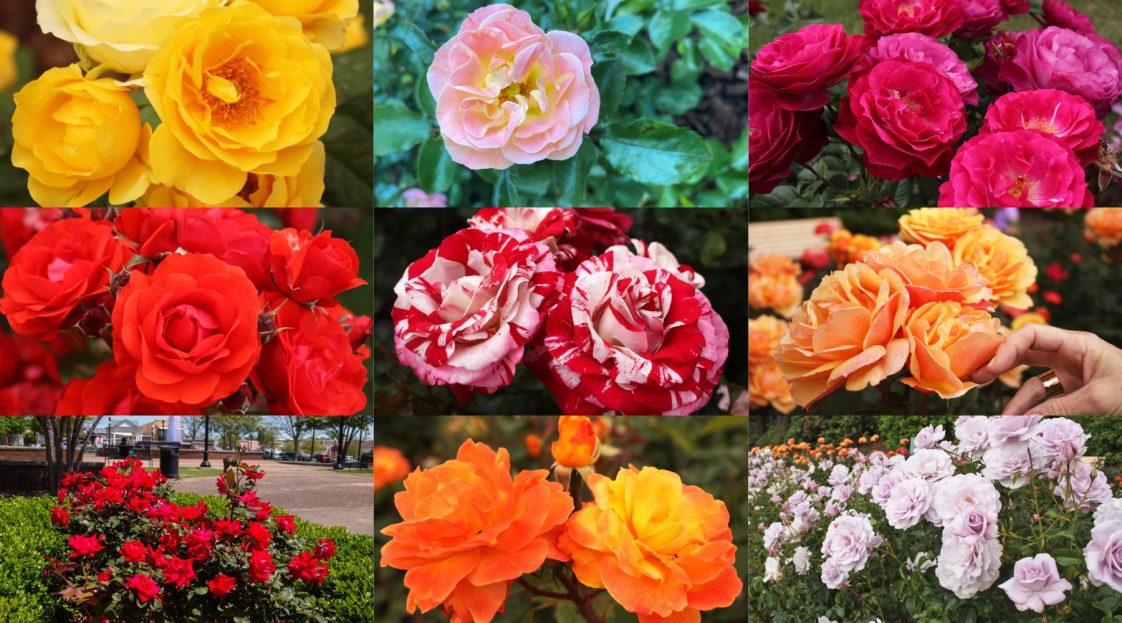
AUBURN UNIVERSITY, Ala. — Roses often carry a reputation for being difficult or high maintenance. However, with proper planning and ongoing maintenance, they can thrive.
Bethany O’Rear, a home horticulture agent with Alabama Extension at Auburn University, said there are simple care tips that can keep rose gardens blooming beautifully. The first step is to take advantage of favorable conditions and plant new rose bushes now.
“While many trees and shrubs can be planted throughout the year, mid-November to mid-February is the ideal planting time,” O’Rear said. “This allows them to establish a good root system before they start pushing out new growth in spring. Typically, we also get more rainfall during this time of year, so that creates a perfect scenario for establishment.”
Purchasing and Planting Roses
Before purchasing roses to plant, O’Rear stresses the importance of buying roses from a reputable source. This can include national chains, local garden centers and online retailers. She also suggests using fall as a time to research varieties and create a planting plan.
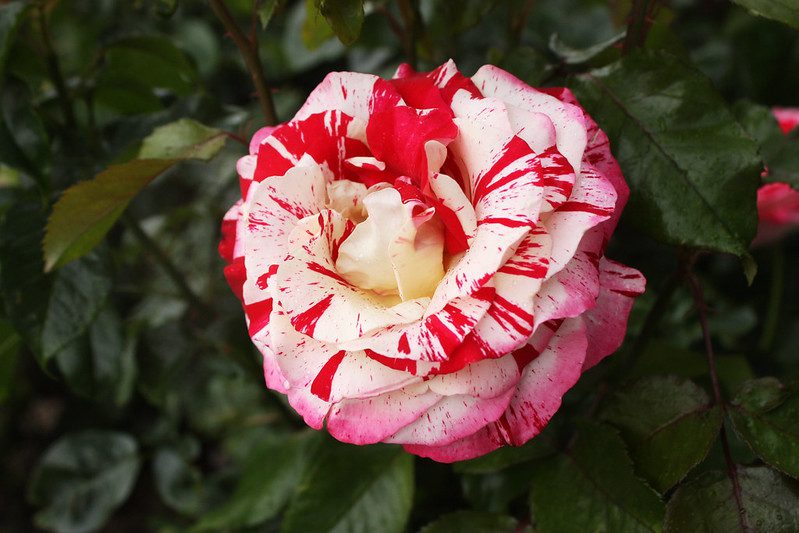 “With all of the options available at your local plant supplier, it is easy to become overwhelmed,” she said. “Before loading up your shopping cart, you can research varieties online to know more about what you may want. Also, take your time at the garden center and talk with a reliable expert.”
Additionally, fall is a good time to soil test to ensure soil pH is favorable for roses.
“If you’re planting in a new area or you haven’t soil tested in a while, I’d recommend it,” O’Rear said. “Many shrubs, including roses, typically do best in soils with pH between 6.0 and 6.5.”
Roses prefer direct sunlight. When selecting a planting site, ensure that the location receives about six hours of sunlight daily. Planting in areas with too much shade can lead to weak stems, reduced blooming and overall poor performance.
Mulch and Watering
After planting, mulch the area around the roses. O’Rear said the mulch works as an insulator.
“In winter, mulch keeps the ground warmer, and in summer, it keeps the ground cooler,” O’Rear said. “Don’t mulch directly at the base of the plant, because that mimics being planted too deep. The goal is to cover the root system. Mulch depth should be about 2 inches but no more than 3 inches.”
Additional benefits of mulch include controlling weed growth, retaining soil moisture and maintaining fertility. Common mulch options include pine straw and pine bark.
A consistent water supply is also needed to keep roses healthy. The plants require at least 1 inch of water per week, either from rainfall or morning watering. Newly planted roses will need additional watering as they establish roots. When watering, avoid wetting the foliage because that increases the risk of disease. Instead, focus the water directly at the base of the plant. Aim to soak the soil to a depth of 8 to 10 inches to ensure the roots receive adequate moisture.
Additional Rose Care
 In spring and summer, fertilizing will help roses. Depending on variety, roses may also benefit from preventative treatments to control pests and disease.
Roses are heavy feeders and require a steady supply of nutrients to thrive. Nitrogen and potassium are the nutrients most commonly lacking in soils where roses are grown. O’Rear suggested referring to the soil test to determine whether the soil needs improvement from specific fertilizers.
Remember to incorporate organic matter into the soil. Materials like decayed leaves or peat moss help improve soil structure and maintain essential nutrients, giving roses a strong foundation for healthy growth.
It is also important to stay vigilant for pests and diseases that can harm roses. Common pests include nematodes, aphids, caterpillars, spider mites and thrips. Common diseases are black spot, crown gall, powdery mildew, rose rosette disease, stem canker and cane blight.
“If your rose varieties are susceptible to fungal disease, it is necessary to start spraying on a preventative schedule when the weather starts warming up, around March,” O’Rear said. “That schedule will vary based on the active ingredient as well as the formulation of the chosen fungicide.”
More Information
Discover more about growing beautiful roses by reading the Extension publication, “Growing Roses,” available at www.aces.edu. For additional gardening tips and advice, contact or stop by a local Extension office.