
Home & Family


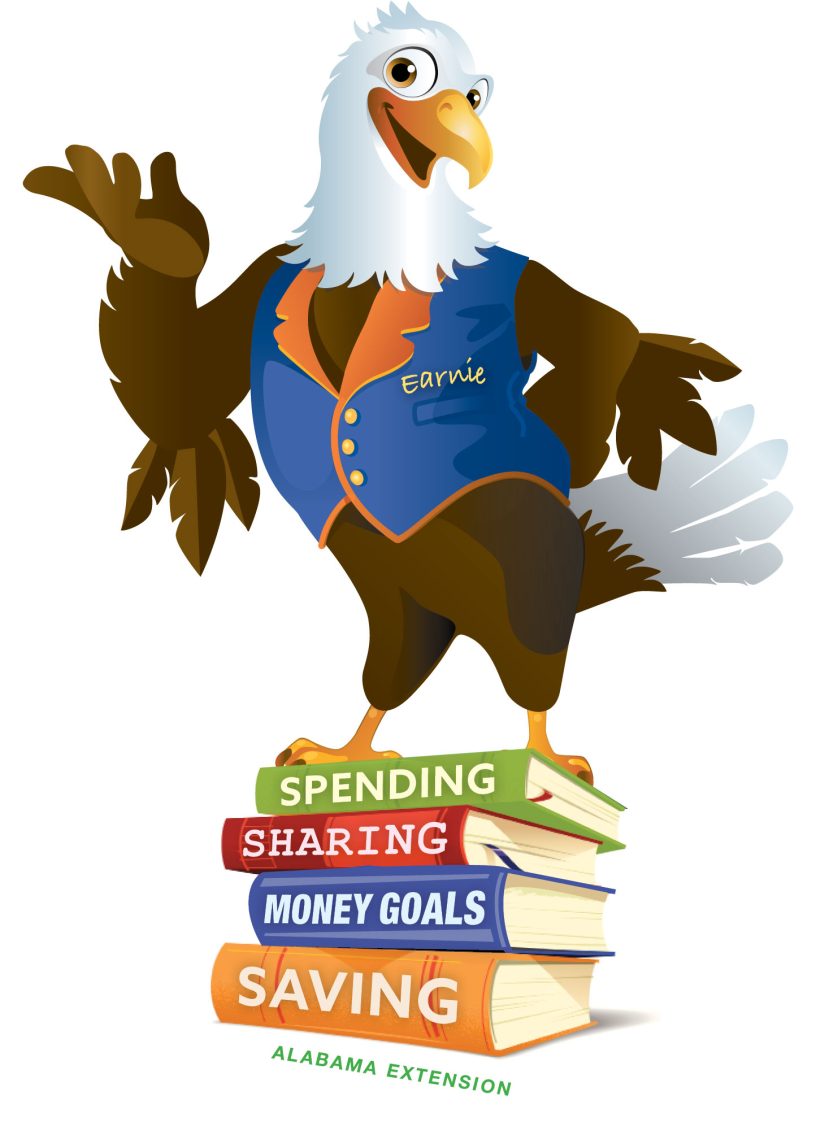
AUBURN UNIVERSITY, Ala. — Money and finances are topics that some adults struggle to manage. While it is never too late to learn, one of the keys to building a good financial foundation is to start learning as a child. For parents and guardians, teaching their children about finances can be intimidating. Through the Earnie the Eagle Book Club, the Alabama Cooperative Extension System gives parents a great place to begin.
This club uses books, games and activities to help pre-K through 3rd-grade children develop positive money habits. As a book club member, children explore basic financial concepts. These include how to spend, save, share, earn, plan and set goals. Reneé Vines, an Alabama Extension financial management agent with Auburn University, said the book club was started to fill an educational gap that the Human Sciences team saw amongst this age group.
 “Parents are eager to build a good financial foundation for their children, but they also report lacking the time, tools and confidence to teach financial skills,” Vines said. “I thought a library or young reading program would be a good way to fit this need.”
Books, Games and More
Currently, participation in the Earnie the Eagle Book Club is self-guided through online book lists, worksheets and other activities. People can access these materials at aces.edu/go/EarnietheEagle. The 21 recommended books help explain the concepts of financial management in terms that children can understand. For example, “A Chair for My Mother” tells the story of a girl and her family saving money to buy a chair after a fire destroyed their home. “Just Shopping with Mom,” from the Little Critter series, follows Little Critter and his family as they shop for groceries. The club’s worksheets and activities reinforce financial concepts from these books and give adults opportunities to talk with their children.
“Reading financial decision-making books with children is a creative way to learn about the many sides of money management,” Vines said. “Also, the book club’s discussions and activities are designed to create interest in money, encouraging families to have positive conversations about its use.”
Starting January 2026, Extension agents will partner with libraries and schools to host Earnie the Eagle programs in-person. Those interested in partnering with Extension for an Earnie the Eagle program can contact their county’s financial management Extension agent. Find contact information at aces.edu/go/FinancialManagement. People can also email Vines at phv0002@auburn.edu for help connecting with the agent in their county.