
Home & Family

Evolving Family Structures
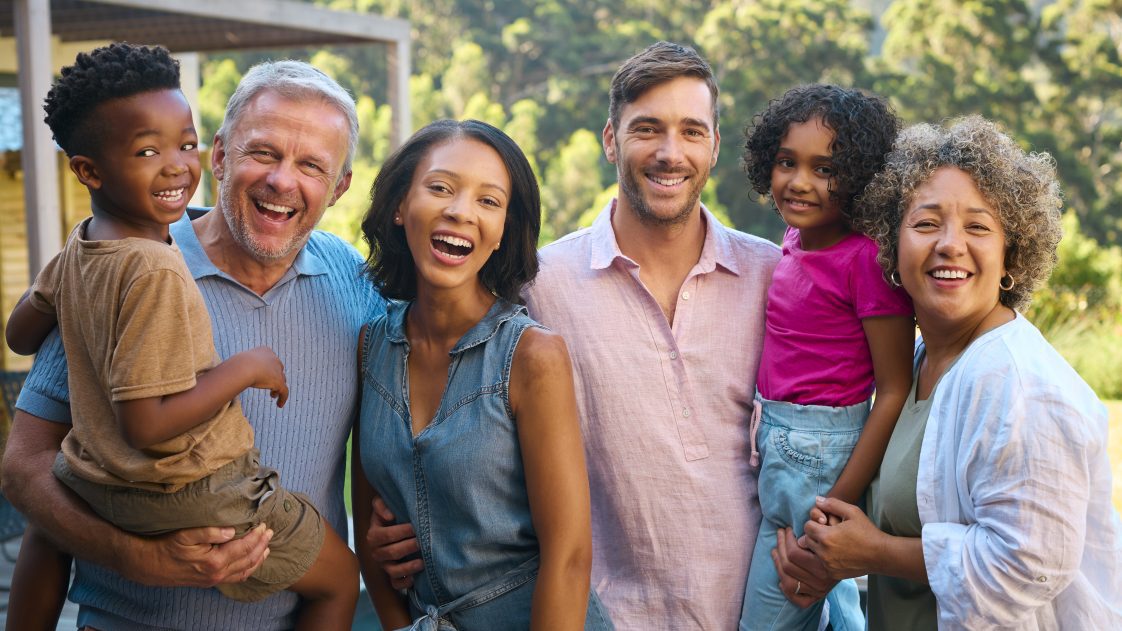
Over the decades, the definition of family has evolved beyond traditional concepts. Life today looks quite different from 50 or 60 years ago, and so do family dynamics. The once-standard image of a father and mother raising their biological or adopted children has given way to diverse forms of family life. Today, nontraditional families include the following:
- Blended families.
- Divorced, cohabiting, and same-sex couples.
- Single parents by choice.
- Families with adopted, foster, or stepchildren.
- Grandparents as primary caregivers.
- Adult children caring for aging parents.
Analyzing the Numbers: A Changing Landscape
- Grandparents raising grandchildren. According to the Annie E. Casey Foundation, an estimated 2.4 million children are living in grandfamilies or kinship care homes. In Alabama alone, 60,000 to 65,000 grandparents live with their grandchildren—nearly half of whom remain in the workforce.
- Foster care and adoption. As of 2023, the US Children’s Bureau reports approximately 391,000 children in foster care nationwide, including 6,000 in Alabama. A third of foster children are eventually adopted by their foster families, forming enduring nontraditional family units.
- Blended families. Popular culture has long highlighted blended families in shows like The Brady Bunch and Modern Family. It’s estimated that 40 percent of blended families include at least one child from a previous relationship, and roughly 1,300 stepfamilies are formed each day in the United States.
- Same-sex couples. Legal and social progress has paved the way for more same-sex couples to raise families. As of July 2024, the Williams Institute reported that 167,000, or 14 percent, of same-sex couples are parenting children. Same-sex couples are more likely to adopt or foster children.
- Family caregivers. More than 63 million Americans are family caregivers. In fact, AARP reports that 44 percent of older adults now reside with their caregivers—often their adult children.
Family Dynamics that Matter
Regardless of structure, strong families share core values. Research shows that children from nontraditional families thrive just as much as those from traditional ones. What truly defines a healthy family is not its makeup but rather the following qualities:
- Open communication.
- Quality time together.
- Constructive conflict resolution.
- Mutual acceptance and support.
- Having empathy and love as part of its foundation.
The National Academy of Sciences emphasizes the importance of nurturing environments that promote physical health, social development, intellectual freedom, and emotional security—regardless of family type.
Serving Nontraditional Families
As family configurations evolve, so must understanding and acceptance. Recognizing the validity of nontraditional families is the first step toward serving nontraditional families. For professionals in education, health care, and social services, the challenge lies in developing programs and resources that reflect the rich diversity of today’s families.