
Health & Nutrition

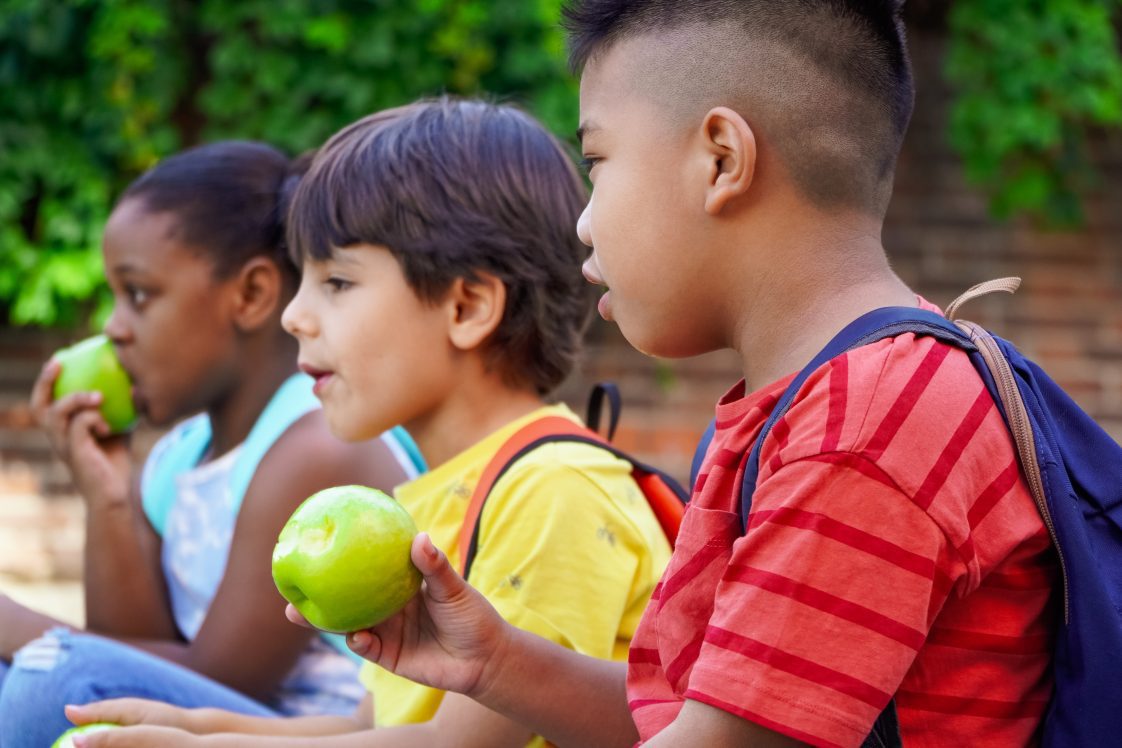
September is Childhood Obesity Awareness Month, putting a national spotlight on this significant health challenge. Childhood obesity is diagnosed when a child’s body mass index (BMI) is at or above the ninety-fifth percentile for children of the same age and sex. That increases children’s chances of developing chronic health problems, such as type 2 diabetes, high cholesterol, hypertension (high blood pressure), asthma, and other complications during childhood and later in adulthood. Addressing this challenge requires a comprehensive approach that involves collaboration among families, schools, communities, and health professionals, all working together.
Impacting Alabama Families
Childhood obesity impacts countless families in Alabama. It is more than a personal health matter; it’s a community challenge. Children who are overweight face higher risks of chronic health problems. According to the State of Childhood Obesity, Alabama is one of seven states with significantly higher childhood obesity rates (23 percent) compared to the national rate of 17 percent. Every Alabama family can take steps to combat childhood obesity:
- Choose local produce. Farmers markets and community-supported agriculture programs provide access to fresh and affordable fruits and vegetables. Some markets offer the Double Up Food Bucks program for senior citizens and recipients of the Supplemental Nutrition Assistance Program.
- Get active together. Families can enjoy biking, walking trails, yoga, and dance parties. Children aged 3 to 5 should engage in physical activity throughout the day, and children aged 6 to 17 should participate in at least 60 minutes of moderate to vigorous physical activity daily.
- Cook at home. Preparing meals together provides children with hands-on experience with healthy foods and fosters lifelong skills.
- Encourage healthy food and beverage choices. Rethink drink choices by replacing sugary beverages with water and opting for nutritious baked goods and fresh fruits and vegetables instead of fried or fattening foods.
Help from Extension
The Alabama Cooperative Extension System at Alabama A&M University is stepping up to provide health and nutrition education throughout the state. Extension experts create healthier opportunities for children and their families by offering health and nutrition education through the Mobile Nutrition Lab.
This lab travels across the state, providing hands-on health and nutrition education to youth and families using engaging curricula, such as CATCH Kids Club and Battle Chef. This lessons focus on healthy eating, the importance of physical activity, hands-on cooking experiences, culinary skills, and food safety practices. One of the lab’s most exciting features is the blender bike. By pedaling consistently, children blend a healthy and nutritious smoothie. This activity combines nutrition education, physical activity, and fun into one extraordinary interactive experience, achieving two daily health goals.
Moving Forward Together
This September and throughout the year, make a commitment to Alabama’s children by helping reduce childhood obesity rates, improve nutrition security, and give every child the chance to grow up healthy, active, and confident. If you are interested in the Mobile Nutrition Lab visiting your school or community, contact Shavita Wood-Warren at scw0027@aces.edu or (256) 372-4954.