
Health & Nutrition

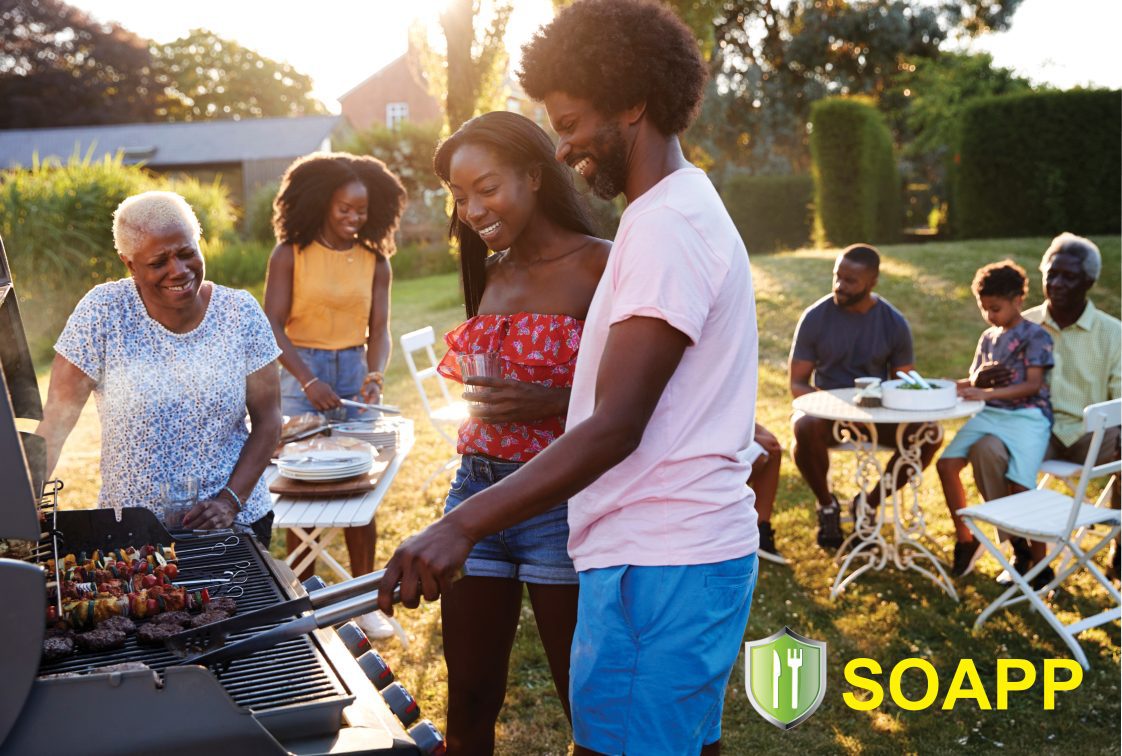
Teaching people the best ways to handle food safely at home or in public places to prevent foodborne illnesses.
What is SOAPP?
- SOAPP stands for Safety Operation Application Program Plan.
What does SOAPP offer?
- Teaches how to handle food safely.
- Increases awareness of food recalls.
- Explains food labels and how they relate to safety.
- Helps people spot unsafe foods by using their senses (sight, smell, etc.).
Who is SOAPP for?
SOAPP is for everyone! It offers lessons for adults, kids, schools, food businesses, and other groups. The program can be done as a full series, a single lesson, or even through workshops.
What will participants learn?
- Steps of sanitation—how to clean and handle food safely/
- How to cook and store food correctly/
- Where to find the latest food recall information/
- Updated food ingredient regulations—the rules about food ingredients and safety.
- How to identify unsafe foods.
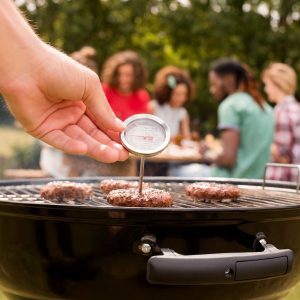
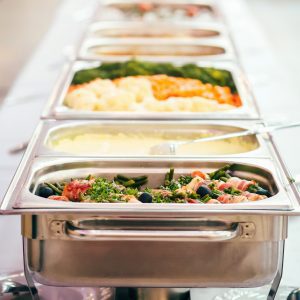
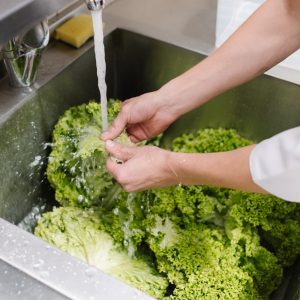
Food Safety Tips
Clean. Always use a fresh, clean plate and tongs for serving cooked food. Never reuse items that touched raw meat or poultry to serve the food once it is cooked.
Separate. Use separate cutting boards and utensils for raw meat and ready-to-eat items like vegetables or bread.
Cook. Use a food thermometer to make sure meat and poultry are cooked thoroughly to their safe minimum internal temperatures.
- Beef, Pork, Lamb, and Veal (steaks, roasts, and chops): 145 degrees F with a 3-minute rest time
- Ground Meats: 160 degrees F
- Whole Poultry, Poultry Breasts, and Ground Poultry: 165 degrees F
Chill. Keep perishable food cold until it is ready to cook.
Where to Find Food Recall Information
To find up-to-date food recall information, use the “Food Recalls & Alerts” app available in the App Store and Google Play.
Contact
State Office – Alabama A&M University
Terence Martin, Food Safety and Quality Specialist
Office: (256) 372-4973
Email: tzm0018@aces.edu