
Fruits & Vegetables

Integrated Pest Management Program
2 min read
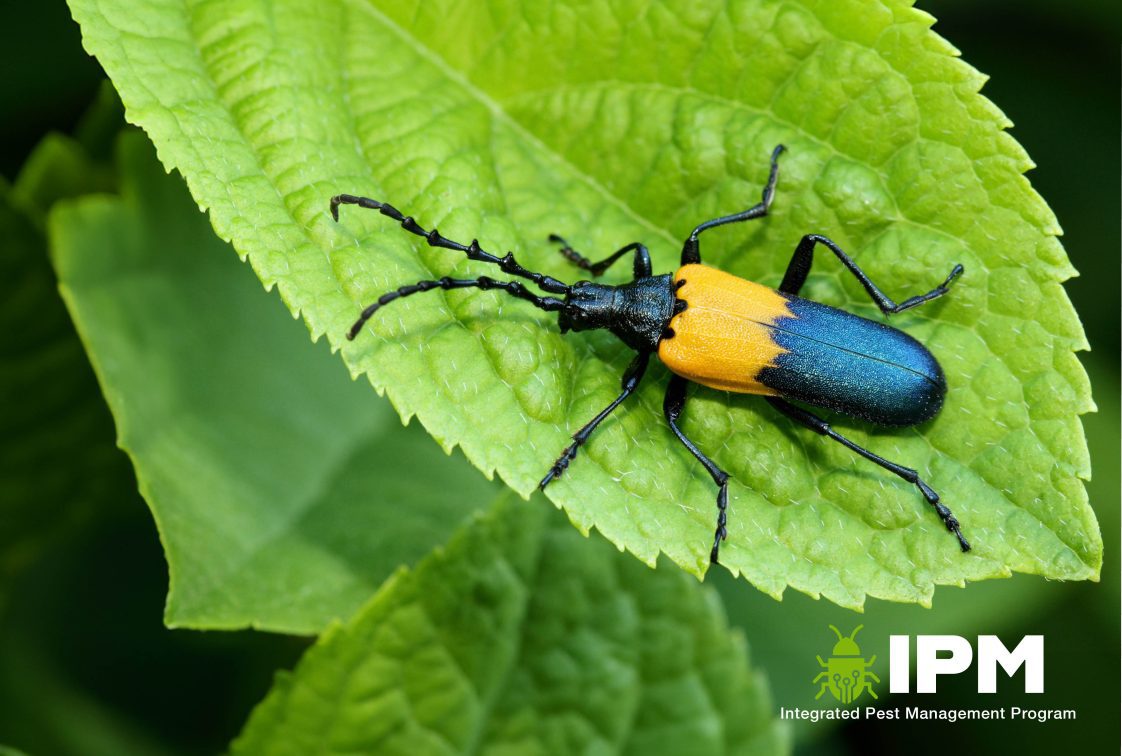
A resource for small-scale farmers and gardeners. Sustainable solutions to pest problems in crops, gardens, and landscapes.
What is the IPM Program?
- IPM stands for Integrated Pest Management.
- The IPM program uses science-based methods that are affordable, good for the environment, and respectful of people’s needs.
- Training includes learning about the benefits and uses of sustainable IPM strategies.
- This program helps lower the risks to people and the environment that come from using pesticides.
Who is the IPM Program for?
- The IPM program works with urban food producers, small-scale farmers, beginning farmers, home gardeners, city planners, community leaders, and academic researchers.
- Small-scale, urban growers regularly face disease and pest management issues. IPM provides sustainable solutions to pest problems.
What are the goals of the IPM Program?
- Teach fruit and vegetable gardeners and farmers about smart, science-based ways to manage pests.
- Use safe methods that protect the environment, like helpful plants and insects, to keep pests under control.
- Inform people of all ages about the benefits of using sustainable pest management strategies now and in the future.
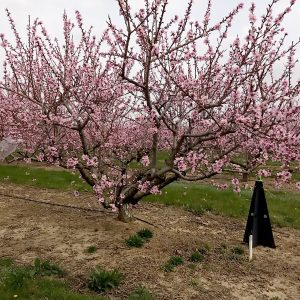
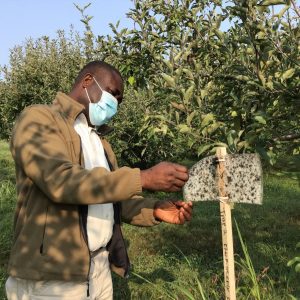
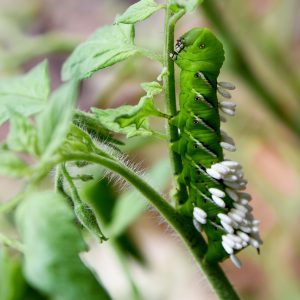
IPM Program Activities
Online Webinars, seminars, workshops, field days, and on-site demonstrations teach about pest management.
- Work with gardeners and farmers to create a good pest control plan.
- Monitor invasive species using traps and methods to catch pests.
- Learn about the biology, ecology, and behavior of both native and nonnative insects.
Watch an IPM Webinar
- Learn about pests and how they can become a problem.
- Find out when you need to control pests.
- Sort pests by the harm they cause.
- Learn about how different pests can impact the economy.
- Explore the different ways to control pests, and think about the pros and cons of each method.
- Understand how to use these methods on a farm while protecting the environment.
IPM Webinar Topics
- Fundamentals of Pest Management
- The Pest Concept and Definition of a Pest
- Application of Cultural Control Methods in IPM
- Application of Biological Control Methods in IPM
- Trap Cropping and its Application in IPM
- Identification of Common Vegetable Pests
- Identification of Common Fruit Crop Pests
- Control of Common Vegetable Pests
- Control of Common Fruit Crop Pests
- Pesticide Use and Safety in Small Farms
- Pesticide Application Technology and Spray Calibration
- Types of Pesticides, Pesticide Use, and Rotations
Contact Us
State Office, Alabama A&M University
Clement Akotsen-Mensah, IPM Specialist
Office: (256) 372-4969
Email: akotscl@aces.edu