
Forestry & Wildlife

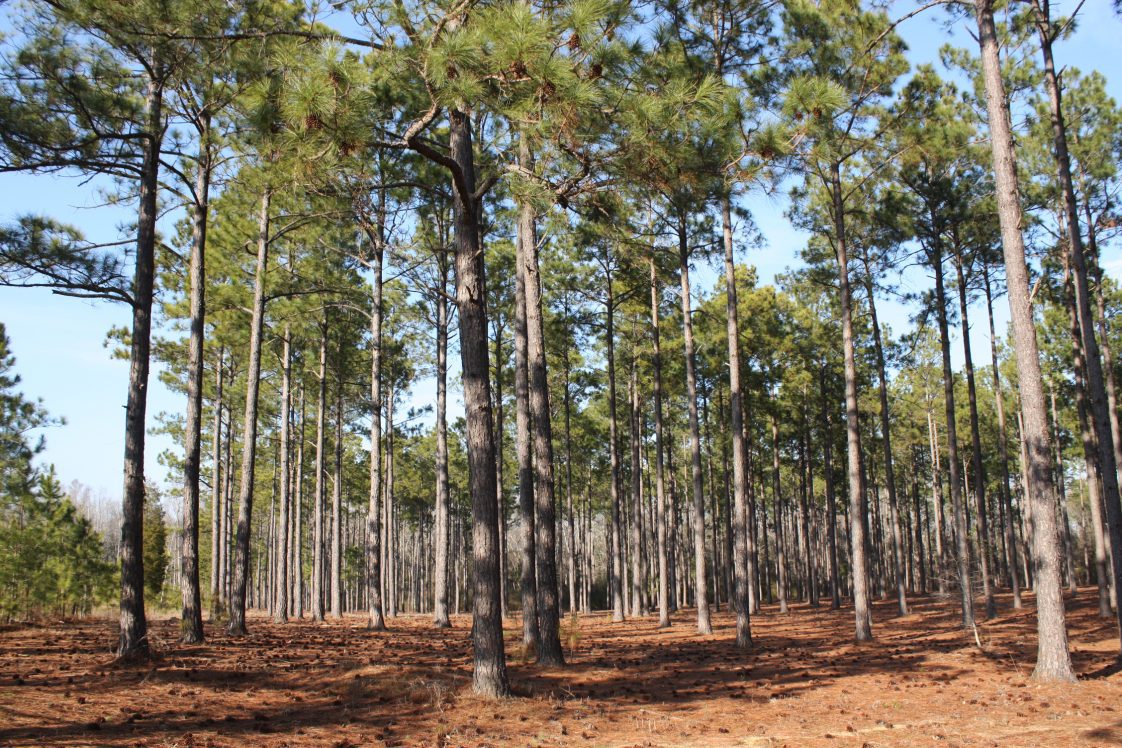
AUBURN UNIVERSITY, Ala. — Forestry is one of the largest industries in Alabama. Between commercial logging and forestry production, the industry has a direct output of $21.2 billion annually, according to an economic contribution study by Alabama Extension at Auburn University researchers. However, numerous issues can pose threats to forest health and, subsequently, this economic output.
Annakay Newell, a forest health Extension specialist, said understanding threats to forests can help landowners act quickly to protect their trees, their investments and overall ecology. That is extra important in Alabama, where 23 million acres of timberland cover roughly three-quarters of the state’s area.
“Extensive forests in Alabama provide timber, recreation and wildlife habitat,” Newell said. “It is critical to understand the best ways to prevent and combat threats to forests in order to maintain resilient, productive and safe landscapes. While some forest health threats are primarily economic — affecting timber value and plantation productivity — others are ecological or community based.”
According to Newell, the four main threats to forest health in Alabama are native and invasive insects and diseases; invasive plants; climate stress and extreme weather; and fuel buildup because of fire exclusion.
Native and Invasive Insects and Diseases
Insects
Various species of pine beetles often attack pine trees. These native pests become more problematic after prolonged droughts or other disturbances that stress trees. Common species include the Ips bark beetle, the black turpentine beetle and the Southern pine beetle, the latter being the most destructive forest insect in the South. In 2024, Alabama reported the most damage caused by Southern pine beetles with approximately 12,000 spots on 25,000 acres.
It is paramount to maintain healthy trees; thin on time to reduce stand density and stress; and avoid high risk practices such as logging damage and soil compaction. Landowners should thin during lower-risk periods, which is usually during the cooler months in Alabama.
“It’s important to regularly monitor for outbreaks, and if something doesn’t look right, call your forester early,” Newell said. “If there is an active outbreak, infested trees should be cut promptly along with creating a green buffer on the leading edge to stop the spread.”
Additionally, the emerald ash borer is an invasive insect that can quickly attack and kill ash trees. Native to Asia, this beetle has spread rapidly across the U.S. and is moving into the Southeast. Often, the pests go unnoticed until trees are heavily infested. Stopping the transportation of infested firewood, nursery stock and landscape ash trees is the best way to prevent the pest from spreading.
“Ash trees are widespread in urban and natural forests, which means the emerald ash borer is a serious threat to ecosystem health and community trees,” Newell said. “That makes early detection and proactive management essential.”
Diseases
For diseases, brown spot needle blight is an emerging concern. Once thought to only impact longleaf pine seedlings, the disease has now been found on loblolly pine, Alabama’s most widely planted timber species.
“This is a great threat to the core of the South’s commercial forestry base, which raises concern for long-term economic impacts,” Newell said. “The most notable symptom is small, irregular brown spots surrounded by a yellow halo. Infected trees prematurely lose needles. They also appear thin and scorched and may suffer reduced growth.”
Prescribed burning is the best management practice to prevent this blight in longleaf pine. For loblolly pines, landowners should plant seedlings from families that are less susceptible to the disease. They should also prune branches and increase space between seedlings to maintain good air circulation. If a stand is infected, it may help to prune infected branches.
Invasive Plants
In the southern U.S., cogongrass is the invasive plant that causes the most forest damage. It grows in dense mats, which can change fire behavior and reduce wildlife habitat. The plant has narrow, stiff leaves with an off-center, white midrib and rough edges. In spring, it develops a fluffy seed head.
“Controlling cogongrass requires early detection, repeated herbicide treatments over multiple years and careful cleaning of equipment to prevent spread,” Newell said. “Managing this invasive plant is critical for reducing wildfire risk, protecting native species and maintaining healthy, productive forests in Alabama.”
Climate Stress and Extreme Weather
Droughts, heavy rains, heat waves and hurricanes weaken trees and make them more vulnerable to pests, diseases and windthrow. Plus, newly planted pines can die during a hard freeze.
“These stressors can result in slowed growth and reduced timber yield,” Newell said. “The best mitigation strategies include selecting appropriate tree species for each site, thinning to reduce competition, maintaining age and species diversity and planning for storm and flood management.”
Fuel Buildup Because of Fire Exclusion
Newell said longleaf pine forests are an example of a fire-adapted ecosystem. They rely on periodic low-intensity fires to maintain tree health, reduce competition and recycle nutrients.
“When fire is not used as a forest management tool, dense understories and leaf litter build up,” Newell said. “This increases tree stress as well as the likelihood of catastrophic wildfires and insect and disease outbreaks. To reduce these risks, it is best to implement a prescribed burning program. Landowners should also thin dense stands and maintain defensible space.”
When used correctly, fire management restores natural processes, protects trees and supports wildlife habitat.
The Bottom Line
Alabama’s pristine, tree-covered landscapes don’t just happen. They require consistent monitoring and careful management.
“Forests have been shaped for centuries by farming, logging, roads, invasive species and especially the loss of natural fire,” Newell said. “Without management, many stands become overcrowded and stressed. Active practices like thinning, prescribed burning and invasive plant control don’t fight against nature; they actually help restore balance, reduce risks and keep forests healthy.”
Newell said maintaining healthy forests also helps support rural communities across Alabama, among other benefits.
“Forests provide items we all rely on, such as timber for homes and paper, clean water, wildlife habitat, recreation and even storm protection,” she said. “Managing forests is less about controlling nature and more about giving our trees the best chance to thrive in today’s changing environment.”
For more information on managing forests, visit aces.edu and select Forestry & Wildlife from the Topics menu.