
Food Safety

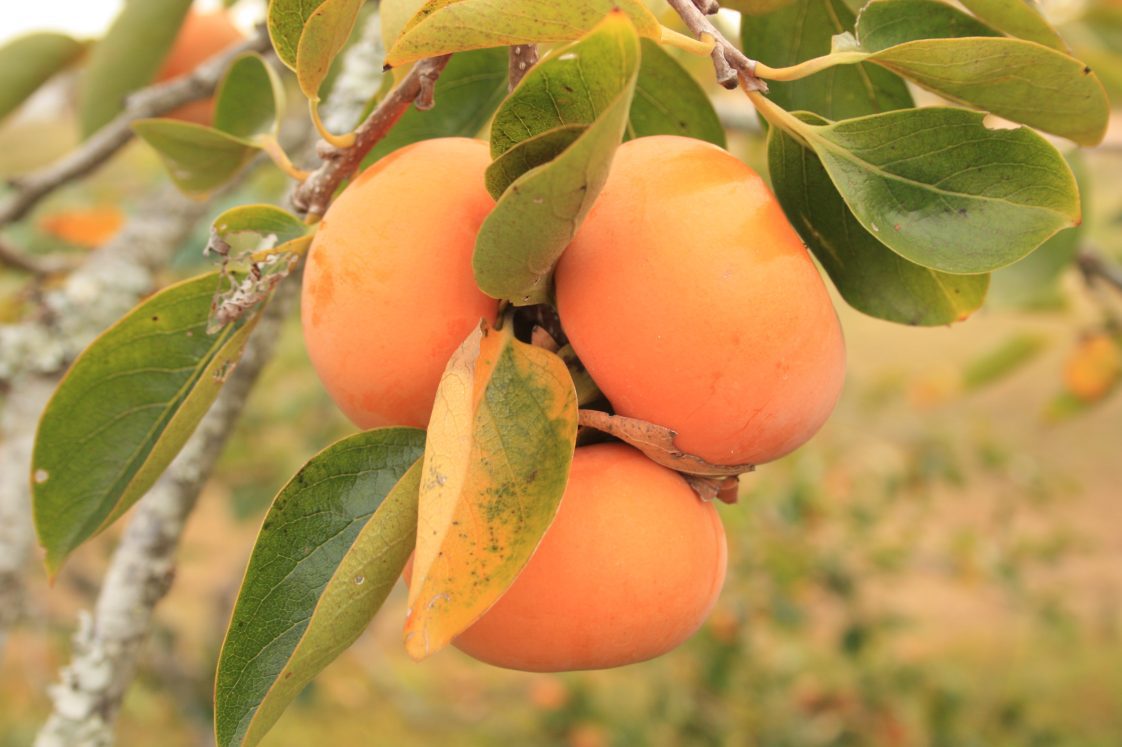
From the smooth, honeyed texture of a ripe Hachiya to the crisp sweetness of a Fuyu, persimmons are a beloved seasonal fruit. They are perfect for baking, smoothies, puddings, and purees. However, for those interested preserving that golden goodness by canning, they’ll notice there are no safe, tested canning recipes for persimmon puree.
So, what is the reason? Why can’t this fall favorite be preserved for the pantry shelf like applesauce or apple butter?
The lack of tested canning recipes for persimmon puree is not because no one has tried. It is because no safe method has been confirmed due to persimmons’ variable acidity and dense texture.
Acidity Issues
It is all about pH and density, according to the U.S. Department of Agriculture and the National Center for Home Food Preservation (NCHFP). Safe home canning relies on acidity. Foods with a pH of 4.6 or lower are considered high-acid and can be safely canned using a water bath canner. Low-acid foods (above pH 4.6) require pressure canning to avoid the risk of botulism.
Persimmons fall right in the danger zone. Their pH varies depending on the variety and ripeness, and it often hovers right around or just above 4.6. That means some batches might be safe for water bath canning, but others could harbor botulism risks without any way to detect it at home. Since the pH is unpredictable and fluctuates with harvest conditions, no universal, tested recipe can guarantee safety for persimmon puree in jars.
Density Issues
Permission density is another problem for canning the fruit’s puree. Even pressure canning persimmons doesn’t get you out of the woods.
Dense purees heat unevenly, especially in home-canning setups. That means the center of the jar might not reach a high enough temperature to kill the spores, especially if the texture varies from batch to batch.
Other Preservation Methods
However, there is good news. Persimmons freeze well. Their high sugar content and smooth texture make them ideal for freezing whole or as a puree. The frozen fruit can later be blended into smoothie packs or used in baked goods. Freezing locks in the flavor, color, and nutritional value, and it completely bypasses the food safety concerns of canning.
Here are some freezer friendly persimmon ideas to try. Start by spooning the ripe flesh of Hachiya persimmons into freezer bags, then flatten the bags and stack them for easy storage. Another option is to blend Fuyu persimmons into a thick purée and freeze in ice cube trays or silicone molds for convenient portioning. You can also prepare persimmon pulp specifically for baking and freeze it in pre-measured amounts. Finally, whole, unpeeled persimmons can be frozen as they are and thawed when needed — the peel will slip right off after the fruit is thawed.
Instead of persimmons, save those jars for jams and pickles. The best preservation tools for persimmons are a freezer and a little planning. Freezing now means you will have ready-to-use persimmon puree on hand for baking all winter.
For information on safe freezing of persimmons, visit the National Center for Home Food Preservation website at nchfp.uga.edu/how/freeze/fruits/freezing-persimmons.