
Food Safety

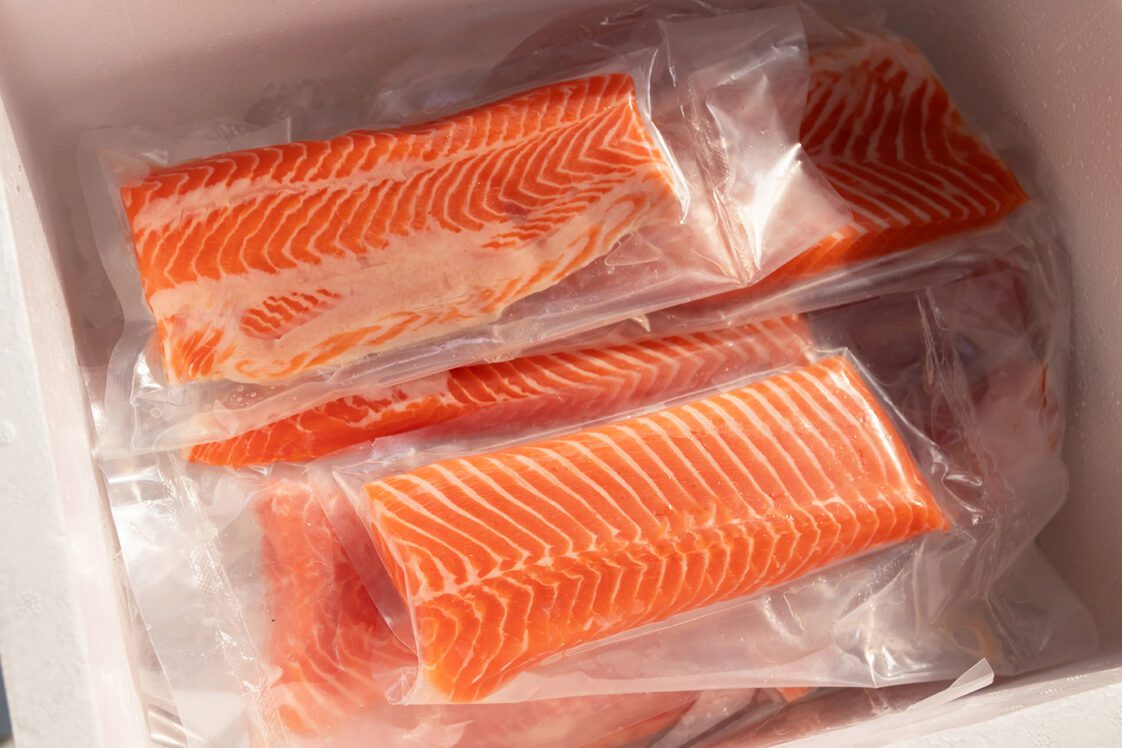
From shrimp to salmon, seafood is one of the most perishable foods that people consume. To keep seafood fresh from the dock to the dinner table, processors often use reduced oxygen packaging (ROP). This food preservation method removes or replaces oxygen inside a package, which slows spoilage, inhibits bacterial growth, and extends the product’s shelf life. However, using ROP for seafood can be a double-edged sword. The same low-oxygen conditions that protect against spoilage can also allow dangerous bacteria, such as Clostridium botulinum, to grow if the product is not properly handled. This bacterium produces a potent toxin that can cause botulism, a rare but potentially deadly illness. Once this toxin forms, the food cannot be reconditioned or made safe again, even with cooking.
ROP Methods
The following are common ROP methods used in seafood processing. These are widely used for products such as fish (fillets, loins, and steaks), smoked fish, and cooked crab meat. No matter the method used, temperature control is critical. ROP seafood products must be stored frozen or in conditions lower than 38 degrees F to prevent bacterial growth.
- Vacuum Packaging—Removes ambient air to create a tight, oxygen-free seal.
- Modified Atmosphere Packaging—Replaces oxygen with gases like carbon dioxide and nitrogen.
- Controlled Atmosphere Packaging—Alters the atmosphere initially and maintains it throughout the product’s life.
- Sous Vide—Vacuum-sealed cooking at precise temperatures.
How Is ROP Regulated?
Seafood processors follow a proactive food safety plan mandated by the US Food and Drug Administration (FDA), known as the Hazard Analysis and Critical Control Point (HACCP). The FDA enforces strict guidelines for ROP, including documentation and monitoring of packaging processes.
Preventing Foodborne Illness at Home
Even with regulatory oversight, safe handling of seafood at home is essential. The following tips will help you reduce the risk of foodborne illness:
Safe Storage
- Always follow instructions on the packaging.
- All ROP seafood must include Keep Frozen Until Ready to Use on the label.
- The label will specify whether the product should be stored frozen (less than 0 degrees F) or refrigerated (less than 38 degrees F).
- Note. While normal refrigeration temperatures are 40 degrees F or less, seafood in ROP must be kept at or less than 38 degrees F to prevent C. botulinum growth. If your refrigerator cannot maintain 38 degrees F or less, remove the seafood from its ROP before storing it in the refrigerator.
Safe Thawing
- Never thaw ROP seafood at room temperature.
- To thaw safely in the refrigerator (at 41 degrees F or less), first remove the seafood from its packaging.
- If thawing under cold running water, remove from the package before thawing or immediately after it has thawed.
Conclusion
Seafood is a healthy and delicious part of many diets, but it requires careful handling. Proper storage and thawing are key to preventing foodborne illness. Follow these best practices, so you can enjoy your favorite seafood dishes safely and confidently.