
Food Safety

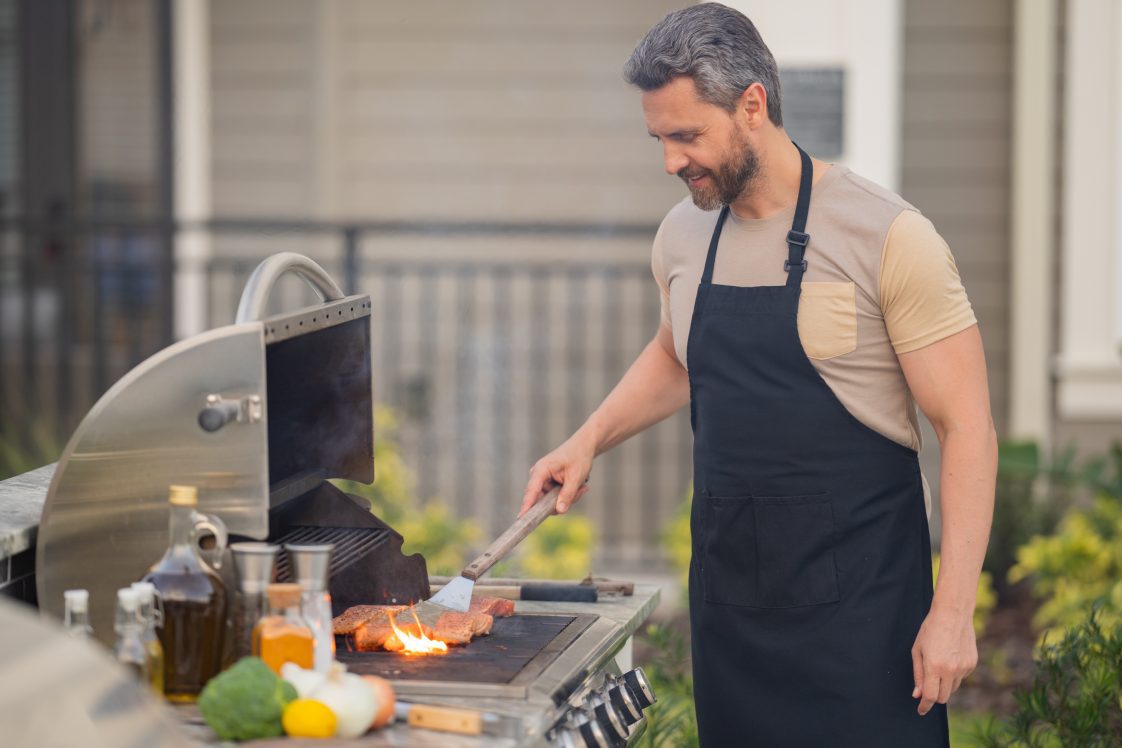
Grilling and smoking are popular preparation methods for meats. While moving food from inside to the outdoors and back, it’s especially important to remember and practice basic food safety.
Before Cooking
To start, thaw meat and poultry properly in the refrigerator. Smoking cooks food at low temperatures, and frozen food would stay in the temperature danger zone too long before reaching a safe internal temperature. While frozen foods may be grilled safely, it often takes longer and results in an uneven cook.
If marinating, which tenderizes and flavors meat and poultry, remember to use the refrigerator. Never marinate at room temperature. To use marinade as a sauce, divide out a portion of the marinade beforehand. Do not use a marinade that has come into contact with raw meat or poultry for basting without first bringing it to a full rolling boil to destroy harmful bacteria.
Proper Temperatures
While cooking, keep the smoker or grill at a safe temperature. Proper food safety requires two types of thermometers: internal and oven-safe. Use an oven-safe thermometer to monitor the air temperature in the smoker or grill. Ensure it stays between 225°F and 300°F throughout the cooking process.
Before removing cooked meat or poultry, use an internal thermometer to ensure foods have reached the right temperature.
Cook all raw beef, pork, lamb and veal steaks, chops, and roasts to a minimum internal temperature of 145°F before removing from the heat source. Then allow meat to rest for at least 3 minutes before carving.
All raw ground beef, pork, lamb, and veal showed be cooked to an internal temperature of 160°F. This temperature also applies to egg dishes.
For poultry dishes, 165°F is the safe internal temperature.
Proper Storage
After enjoying the meal, store and cool leftovers within two hours. If the ambient temperature is above 90°F, then leftovers should be stored within one hour. Divide small portions of leftovers into shallow containers and store in the refrigerator or cooler packed with ice, gel packs or frozen water bottles. Keep cold foods at 40°F or below.