
Fish & Water

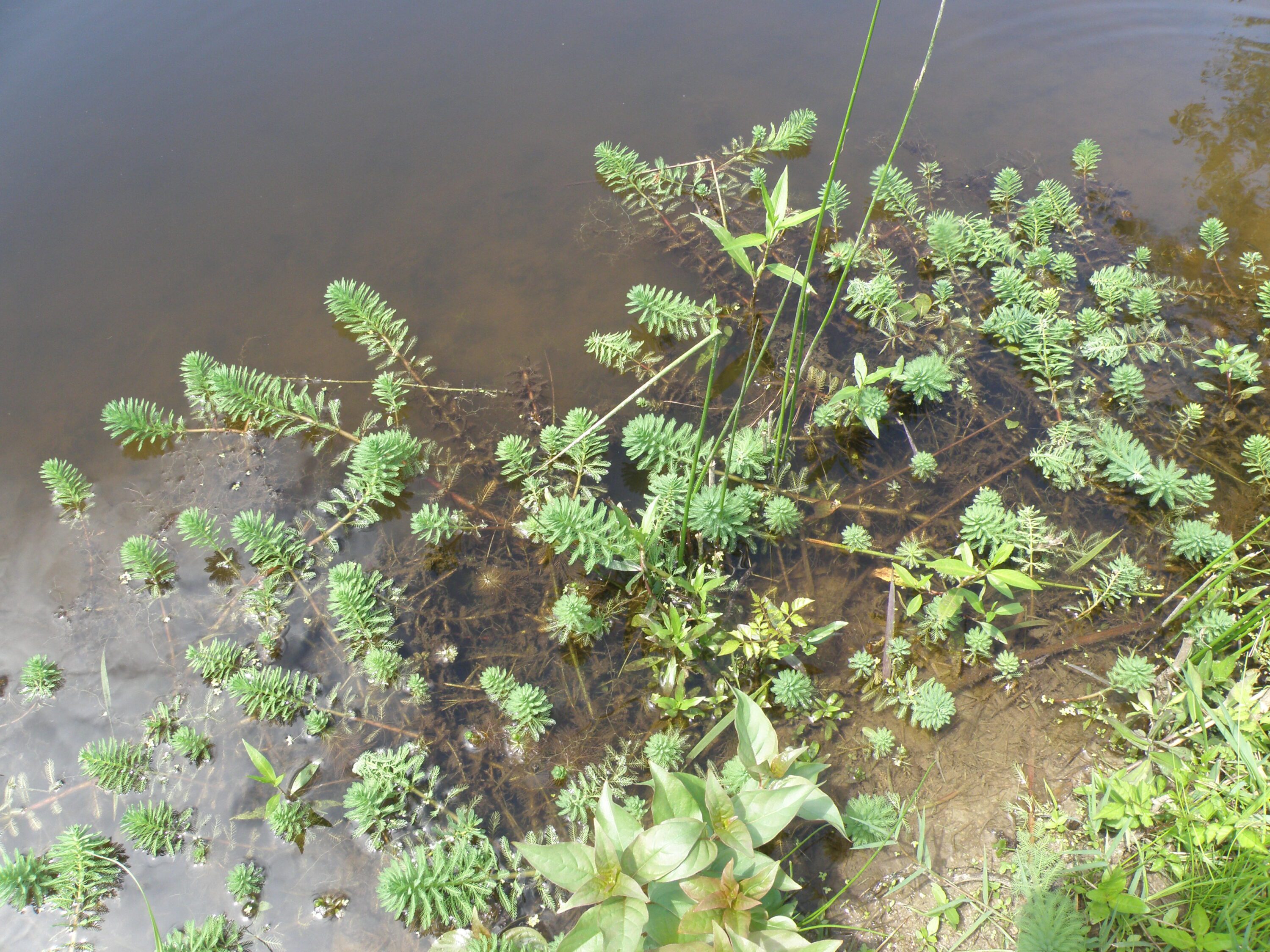
Parrot feather (Myriophyllum aquaticum) is an invasive aquatic weed native to the Amazon River basin. Introduced into the United States as an ornamental plant in 1890, it was first documented in Alabama in 1957. Only female plants are found in North America, so the species spreads exclusively through fragmentation rather than seed production. Because the parrot feather is classified as a noxious weed in many states, it is illegal to transport or establish it.
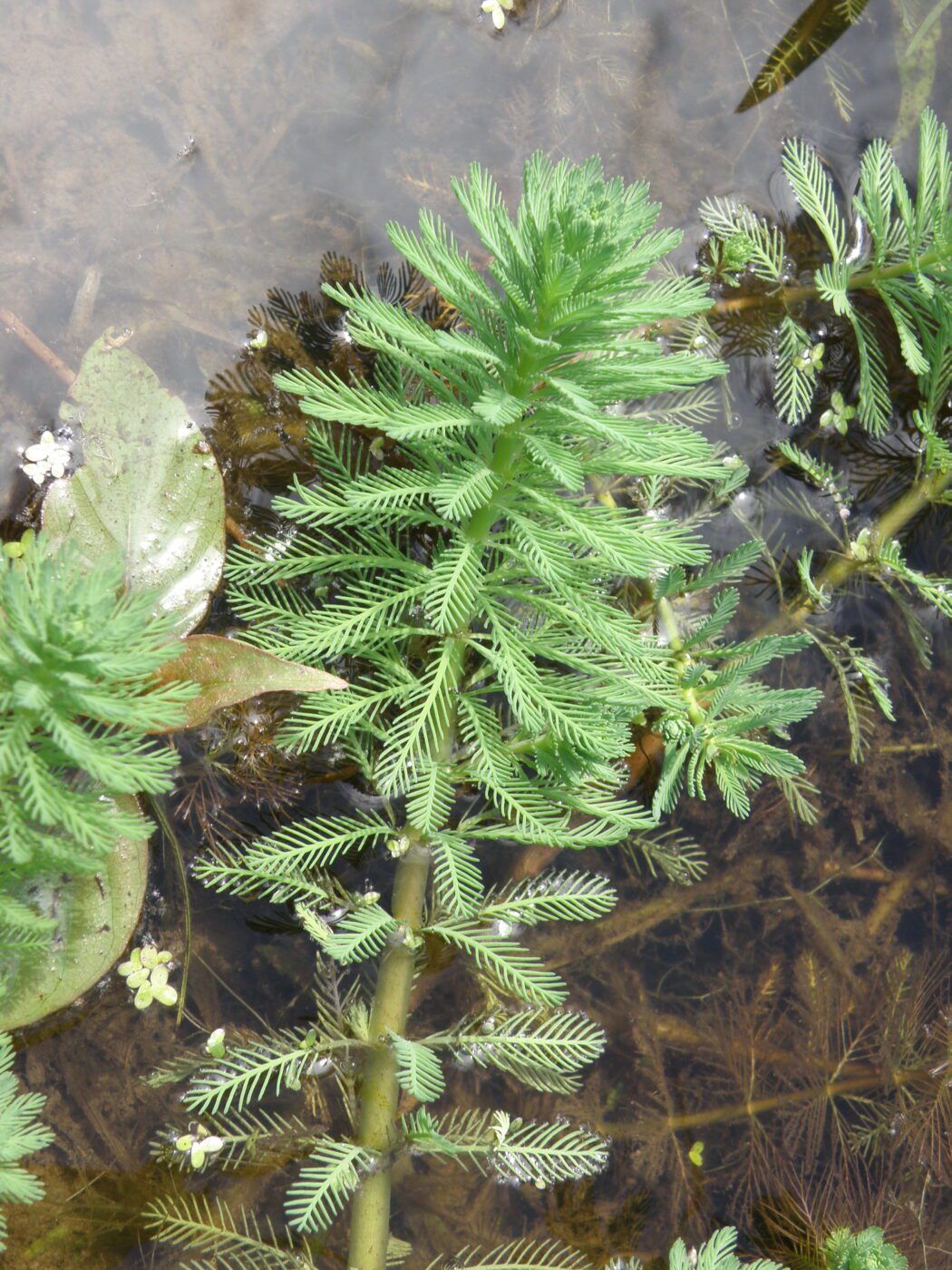
Figure 1. Parrot feather showing whorls.
Habitat & Growth
This plant grows in a wide range of aquatic environments, including shallow ponds, lakes, streams, and even moist, exposed soils. Because it must remain rooted, it cannot thrive where water is too deep or turbid for sunlight to reach the bottom.
Identification
Parrot feather is easily recognized by its feather-like leaves arranged in whorls around long stems (figure 1).
- Emergent Leaves. Light green to bluish green (sometimes gray green), with about 10 pairs of leaflets. The leaves typically measure 0.75 to 2 inches and may extend up to a foot above the water’s surface (figure 2).
- Submerged Leaves. Similar in shape but smaller, often tinted reddish orange. (Note: Sources differ on whether submerged leaves are smaller or larger.)
- Stems. Often show orange or red coloration.
- Flowers. Small, whitish pink, and located at leaf nodes. Only female flowers occur in North America, so no seeds are produced.
Ecological Concerns
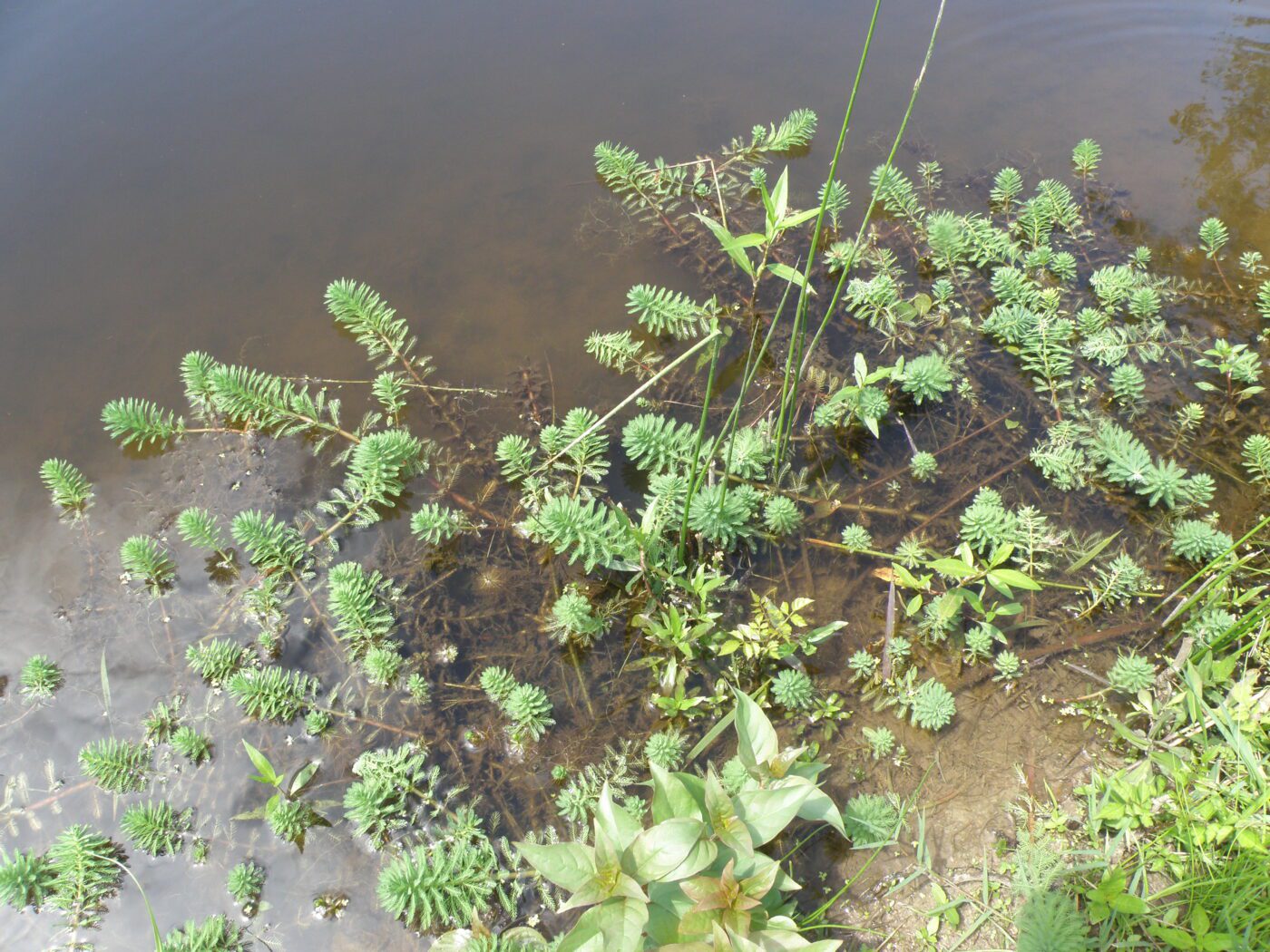
Figure 2. Parrot feather showing stems that are reddish brown in color.
Parrot feather becomes especially problematic in late fall, winter, and early spring. During these seasons, it forms dense mats across the water surface. These mats can do the following:
- Obstruct waterways
- Reduce fish feeding by providing refuge to prey species, making them unavailable to game species
- Impede recreation
- Reduce oxygen levels by blocking sunlight needed by algae and other aquatic organisms
Management & Control
Prevention Through Pond Design
Because the parrot feather typically grows in water 3 feet deep or less, constructing new ponds with a 3:1 shoreline slope ratio can reduce suitable habitat. For information on pond construction, see Alabama Extension publication “Pond Building: A Guide to Planning, Constructing & Maintaining Recreational Ponds,” on the website at aces.edu.
Biological Control
Grass carp (Ctenopharyngodon idella), or white amur, feed almost exclusively on aquatic plants, making them an excellent biological control of certain nuisance aquatic plants. Grass carp have definite feeding preferences, favoring tender, underwater vegetation. Grass carp are sometimes recommended for controlling parrot feather. However, parrot feather is not a preferred food for grass carp because of the high tannin content. Despite this, they will eat the lower, tender shoots that have recently emerged from the soil. Because the plant is not a preferred food of grass carp, Extension recommends the following if using this species to control parrot feather:
- Use higher stocking rates (seven to fifteen carp per surface acre).
- Stock fish larger than 8 inches when bass are present to avoid predation.
Mechanical Control
Harvesting or cutting can temporarily reduce parrot feather biomass, but it is not recommended, as plant fragments will reroot and spread the plant. Putting down barrier cloth with a layer of pea gravel on top can be an effective preventive measure in targeted areas, such as around piers and in swimming areas.
Top Recommended Herbicides
Always read the label; it is the law. Always check local, state, and federal regulations before applying herbicides to water bodies. Although many aquatic herbicides and combinations of herbicides will control parrot feather, only four are recommended in table 1. These are highlighted for their effectiveness and are generally the cheapest available.
Table 1. Top Recommended Herbicides Based on Effectiveness of Control and Cost
| Herbicide Active Ingredient | Type1 | Effectiveness Rating |
|---|---|---|
| 2,4 D granular and liqu | Systemic | Excellent |
| Triclopyr | Systemic | Fair |
| Imazapyr | Nonselective systemic | Good (when emerged) |
| Diquat | Contact herbicide | Excellent |
Application Best Practices
- Surfactant Usage. Always use a non-ionic aquatic surfactant with foliar applications to help herbicides stick to the waxy, emergent leaves.
- Timing. Apply in spring or early summer when plants are actively growing and not yet fully mature.
- Method. Spray to wet all exposed (emergent) plants for foliar applications.
- Water Safety. For heavy infestations, treat in sections (e.g., thirds) with 1 to 2 weeks between treatments to avoid excessive oxygen depletion, which can kill fish.
- Repeated Control. Because of its persistent root system, multiple applications or yearly monitoring and treatment are often required.
Once the pond has been sprayed, the water may not be usable immediately. Table 2 provides information on the number of days after treatment and before use of water for the four recommended aquatic herbicides.
Table 2. Number of Days After Treatment with an Aquatic Herbicide and Before Use in Private Waters Only
** Read the label as restrictions are determined by the rate, crop to be irrigated, intake setbacks. May require an assay before use.
*** Potable water intakes must be shut off until triclopyr levels are < 0.4 ppm or less.
**** Application to water used for irrigation that results in residues > 1.0 ppb must not be used for 120 days or until the residue level is 1.0 ppb or less.
***** Do not apply within 0.5 mile of an active potable water intake.
****** Withdrawal time will be determined by rate and formulation. An assay may be required.
| Common Name | Drinking (Human Use) | Swimming (Human Use) | Fish (Human Use) | Watering (Livestock) | Crops (Irrigation) |
|---|---|---|---|---|---|
| 2,4-D | * | 0 | 0 | 0 | ** |
| Triclopyr | *** | 0 | 0 | 0 | 120**** |
| Imazapyr | ***** | 0 | 0 | 0 | 120**** |
| Diquat | 1–5 ****** | 0 | 0 | 1 | 5 |
References
Aquaplant: A diagnostic tool for pond plants and algae. Texas A&M AgriLife Extension.
Arkansas Recommended Chemicals for Weed and Brush Control – MP44. 2026.
Aulbach-Smith, C.A., and S.J. Kozlowski. 1996. Aquatic Wetland Plants of South Carolina. 2nd edition. South Carolina Department of Natural Resources, Columbia, SC.
Masser, M.P., T.R. Murphy, and Shelton, J.L. 2013. Aquatic weed management: herbicides. Southern Regional Aquaculture Center fact sheet No. 361.
Wersal, R.M., E. Baker, J. Larson, K. Dettloff, A.J. Fusaro, and J. Redinger. 2026. Myriophyllum aquaticum (Vell.) Verdc.: U.S. Geological Survey, Nonindigenous Aquatic Species Database, Gainesville, FL, and NOAA Great Lakes Aquatic Nonindigenous Species Information System, Ann Arbor, MI.
 Anita Kelly, Extension Professor, and Corey Courtwright, Extension Agent, both in Aquatic Resources, Auburn University
New April 2026, The Invasive Aquatic Plant Parrot Feather, ANR-3241