
Fish & Water

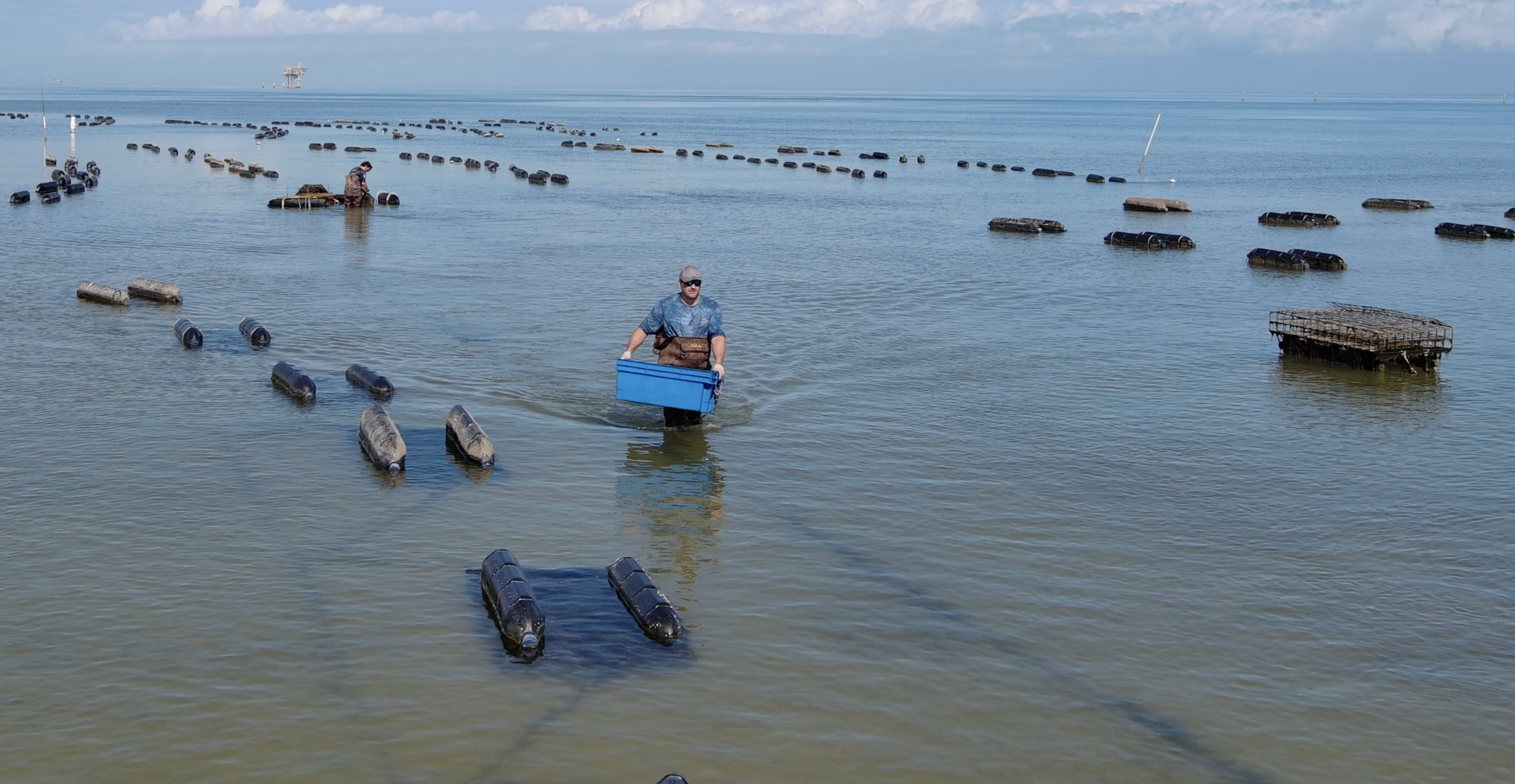
AUBURN UNIVERSITY, Ala. — Served raw, grilled or fried, oysters are a favorite for seafood lovers across Alabama, from the Gulf Coast to inland cities. Beyond the plate, oysters play a critical role in protecting and restoring Alabama’s coastal ecosystem.
Through research, restoration and community engagement, Alabama Extension at Auburn University is playing a leading role in rebuilding the state’s oyster reefs, turning discarded shells into a powerful conservation tool that strengthens marine habitat, improves water quality and supports coastal economies.
“Oyster shells don’t belong in a landfill,” said P.J. Waters, associate Extension professor and coastal fisheries specialist with Alabama Extension. “We’d like to see them put to better use. We need to get those shells back in the water where they can do the work they’re designed for.”
Why Oyster Reefs Matter
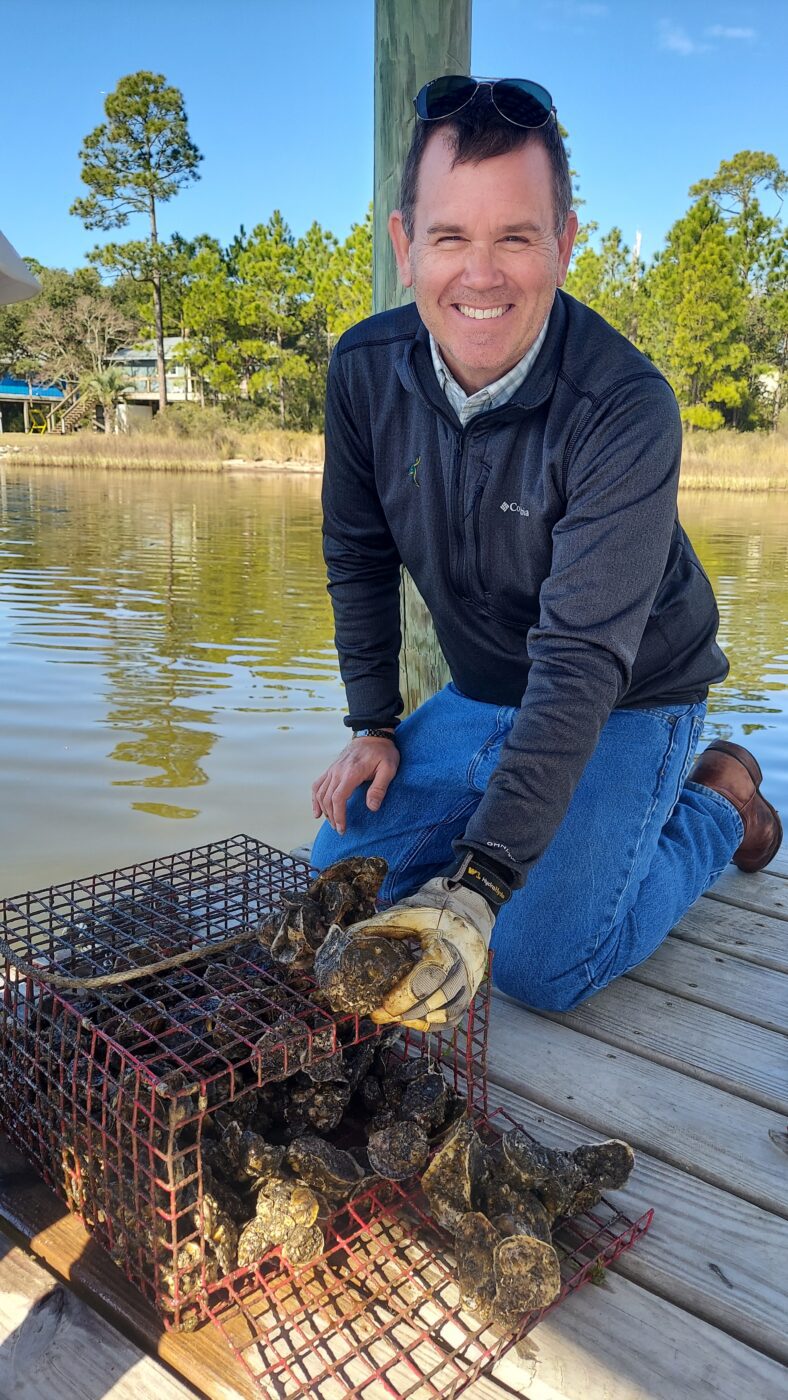
P.J. Waters shows oysters grown through the Extension oyster gardening program. Volunteers raise oysters on recycled shells before they are returned to coastal waters to help rebuild Alabama’s reefs.
Oysters are often called ecosystem engineers. Reef structures provide habitat for fish and marine life, stabilize shorelines and improve water quality by filtering excess nutrients from the water.
“The reef itself is almost the foundation of the ecosystem in an estuary,” Waters said. “It filters the phytoplankton from the waters as food, but it filters everything else that’s in the water. So the nutrients that it can sequester — everything that it doesn’t eat and sends out the side — is heavier than water, so it sinks.”
Despite their importance, nearly 80%of the world’s oyster reefs have been lost. Nutrient pollution and habitat degradation continue to threaten what remains.
That reality led the Alabama Coastal Foundation to launch an oyster shell recycling initiative in 2016. Since then, the foundation has partnered closely with Alabama Extension to ensure those recycled shells are put to work restoring reefs.
“We would not have had as many shells deployed without the great work that has been provided by Auburn Extension,” said Mark Berte, executive director of the Alabama Coastal Foundation. “Our long-term partnership has helped not only help our restoration efforts but also our education efforts.”
From Restaurant Table to Coastal Waters
The process begins at participating restaurants, where oyster shells are separated and placed in designated recycling bins instead of being discarded. Shells are collected, cured and later used as substrate — the natural surface baby oysters need to attach to and grow.
At Auburn University’s Dauphin Island hatchery, oyster larvae are set onto recycled shells. Those shells are then distributed to volunteer oyster gardeners along the coast, including Dennis Hatfield, president of the Little Lagoon Preservation Society.
“We’ve got a lot of people that are passionate about the lagoon and want to keep it clean and want to help it however they can,” Hatfield said. “It was apparent right away that people really liked the idea of growing oysters.”
In 2025 alone, 366 Alabama Extension oyster gardening volunteers raised more than 207,000 advanced stocker oysters for restoration. Those oysters have the potential to restore more than 11 acres of reef habitat. Since the program’s inception, Extension-supported efforts have produced more than 2.1 million oysters, with a restoration potential of more than 100 acres statewide.
“This work isn’t theoretical,” Waters said. “We’ve got to keep expanding the group of people who are engaged with it. Yes, I think we’re making an impact because we do see people who are seeking out opportunities to engage.”
Environmental and Economic Benefits
The impact extends beyond environmental restoration. A healthier reef system supports Alabama’s commercial oyster industry and coastal economy.
“Eventually, as more and more breeding mother reefs occur, it’ll make the wild oyster harvest better,” said Anthony Ricciardone of Admiral Shellfish Company. “It’ll make the bay healthier and cleaner. It’ll keep things circulating and just get a broodstock back going. That’ll help us as farmers.”
Restaurants also see value in participating.
“We just find it to be one of the most important stories we can share with our customers — that we are supporting sustainable practices, especially when it comes to our brand, oysters,” said Cecilia Mace of Original Oyster House Restaurants.
Currently, more than 30 restaurants across Alabama participate in the oyster shell recycling program. Since its launch, more than 28 million oyster shells have been collected and returned to coastal waters rather than landfills.
-
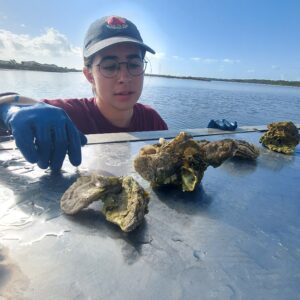
- Research Associate Lindsay Miller inspects oysters from a newly restored reef built using recycled shells. Oyster reefs improve water quality, create habitat for marine life and strengthen Alabama’s coastal ecosystem.
-

- Oysters served at Alabama restaurants can play a role in coastal restoration when their shells are recycled instead of sent to landfills. More than 30 restaurants statewide now participate in oyster shell recycling efforts.
Expanding the Effort Statewide
Alabama Extension and its partners are working to expand the program further inland, encouraging more restaurants and communities to participate.
For seafood lovers, the connection is simple: the oyster on your plate can help rebuild the reefs that support Alabama’s coast if the shell makes its way back home.
Residents can support the effort by asking local restaurants whether they participate in oyster shell recycling and by learning more about volunteer oyster gardening opportunities through Alabama Extension, found online at aces.edu.