
Finance & Career

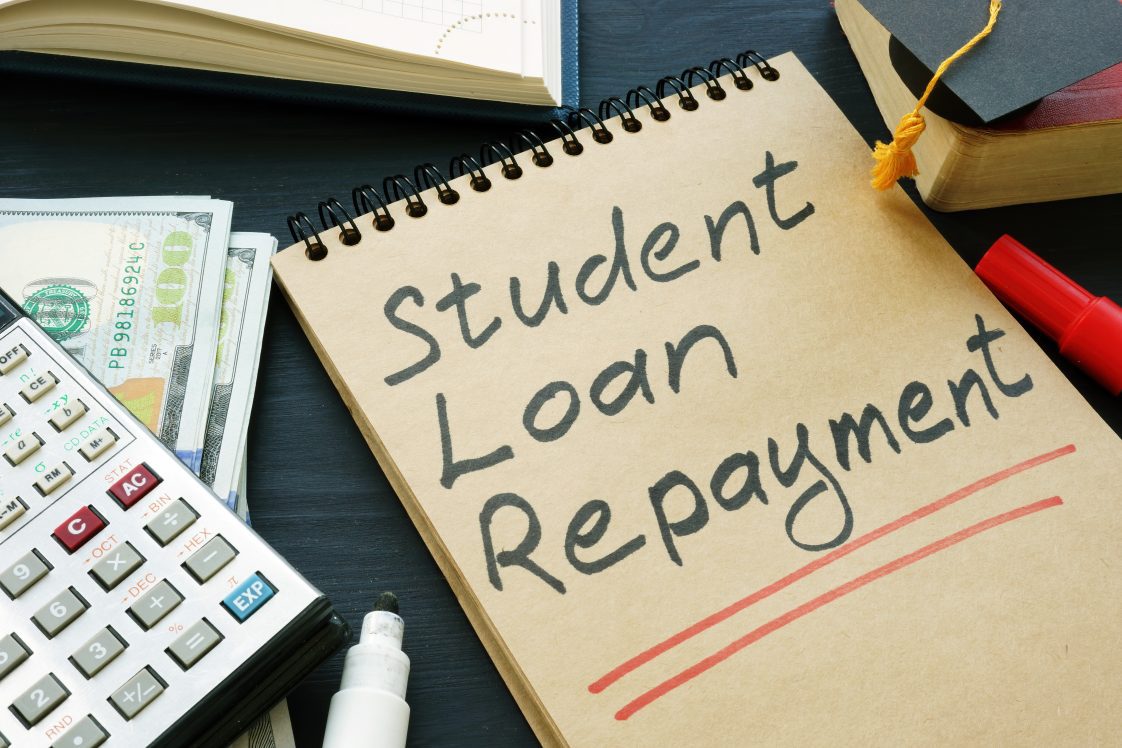
Effective May 5, 2025, the U.S. Department of Education resumed collections on defaulted student loans—ending a five-year pause that began during the COVID-19 pandemic. A defaulted student loan is one that has not been paid as agreed upon for an extended period, usually 270 days.
Borrowers in default now risk wage garnishments, tax refund seizures, and negative credit report marks. If you’re in default, contact the Default Resolution Group at http://myeddebt.ed.gov immediately. This website is the Department of Education’s official portal where borrowers can view and resolve defaulted federal student loans, make payments, and access repayment programs.
Resolving Default
Individuals in default have two options:
- Rehabilitation. Make nine consecutive on-time payments, which can remove the default from your credit report.
- Consolidation. Combine your defaulted loans into a new direct consolidation loan. This clears the default faster but leaves a record on your credit history.
Student loans in default can severely damage credit scores and can remain on credit reports for up to seven years. This can make it harder to qualify for credit cards, loans, mortgages, or rental housing.
Managing Repayment Post-Default
After resolving your default, consider exploring repayment options that allow borrowers flexible terms like, an income-driven repayment plan (IDR). An IDR is a way to pay back your federal student loans based on how much money you make and the size of your family. For example, if your income is low, your monthly payment could be a lot lower than the standard payment amount, sometimes even as low as $0.
Current IDR options include the following:
- income-based repayment
- income-contingent repayment
- pay as you earn (PAYE) repayment
- saving on a valuable education (SAVE) plan
However, SAVE is currently on hold.
Evolving Student Loan Policies and Credit Impact
Student loan policies continue to evolve. Previous protections, like the CARES Act and a temporary “on-ramp” period shielded borrowers from credit damage. However, with the return of interest, payments, and collections (especially after September 2024), any missed payments can now be reported to credit bureaus, lowering credit scores and causing lasting financial consequences.
A Changing Landscape
Since the onset of COVID-19, the federal student loan landscape has seen significant shifts:
- 2020. The CARES Act suspended payments, set interest rates to 0%, and paused collections.
- 2022-2023. Extensions, a proposed debt relief plan, and legal scrutiny culminated in the Supreme Court striking down relief in June 2023.
- Late 2023. Interest resumed in September and payments restarted in October, with an “on-ramp” period provided until September 2024.
- July 2023–2024. The SAVE plan was introduced and then blocked by legal challenges, placing borrowers in interest-free forbearance—which doesn’t count toward loan forgiveness under IDR or Public Service Loan Forgiveness (PSLF).
Staying Informed
In this shifting environment, it’s vital to remain proactive. Regularly monitor updates from the Department of Education, communicate with your loan servicer, and consider stable alternatives like income-based repayment to protect your financial future.
What to Do When in Default
If your student loans are currently in default, don’t wait to take action. When the resolution process begins, there is less possible long-term financial damage. If there is a loan in default, take the following steps:
Step 1. Contact the Default Resolution Group. Go to myeddebt.ed.gov or call the U.S. Department of Education’s Default Resolution Group to learn about specific options.
Step 2. Resolve the default. Choose one of the available options:
- Rehabilitation. Make nine on-time, voluntary monthly payments. After completing the program, your loan is removed from default statues and the default may be removed from your credit report.
- Consolidation. Combine your defaulted loans into a new Direct Consolidation Loan. This clears this default status more quickly, but the default record remains on your credit history.
Step 3. Enroll in an income-driven repayment plan. Once a loan is back in good standing, apply for a plan that fits your income. These plans can help people maintain affordable monthly payments to stay on track.
Step 4. Monitor your credit. Check credit reports regularly to ensure your status updates properly and to catch any errors. Access free credit reports at http://annualcreditreport.com.
Step 5. Stay connected and informed. Maintain communication with a loan servicer and follow updates from the Department of Education. Staying proactive will help individuals avoid future default and protect their financial future.