
Farming

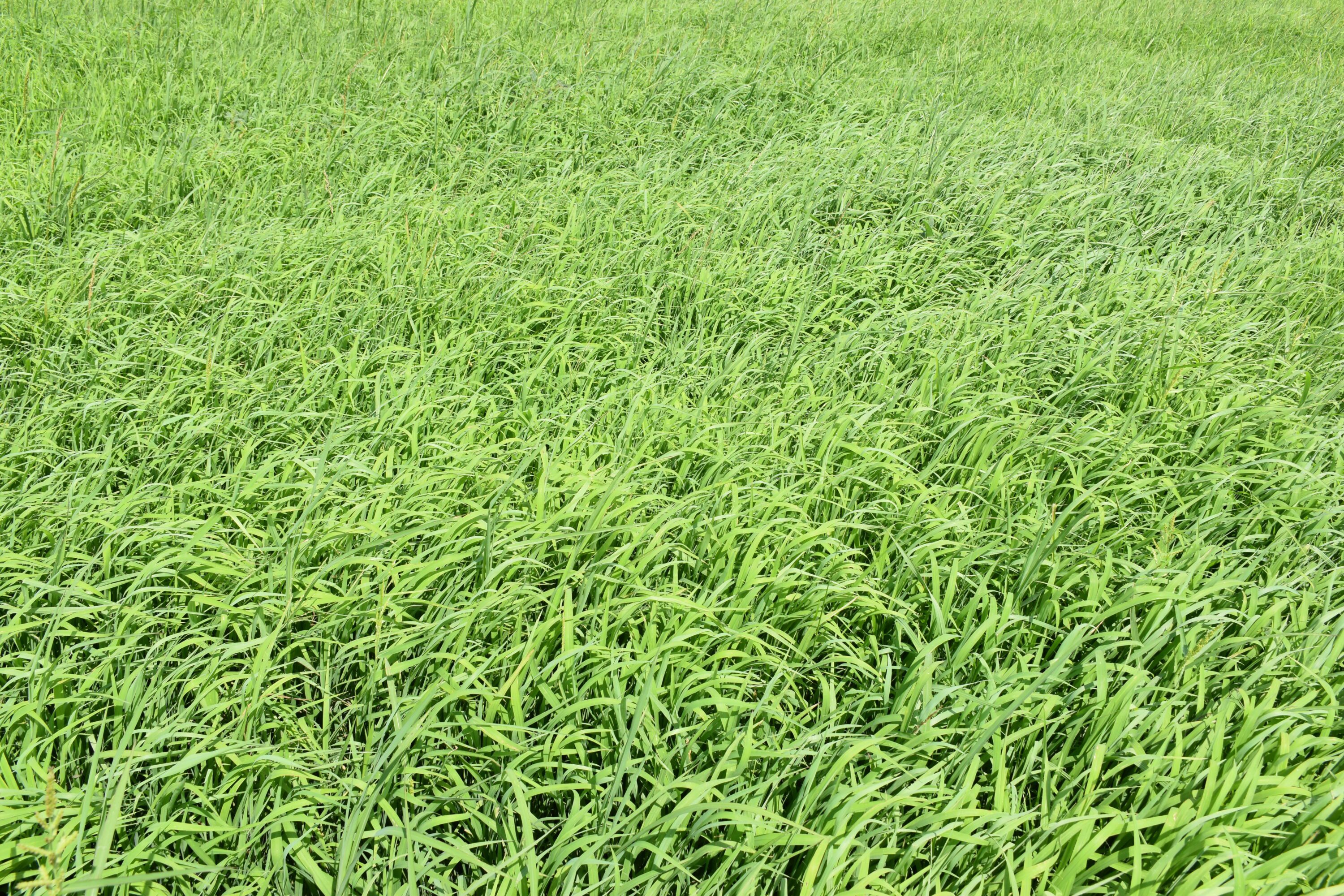
Despite its reputation as an unwanted weed, crabgrass is a versatile and dependable component of warm-season forage programs. Its use provides livestock producers with advantages in the care and management of their animals and land.
Crabgrass (Digitaria ciliaris) is a warm-season annual forage capable of generating substantial amounts of nutritious feed during the summer. Known for its high palatability, it serves as excellent grazing material and can be turned into superior-quality hay when managed effectively. It thrives primarily in the southern and southeastern regions of the United States, where adequate rainfall, moderate temperatures, and extended growing periods create optimal conditions for production. Its growth pattern and suitable regions closely resemble those of bermudagrass.
Value as Forage
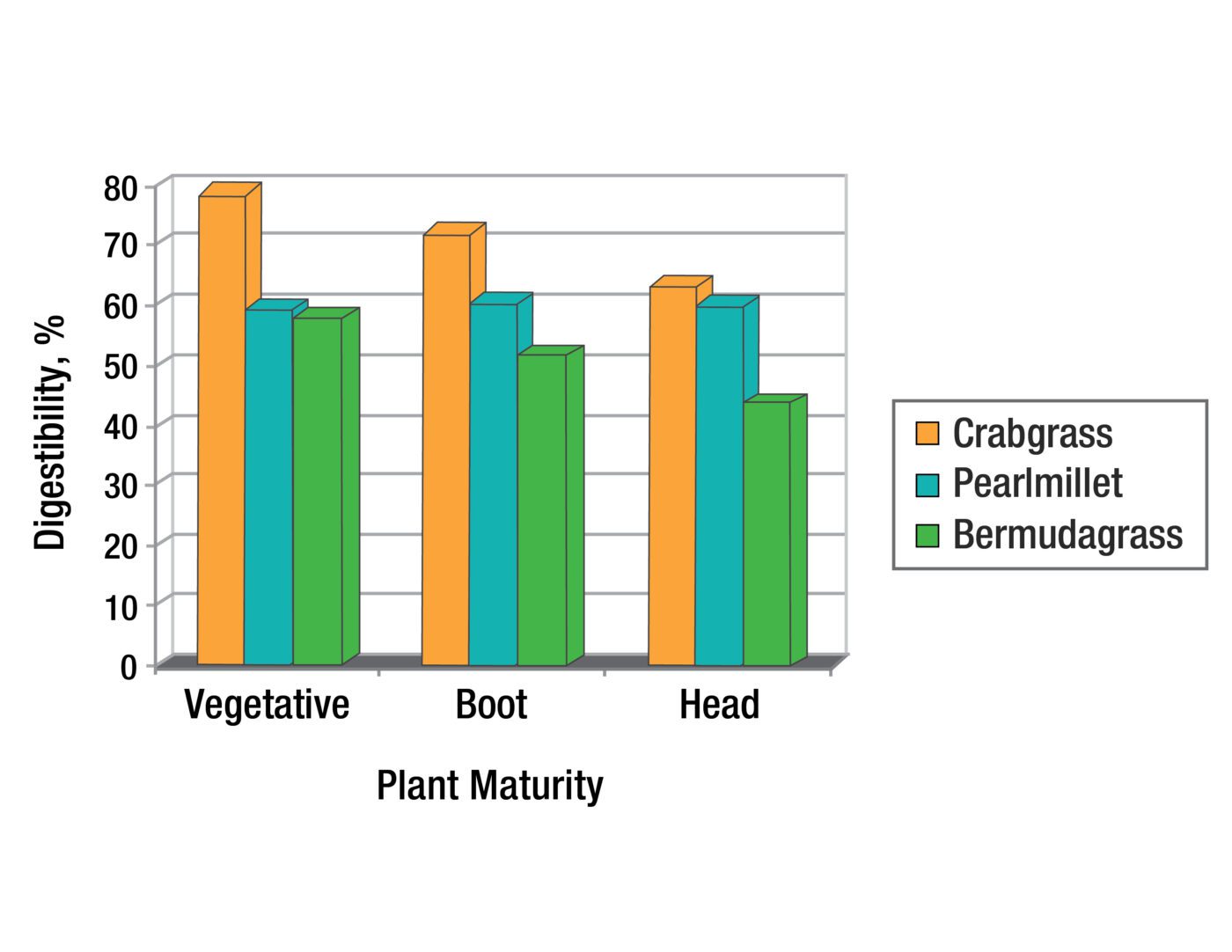
Figure 1. Effect of plant maturity on digestibility of crabgrass, bermudagrass, and pearl millet in Alabama. (Photo credit: Hoveland et.al., 1986)
Crabgrass has increased in value among farmers since the introduction in 1988 of the first cultivated variety. Known as ‘Red River’, it typically yields more forage than standard crabgrass—2 to 5 tons of dry matter per acre depending on conditions. Originally popular in the southern Great Plains, its use has expanded throughout the southern United States.
Developed at the Noble Research Institute, ‘Red River’ quickly became the leading commercial cultivar, establishing crabgrass as a key warm-season annual forage for livestock operations. Since then, several new forage crabgrass cultivars (e.g., ‘Mojo’, ‘Quick-N-Big’, ‘Impact’) have been developed and released. These improved crabgrass varieties are not invasive weeds but rather high-yielding, high-quality nutritive value forages with broad adaptability.
During summer months, crabgrass often surpasses many perennial warm-season forage grasses in nutritive value, making it an excellent choice for both hay production and grazing. It boasts high crude protein (CP) levels (8 to 14 percent) and superior digestibility (TDN), up to 60 percent, supporting livestock weight gains of up to 2 pounds per head per day. Additionally, forage crabgrass integrates well into double-cropping systems, particularly alongside winter annual forages like wheat to enhance grazing periods.
A 1986 study was conducted on the effect of plant maturity on the digestibility of crabgrass, bermudagrass, and pearl millet. Results indicated that crabgrass has superior forage nutritive value during the vegetative growth period, maintaining a TDN above 60 percent through the seedhead phase (figure 1).
Crabgrass thrives in heat, with optimal growth occurring above 90 degrees F, particularly when moisture levels are sufficient. It plays a crucial role in providing grazing material during July and August, a time when cool-season perennial grasses, such as tall fescue, enter a semidormant phase and fail to support optimal animal weight gain.
Crabgrass advantages also include the following:
- Is highly adaptable and thrives in both tilled and no-till forage production systems. Many livestock producers manage it as a reseeding crop to cut down on seed expenses and other yearly costs.
- Functions effectively within warm-season forage systems, whether annual or perennial
- Performs well in dry land conditions
- Responds favorably to irrigation
- Accommodates soil pH levels ranging from 5 to 7.5.
- Is suitable for silage or hay production
- Is an excellent conservation crop, rapidly establishing itself to cover critical areas efficiently.
Available Varieties
Crabgrass seed can be limited and, in some cases, will need to be special-ordered through your local seed provider, but it is readily available from many seed suppliers. Due to the plant’s significant genetic diversity, purchasing “common” crabgrass seed does not guarantee consistency in seed quality or forage yield or quality.
The following varieties are recognized for their high productivity in terms of dry matter yield and are currently recommended for use in Alabama:
‘Red River’. A prolific reseeder that can spread and regrow after grazing. It is a high-yielding forage that is good for grazing and haying. ‘Red River’ is well suited to hot, dry climates and can be used to revitalize summer pastures.
‘Dal’s Big River’. A highly productive and runner-capable grass, meaning it can propagate horizontally across the ground using stolons or runners. It is similar to the original ‘Red River’.
‘Quick-N-Big’. A productive forage crabgrass of high nutritive value and palatability. It is good for grazing, hay, and grass silage. It has a tall growth pattern, reaching up to 58 inches at early seed harvest stage. For optimal yield and nutritive value, it should be grazed at about 12 to 24 inches tall and cut for hay at 24 to 36 inches tall to allow for optimal growth.
‘Quick-N-Big Spreader’. A productive forage crabgrass that is high quality and palatable, with very rapid early growth. It is good for grazing, hay, and grass silage. ‘Quick-N-Big Spreader’ crabgrass is essentially a ‘Quick-N-Big’ crabgrass with decumbent stems (fake runners or stolons) for quicker soil cover and more protection from short grazing, short mowing, and too much tread damage around the crown.
‘Quick-N-Big Spreader 19PVP’. A productive forage crabgrass that is high quality and palatable. It is good for grazing, hay, and grass silage. The look and yield are very similar to ‘Quick-N-Big Spreader’, but it is more capable of spreading by tillering and decumbent or slumping stems. This variety also can develop about 10 times beyond the main spread of ‘Quick-N-Big’.
‘Impact’. A later-maturing cultivar than ‘Red River’, but one that is also broadly adapted, high yielding, and with improved nutritive value and good reseeding ability.
‘Mojo’. An improved crabgrass that thrives in hot, dry climates. It is a blend of ‘Red River’ and ‘Impact’. This blend provides a wide range of summer productivity and grazing. It typically matures about 14 days later than ‘Red River’, offering extended grazing periods.
Note that 2-year-old seeds have been shown to have a higher germination rate than 1-year-old seeds. After being stored, seeds go through a phase known as after-ripening, which helps diminish their dormancy. By the time seeds reach 2 years of age, they complete this dormancy phase and are primed for germination, leading to a higher establishment rate.
Establishment Practices
Crabgrass should be established on well-drained land that has been properly limed, as it thrives across a broad soil pH range of 5 to 7.5. Plant in spring once the risk of frost has passed, and plant in a clean, firm seedbed—preferably cultipacked—to ensure optimal seed placement. Germination can begin when soil temperatures reach 58 degrees F, but it is recommended to wait until soil temperatures are 65 degrees F to plant.
To encourage volunteer crabgrass, it is recommended that you disk a field in midspring, particularly in fields previously planted with winter annuals. If no winter annual forage is present, disking can take place earlier, preferably late February or early March, to maximize seasonal forage production.
Soil test prior to planting to ensure proper soil fertility is present to support optimum forage growth. Seeds should be drilled at a depth of approximately 1/4 inch or broadcast over the soil surface. When using a drill, it is best to use it just for dropping seed as too much soil disturbance will cause the seed to be planted too deeply. Using a cultipacker after broadcasting can improve seed-to-soil contact and help prevent seed displacement during heavy rainfall. In some cases you can use a cultipacker before seed is sown to help with establishment.
A successful crabgrass stand can develop from as little as 2 pounds of pure live seed (PLS) per acre, though planting 3 to 5 pounds per acre promotes quicker formation of ground cover and a denser, more productive forage stand. It is best to follow seed label instructions as some crabgrass varieties should be planted at 5 to 8 pounds per acre. Seed may be mixed with a small quantity of starter fertilizer to enhance dispersal through a drill and improve establishment.
Under adequate moisture conditions, some crabgrass seed may germinate within 2 to 3 days, while the stand can continue to grow thicker for up to 2 months or longer as slower-germinating seeds take root. Within 30 days, crabgrass can reach approximately 6 inches of height and be ready for grazing.
After seedlings reach the early tiller stage, topdressing with additional nitrogen (N) can be applied to support growth. A seasonal total of 120 pounds of N per acre, delivered in split applications, is recommended. If crabgrass is established early, additional N applications—up to 200 pounds per acre—may be necessary for maximum forage yield. However, N applications beyond mid-August are generally not beneficial due to slowed forage growth.
If winter annual planting is unnecessary, crabgrass can continue to grow into late summer and early fall, until a killing frost occurs. However, forage production declines during this period, and quality is lower, making it best suited for livestock with reduced nutritional needs. Allowing crabgrass to reseed naturally by limiting tillage at the end of the season ensures continued growth in the following year.
Fertilization Recommendations
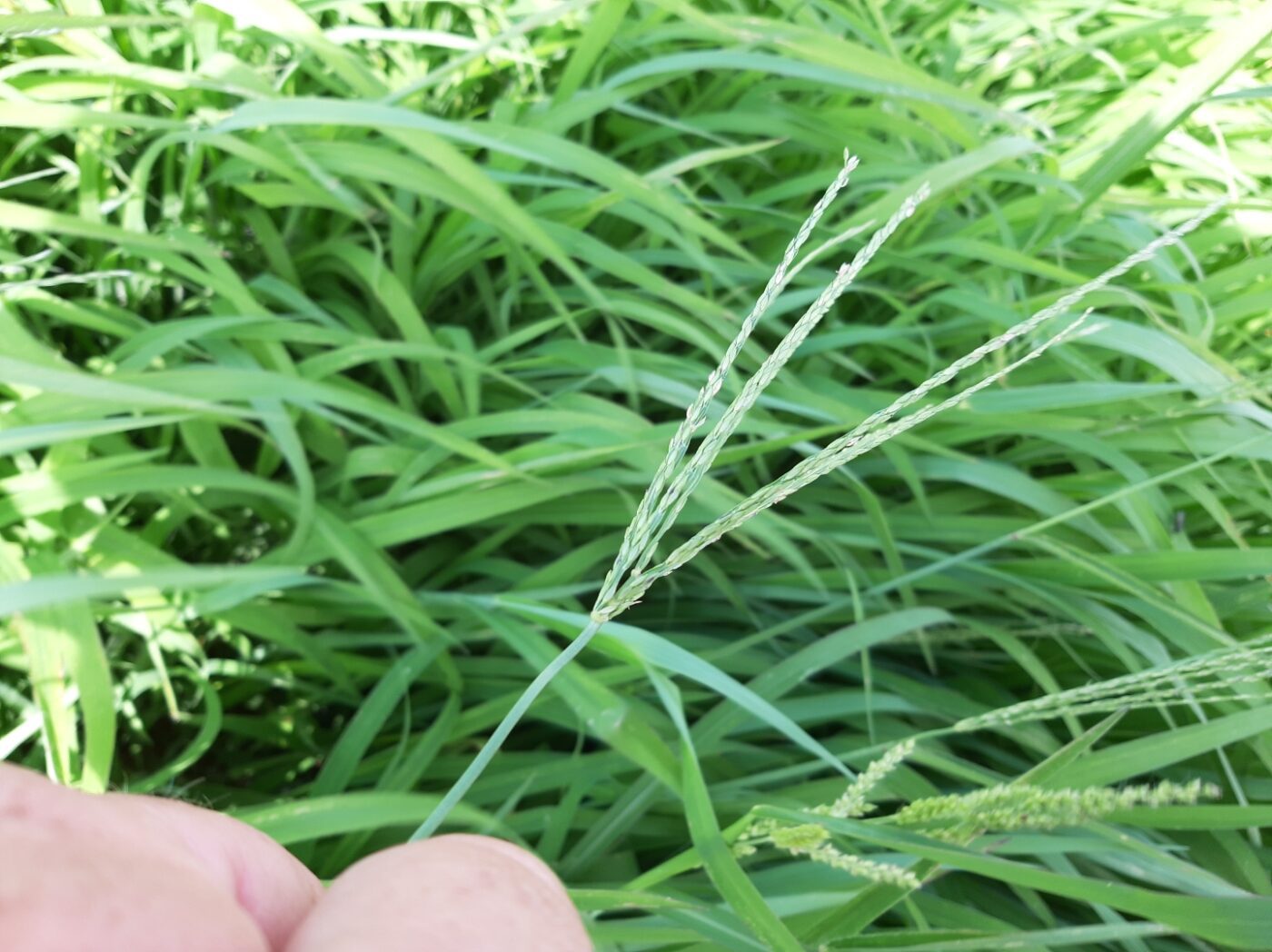 Maintaining a healthy and productive stand of crabgrass requires proper fertilization. This grass species is highly responsive to N, but frequent and high applications can lead to increased soil acidity. Crabgrass thrives in soil with a pH between 5 and 7.5, making regular soil testing essential to monitor pH levels and nutrient requirements.
Nitrogen (N). Plays a crucial role in promoting plant growth and enhancing the crude protein content of forages. The amount and frequency of N application depend on whether the stand is intended for grazing or hay production. Splitting nitrogen applications improves efficiency and minimizes leaching.
Phosphorus (P). Essential for various plant processes. Soil testing will determine the necessary application rate. Because P does not leach from the soil, a single application is sufficient. In Alabama, P can accumulate over time, particularly when poultry litter is consistently used for fertility management.
Potassium (K). Vital for sustaining high yields and robust stands. Deficiencies in K can reduce productivity and weaken the stand. Required K levels depend on soil conditions, management practices, and N rates. Soil testing helps establish appropriate application rates, and splitting K applications enhances nutrient utilization. Inadequate K levels can significantly affect stand longevity, productivity, and disease resistance. Maintaining sufficient K is essential for preserving stand health.
For hay production, apply 50 pounds of N per acre per cutting, beginning with the initial application at spring green up. Since nutrient recycling does not occur with haying, replenishing lost nutrients, such as potash and P, is critical.
In grazing systems, N application is influenced by stocking rates. For moderate stocking densities, apply 50 pounds per acre in April, June, and July. Under heavy stocking conditions, increase the rate to 60 to 80 pounds per acre every 4 to 6 weeks.
Grazing Management
The transition zone for forage production spans the area between the temperate and subtropical regions of the United States. Tall fescue serves as the primary forage base in this region. However, the growth of cool-season grasses is limited during the summer due to high temperatures and inconsistent rainfall. Incorporating warm-season forage species into grazing systems helps ensure a more consistent forage supply throughout the season.
Crabgrass is highly tolerant of defoliation and can be grazed to as low as 3 inches by large ruminants. For small ruminants, crabgrass should not be grazed to below 4 inches to minimize the risk of internal parasite infestations. This underscores the importance of implementing a robust management plan that incorporates strategic rotational grazing, adequate rest periods, and, when appropriate, alternating grazing with other livestock species or hay production. Such practices help maintain pasture health and minimize parasite pressures.
While grazing can begin when plants reach 4 to 6 inches in height, the recommended starting height is between 10 and 12 inches for optimal regrowth. Under rotational stocking, grazing should start when (1) crabgrass is no taller than 12 inches, (2) animals are moved when the forage height drops to 3 to 6 inches, and (3) pastures are restocked when the plants reach 6 to 8 inches. Typically, the rotation is 30 days but can be up to 45 days.
Crabgrass is highly palatable and often preferred by livestock when other forage options are available. If a cool-season forage is planned for use after crabgrass, it is important to note that crabgrass becomes less palatable after frost and should be grazed during the summer to make room for other forages. Proper forage management enables you to stockpile alternative feeds, reducing reliance on hay during cooler months.
Once established, crabgrass can be grazed within 40 to 60 days. Since it does not contain prussic acid and has no known forage-related disorders, it is a suitable option for horses. Rotational grazing is recommended, following the same guidelines used for large ruminants to maintain productivity.
To ensure sufficient seed production for the following year, livestock should be removed from crabgrass pastures at least 2 to 3 weeks before the first frost. Light annual tillage is needed to help incorporate seeds into the soil, allowing them to germinate voluntarily in subsequent years. This tillage process should take place either early in winter or early in spring before the last frost to avoid interfering with crabgrass emergence.
Overall, grazing remains the most effective way to utilize crabgrass in a forage system. Depending on soil fertility and rainfall levels, stocking rates can range from 800 to 1,200 pounds of live weight per acre.
Hay and Baleage Management
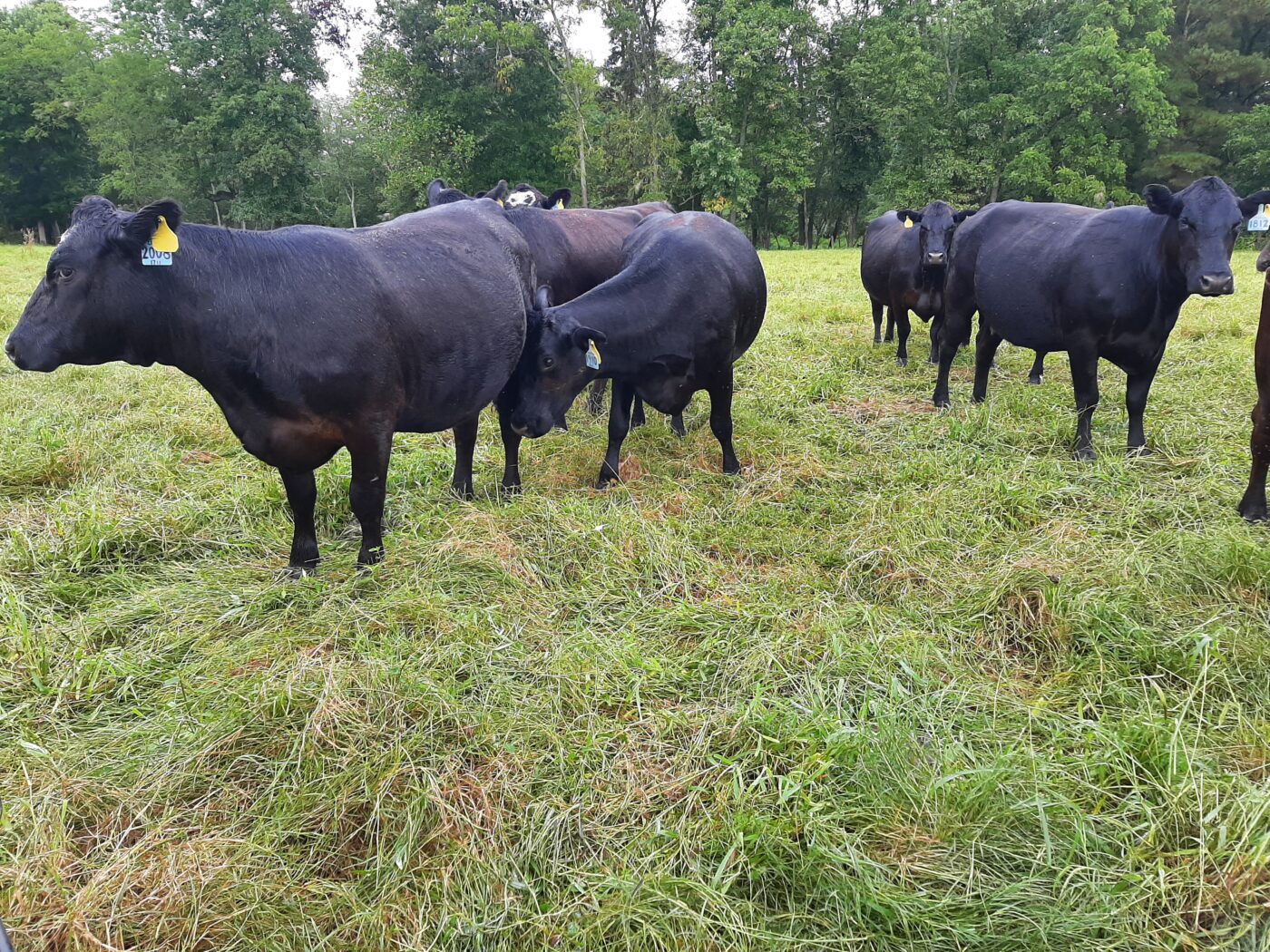 Effective hay and baleage management of crabgrass involves timely harvesting to maximize forage quality and yield. The biggest challenge with hay is the slower drying time of crabgrass, because rapid drying is essential to prevent leaf loss and mold. Crabgrass should be harvested for hay when it reaches the boot to heading stage, typically between 18 and 24 inches in height, allowing for at least two harvests annually.
When regrowth is the goal, cutting height should exceed 3 inches to retain green leaf tissue, which promotes regrowth. If crabgrass is harvested before it produces mature seed, it can help to leave 6-inch uncut strips between mower swaths to ensure adequate reseeding. However, if the plant reaches maturity and develops seed before being harvested, the forage quality will decline.
Crabgrass can be used for baleage, but the slow drying time remains a factor. Proper moisture content is critical for quality baleage. Excess moisture can lead to spoilage, while insufficient moisture can lead to poor fermentation. For baleage, crabgrass should be baled at 40 to 60 percent moisture and airtight wrapping used to promote proper fermentation.
Generally, the first harvest of the season produces the highest-quality hay, sometimes containing over 15 percent crude protein and 60 percent total digestible nutrients (TDN). Compared to bermudagrass, crabgrass hay cures at a slower rate, but it dries more quickly than sorghum-sudan hybrids or pearl millet. Its dark color may give the impression of lower quality, though analysis often indicates otherwise.
Weed Management
Before crabgrass is introduced into new production fields it is important to control any undesirable species prior to establishment. This ensures that new seedlings can emerge free from competition since there are no viable weed management options during this sensitive period of growth.
If weeds emerge after crabgrass is established, options are limited to mowing or hand pulling until crabgrass has reached 6 to 8 inches in height or has at least 4 to 6 tillers. At this point crabgrass can tolerate low-tomedium rates of most broadleaf herbicides, such as synthetic auxin products. These herbicides are meant to control broadleaf weeds only. Often the most difficult challenge is removing undesirable grasses from a grass forage system; there are no selective herbicide options that will not put crabgrass at risk of injury.
These weed control challenges underscore the importance of early proper field preparation. These best management practices help to ensure a healthy, dense crabgrass stand, which can be very competitive against encroaching weed pressure.
It is important to have knowledge of historical pesticide use of the intended fields as there are certain herbicides that may impact crop emergence. Herbicides with a long soil residual include, but are not limited to, indaziflam (Rezilon), pendimethalin (Prowl H2O), and aminopyralid (GrazonNext HL, DuraCor, etc.). As always, read and carefully follow all pesticide label requirements prior to use.
Conclusion
Crabgrass thrives in moist soils and is well-suited to forage systems across the southern United States. Highly palatable and affordable, it offers notable advantages to livestock producers, as both common and improved varieties are readily grazed and support strong animal performance. Its resilience allows for repeated grazing.
Although sometimes dismissed as a weed, crabgrass delivers high nutritive value and reliably fills a productive niche, especially in fields that have been overgrazed. Its adaptability, tolerance of defoliation, and natural occurrence make it a versatile and dependable component of warm-season forage programs.
 Zachery Brannon, County Extension Director; Leanne Dillard, Extension Specialist, Associate Professor, Animal Sciences; David Russell, Associate Extension Professor, Crop, Soil, and Environmental Sciences; Landon Marks, County Extension Director; and Matthew Webb, County Extension Director, all with Auburn University
New February 2026, Redefining Crabgrass: A Reliable Summer Forage Option, ANR-3214