
Farming

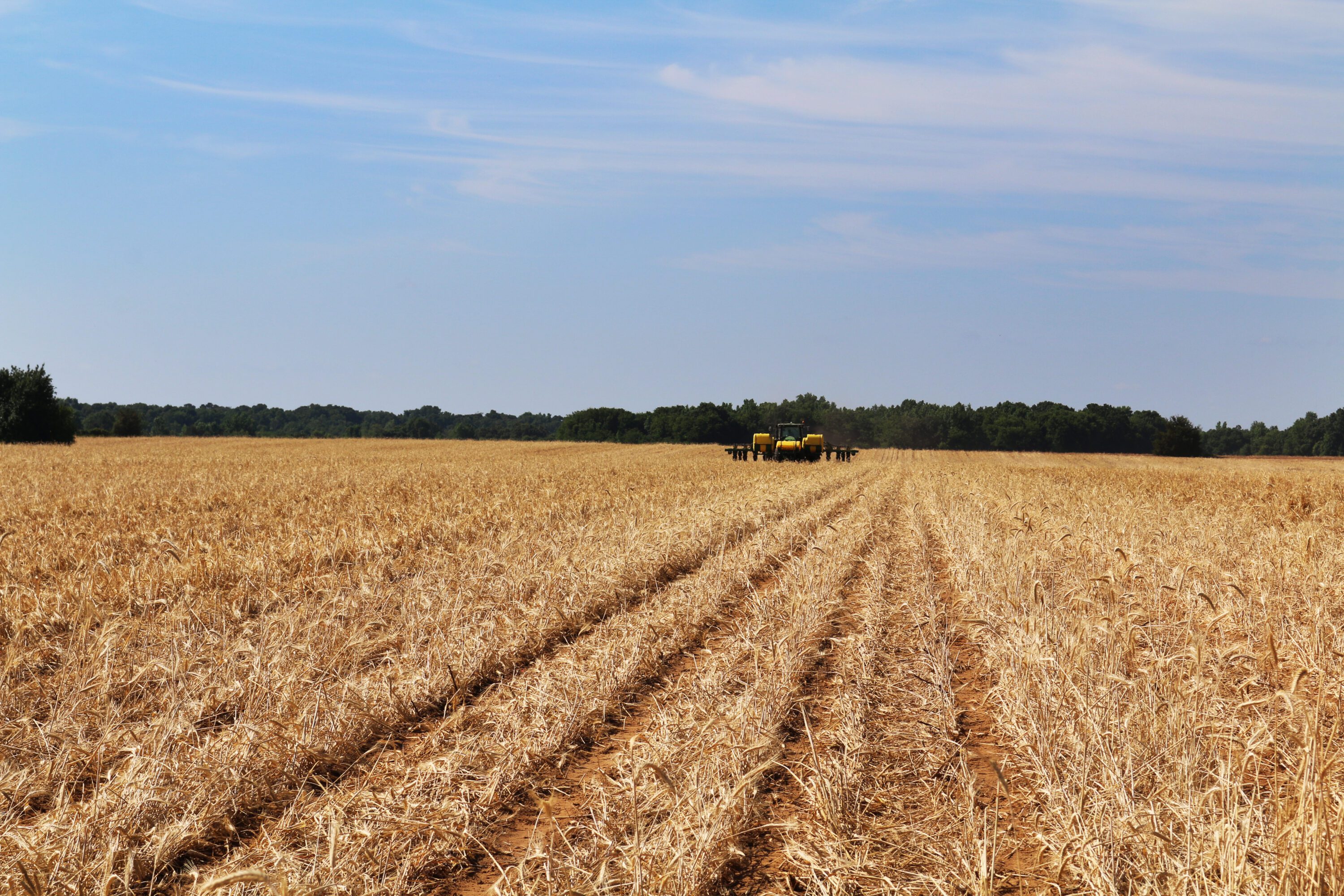
Different management practices can be applied within a cropping system to improve soil health, but no single approach is universally the most effective in all situations.
Principles can be applied in any production system, but the activities to implement them may vary depending on soil type, equipment availability, and geographic location. Each principle has various practices that can be implemented, and many practices are a part of multiple principles. The four main categories of soil health principles are to maximize soil cover, minimize soil disturbance, maximize biodiversity, and maximize continuous living roots (figure 1).
Maximize Soil Cover
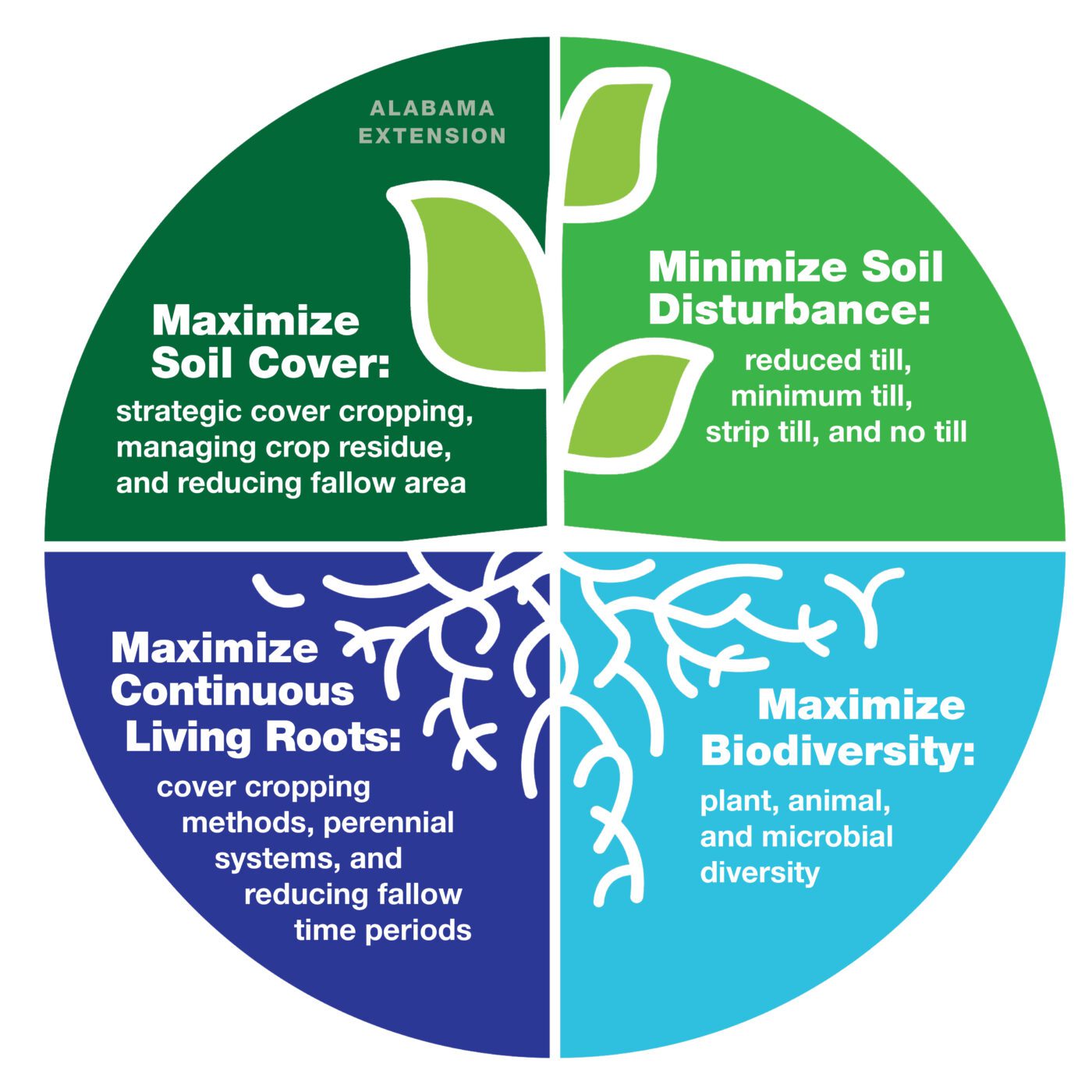
Figure 1. The four principles of soil health.
This principle aims to maintain year-round ground cover across all acres on the farm. Areas left uncovered, regardless of the season, are susceptible to wind and water erosion. An example of a practice that can be applied to achieve this principle is cover cropping. Planting a cover crop with high above- and belowground biomass will help increase soil organic matter. Cover crop roots can also take up nutrients and release them to subsequent plants, reducing nutrient loss from the system. Keeping the soil covered can also help regulate soil temperature. Traditionally, cover crops are planted after the cash crop is harvested, using a drill or broadcast seeder. This may result in a shorter cover crop growth period than planting cover crop seeds during the cash crop season. Strategies such as aerially planting cover crop seeds with a plane or drone can be used to immediately achieve ground cover after cash crop harvest. This gets the cover crop seeds into the field before harvest to allow them to grow. Other strategies are using a full-season ground cover during the summer on fallow areas. This helps reduce soil loss, but also, like other cover cropping applications, it can also achieve different goals when planting different species. This concept is for both covering a fallow field with a summer annual cover crop or using a perennial cover crop growing between the rows.
Minimize Soil Disturbance
Disturbing the soil breaks down soil aggregates, increasing the soil’s susceptibility to compaction. Mechanical tillage can help mitigate compaction layers, while a minimally disruptive biological tillage method using roots can also be used. Grass cover crop species with fine roots can find small cracks in the soil and work their way through compacted layers. Larger, tap-rooted cover crops can break up soil if they can penetrate the layers before they begin to grow horizontally. Conservation tillage methods that reduce disturbance include reduced tillage, minimum tillage, and strip tillage. When using a tillage implement, it is important to consider soil moisture. When the soil moisture is high, susceptibility to compaction increases. Tillage also increases the rate of soil organic matter decomposition.
The breakdown of soil aggregates also alters soil structure, thereby influencing the water infiltration rate and water-holding capacity. When the soil has good structure, water can easily move into and throughout it during rainfall events. When rain hits the soil surface and cannot move below, it creates runoff. Runoff water will not only transport away soil particles but also nutrients. Combining the principles of maximizing soil cover while minimizing disturbance will improve the soil. To reduce soil disturbance, till with a purpose and a definitive goal. Having a goal that aligns with your objectives is key to successfully implementing the practice into your operation, which also improves soil health.
Maximize Biodiversity
In working to increase biodiversity, consider the different kinds of diversity involved. On cropland, introducing grazing animals or cover crops increases plant and animal diversity, thereby benefiting the soil. Adding a cover crop to a cropped field can increase plant diversity, which can benefit the soil. Another way to increase plant diversity is to rotate the crops. Crop rotations break up pest cycles, benefiting not only soil but also overall plant health. When placing cover crops on a field, different pest species have different potential impacts. Planting a high-biomass crop, such as cereal rye or oats, can increase the amount of organic matter. Adding a legume to the mix, such as clover or sunn hemp, can help provide nitrogen to the system. A leguminous plant can fix atmospheric nitrogen present in the air using a biological process that will become forms that future plants in that location can use. These are just a few benefits of plants in a mix. Having diverse plants and adding animals can also increase another form of biodiversity, microbes. Microbes are essential for many processes, and keeping them present, alive, and in good numbers leads to plant benefits.
Maximize Continuous Living Roots
Having plants living throughout the year has many benefits for the soil. In living plant roots that are growing and releasing sugars, organic acids, and other substances, the food sources support the microbial community and diversity. If the microbes do not have a food source, they will not be around to provide benefits.
The microbes are also found at the highest concentration near plant roots called the rhizosphere. This is the location near a living plant root where plants and microbes closely interact. This location is where many substances are present at high concentrations for microbial use. Microbes break down many substances and provide nutrients for plants. Many practices that maximize a continuous living root, such as maintaining a cover crop when the cash crop is not present, also maximize soil cover. Limiting soil disturbance and allowing plants to live longer increases the time a living root spends in the soil, helping maintain good soil structure. A practice that can maximize the presence of a living root throughout the year is a perennial cover crop system. Using a perennial cover crop that grows year-round can be challenging because of timing, equipment, and other factors. An example of a perennial cover cropping system is one in which the cash crops are planted in terminated strips of the cover crop. This requires precision planting back into strips and key timing so the cover crop does not cover the area, preventing the cash crop growth. Although this practice is challenging, the cover crop is never fully terminated and persists from year to year, maintaining a living root system.
Practices can vary when making operational decisions on a farm that adheres to the principles of soil health. This is due to many reasons, as practices used may change from farm to farm or over time due to management constraints. Some of these constraints include cover crop seed costs, timing of cash crop harvest, cash crop rotation, insects, weeds, labor, and equipment. While many challenges exist, protecting the soil is a priority, as it is a valuable resource that cannot be readily replaced and is essential for continued farming. Extension is a reliable resource when making decisions about adopting soil health practices on your farm. Remember, soil health is a journey, not something that happens fast. Many soil health practices create impacts that take time to have measurable increases.
 Chandler Gruener, Extension Specialist, Assistant Professor, Agronomic Crops, Auburn University
New January 2026, Principles to Practices in Soil Health, ANR-3219