
Farming

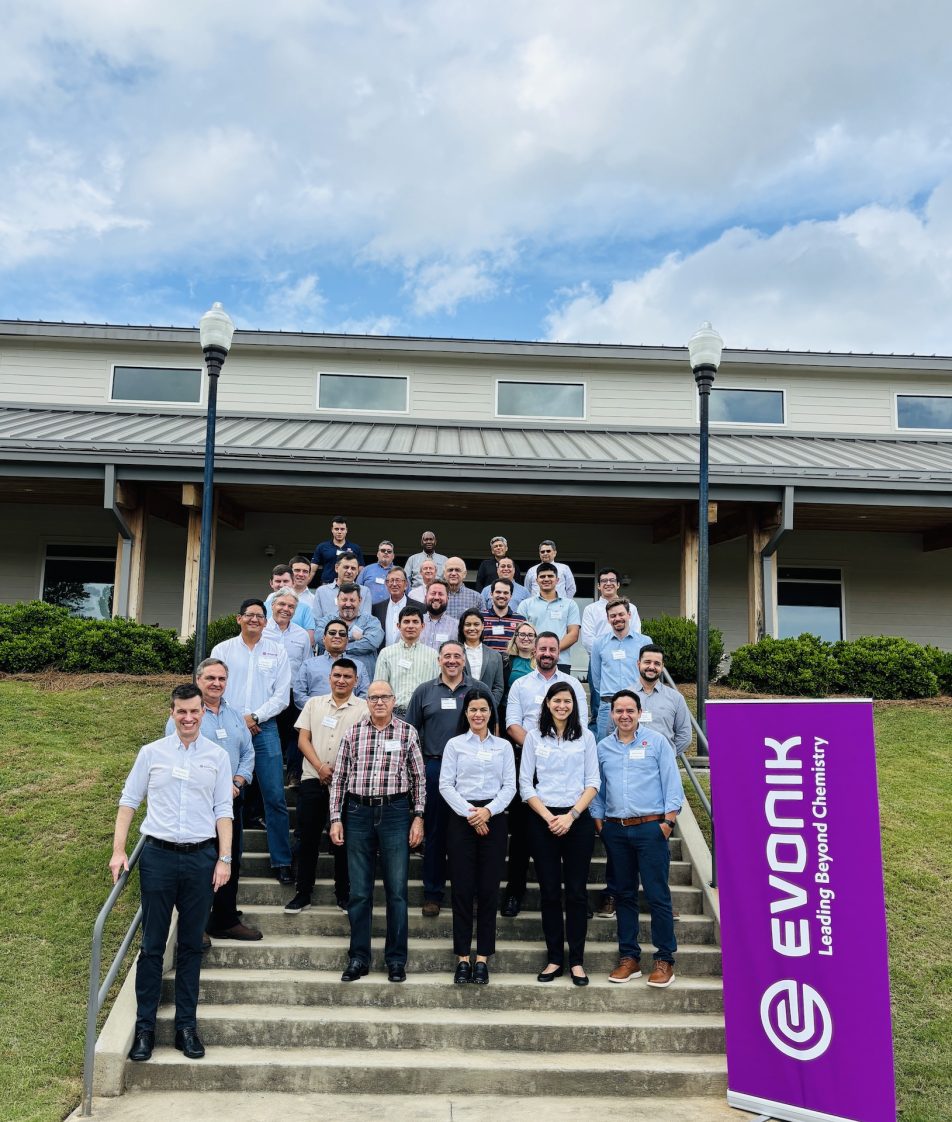
Pullet and Broiler Breeder Conference
Project Leaders: Bill Dozier
Institutional Lead: 1862 Extension‒AU
Program Objectives: To equip broiler breeder industry professionals with up-to-date, research-based management strategies that optimize reproductive performance during rearing and laying phases.
Background/Situation/Issue
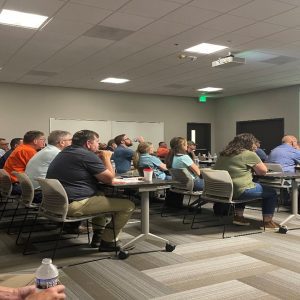
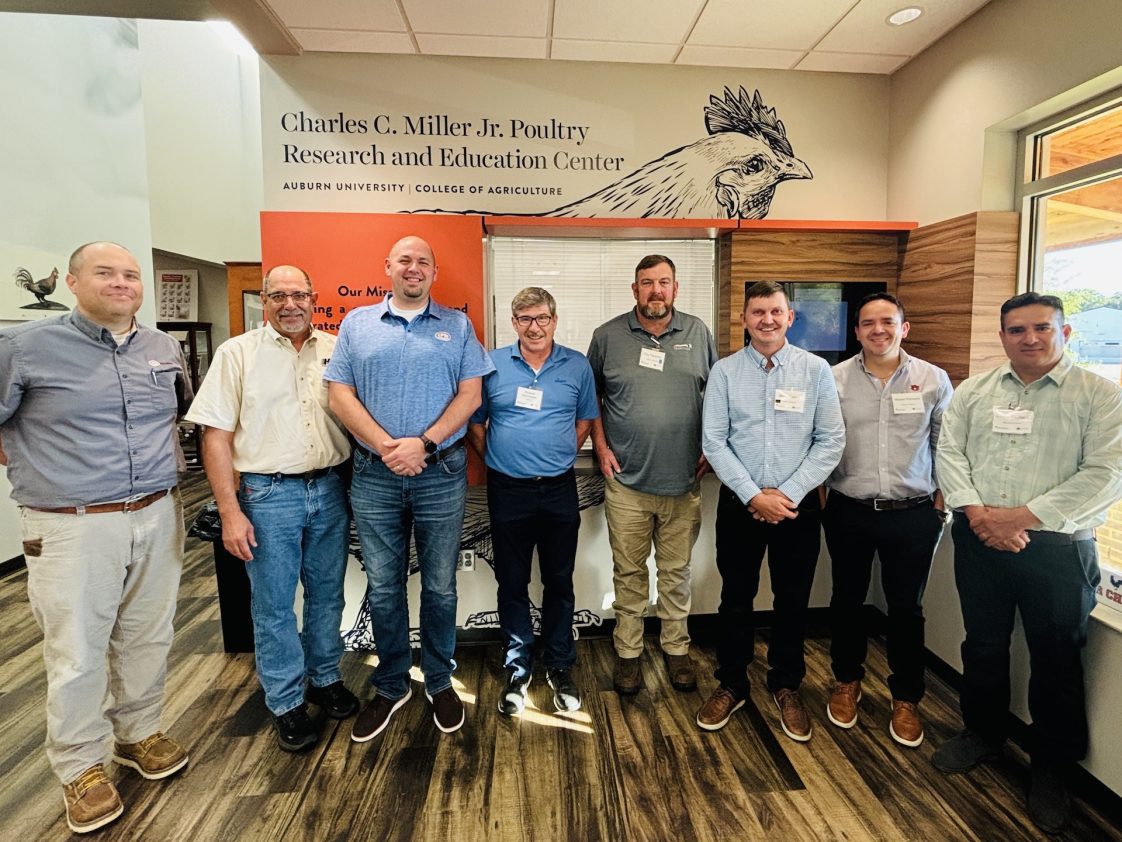
On August 14, the Charles C. Miller Jr. Poultry Research and Education Center hosted the Pullet and Broiler Breeder Conference under the leadership of William Dozier, Extension Specialist and Professor at Auburn University. The primary goal of the conference was to deliver up-to-date information on broiler breeder management strategies aimed at optimizing reproductive performance during both the rearing and laying phases. A comprehensive slate of technical presentations covered a range of critical topics:
- Keys to achieving flock uniformity during rearing
- Basic posting techniques and chick mortality identification
- Strategies to obtain 4-week target body weight
- Feed management practices for both rearing and laying cycles
- Egg storage practices and their impact on hatchability
- Male spiking programs for fertility enhancement
- Assessing male fertility to maximize reproductive success
The event attracted approximately 87 participants from seven states across the southeast, including a diverse group of professionals such as service technicians, pullet and broiler breeder managers, veterinarians, technical managers, and vice presidents of live production.
Outcomes
Participants reported significant takeaways aimed at improving flock management and production efficiency. Attendees shared that the information presented will help them raise better pullets, improve bird uniformity, enhance male performance, and refine feed and equipment management strategies across their operations. Many plan to train service technicians using key presentations, especially on chick mortality identification and feed practices. The impact of the event was also reflected in measurable increases in participant confidence across several technical areas:
- Pullet and male uniformity management. The proportion of participants indicating high confidence increased from 35 percent before the conference to 74 percent afterward.
- Posting techniques and chick mortality identification. High confidence levels rose significantly from 22 to 75 percent.
- Achievement of 4-week target body weights. Participants reporting high confidence grew from 41 to 68 percent.
- Feed management practices. Confidence in this area improved from 33 to 67 percent.
- Egg collection and storage practices. High confidence increased from 40 to 71 percent.
- Male spiking programs. Confidence levels advanced from 30 to 67 percent.
- Male fertility management. This category showed the most significant improvement, with high confidence increasing from 35 to 80 percent.
These outcomes highlight the conference’s value in equipping industry professionals with actionable knowledge to support flock health, reproductive success, and on-farm efficiency.
Value Statement
Participants provided positive feedback, citing the conference’s practical focus, information quality, and networking opportunities. Given the success of this year’s event, plans are already underway to host the next Pullet and Broiler Breeder Conference in 2025, continuing the tradition of supporting industry advancement through science-based education.
Poultry Management Newsletter
Project Leaders: Bill Dozier
Institutional Lead: 1862 Extension‒AU
 Outputs
The newsletter is distributed to approximately 150 industry personnel from integrated poultry operations. Approximately six newsletters are sent annually to the industry electronically to provide timely information on enhancing management practices and to promote conferences and webinars.
Audience Diversity
Newsletters are sent to a diverse group of industry professionals from eight states representing personnel involved in live production of pullets, breeders, and broilers.
Value Statement/Synopsis
Newsletters provide practical strategies to improve the reproductive efficiency of broiler breeders and growth performance and meat yield of broilers. These newsletters have been well received from the industry with the information being applied directly to poultry operations.
Extension Poultry Team Webinar Series
Project Leaders: Bill Dozier, Dianna Bourassa, Wilmer Pacheco
Institutional Lead: 1862 Extension‒AU
Program Objectives: To provide poultry industry professionals, producers, and allied stakeholders with timely, science-based education through a bimonthly webinar series spanning the entire poultry production chain from live production to processing and delivering practical insights to support sustainable, efficient, and profitable operations.
Background/Situation/Issue
The poultry industry is continuously evolving, facing new challenges related to animal health, nutrition, environmental management, and processing efficiency. As scientific advancements and regulatory changes emerge, there is a growing need for accessible, research-based education that addresses these dynamic issues.
Outputs
The Extension Poultry Team has launched a new bimonthly webinar series designed to deliver timely, science-based information across the entire poultry production chain from live production to processing. This educational initiative aims to support industry professionals, producers, and allied stakeholders with practical knowledge and the latest research developments affecting the poultry sector.
The webinar series is a collaborative effort led by experts across multiple disciplines:
- Dianna Bourassa, William Dozier, and Wilmer Pacheco from the Department of Poultry Science
- Maggie Thompson from the College of Veterinary Medicine
- Dennis Brothers from the Department of Agricultural Economics and Rural Sociology
- Kent Stanford from the Department of Crop, Soil, and Environmental Sciences
The first webinar in the series was held November 1 and featured Wilmer Pacheco, who presented on the topic “Impact of Feed Macrostructure and Microstructure on Poultry Performance.” His presentation addressed how feed form and particle size influence bird growth, efficiency, and overall flock health.
Future webinars will continue to address emerging challenges and innovations in poultry science, with topics tailored to meet the evolving needs of industry professionals. The series underscores the Extension Poultry Team’s commitment to supporting sustainable and profitable poultry production through accessible, research-driven outreach.
Optimizing Feed Milling Operations: Enhancing Efficiency, Safety, and Sustainability
Project Leaders: Wilmer Pacheco
Institutional Lead: 1862 Extension–AU
Project Objectives
To strengthen the feed and poultry industries by providing annual feed milling training workshops that equip professionals with essential skills in feed milling efficiency, quality control, and maintenance while supporting workforce development and long-term industry sustainability.
Background/Situation/Issue
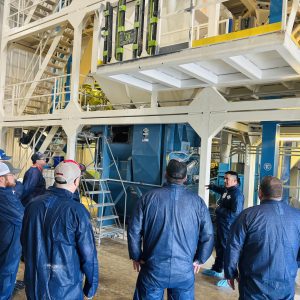
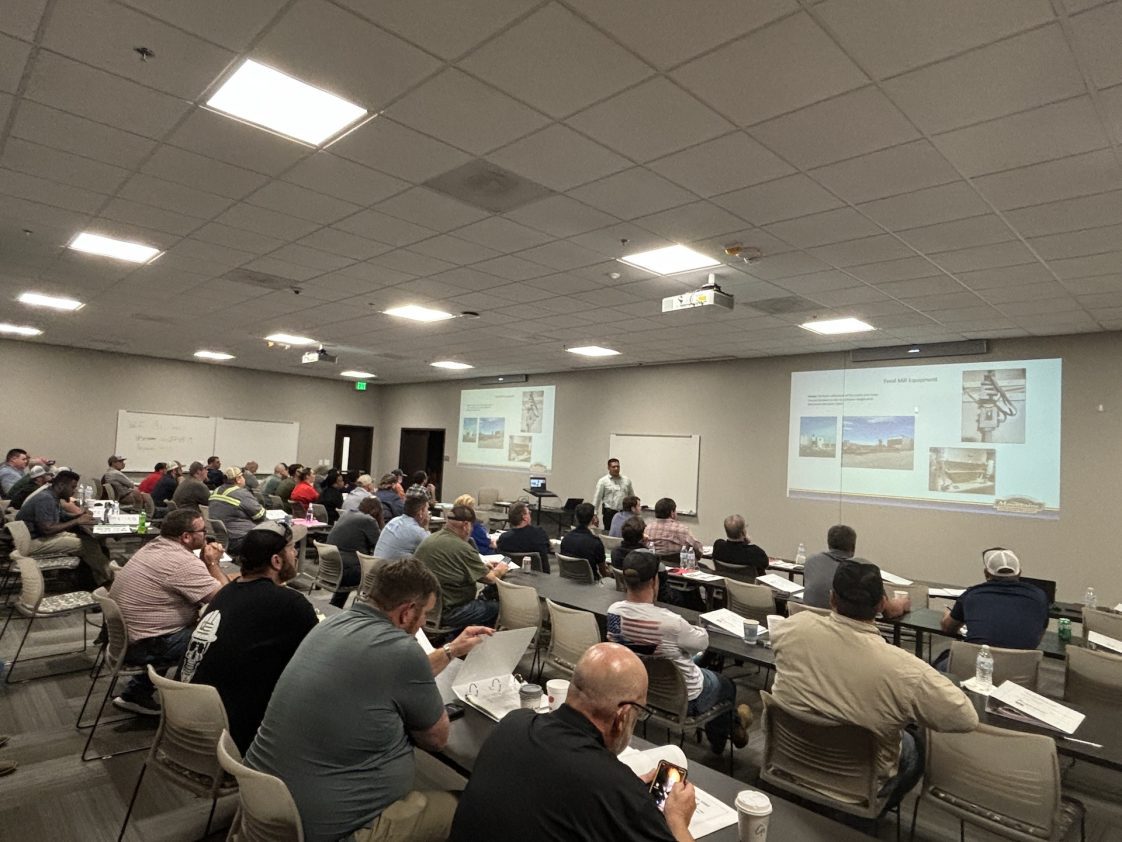
Investing in workforce training is essential to ensuring the long-term success of Alabama’s poultry, feed, and broader animal industries while promoting individual career advancement. In 2024, three comprehensive feed milling workshops were held in collaboration with Evonik Industries, California Pellet Mill, Hayes & Stolz, and other companies. These workshops took place during the spring, summer, and fall at the Charles C. Miller Jr. Poultry Research and Education Center, an ideal venue that allowed participants to engage in hands-on training, interactive discussions, and in-depth demonstrations. Designed to equip feed mill managers, supervisors, and allied industry personnel with essential knowledge and skills, the workshops focused on improving operational efficiency. Key topics included optimizing feed milling production processes, ensuring quality control of ingredients and finished feed, implementing effective preventive and corrective maintenance programs, and adopting innovative practices to meet the growing demands of the feed and poultry industries.
Outputs
More than 120 feed industry professionals from 15 states gained hands-on training in advanced feed milling practices. This workshop brought together participants from feed mills that collectively produce approximately 250,000 tons of feed per week, highlighting its broad industry reach. Participants improved their knowledge of production efficiency, ingredient and feed quality control, and regulatory compliance, such as the Food Safety Modernization Act (FSMA). Workshops fostered collaboration among industry leaders, Auburn University faculty, and graduate students, strengthening academic-industry partnerships. Feedback indicated the training would improve daily operations, especially during the winter, and support transitions to new or upgraded feed mill facilities.
Audience Diversity
The workshops attracted a diverse audience of professionals from 15 states, representing a range of roles across feed mills, poultry companies, and allied industries, promoting cross-sector collaboration and the exchange of varied perspectives and best practices.
Value Statement/Synopsis
The Feed Milling Workshops provided high-impact, practical training empowering feed and poultry industry professionals to enhance operational efficiency and ensure product quality. In addition, these workshops support the long-term competitiveness of animal agriculture across local, regional, and national levels.
Expanding Digital Outreach: Advancing Industry Education Through Feed Science Podcast Show
Project Leaders: Wilmer Pacheco
Institutional Lead: 1862 Extension–AU
Project Objectives
Increase the reach and impact of Extension programs by leveraging digital media platforms to engage a broader and global audience.
Background/Situation/Issue
In 2024, Wilmer Pacheco, Extension Specialist and Associate Professor, collaborated with Wisenetix to significantly expand outreach and educational efforts through digital media. As both a host and guest, Pacheco participated in 11 episodes of The Feed Science Podcast Show, a platform dedicated to sharing research-based insight and innovations in animal nutrition and feed manufacturing. During the podcast, guests shared research-based discussions on multicarbohydrase enzymes, feed milling strategies, and mycotoxin risk mitigation.
Outputs
Pacheco hosted three of the top five most-played episodes of the year, featuring key discussions on feed mill operations, manufacturing insights, and broiler physiology. Collectively, the Feed Science Podcast Show achieved 152,724 total plays in 2024, representing a 355 percent increase in listenership over 12 months. Listeners consumed 9,237 hours of podcast content, indicating strong audience interest and retention.
Audience Diversity
Professionals from the poultry, swine, and cattle industries formed a key part of the audience, including feed mill operators, animal nutritionists, veterinarians, and livestock producers. The podcast attracted a global listenership spanning North America, Latin America, Europe, and Asia, with particularly strong engagement from both English and Spanish-speaking audiences. Listeners represented a wide range of professional roles, including industry executives, technical service specialists, academic researchers, graduate students, and Extension educators. Audience members came from a variety of organizations, such as feed manufacturing companies, integrated operations, allied industry suppliers, universities, and governmental agencies.
Value Statement
By leveraging the power of digital media, Pacheco advanced the dissemination of science-based knowledge in animal nutrition and feed manufacturing. His contributions to The Feed Science Podcast Show have created a dynamic platform connecting research with real-world practice, empowering feed and livestock industry professionals, and supporting informed decision-making at every level. This initiative exemplifies the land grant mission of extending university expertise beyond the classroom to improve industry outcomes and workforce capability on a global scale.
HACCP Roundtable
Project Leaders: Dianna Bourassa
Institutional Lead: 1862 Extension–AU
Project Objectives
The Poultry Processors Hazard Anaylsis and Critical Control Points (HACCP) Roundtable Discussion is a forum for processing and food safety personnel to discuss current food safety and regulatory issues facing the industry. Participants have the opportunity to address current concerns and assemble a list of food safety and regulatory questions. In the afternoon session, the moderator presents these questions to United States Department of Agriculture and Food Safety Inspection Service (USDA-FSIS) personnel.
Background/Situation/Issue
Poultry processing is heavily regulated due to the need to supply the people of the United States and the world with safe and wholesome poultry meat for consumption. Respectful relationships between processors and regulators are needed to produce products while addressing any potential problems efficiently.
Outputs
HACCP Roundtable meetings are conducted four times per year. Following each meeting, a summary of the questions and responses is distributed to all participants.
Evaluation Techniques
Each quarter, participants are verbally surveyed regarding what they do and do not like about the meetings and how future meetings can best serve their needs.
Value Statement/Synopsis
The HACCP Roundtable promotes effective communication between poultry processors and government regulators that will ultimately result in the production of safer food products for consumers.
Alabama Poultry Processor Meeting
Project Leaders: Dianna Bourassa
Institutional Lead: 1862 Extension–AU
Project Objectives
Provide training for Alabama and Mississippi poultry processing professionals on regulatory compliance, troubleshooting common processing issues, and new methods for improving animal welfare, food safety, and meat quality during processing.
Background/Situation/Issue
There are 32 commercial poultry processing facilities across Alabama and Mississippi, collectively processing more than 1.8 billion chickens every year. Improvements in animal welfare, processing procedures, and food safety have significant impacts on the animals, the people employed in these facilities, and consumers of chicken products.
Outputs
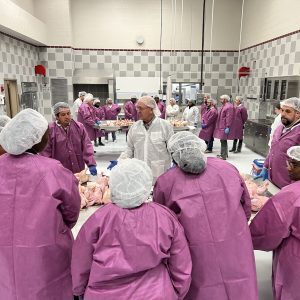
The cooperative Alabama-Mississippi Poultry Processor Meeting was held in 2024 with great success. The invited speakers presented on multiple topics ranging from how to appeal memorandums of interview (MOIs) and noncompliance records (NRs), definitions for lotting, and microbiological testing, salmonella enumeration and serotype identification, salmonella control strategies during live production, and a hands-on discussion of root causes for plant condemnations.
Audience Diversity
The 2024 poultry processor meeting served 42 attendees from eight companies that do business in Alabama.
Evaluation Techniques
Online surveys were distributed postworkshop.
Value Statement/Synopsis
The poultry processor meeting provides continuing education for poultry processing personnel aimed at improving the efficiency and safety of poultry meat.
Worthwhile Operational Guidelines and Suggestions (WOGS) Newsletter
Project Leaders: Dianna Bourassa
Institutional Lead: 1862 Extension–AU
Project Objectives
Provide timely information to commercial poultry processors on topics ranging from harvest, bird welfare, meat quality, and system operations.
Outputs
Newsletters are distributed to subscribers involved in the commercial poultry processing industry. To date, there have been 224 newsletters on a diverse range of poultry processing topics.
Audience Diversity
The WOGS newsletter is distributed to more than 450 contacts from more than 20 countries around the globe.
Value Statement/Synopsis
The WOGS newsletters provide both timely information and a repository of information that can be accessed as needed for training, education, and research needs.
Introductory HACCP Training
Project Leaders: Dianna Bourassa
Institutional Lead: 1862 Extension–AU
Project Objectives
Review the philosophy and principles of the Hazard Analysis and Critical Control Point (HACCP) system and discuss its implementation in poultry or meat plants.
Background/Situation/Issue
The US Department of Agriculture requires poultry and meat processors to have certified training in HACCP systems to operate an inspected poultry or meat processing facility.
Outputs
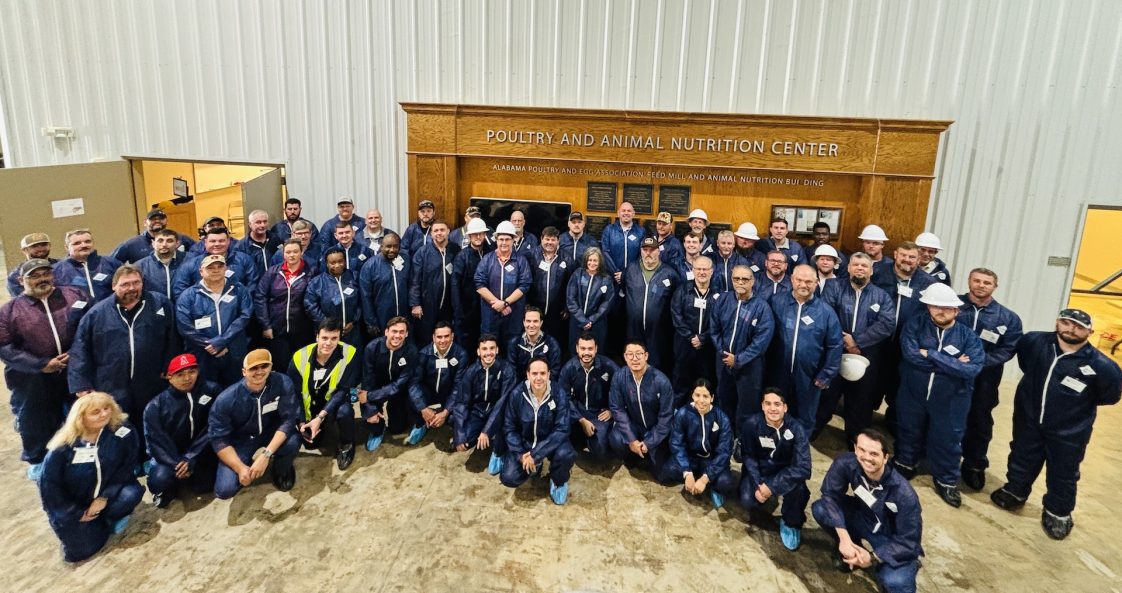
Two introductory HACCP training courses were completed providing certification by the International HACCP Alliance to all participants.
Value Statement/Synopsis
The introductory HACCP training course allows poultry and meat processors to develop new HACCP programs and review and assess current practices. This training also allows companies to fulfill USDA regulatory requirements for HACCP training.
Small Flock Poultry Program
Project Leaders: Brigid McCrea
Institutional Lead: 1862 Extension–AU
Project Objectives
To provide small flock owners with practical, science-based education and hands-on training that improves flock health, biosecurity, and overall management practices.
 Background/Situation/Issue
Raising backyard chickens is rapidly growing in popularity, driven partly by seasonal spikes in egg prices resulting from national avian influenza (AI) outbreaks. It is estimated to be the fourth largest segment of the poultry industry. Despite this growth, backyard and small flock poultry owners remain an underserved audience, often relying on unverified sources such as social media and YouTube for flock management guidance. This presents a critical need for science-based education, especially as certain poultry diseases are zoonotic, posing potential health risks not only to flocks but also to their human caretakers and anyone who receives or purchases eggs from these flocks. The Extension team hosted Cooptastic 2024, a two-day conference designed to educate and support small flock owners in adopting best practices for raising chickens and other poultry. The workshop focused on key areas, including disease prevention, nutrition, getting started with a flock, and proper grading and sizing of eggs. The event provided attendees with essential knowledge and hands-on guidance to help improve flock health, productivity, and overall management.
Outputs
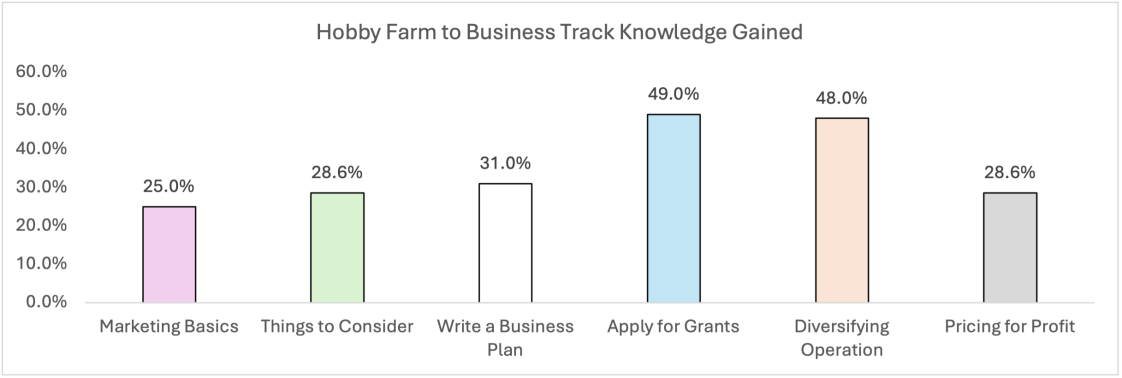
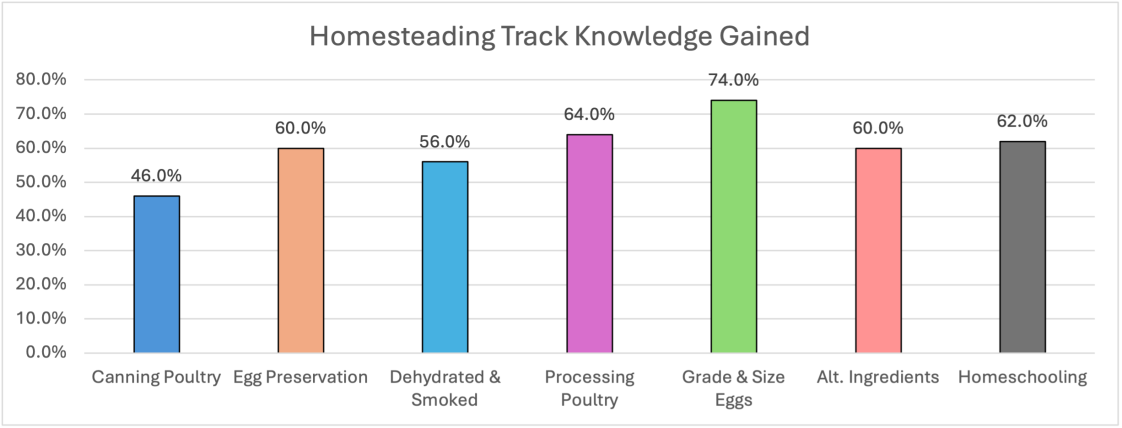
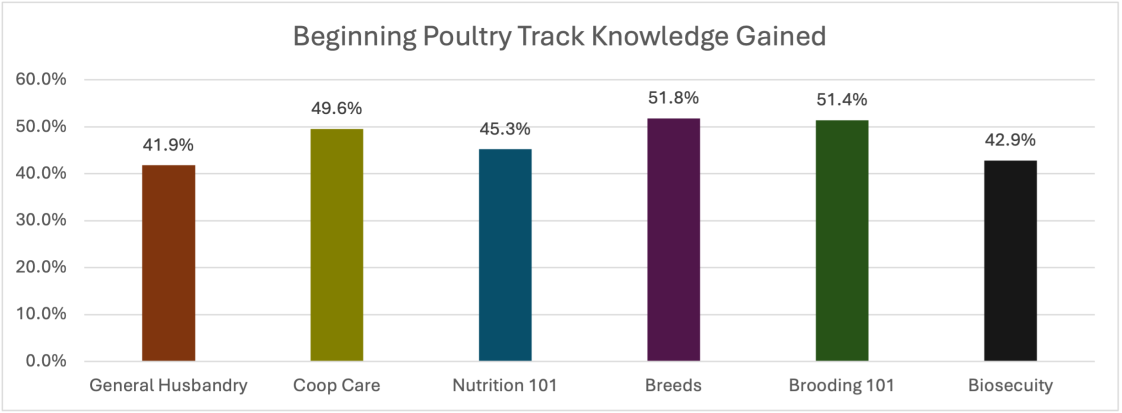
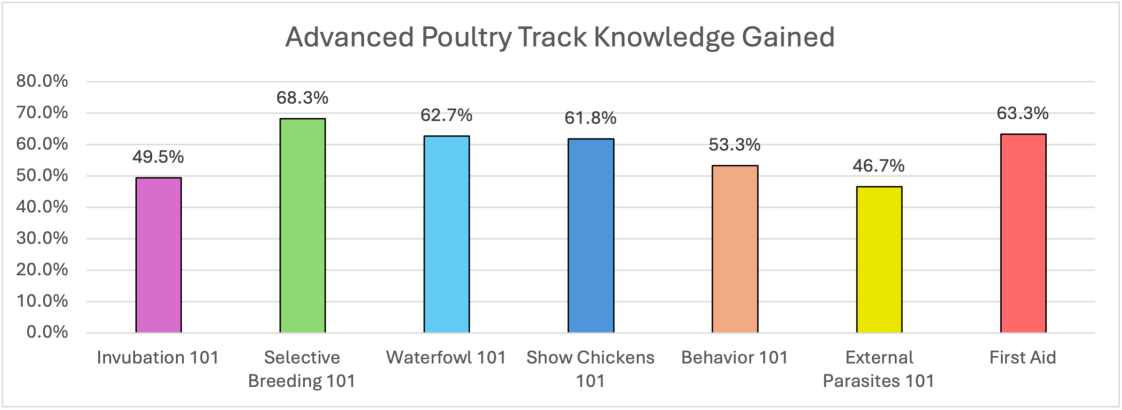
Cooptastic was held March 15 and 16, 2024, at the Alabama 4-H Center, bringing together 114 registered participants for 2 days of hands-on learning and expert-led sessions focused on small flock poultry management. Attendees demonstrated consistent gains in knowledge across all topics presented during the conference. The most significant knowledge increases included the following:
- A 74 percent increase in knowledge of egg sizing and grading
- A 49 percent increase in knowledge on applying for grants
- An overall 48.6 percent increase in general poultry knowledge across the entire event.
These outcomes highlight Cooptastic’s continued value as a key educational event for backyard poultry enthusiasts, offering research-based, practical information to support better flock management and decision-making.
Value Statement:
Cooptastic 2024 played a vital role in empowering small flock owners with trustworthy, research-based knowledge and practical skills essential for raising healthy poultry. By addressing critical needs in disease prevention, nutrition, and flock management, the program not only enhances animal welfare and productivity but also helps protect public health. This initiative strengthens community resilience, supports sustainable backyard poultry practices, and fills a crucial educational gap in a rapidly growing segment of the poultry industry.
Extension Poultry Outreach Expands Through Television and Popular Press
To broaden outreach and engagement with small flock owners and poultry enthusiasts, six educational Extension TV advertisements were produced and aired throughout the year. The topics covered key areas of interest and seasonal relevance: Cooptastic promotion, egg facts in May, biosecurity for small flock owners in June, egg facts in July, turkey facts for small flock owners in November, and footbaths for small flocks.
In addition to video outreach, the program also reached a wide audience through the popular press. Four articles were published in well-known agricultural and poultry publications, collectively reaching an estimated audience of more than 200,000 readers:
■ Chicken Whisperer Magazine, Plain Talk: “Sizing and Grading Eggs in the U.S.” (Spring 2024)
■ Acreage Life Magazine, Chicken Chatter: “Northern Fowl Mite” (Fall 2024)
■ Chicken Whisperer Magazine, Poultry Care: “Essential Tips for Flock Health: Northern Fowl Mite Alert” (Fall 2024)
■ Chicken Whisperer Magazine, Alternative Flock: “Excelling in Egg Quality” (Winter 2024)
Chicken Whisperer Magazine alone has a print readership of approximately 50,000, with additional thousands accessing the free digital edition, further amplifying the reach of these science-based messages.
Wilmer Pacheco, Associate Professor, Poultry Science, Auburn University
New May 2025, Poultry Team Outcomes & Impact Report 2024, ANR-3161
Past Reports
- Poultry Team Outcomes & Impact Report 2023, ANR-3063
- Poultry Team Outcomes & Impact Report 2022, ANR-3018
The Alabama Cooperative Extension System (Alabama A&M University and Auburn University) is an equal opportunity educator, employer, and provider. If you need a reasonable accommodation or language access services, contact Dianna Bourassa at dvb0006@aces.edu.