
Farming

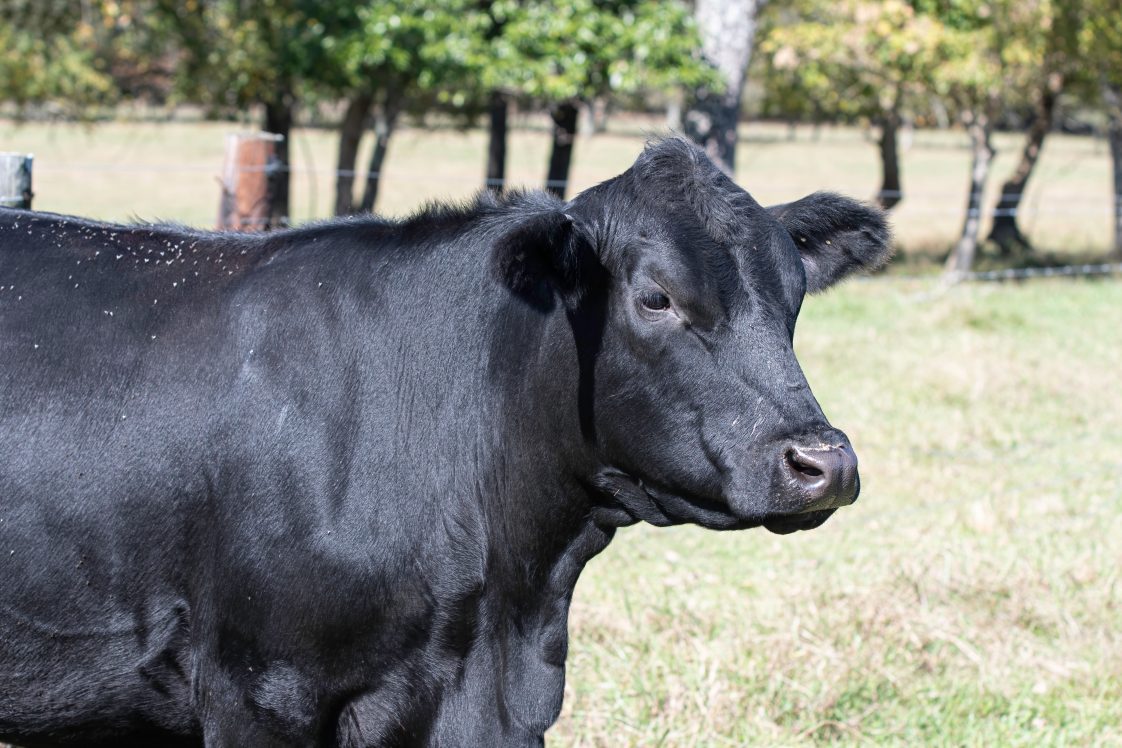
AUBURN UNIVERSITY, Ala. — The high temperatures and humidity levels of an Alabama summer are perfect conditions for fly populations to thrive. If left to their own devices, flies can quickly cause issues for both beef cattle and producers.
“Flies and other external parasites directly affect a producer’s bottom line and can cause many health problems in cattle,” said Dr. Soren Rodning, an Alabama Extension veterinarian at Auburn University. “It is important for producers to implement an effective external parasite control and prevention program on their farm.”
The recent detections of New World screwworm in Texas and New Mexico have brought national attention to the importance of proper fly control. Several fly species can affect cattle including horn, stable, heel, blow and screwworm flies. As one of the most common fly pests in cattle, Rodning said the horn fly alone can cause millions of dollars in economic losses each year for producers across the country.
“Horn flies can greatly affect cattle’s overall health and behaviors,” Rodning said. “Because they feed on blood, these flies have a painful bite, causing cattle to spend more time trying to get the flies off than they do eating or drinking.”
Unchecked fly populations can lead to blood and weight loss, dehydration and weakness in cattle. They can also decrease milk production in cows. This subsequently can affect calves’ weaning weights. In fact, research has shown that uncontrolled fly populations can cause calves to weigh up to 50 pounds less at weaning.
Integrated Control and Prevention
The best fly control and prevention programs integrate a variety of management tactics. This can include using a combination of biological, cultural and chemical tactics. For example, a producer might purchase parasitic wasps to control fly larvae (biological), properly rotate their herds to different pastures (cultural) and use pesticides if needed (chemical).
“There is so much more to fly control than just pesticides,” Rodning said. “Keeping water troughs clean and properly managing grazing and pastures can help control external parasite populations. Producers should only use pesticides as part of a comprehensive and integrated pest management program.”
Often, chemical control is not used until the fly population on an animal reaches an economic threshold. This is the point at which the cost of treating the pest is cheaper than the economic loss it would cause if left unchecked. In cattle, Rodning said the economic threshold will vary, depending on the fly species.
“For stable flies, producers should use chemical control when they notice two to four flies on each leg,” Rodning said. “The threshold for horn flies is approximately 200 flies per side of the animal.”
When needed, several pesticide options are available to producers. These can be administered by several methods including dips, dusts, ear tags, feeds, injectables and pour-on products. Rodning said the right delivery method depends on each producer’s herd management plan.
“Make your decisions based on your system,” Rodning said. “If you are not sure what the right approach is for your herd, consult with your local veterinarian or Extension agent.”
More information on fly control options is available in the Alabama Extension publication, “Managing External Parasites of Beef Cattle in the Southeast.” This is available online at aces.edu.
Scouting for New World Screwworm
While New World screwworm has not been found in Alabama yet, Rodning encourages producers to monitor their herds vigilantly.
“New World screwworm is a live-animal health concern and not a food safety or quality issue,” Rodning said. “The best approach right now is for cattle producers to maintain routine forms of fly control and watch for signs of the pest.”
If a producer suspects that New World screwworm is in their herd, they should report it immediately to Dr. Tony Frazier, Alabama state veterinarian, at 334-240-7253. For more information, visit the Alabama Department of Agriculture and Industries’ website at agi.alabama.gov/nws.