
Farming

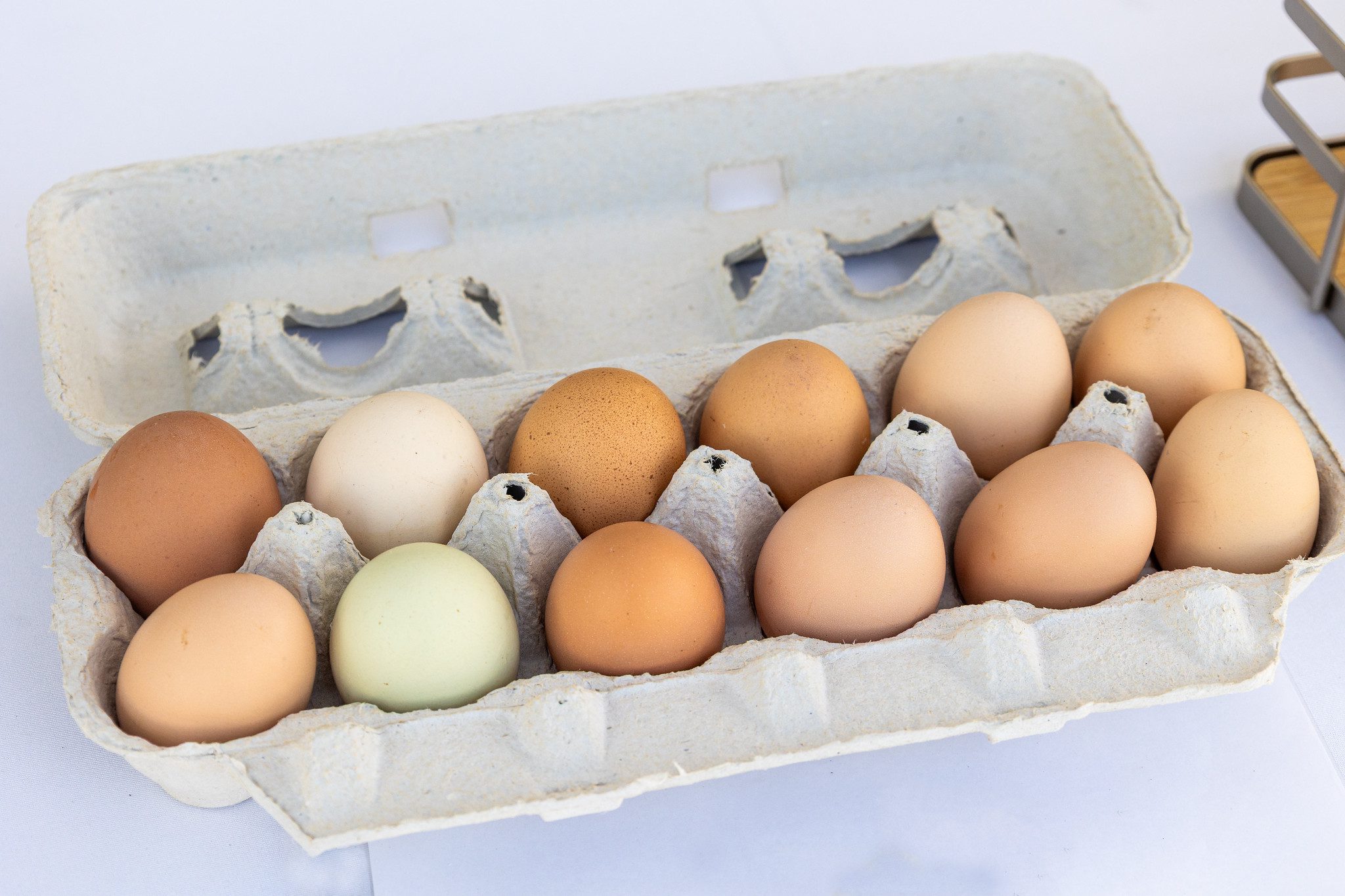
AUBURN UNIVERSITY, Ala. — Whether from the store or a backyard flock, eggs are a household staple. They are a versatile, complete protein source that are used in a multitude of ways. However, eggs require some mindful care as they move from farm to fridge. By properly washing, storing and cooking, consumers can ensure their eggs are safe, nutritious and delicious.
Washing
Proper egg washing plays a key role in the shelf life of the carton. Taking extra time to clean eggs properly before storing them helps reduce the possibility of bacteria. Dianna Bourassa, an Alabama Extension poultry science specialist at Auburn University, said eggs need to be at room temperature before washing.
“Practices such as soaking eggs in water or exposing a warmer egg to cooler water can actually pull bacteria in through the eggshell where you can no longer wash them,” Bourassa said.
One washing method is simply scrubbing the eggs by hand with a sponge, brush or paper towel. The goal is to remove any debris off the exterior shell. This is an especially important step when using fresh eggs from a backyard flock.
“Using something too abrasive, like harsh sandpaper, to scrub the eggs can actually damage the shell, allowing more bacteria to enter,” Bourassa said.
Water can be used to aid this process but be sure to keep the water clean and 20 degrees Fahrenheit warmer than the eggs.
After scrubbing the eggs, people can also use certain products to help kill and prevent further growth of bacteria. Some standard options include vinegar, hydrogen peroxide, bleach and quaternary ammonium. Different products and concentrations have better results than others. Also, these methods do not disinfect the eggshell. Bourassa said all methods have their own function, and people should research what might work best for them.
Storing
How eggs are stored can have a big impact on their longevity. Refrigeration can greatly extend the shelf life of eggs. In fact, storing eggs for one day on the counter is equivalent to storing them for an entire week in the refrigerator. Refrigeration is also the best protection against bacteria.
“Both backyard and store-bought eggs should be stored in the refrigerator to prolong shelf life and reduce bacterial growth,” Bourassa said.
Knowing the best carton type and how to read carton labels can also help with overall safety.
There are three types of egg cartons: pulp, foam and plastic. While pulp and foam options tend to be the most common, they are also more likely to hold bacteria than plastic cartons. Bourassa said foam and pulp containers are one-time use products. If a reusable option is needed, she recommends plastic cartons.
For store-bought eggs, cartons typically have a best buy date showing when the egg quality is freshest for consumption. From commercial sources, there should also be two codes listed on the side: the plant number and the Julian date. These tell consumers where the carton was packed and what day it was processed. This is vital information to know in case there is a recall.
Handling and Cooking
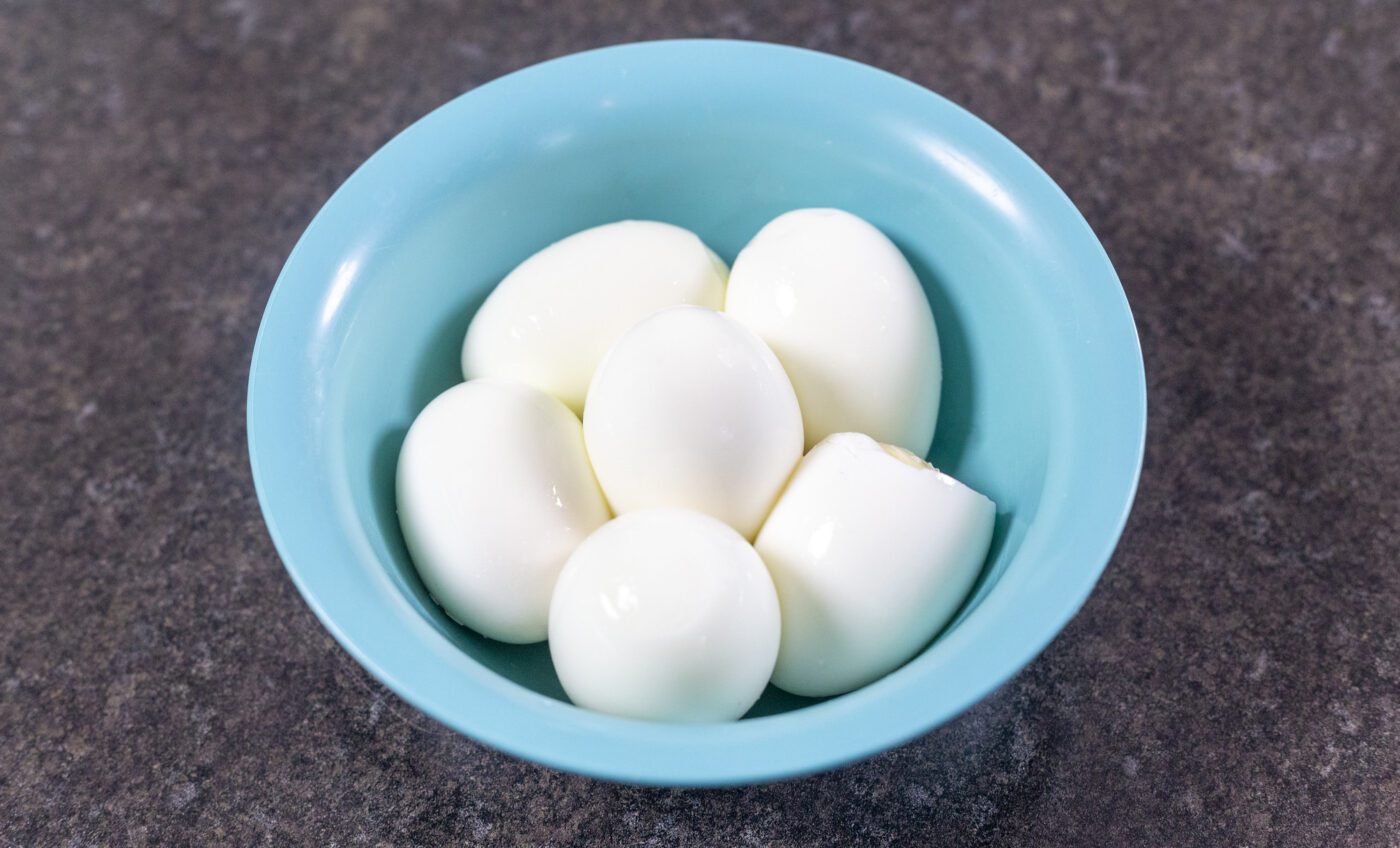 From cracking an egg to cooking it, there are many areas where food safety is important. The first step is to start with clean hands and a clean surface.
“One of the most common mistakes people make is not washing their hands,” Bourassa said. “Although a raw egg is less likely to be contaminated than raw meat, it is still important to adhere to good food preparation practices in the kitchen.”
When cracking an egg, the most common method tends to be cracking it on the side of a bowl or on the counter. However, this can create a mess and introduce bacteria to the dish from shell fragments. Instead, Bourassa recommends using a butter knife to create a clean crack in the shell that can then be separated easily with two hands and minimal breakage.
Many recipes call for separating the egg yolk from the white. In these cases, crack the eggs one at a time in a separate bowl. This extra step helps prevents eggshells and broken yolks from ruining the recipe. When separating an egg, people can use the shell, their hands or an egg separator. Bourassa recommends using the separator because it is the least likely to cross-contaminate the food, which can happen when using the egg’s shell or separating by hand.
To safely consume eggs, they need to be cooked to 160 degrees Fahrenheit. Once cooked, make sure the eggs stay out of the danger zone, which is between 50 and 139 degrees Fahrenheit. This is the prime temperature range for bacterial growth.
More Information
Eggs are simple and so are the steps to keeping them safe. By following these procedures, people can preserve egg quality while minimizing health risks.
For more information, read Bourassa’s publication, “Tips for Enhancing Egg Quality & Safety from Washing to Cooking.” This is available on the Alabama Extension website at aces.edu.