
Farming

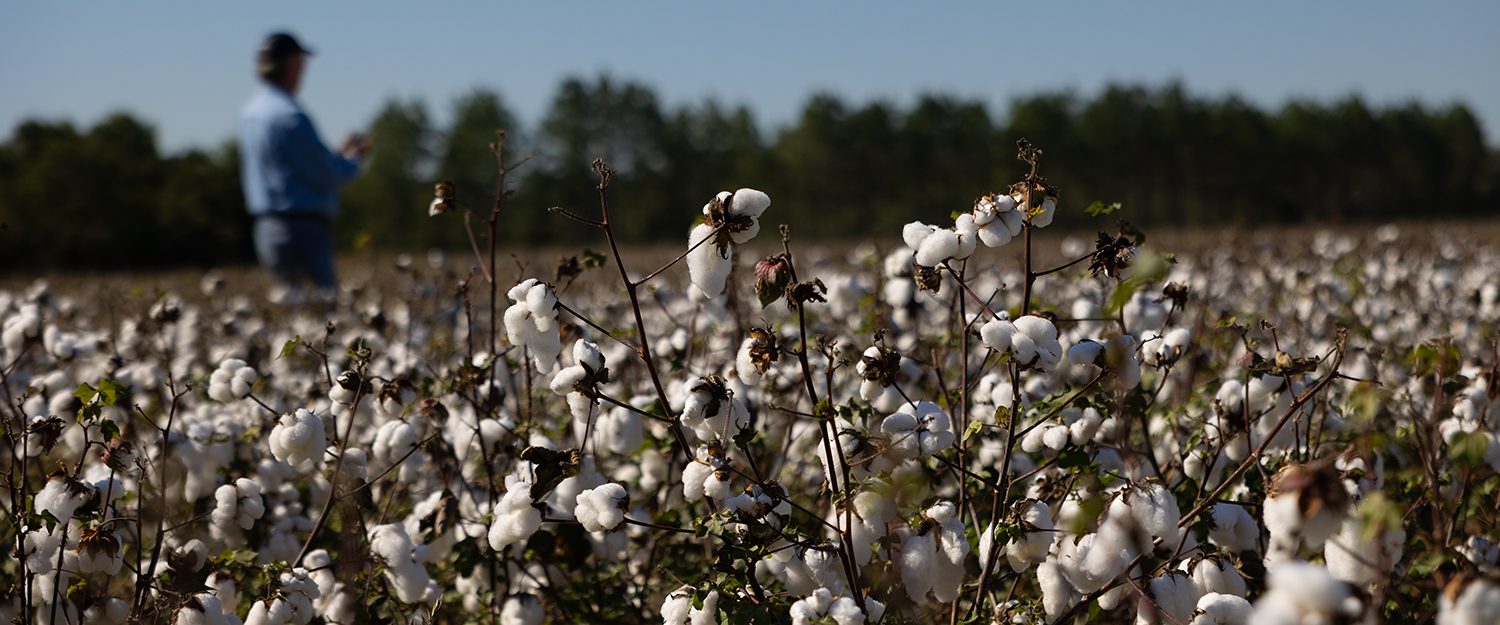
AUBURN UNIVERSITY, Ala. — In Alabama, snow falls September through November every year. Instead of a frozen landscape, however, this Southern snow comes in the form of one of the region’s most historic crops: cotton. From billowing rows ready for harvest to the cotton bales in transport to the gin, it is hard to miss this crop’s presence in the state.
There is more to the story of cotton than its fluffy fall appearance. Behind the scenes, the production of this crop comes with its own tales of risk, resilience and the dedication of Alabama’s cotton-farming families.
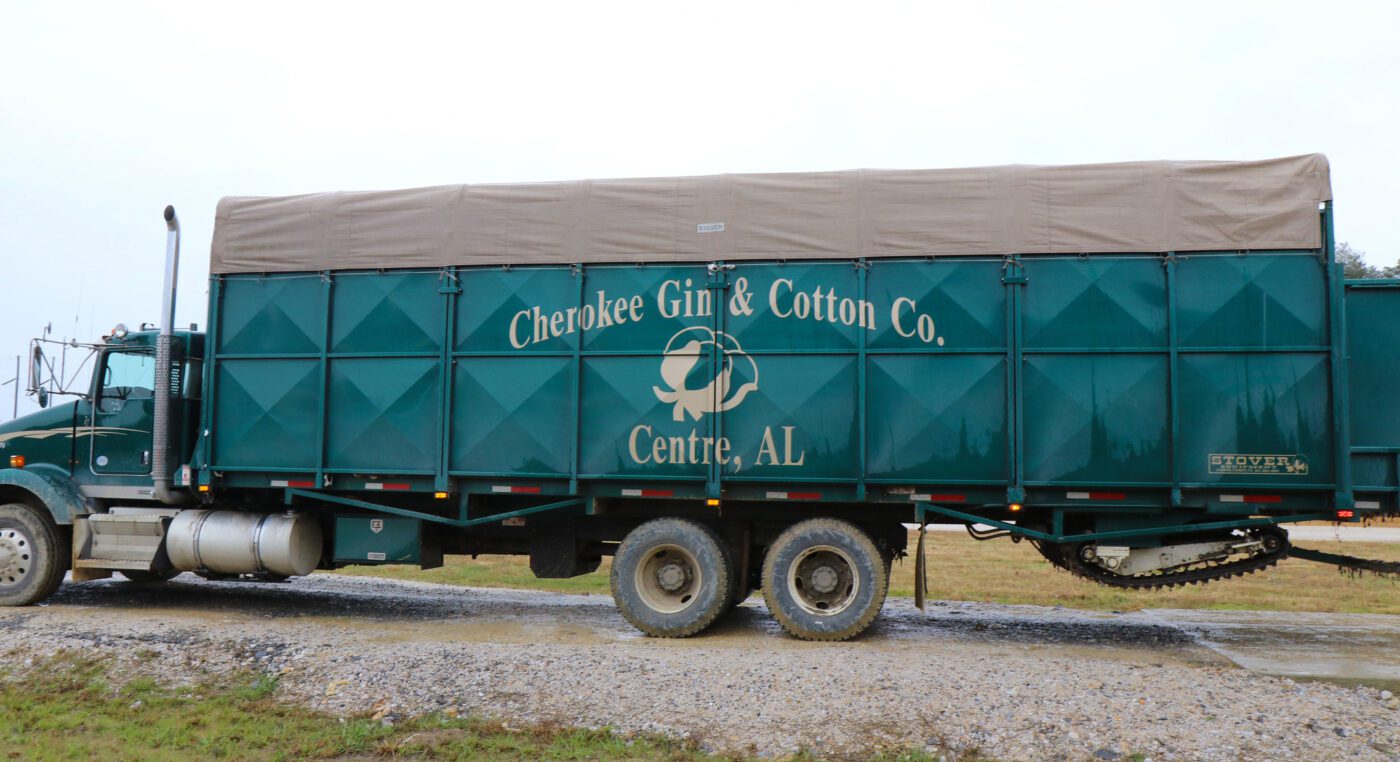
Rich Lindsey is manager and partner of Cherokee Gin & Cotton Co. in Centre. Photo credit: Alabama Farmers Federation
As a fourth-generation cotton farmer and ginner in Cherokee County, Rich Lindsey sees growing cotton as more than his family’s livelihood; it is also a responsibility and source of pride.
“Cotton has been a way of life for my family for generations,” Lindsey said. “I’ve seen how deeply it connects our family to the land and to our community. We take seriously our role in producing the world’s most widely used natural fiber.”
This way of life is evident for many families across Alabama. In many ways, cotton production fundamentally shaped the geographical and economical establishment of the state. Early on, the fertile soils and valuable waterways in the state attracted cotton-farming families to the region. By the mid-1800s, Alabama was the nation’s top cotton-producing state. Today, while it is no longer the state’s dominant crop, cotton remains a fixture in Alabama’s agricultural identity as well as in the families that have grown the crop for generations.
“Cotton is a crop that has a lot of history and a lot of legacy,” said Josh Lee, an Alabama Extension cotton specialist at Auburn University. “For a lot of our farmers, they grow cotton because they’re married to it, and that often comes from their families’ history in farming cotton. However, cotton farming is not easy, and there’s a lot of risk involved.”
Cotton Complexities
Cotton is one of the most temperamental crops grown in Alabama. The slightest change in its environment can fundamentally alter management practices, requiring farmers to constantly monitor conditions in their fields.
“You’ve really got to watch that crop to determine how to manage it,” Lee said. “Every season and field aren’t going to be the same. That’s what makes this crop so complex.”
This is especially true of the amount of rainfall or irrigation a field receives. Unlike crops like corn, overirrigation is an issue that cotton farmers must watch closely.
“When it comes to water, cotton is almost like the Goldilocks of the crops world,” Lee said. “You can’t have too little; you can’t have too much; it’s got to be just right. If cotton is overirrigated, you’ll see a yield loss.”
Risky Business
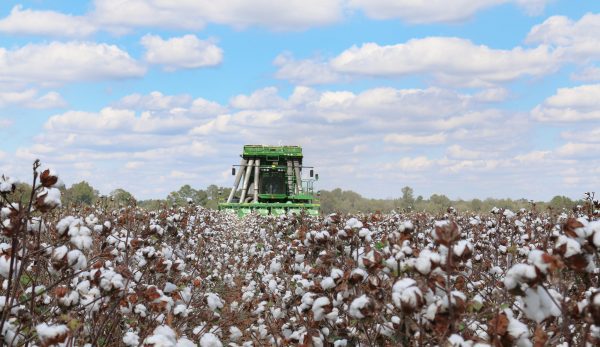 At the same time, cotton is one of the most expensive row crops to grow. In addition to items like seed, fertilizer, pesticides and fuel, cotton farming required specialized equipment, which is costly.
“Cotton typically has the highest production cost of all our row crops in Alabama,” said Wendiam Sawadgo, an Alabama Extension economist. “A cotton picker costs about $1 million and has one use: picking cotton. This is a substantial fixed cost that often puts farmers in a position where they feel the need to plant cotton, even if the price is too low for it to be profitable. Pair this with rising costs of yearly inputs and you have a recipe for an unprofitable year.”
Making matters more difficult, whether a farmer makes a profit or not depends largely on decisions they made months before harvest. Early in the growing season, farmers are essentially playing roulette and hoping that the choices are correct and that there are no major market disruptions.
“Cotton prices can change substantially during the growing season,” said Max Runge, an Alabama Extension economist. “Also, unlike other crops, both yield and quality determine cotton income. So, a producer could grow a good crop but receive a lower price because weather damaged the quality of the fiber.”
Giving Thanks
These complexities bring to light the hard work and dedication of the Alabama cotton farmer. Behind every acre of cotton, there are families who have painstakingly managed their risks and overcame challenges, all to produce a crop that continues to be woven into Alabama’s history and identity.
“I wish consumers could see how much work, care and risk go into producing cotton,” Lindsey said. “Farmers and ginners make significant sacrifices to bring the world’s most sustainable fiber from the field to market. Each season takes commitment from the people who grow, harvest and process this natural fiber.”
This Thanksgiving season, as you lay your nicest cotton tablecloths and napkins out for a special meal with your family, take the opportunity to remember and give a special note of thanks to the people who made it possible.