
Farm Management

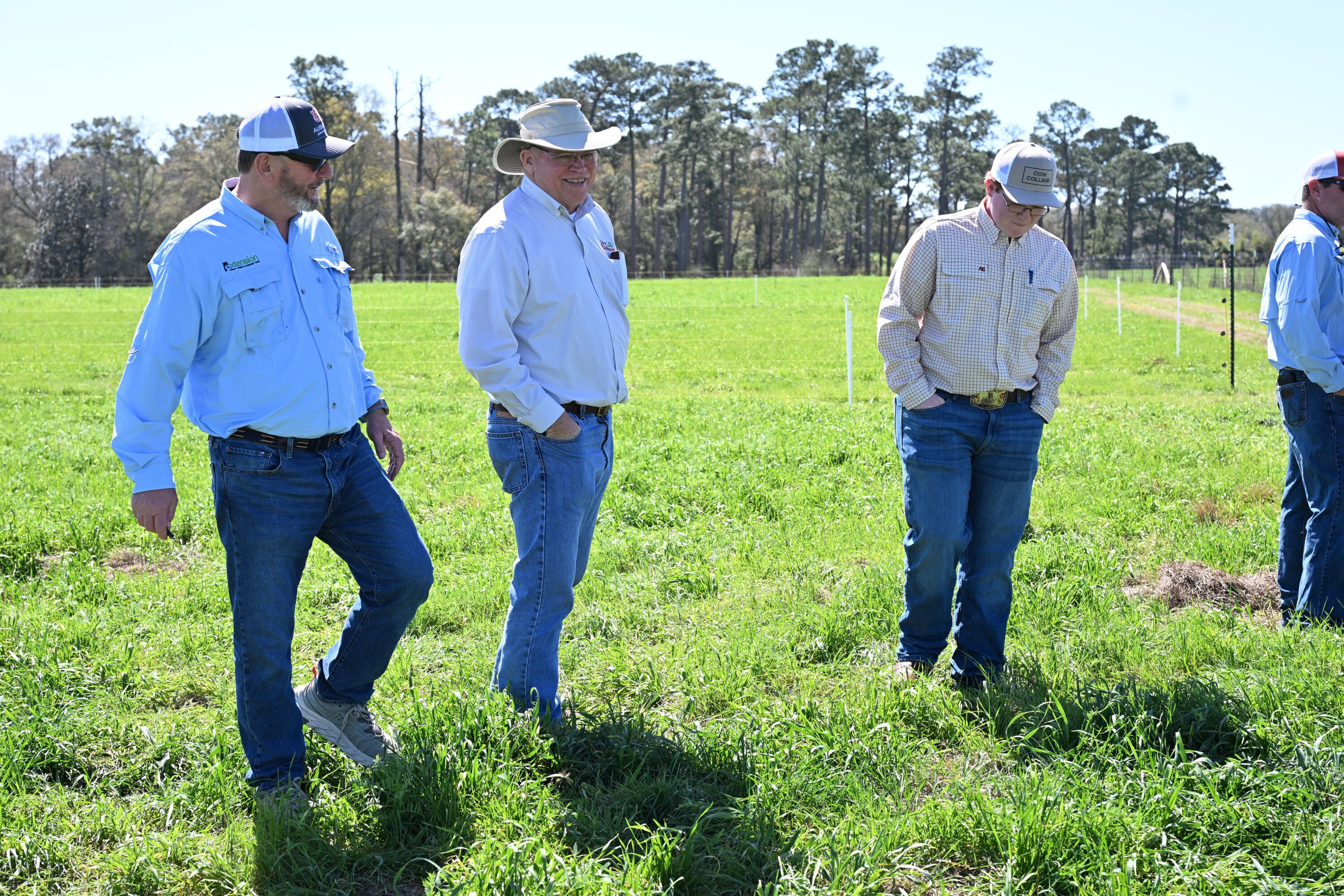
The Farm and Agribusiness Management team serves as the economic foundation of Alabama Extension’s agricultural programming. In 2025, the team delivered more than 100 in-person and virtual programs across 43 Alabama counties and neighboring states, reaching more than 3,900 producers, landowners, and agribusiness stakeholders. Team members worked statewide and in close collaboration with other agricultural priority teams to ensure that economic considerations were fully integrated into Extension programming.
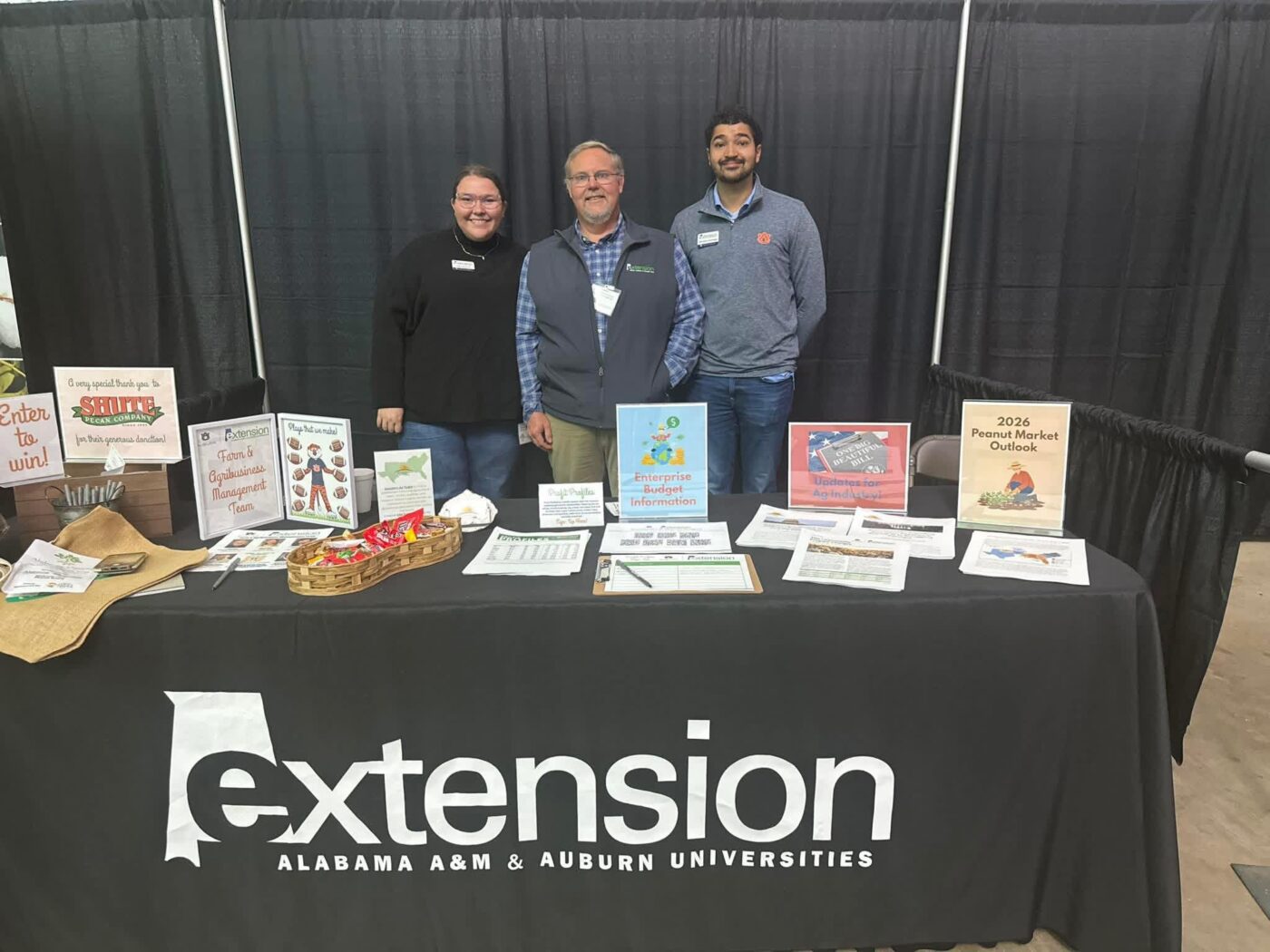
Figure 1. Calen Monroe, Extension agent, Ken Kelley, Extension agent, and Wendiam Sawadgo, Extension economist, discuss programs and answer questions as they represent Alabama Extension.
The team expanded educational capacity through extensive print and digital outreach, including maintaining more than 40 enterprise budgets; serving as invited speakers on multiple industry podcasts (Alabama Crops Report, Alabama Cattlemen’s podcast); contributing articles to state and regional publications (Alabama Cattleman magazine, Alabama Farmers’ Cooperative magazine, Specialty Crop Grower magazine, Southern Ag Today); and writing for local newspapers and publications (Lowndes Signal, Perry County Herald, Moulton Advertiser, among others). The team also published 26 Extension numbered publications, budgets, and web articles. Profit Profiles, a weekly market update newsletter, is distributed to more than 300 subscribers each week.
Economic Support Across Extension
The Farm and Agribusiness Management team works closely with all agricultural Extension priority teams, serving as their economic support system. Team members collaborate to integrate economic analysis, market context, and financial decision-making into animal, forage, row crop, specialty crop, and community-based programming statewide, strengthening the relevance and impact of Extension education.
Key Program Areas & 2025 Impacts
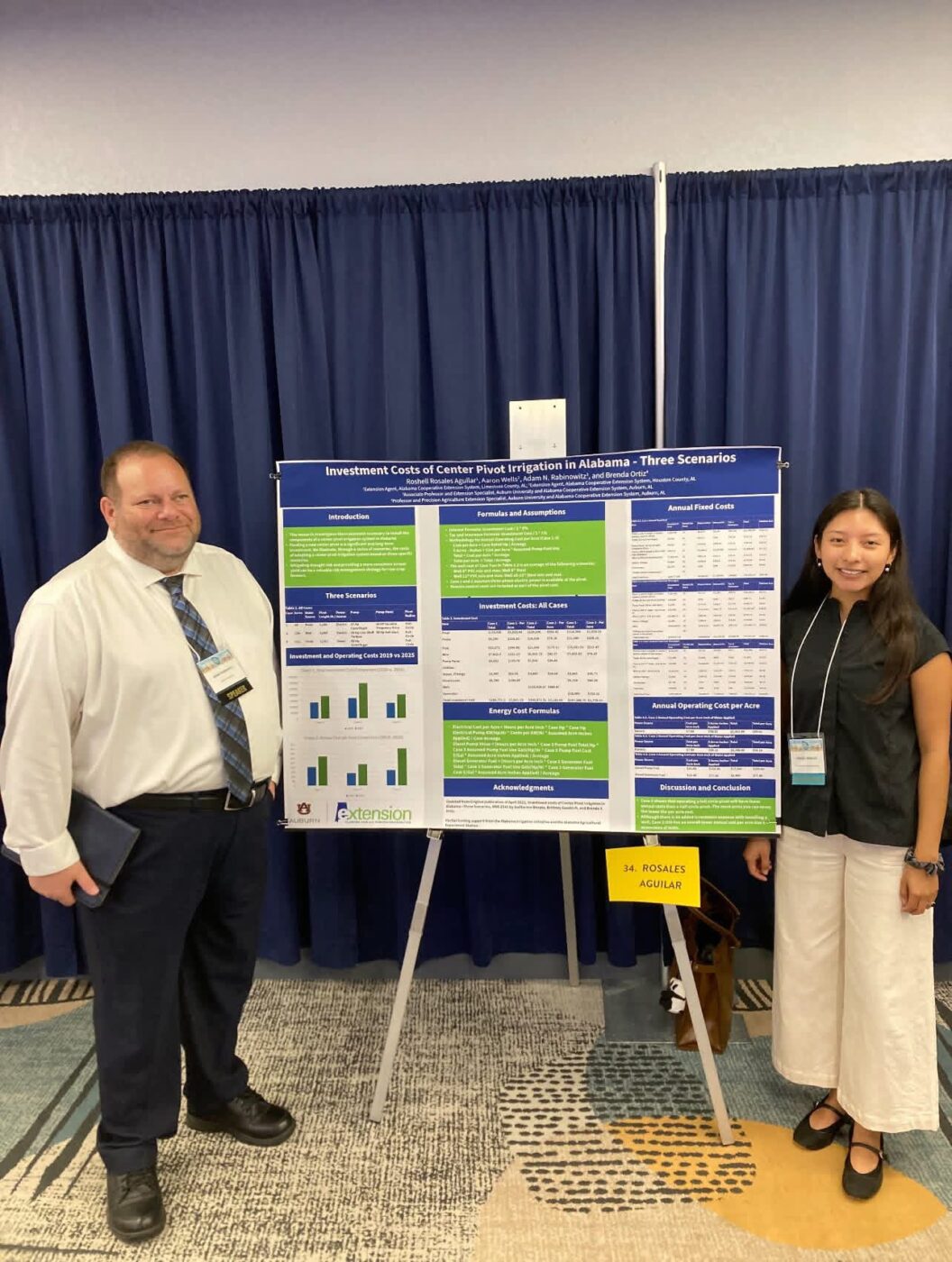
Figure 2. Adam Rabinowitz, Extension specialist, and Roshell Aguilar, Extension agent, explain pivot irrigation costs in Alabama.
The Alabama Heirs Property Alliance program addresses legal, financial, and social barriers faced by heirs property landowners. Educational workshops, webinars, publications, and technical assistance help families better understand heirs property, estate planning, and pathways toward clearing titles. These efforts improve access to credit, conservation programs, and long-term land productivity while supporting wealth retention and community stability. The outputs for the Alabama Heirs Property Alliance in 2025 include 10 special events and 329 attendees. The outcomes for this program are (1) educating landowners about heirs property—how it is created, how it is solved, and how to avoid it, (2) empowering families with the tools and resources to resolve and prevent heirs property issues, and (3) providing education and technical support for landowners dealing with the effects of heirs property.
The Agricultural Outlooks and Marketing Strategies program is focused on market outlooks, livestock and crop price risk, and applied marketing tools. County, regional, and statewide outlook meetings, along with Extension publications, help producers interpret market signals, evaluate marketing alternatives, and make informed production and sales decisions during a period of extreme volatility.
The outputs for the Agricultural and Marketing Strategies program in 2025 included 12 market outlook meetings with 465 participants and 23 marketing meetings with 660 participants. The outcome of this program in 2025 was an increase in the knowledge level of agricultural producers on the agricultural economy and an increase in knowledge about and implementation of crop-marketing plans, marketing strategies, and insurance tools to protect against price risk.
The Improving Financial Risk Management in Alabama Agriculture program is focused on developing and maintaining enterprise budgets, developing market tools, and providing financial education. The team helps producers evaluate cost of production, value of gain, and financial risk exposure. These efforts supported more informed decisions related to input use, marketing timing, and enterprise selection.
The outputs for the Improving Financial Risk Management in Alabama Agriculture program in 2025 were 18 educational programs with 934 participants. The Farm and Agribusiness Management team develops and updates more than 40 budgets for various crops produced in Alabama. The outcome of this program is that producers make better financial decisions and better evaluate the financial health of their businesses. This program allows producers to improve profitability and maintain sustainable operations.
Signature Program Highlight
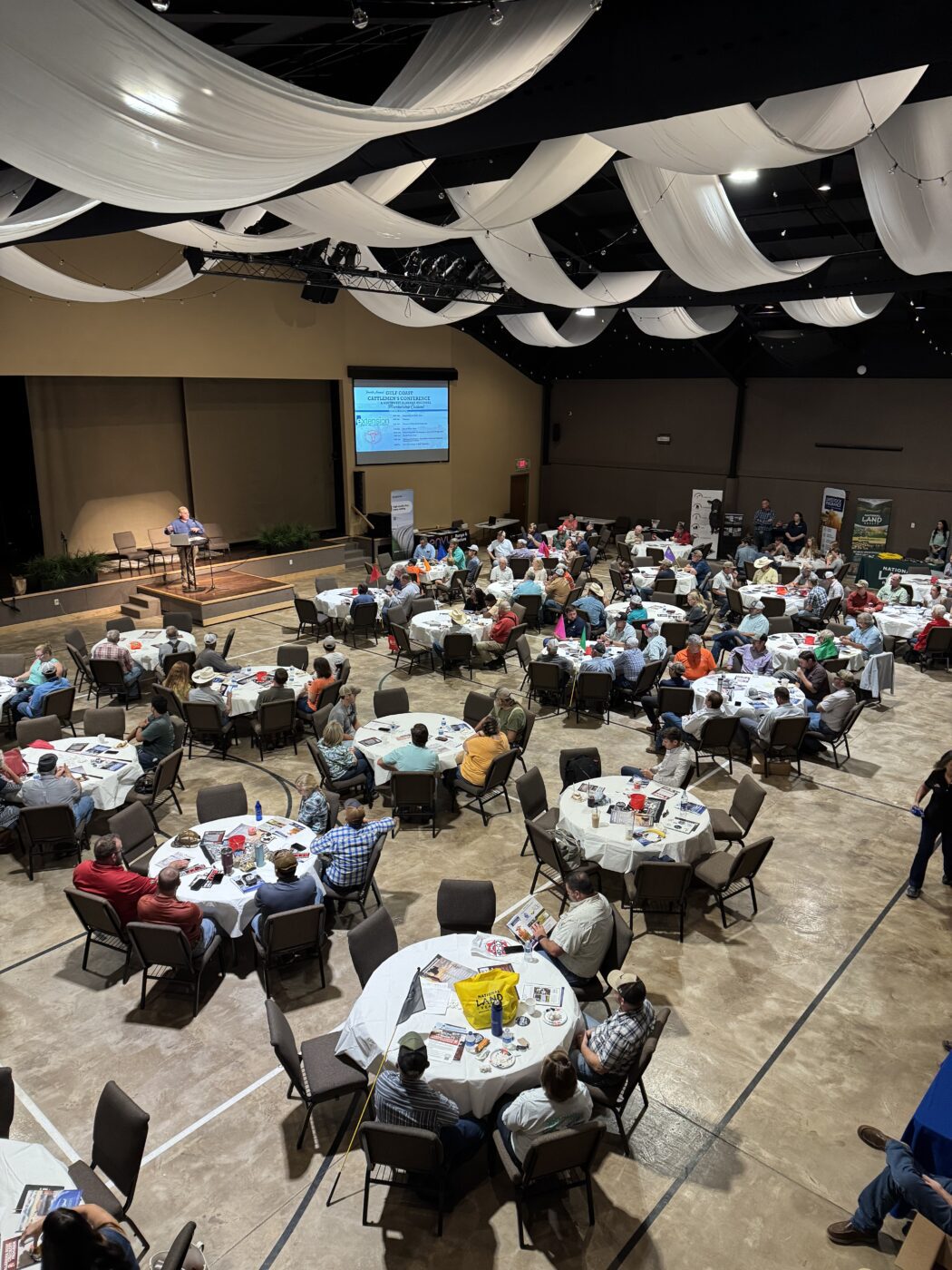
Figure 3. Learning and sharing at the Gulf Coast Cattlemen’s conference.
Surviving High Cattle Prices, part of the larger Improving Financial Risk Management in Alabama Agriculture program, brought together livestock economists, animal scientists, industry representatives, Extension professionals, and producers from across the country for a 3-day symposium in Atmore, Alabama. The symposium focused on managing risk, profitability, and long-term planning during a historic cattle market cycle. This effort generated multiple Extension publications from land-grant universities across the United States and a national train-the-trainer webinar series for agricultural agents. The nationally recognized program was recently awarded the winner of the National Association of County Agricultural Agents Search for Excellence in Farm and Ranch Business Management.
“The Ag Economics Extension team is a great asset to cattle producers in Alabama. In an industry where you depend on market conditions like we do in the cattle business, the latest market insights and projections help us make informed decisions for marketing. Whether it’s cost analysis or the latest feeder calf projections, these numbers matter to a cattleman,” said Erin Beasley, Executive Vice President of the Alabama Cattlemen’s Association.
Other Key Program Areas
The Alabama Beginning Farmer Program supports beginning and small-scale producers through education on business planning, marketing, and financial fundamentals. Programming emphasizes realistic entry strategies, market access, and risk awareness, helping new producers establish viable farm and agribusiness operations.
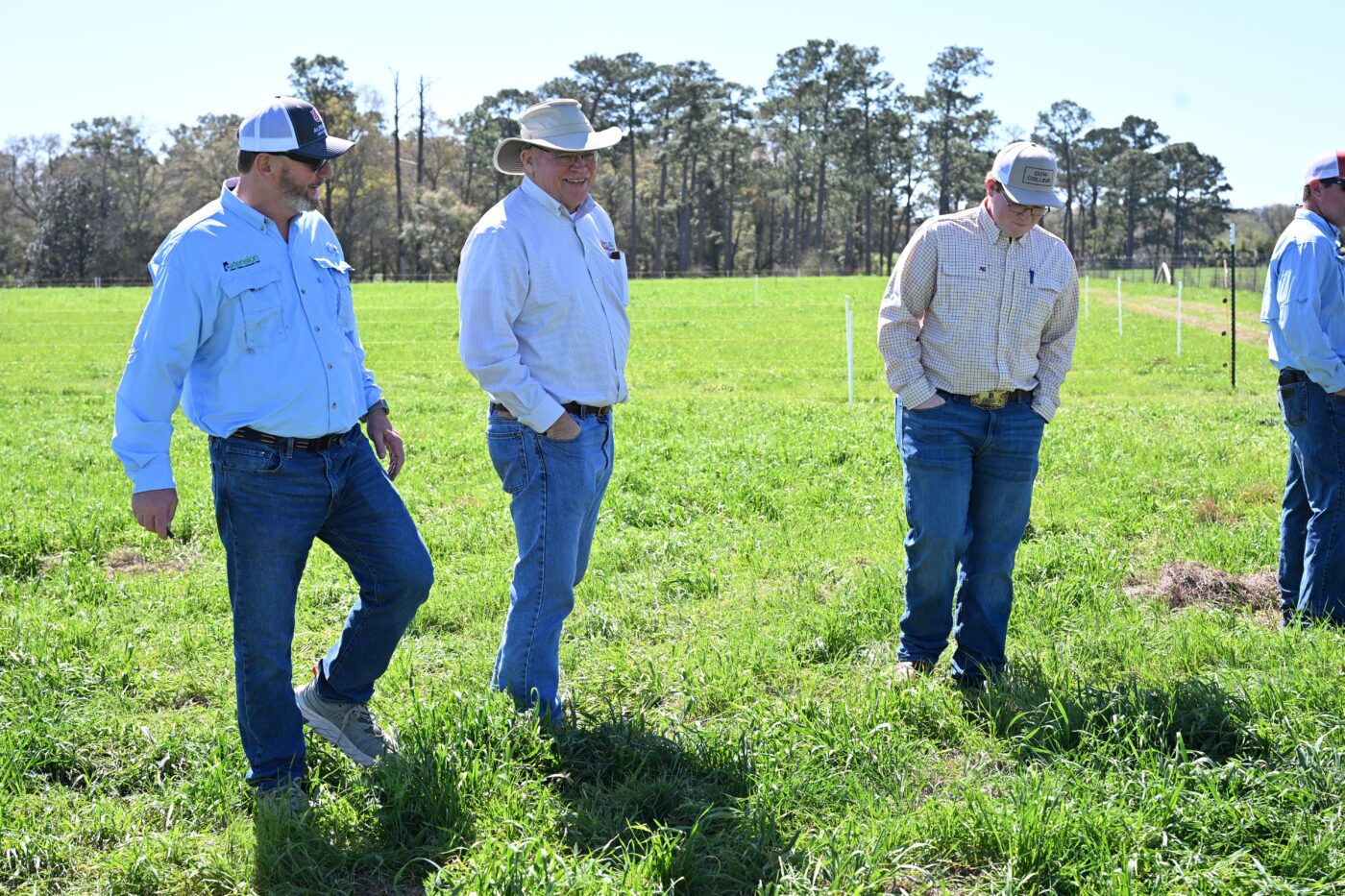
Figure 4. Max Runge, Extension professor, meets with Bob Plaster, Assistant Commissioner of the Alabama Department of Agriculture and Industries, and Trey Haddon, graduate research assistant in Animal Sciences at Auburn University.
The Agricultural Policy and Legal Education program provides policy and legal programming to producers and landowners with practical education on agricultural policy, farm law, and estate and succession planning. These efforts help participants understand how policy and legal decisions affect risk exposure, business structure, and long-term farm viability.
The 2025 Essentials of Farm Taxes and Estate Planning Seminar provides applied education on farm taxes, estate planning, and business structure. Participants gain clarity on compliance, planning opportunities, and long-term transition strategies critical to sustaining farm businesses across generations.
The Resilient Alabama Farms: Managing Human and Social Risk program addresses human, family, and social risks that influence farm decision-making and long-term resilience. Educational efforts complement financial and market programs by supporting the people behind farm and agribusiness operations.

Ken Kelley, Extension Agent, Farm and Agribusiness Management Coordinator, Auburn University
New June 2026, Farm & Agribusiness Management Team 2025 Impact Report, ANR-3265
For more information, contact your county Extension office. Visit aces.edu/directory.
Trade and brand names used in this publication are given for information purposes only. No guarantee, endorsement, or discrimination among comparable products is intended or implied by the Alabama Cooperative Extension System.